Overall impression: Comfort Home for Elderly receives consistently positive feedback across multiple dimensions of residential care. Families and residents emphasize strong caregiver engagement, a clean and well-maintained physical environment, and a supportive social atmosphere. Reviewers highlight both hands-on personal care and management responsiveness as distinguishing features.
Care and staff: Reviewers describe staff as compassionate, attentive, and proactive. Examples cited include nighttime assistance and direct feeding support, suggesting the facility is comfortable managing higher-dependency needs and providing close personal care. Dementia-related understanding and competence are specifically called out, indicating staff experience with cognitive-impairment care. The owner’s follow-up and responsiveness to families also support a perception of active, accessible management.
Dining and activities: Dining receives favorable comment—meals are characterized as good to very good. Activity programming shows mixed signals: some reviewers commend personalized activities and engagement, while at least one reviewer noted an absence of scheduled activities. This pattern suggests the facility may emphasize individualized engagement over a consistent, visible group-activity schedule; prospective residents and families should confirm current activity schedules and options during a tour.
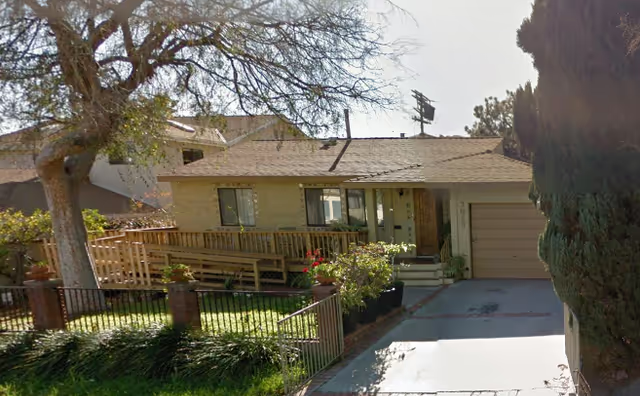
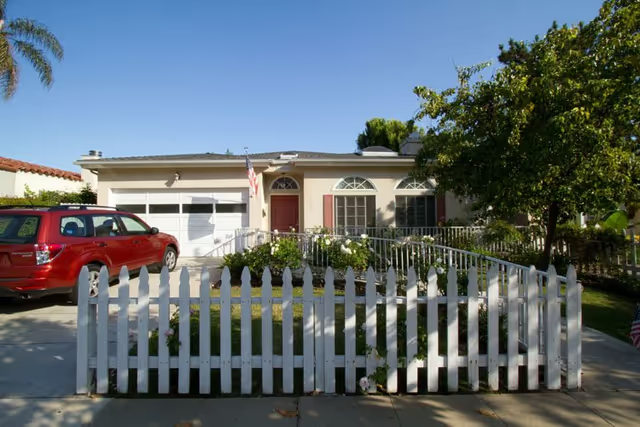
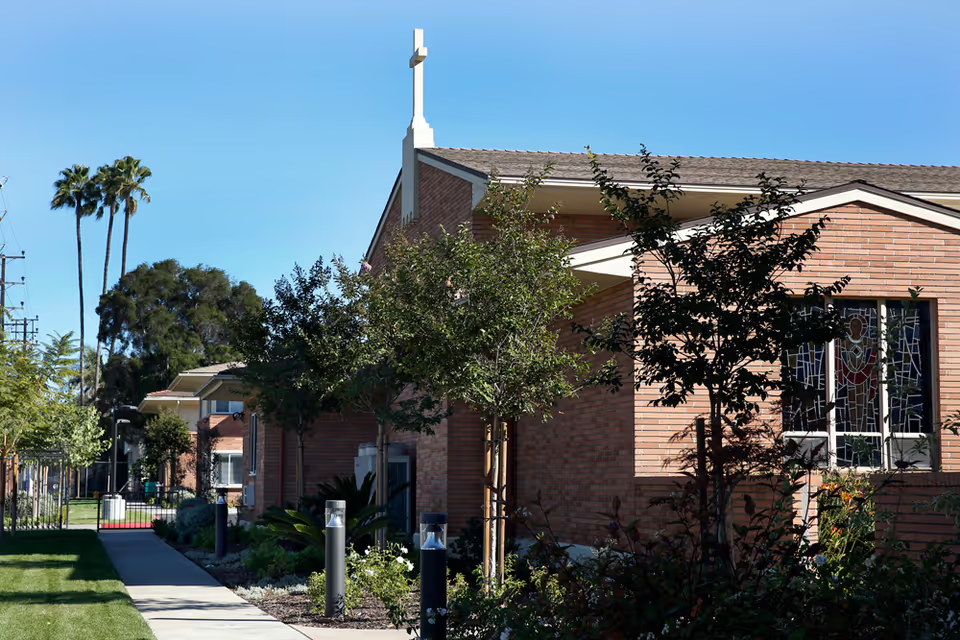
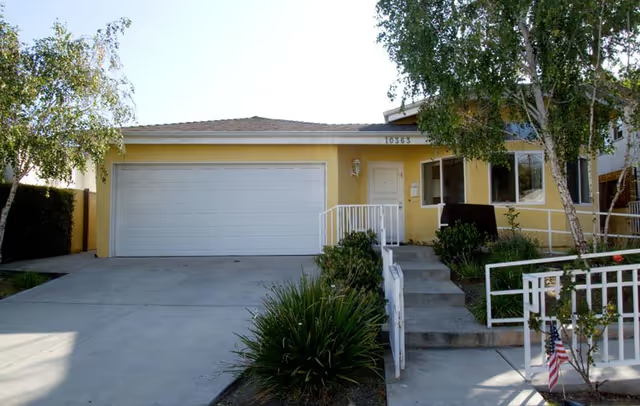
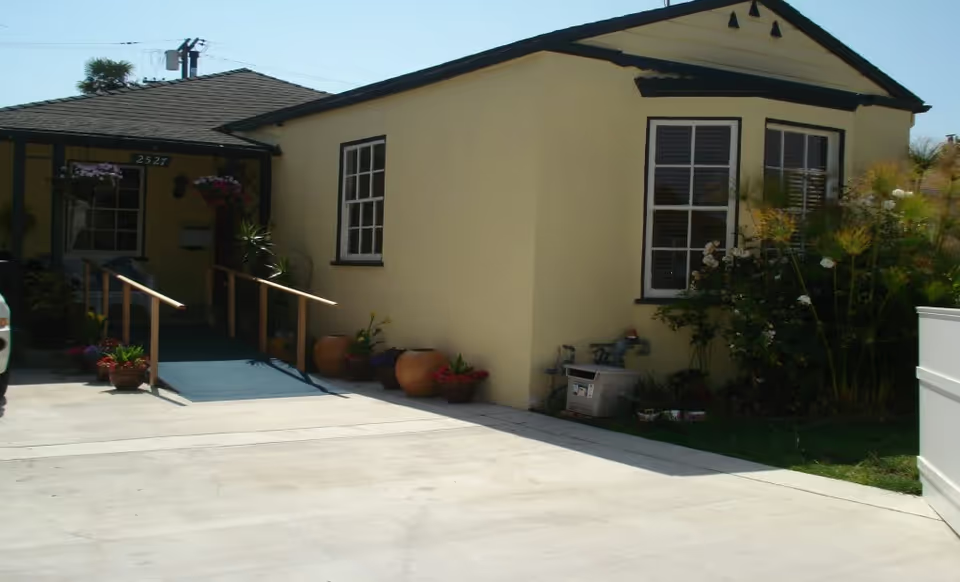
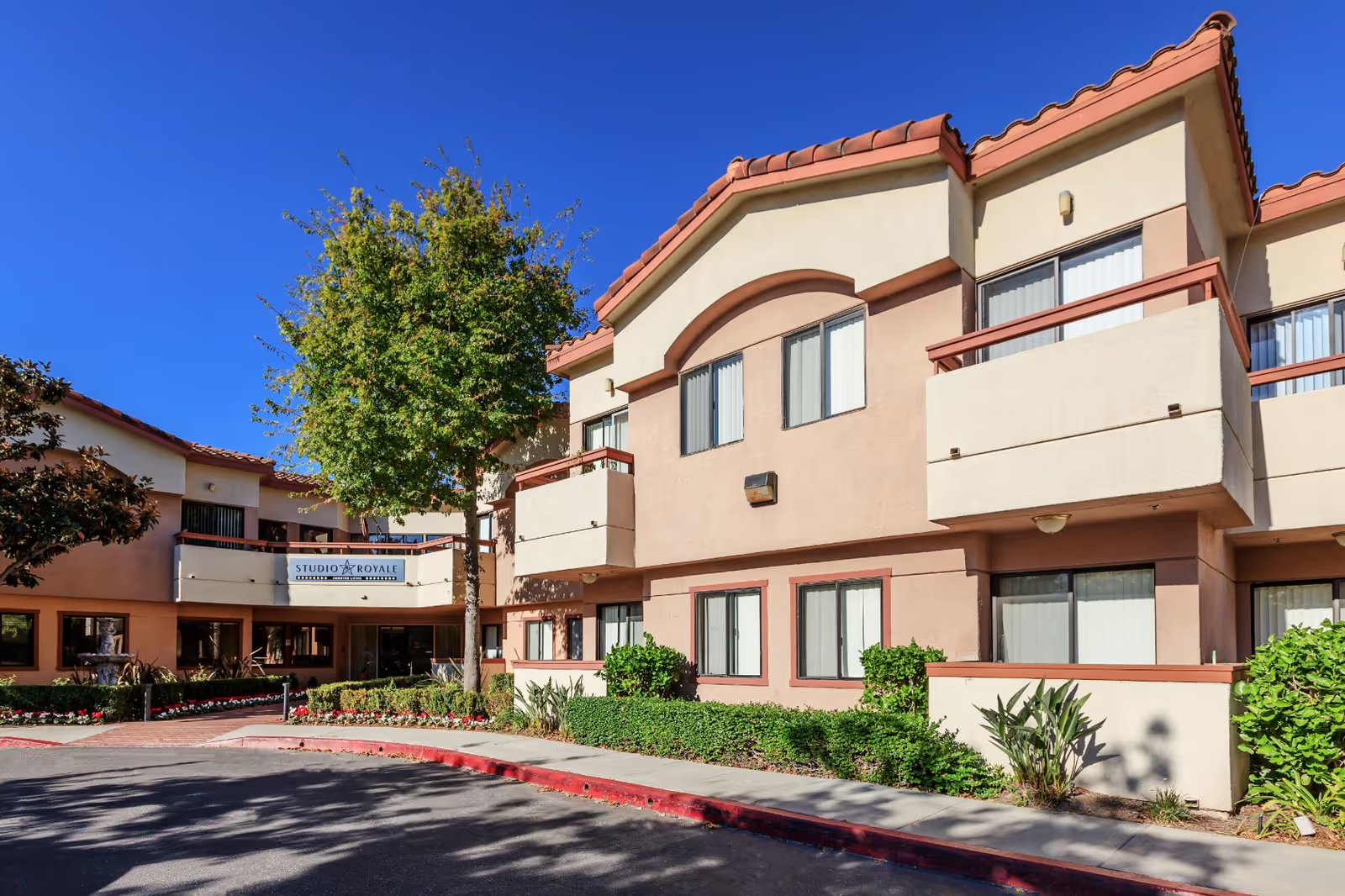
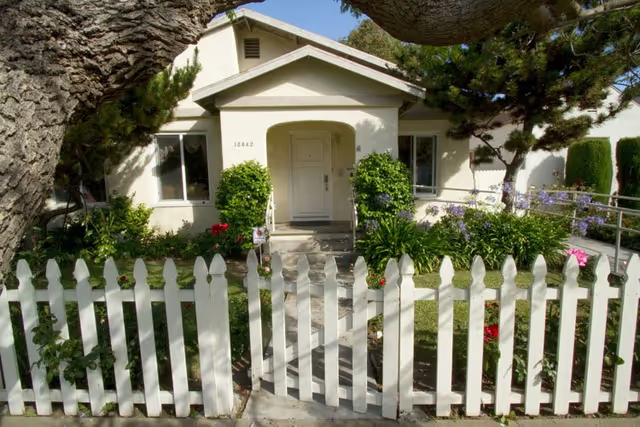
Facilities and community: The homey feel, clean interior, and well-maintained gardens (including rose bushes and a covered cabana) are frequent positives. The outdoor spaces appear to be an asset for resident well-being. Practical conveniences such as unrestricted parking and an affiliation with UCLA were also noted and may be relevant for families seeking institutional connections and visitor access.
Management and notable patterns: Management responsiveness and owner follow-up are recurring themes, which supports confidence in communication and oversight. The dominant pattern across reviews is high satisfaction with direct caregiving and facility upkeep; the primary operational gap identified is inconsistent activity programming—either limited formal group activities or variability in offerings by resident. Families should verify activity options, staffing levels for scheduled programs, and how individualized engagement is implemented to ensure alignment with the prospective resident’s preferences and social needs.