Care quality: Review content indicates a mixed picture. Positive interactions between residents and staff are described, and the small household size (eight residents) appears to support social engagement and more personalized attention. However, there are explicit concerns about staff understanding of Alzheimer’s disease and dementia care practices; this suggests gaps in dementia-specific training and clinical expertise that could affect residents with memory impairment.
Staff: Staff are repeatedly characterized as friendly and helpful, and resident–staff engagement is a clear strength. That said, warmth and helpfulness do not fully mitigate the operational concern that staff may lack sufficient dementia-focused training. Prospective families should clarify the facility’s training program, staff-to-resident ratios, and access to clinical guidance for memory-care needs.
Dining: The reviews provided do not include details about meals, menu variety, or special-diet accommodations. Because dining quality and nutritional management are important for many families, callers should request sample menus, information about therapeutic diets, and processes for accommodating feeding or swallowing issues.
Activities: The small group size and comments about active engagement suggest an environment that facilitates social interaction and peer activity. The setting’s park-like grounds could support outdoor activities, though outdoor access controls (see Facilities) may affect how freely residents can be taken outdoors for programmed activities.
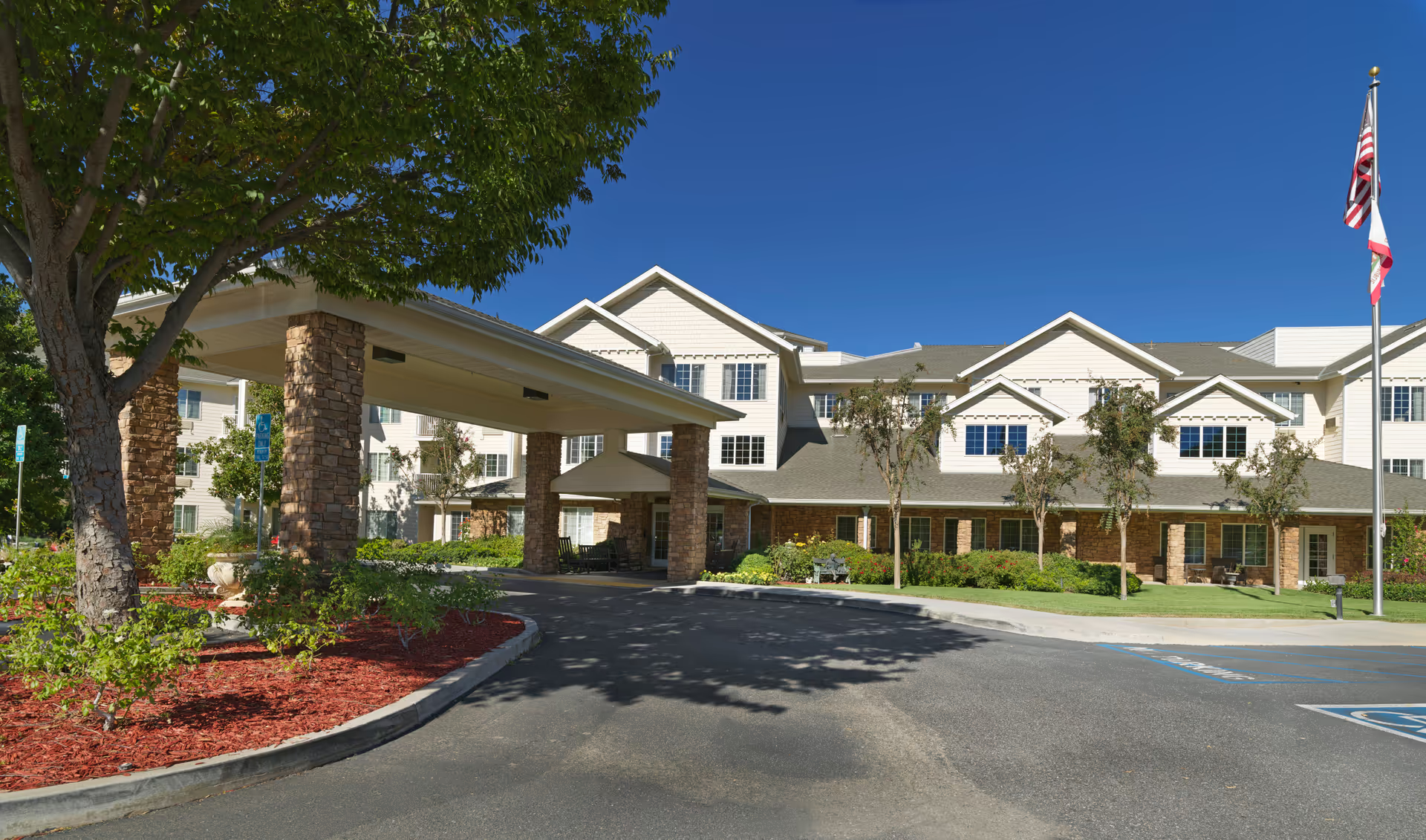
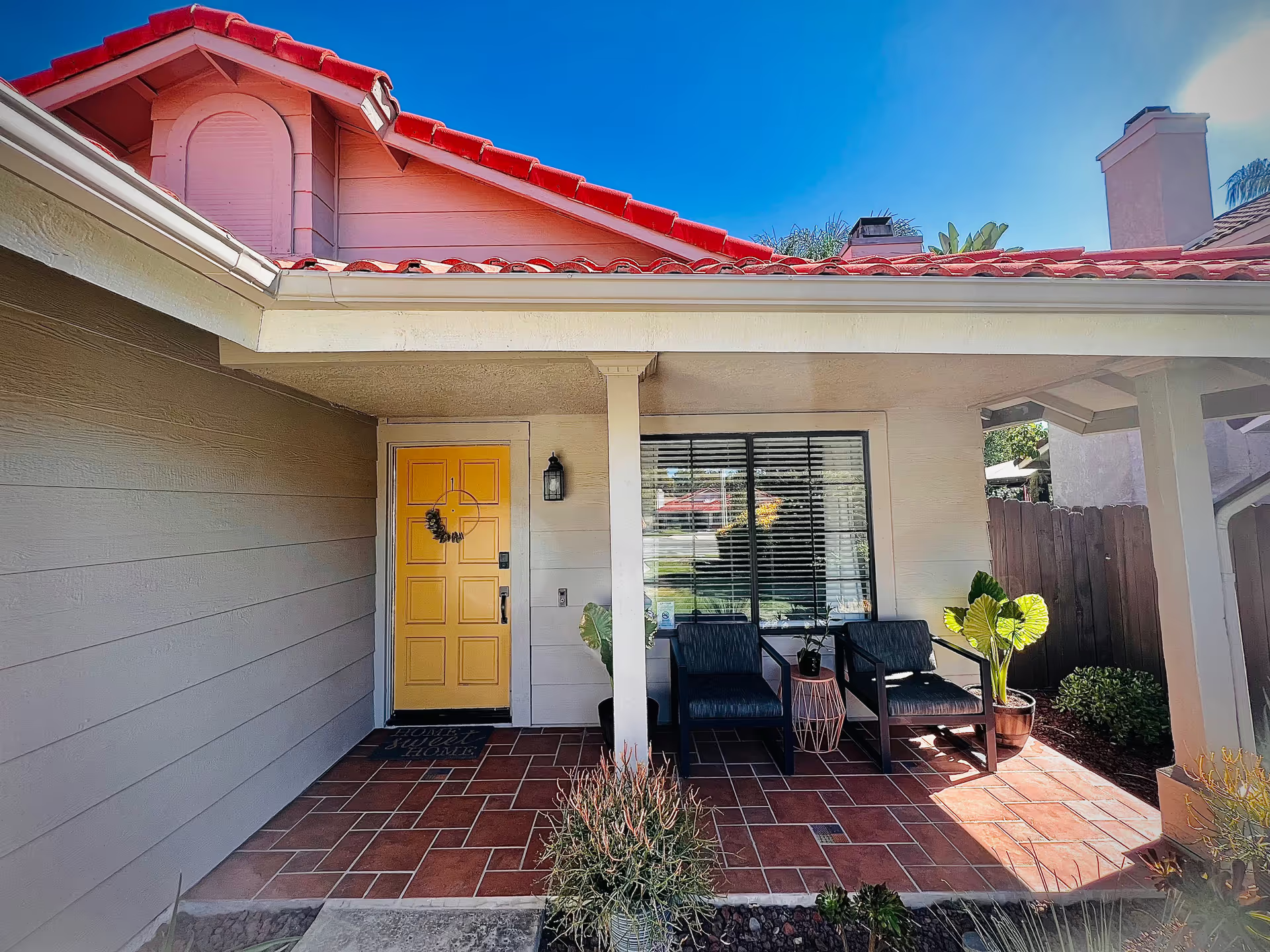
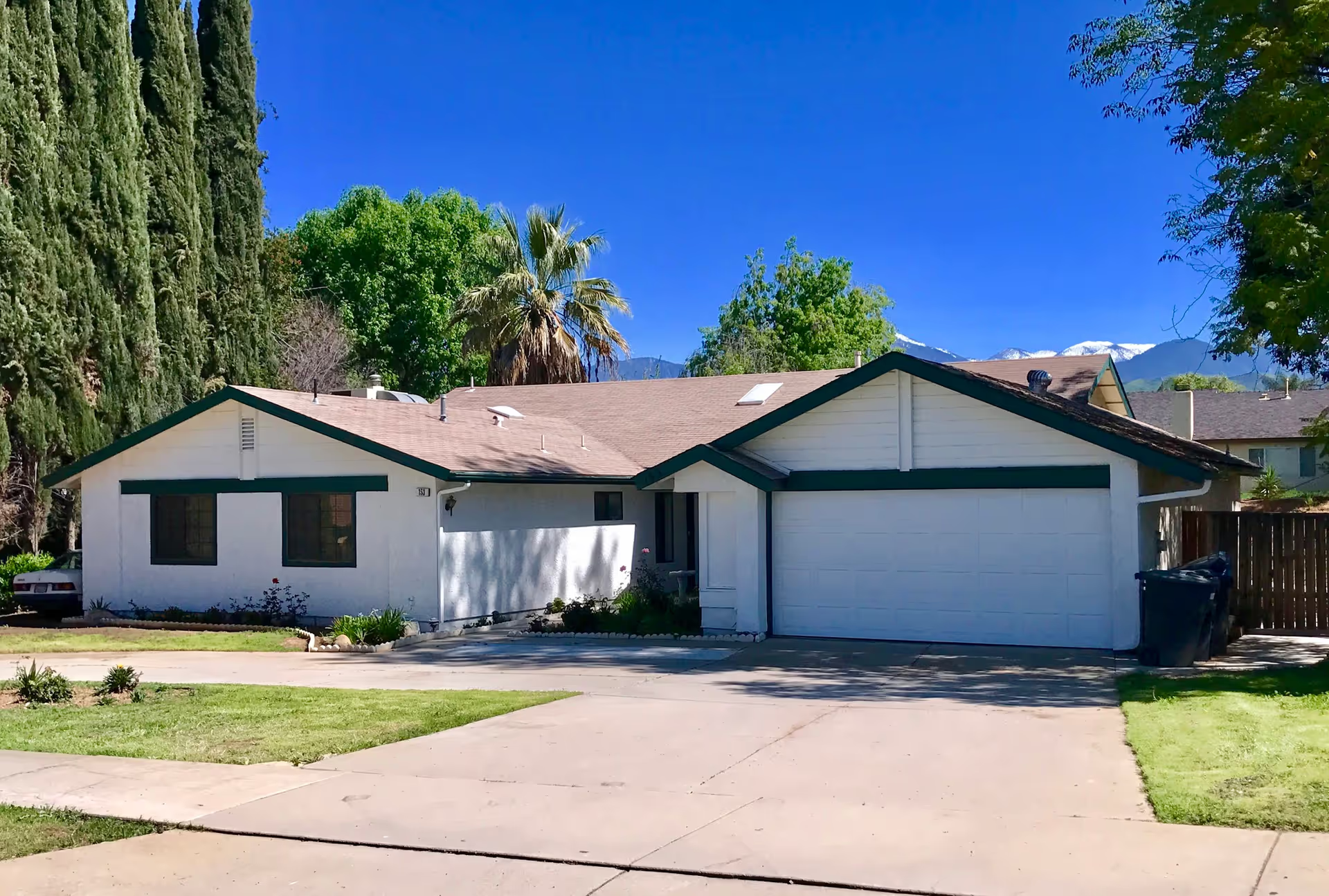
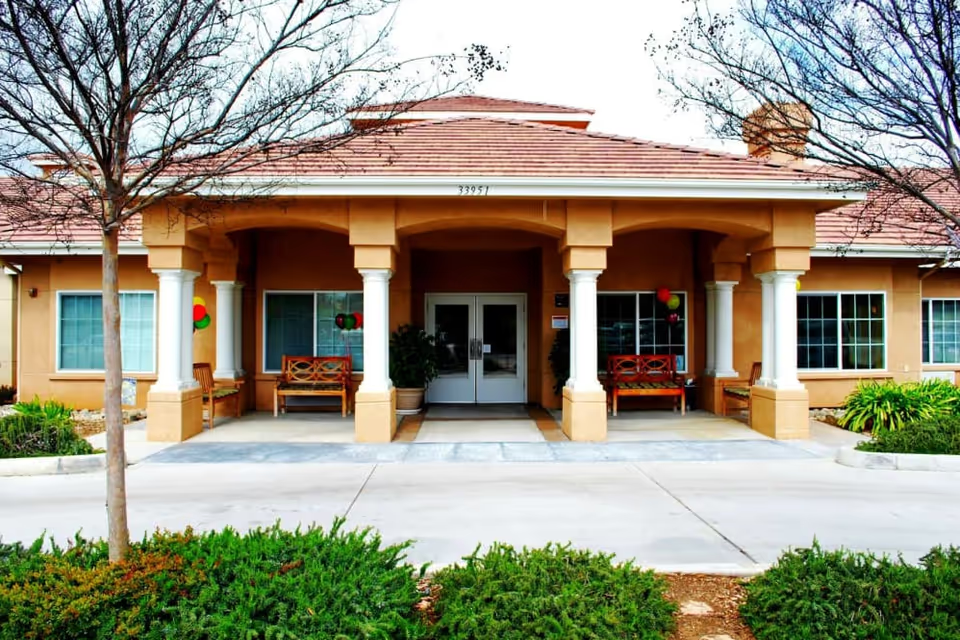
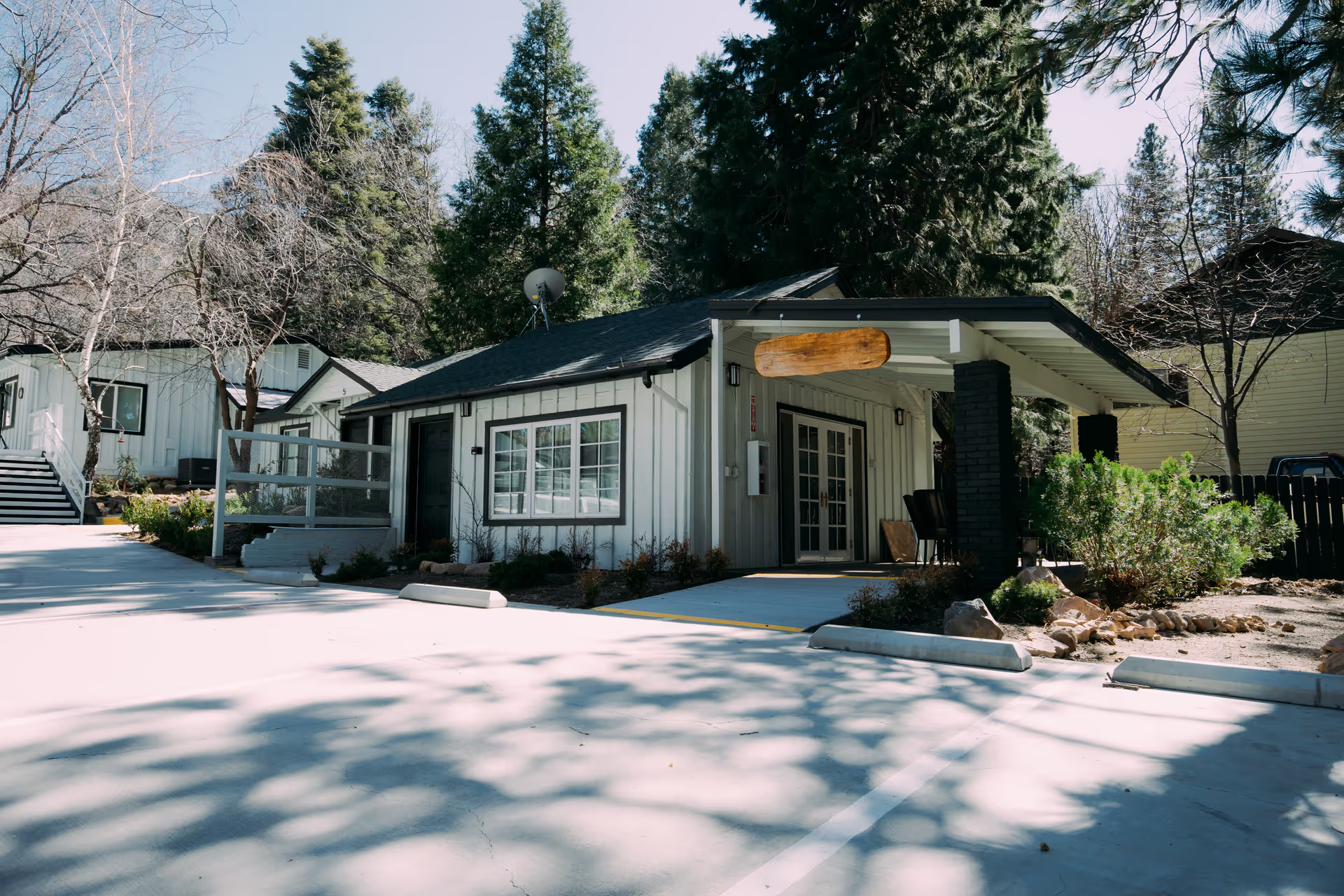
Facilities: The property’s setting is a notable asset — landscaped, park-like grounds with a creek and an on-site fenced pool contribute to an attractive campus. Conversely, reviewers noted unsecured exterior doors and outdoor areas without safety locks, indicating perimeter-security gaps. These environmental-safety issues are particularly relevant for residents with cognitive impairment and should be addressed through clear access-control measures, supervision protocols, and physical upgrades.
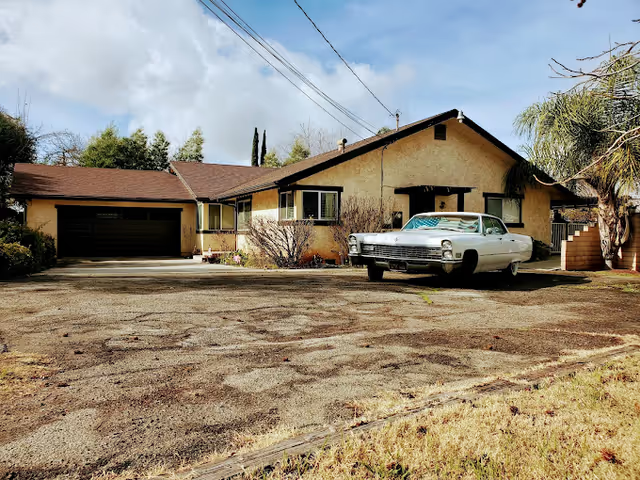
Management and operations: The facility appears to be in demand, as indicated by lack of immediate bed availability and an active waiting list. At the same time, comments about overgrown areas and weeds point to inconsistent grounds maintenance and oversight. Families should discuss management’s maintenance schedules, grounds-keeping plans, and responsiveness to safety or upkeep concerns when evaluating the community.
Notable patterns and recommendations: Strengths center on an appealing, small-scale setting and staff who demonstrate friendliness and engagement. Key operational risks are related to dementia care capability, perimeter security, and exterior maintenance. Prospective residents and families should prioritize conversations about dementia-specific staff training, environmental safety measures (including door locks and supervised outdoor access), maintenance standards, and current occupancy/waitlist policies. If memory-care needs are present, request documentation of staff training, examples of individualized care plans, and tours that include discussion of how the facility manages unsupervised exit risk and outdoor access during daily programming.