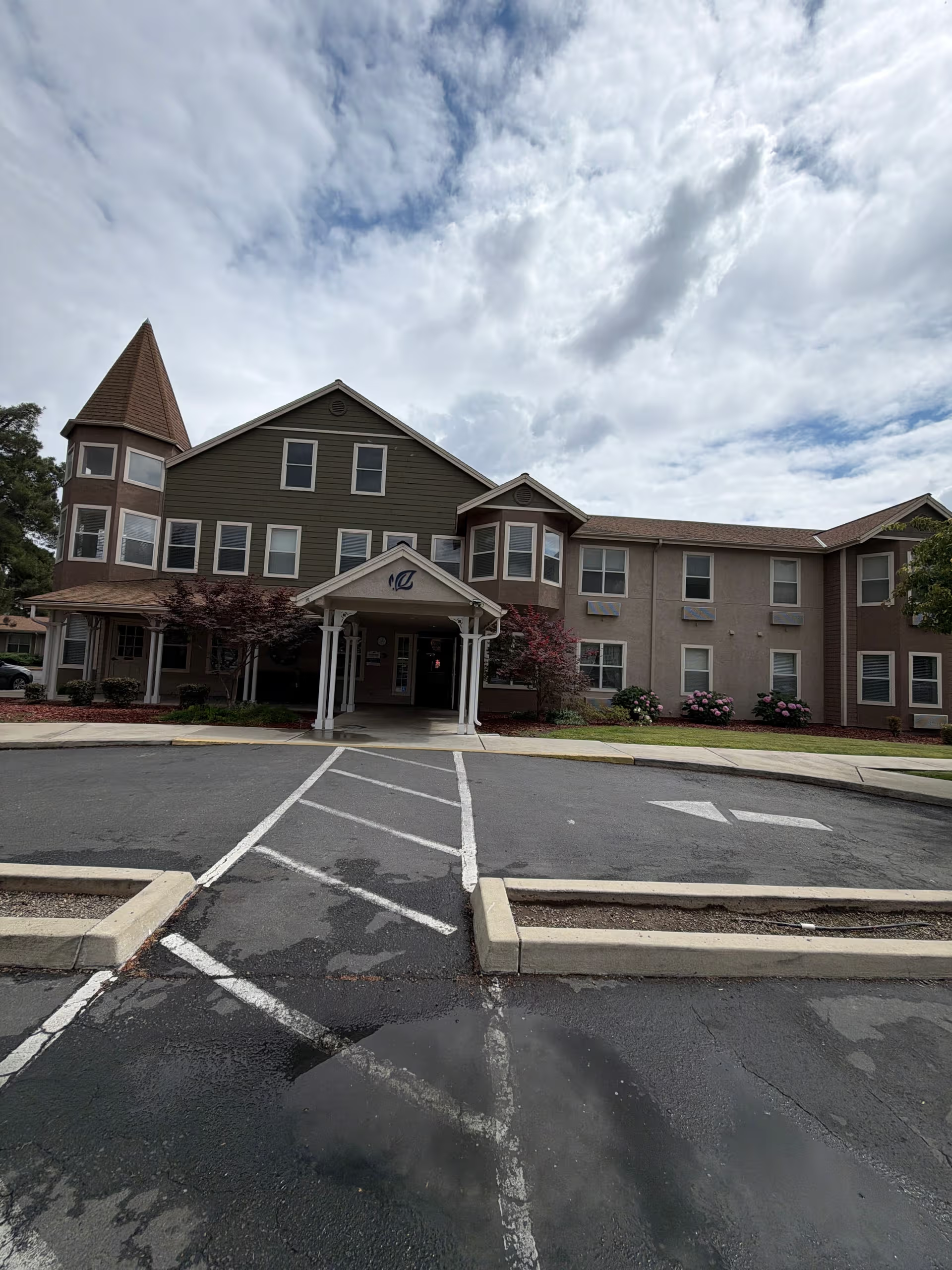
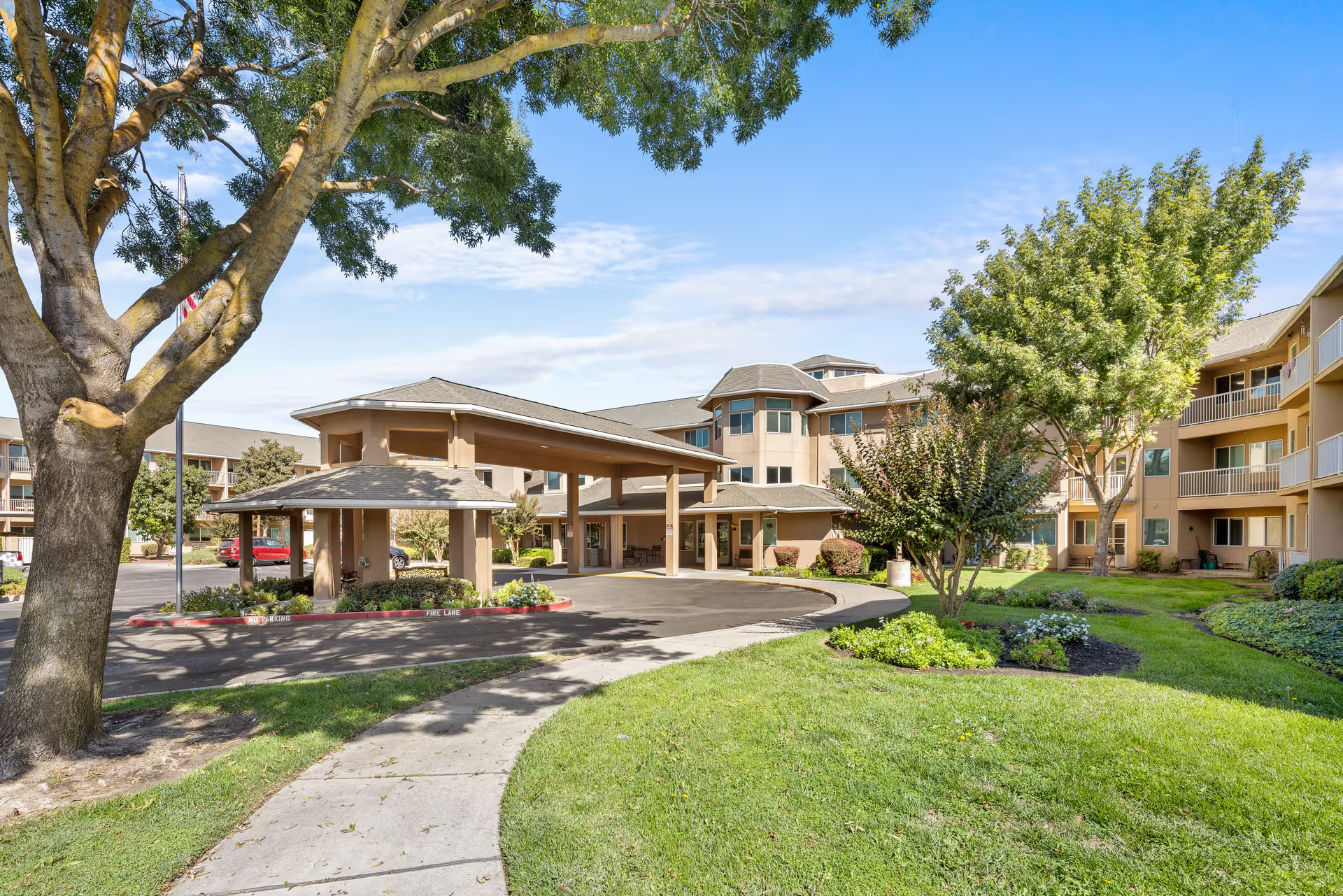
Reviewers’ experiences at Franciscan Post-Acute Care Center present a mixed but explainable pattern: many families praise the clinical and rehabilitative strengths of the facility while a subset raise serious operational and safety concerns. Overall, the facility is frequently described as providing strong post-acute and memory-care services, with several accounts highlighting effective physical and occupational therapy teams, attentive nursing, and a generally welcoming, family-like atmosphere. Multiple reviewers emphasized good discharge coordination, proactive infection-control measures, and regular communication with families.
Staffing and care quality are the most prominent themes. Positive comments point to compassionate direct-care staff, supportive admissions and maintenance personnel, and clinicians who keep families informed. Therapists and certain nurses received repeated commendation for helping residents regain function and preparing them for return home. However, reviewers also describe uneven staff behavior and responsiveness: while some shifts and employees are characterized as highly professional and diligent, others exhibit inconsistent tone, delays in attending to needs, and lapses in supervision. These differences suggest variability in staff performance and coverage across shifts rather than uniform practice.
Dining and activities show similar divergence. Several families praised the activities department, music and group programs, and a secure outdoor area that supports engagement; others found activity offerings limited in certain units. Food quality was described as variable — some reviewers complimented meals, while others wanted greater variety and fresher fruit options. Facility condition is another mixed area: many note the building is clean and well-kept in common areas, but there are also comments about aging infrastructure and cosmetic needs (curtains, paint, updates) that would benefit from attention.
Clinical-safety and operational concerns raised by a subset of reviewers warrant careful inquiry by prospective families. These include sanitation and odor concerns in some areas, inconsistencies in medication and oxygen-line handling, and perceived delays in clinical incident response or family notification. A few reviewers described severe individual incidents and used terms that imply potential legal or regulatory follow-up; such accounts are not the facility-wide norm in the reviews but are serious enough that they merit verification during a visit.
Management and communication receive both praise and critique. Several reviewers singled out administrators, unit supervisors, and specific nurses for clear, compassionate leadership and timely updates. Others indicated gaps in physician communication and variability in documentation and follow-through. There are mentions of a management change by name, which some reviewers referenced when questioning prior ratings; prospective families should confirm current leadership and ask about staffing stability.
Recommendations for prospective residents and families: schedule an in-person tour that includes a mealtime observation, a review of recent staffing levels and turnover, questions about clinical-incident protocols and family notification practices, and a discussion of medication/oxygen-management safeguards. Ask to meet therapy staff and unit supervisors, and request examples of activity schedules. These steps will help clarify whether the aspects praised by many families are consistent with current operations and whether the operational gaps noted by others have been addressed.