The reviews for Golden Merced Care Center present a mixed picture: many accounts highlight strong therapeutic outcomes, individual staff members who provide attentive and compassionate care, and an effective admissions/social-services team, while a substantial number of reviews describe operational shortcomings that affect day-to-day care. Overall, rehabilitation and therapy services are a consistent strength; multiple reviewers credit physical and occupational therapy with measurable improvement and successful short-term rehab discharges. Several reviewers also singled out admissions and social-services staff for responsiveness and assistance, and hospice/end-of-life support received positive mention in several cases.
Care quality appears uneven. Positive experiences emphasize kind nursing staff and CNAs who meet residents’ needs, especially on certain shifts. Conversely, a recurrent theme is variability across shifts: morning coverage is frequently described as stronger than night coverage, and families describe long delays in clinical response to call buttons and emergent requests. Reviewers raised concerns about missed or delayed medications, gaps in documentation and care-plan review, inconsistent diabetes management, and interruptions in basic hydration/nutrition support. These operational gaps have prompted some families to seek external advocacy or ombudsman involvement.
Staffing, communication, and conduct are central patterns. Many comments praise individual employees who go above and beyond; the admissions/social-services team and certain CNAs and nurses receive particular commendation. At the same time, reviewers report problems with phone responsiveness, an unattended front desk at times, inconsistent follow-up from caseworkers, and barriers to effective family communication. Language and translation support was described as inadequate during some critical events, which compounded communication difficulties for non–English-speaking residents and families.
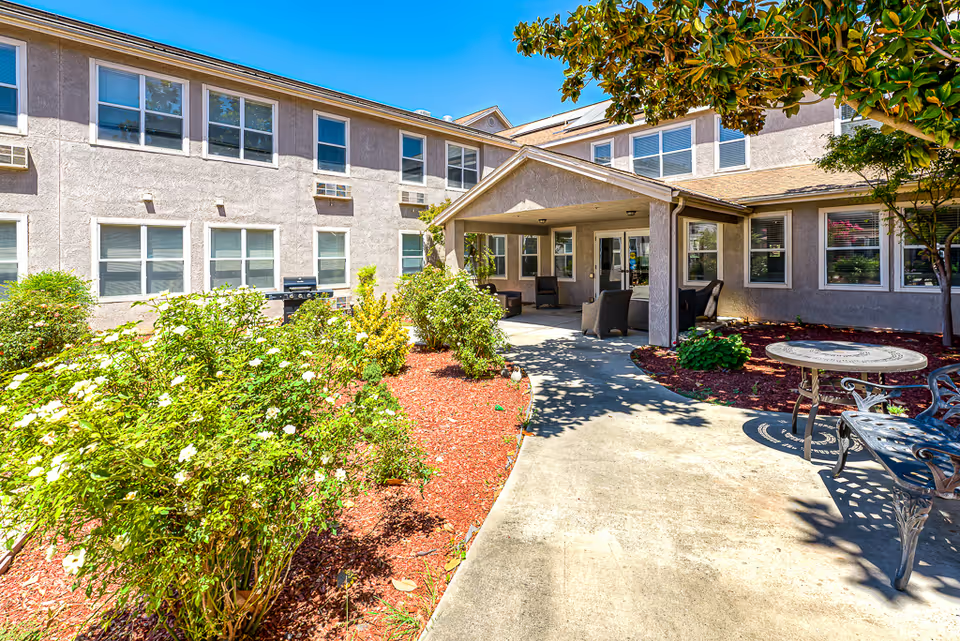
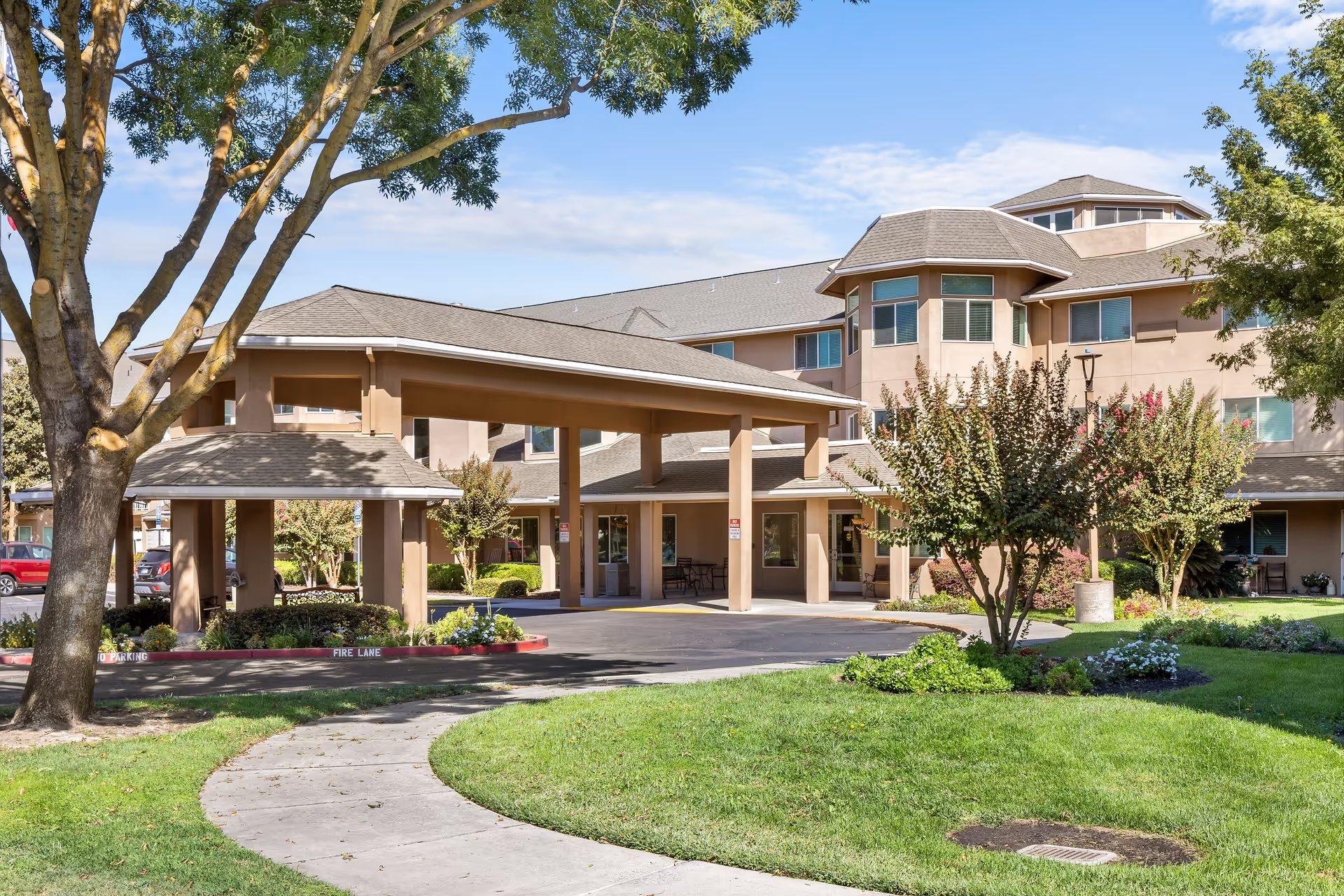
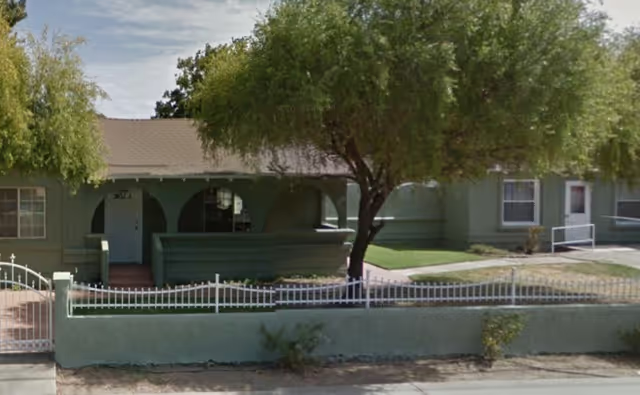
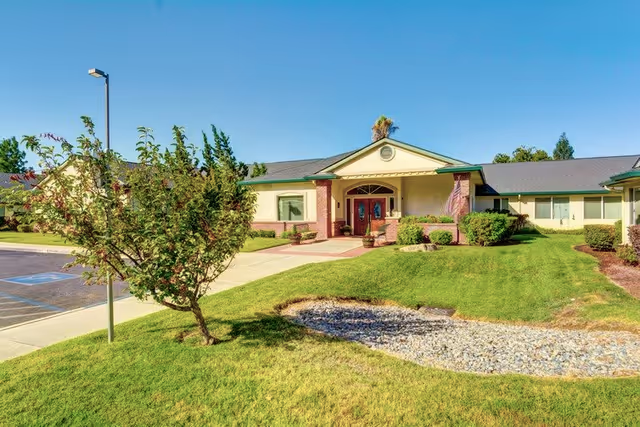
Facility, maintenance, and safety issues are also described variably. Positive remarks highlight clean, well-kept common areas and an orderly environment in parts of the campus. However, other reviews describe outdated resident rooms and motel-like aesthetics, intermittent maintenance problems (including HVAC/temperature control and broken entry doors), sanitation concerns in some units, and weaknesses in security and room-assignment processes that allow unsupervised hallway wandering. Reviewers also noted inconsistent meal quality and occasional deviations from advertised dining offerings.
Management and operational practices appear to drive many of the negative patterns. Understaffing and schedule gaps are repeatedly linked to delayed responses, inconsistent hygiene and incontinence care practices, and lapses in medication administration and documentation. Inventory-control and personal-property protocols were questioned where families reported missing items; those concerns were characterized by some reviewers as allegations that merit further scrutiny by prospective families or regulators. Positive management signals include instances of organizational improvement after staff changes and accounts of administrators facilitating a home-like environment and staff recognition.
For prospective residents and families: the facility shows clear strengths in rehabilitative care, individual compassionate caregivers, and an engaged admissions/social-services team. At the same time, consistent themes of staffing variability, response-time delays, communication shortfalls, environmental maintenance issues, and language-support gaps indicate operational risks that could affect daily comfort and clinical safety. Families considering placement should ask specific, current questions about staffing ratios and shift coverage, call-button response times, medication-administration and documentation practices, language-interpretation availability, recent sanitation and maintenance audits, and how the facility handles lost-property or financial concerns. Visiting in person and speaking with the admissions team and current families across different shifts will help clarify how the facility’s strengths and weaknesses align with a prospective resident’s needs.