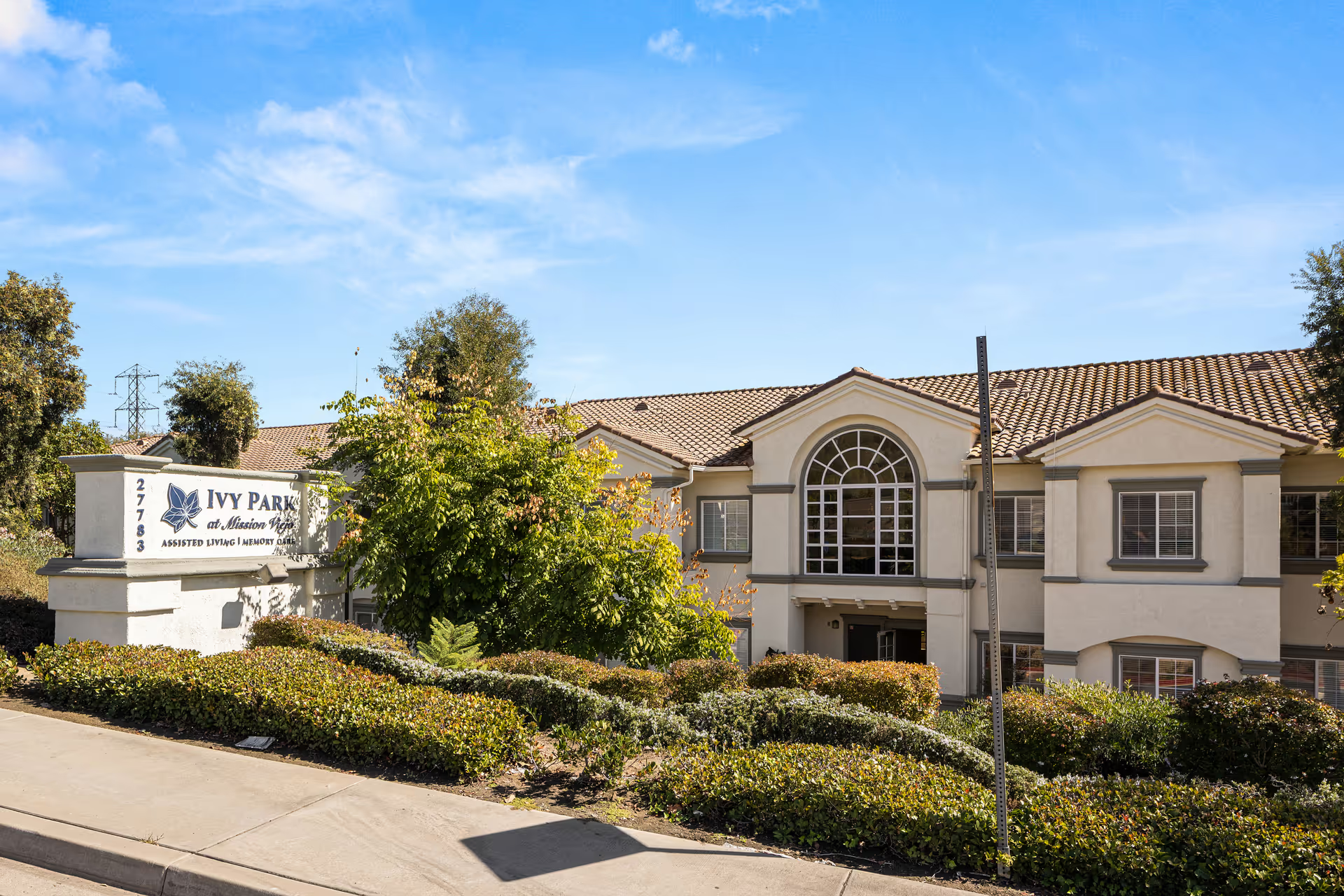
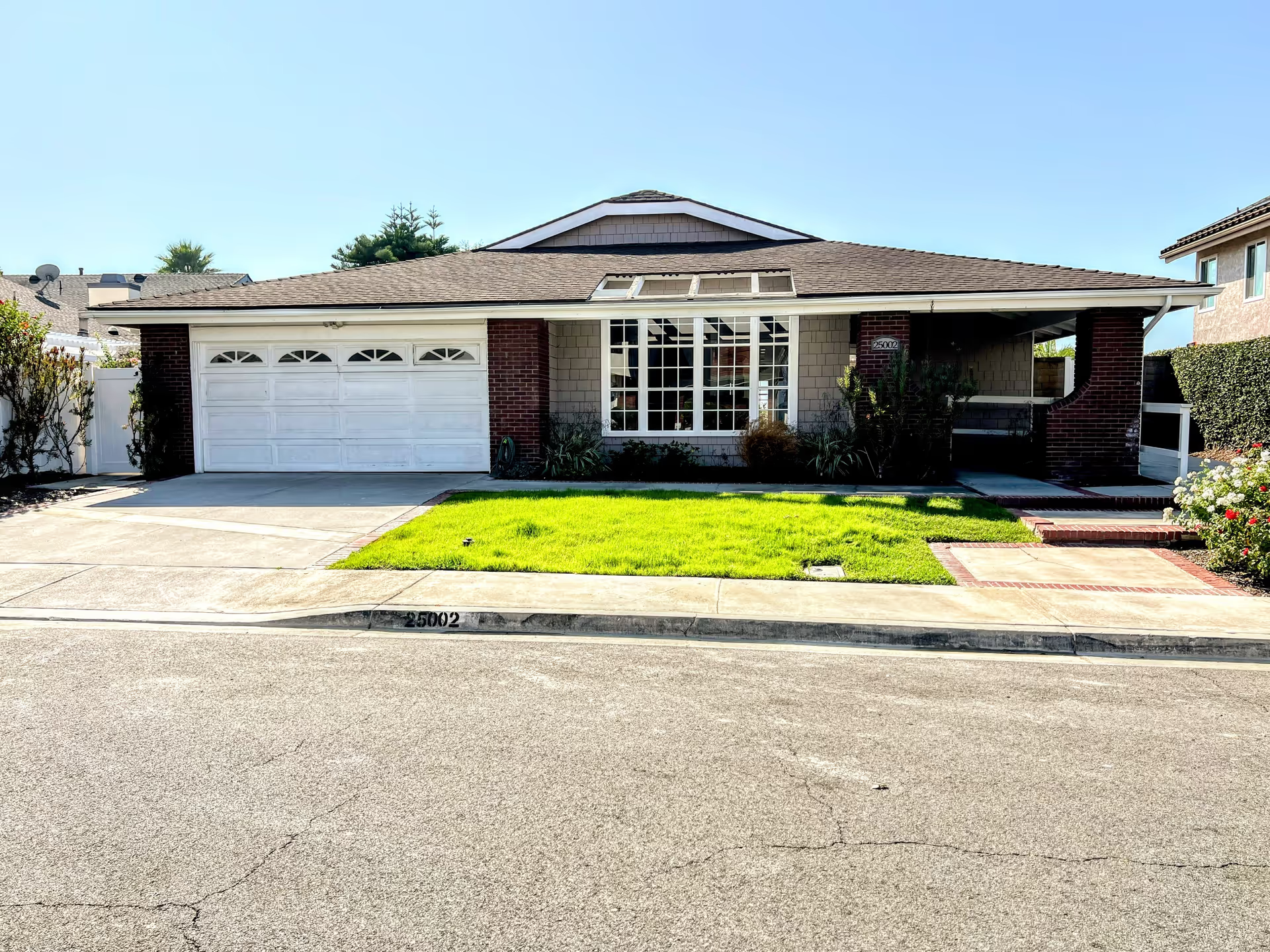
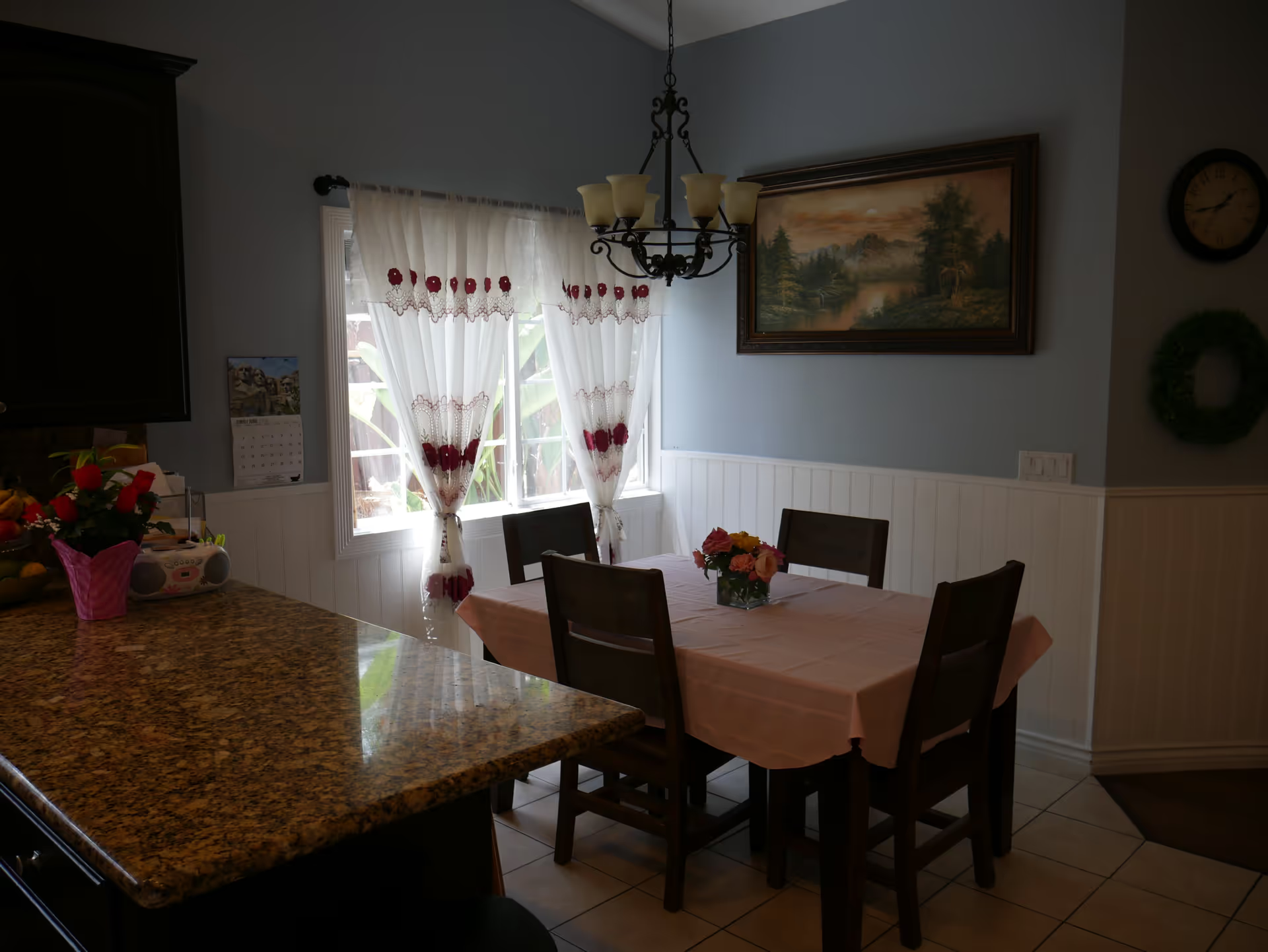
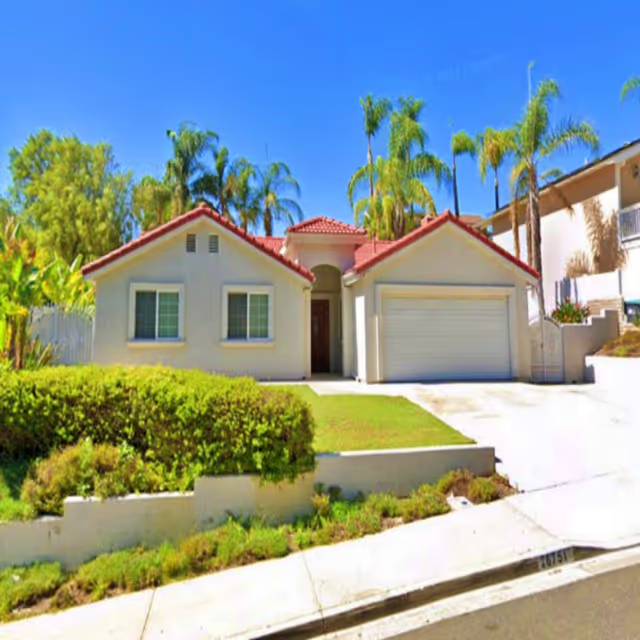
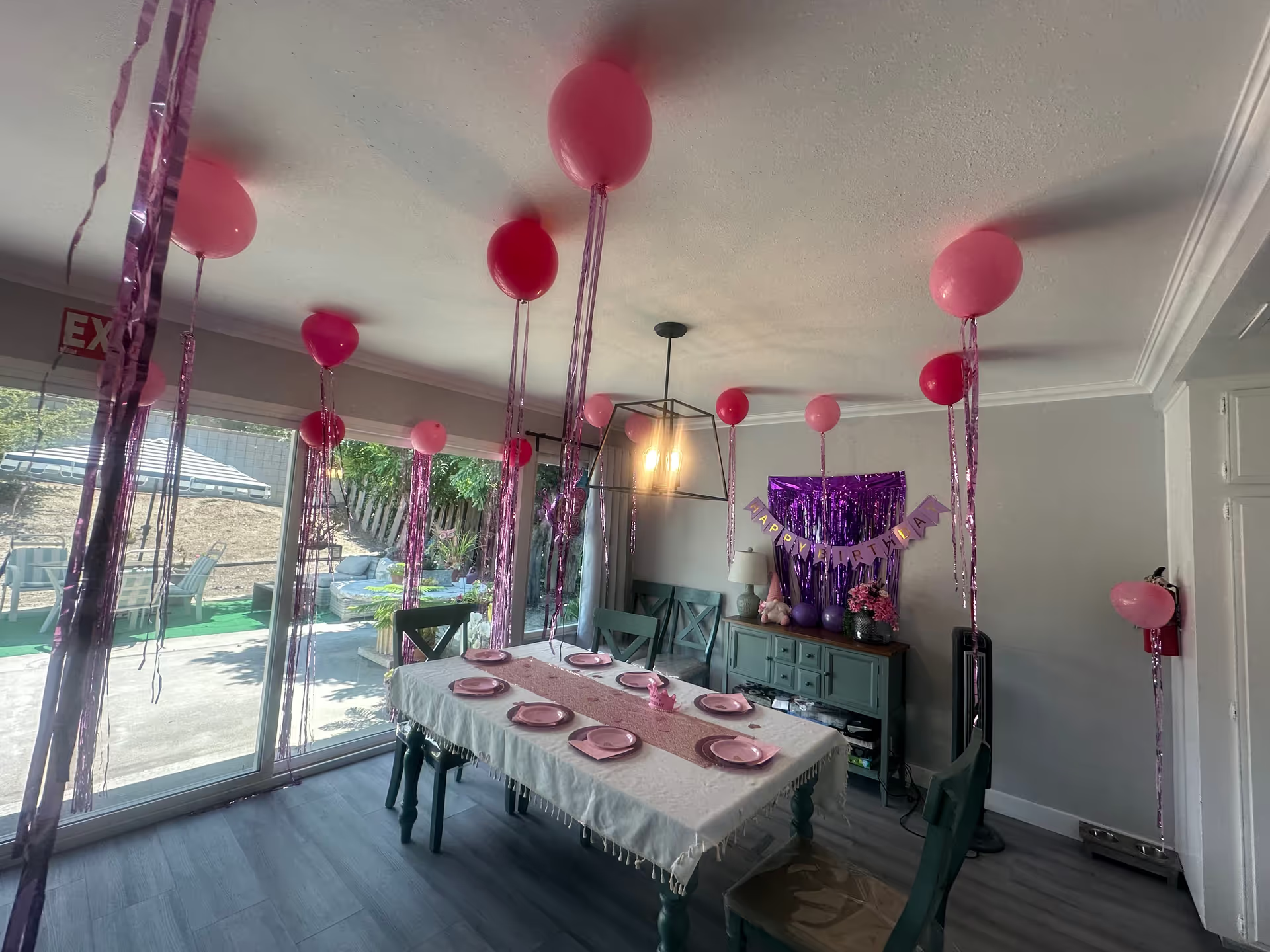
Overview: Reviews present a mixed picture. Positive comments emphasize a clean, orderly environment and a staff described as attentive and detail-oriented, which families said contributed to a sense of safety and peace of mind. At the same time, several accounts raise operational concerns around clinical oversight, therapy availability, infection response, and communication.
Care quality and clinical issues: A recurring clinical concern centers on medication management and its apparent impact on residents' alertness, speech, and mobility. Families also described declines in functional status while in residence, which reviewers attributed in part to limited or insufficient rehabilitation and therapy services. In addition, there are concerns about how infection events were handled; reviewers referenced a COVID outbreak and associated adverse outcomes, and these reports highlight gaps in outbreak response and post-incident clinical communication. Together these items suggest the need for careful inquiry into medication protocols, therapy plans, and clinical-incident response procedures.
Staff, daily life, dining and activities: Staff are commonly described as personable, hardworking, and detail-oriented. Cleanliness and facility presentation are consistent positives in the reviews. There is limited specific information about dining quality and organized activities in the summaries provided; however, the reported shortfalls in therapy and rehabilitation could indicate reduced opportunities for restorative activity or engagement for some residents. Prospective families may want to ask about daily schedules, activity programming, and how therapy goals are set and monitored.
Facilities and management: The owner is repeatedly noted as personally engaged and pleasant, but there is a countervailing perception of cost-focused management and constrained resource allocation. Reviewers referenced rent increases during residency and described the owner as tight-fisted, which frames pricing stability and transparency as an operational concern. Communication gaps between families and the facility leadership were also cited, especially around clinical incidents and financial changes. These patterns point to the importance of clarifying billing policies, escalation paths for clinical questions, and how the facility communicates during health events.
Notable patterns and questions for families: The dominant positive themes are cleanliness and a committed caregiving staff. The dominant concerns are medication oversight, limited therapy provision, infection-control response, and inconsistent communication and pricing practices. Families considering this facility should request written policies on medication management and therapy plans, ask for recent infection-control protocols and outcomes, review contractual terms for fees and rent adjustments, and establish preferred communication channels with management and clinical staff.