Overall impression: Bayside Care Center receives a mix of strong praise and serious concerns. Many families highlight clear strengths in rehabilitation, hands-on caregiving, and facility upkeep; several others raised clinical-safety and operational issues that warrant careful consideration. The facility appears to deliver meaningful functional improvements for some residents while exhibiting variability in certain core clinical and service processes.
Care quality and clinical concerns: The center is frequently commended for its rehabilitation services and physical therapy, with multiple mentions of staff helping residents regain independence. The caregiving team (CNAs, LVNs, RNs) and therapists are described as attentive and effective in supporting recovery goals. However, a subset of reviews describes events that indicate gaps in acute clinical monitoring, medication oversight, and timely escalation to hospital-level care. Specific operational concerns include inconsistent reassessment of acute conditions (for example, blood-glucose monitoring practices), medication-management controls, and variability in pain-management approaches. Prospective families should ask about clinical protocols for monitoring, medication reconciliation, and escalation/transfer procedures during a tour.
Staffing, communication, and management: Reported strengths include compassionate, cohesive staff teams, individualized gestures from staff and leadership, and an admissions process many found helpful. Leadership and some administrators are singled out positively for accommodation and responsiveness. At the same time, reviewers point to variable communication from social services and at least one instance of an unfriendly or evasive interaction; this suggests that family-facing communication can be inconsistent in tone and responsiveness. Inquiring about the facility’s social-work processes, family-communication policies, and who will be the primary point of contact can clarify expectations.
Dining and activities: The facility is credited for accommodating individual food preferences and providing occasional outings or treats through neighboring amenities. Conversely, reviewers also describe inconsistent meal quality and occasional dissatisfaction with food. Activities and the outdoor setting are generally seen as assets—grounds are described as attractive and outings are arranged—though the site’s hillside location and limited outdoor area may constrain outdoor access for some residents.
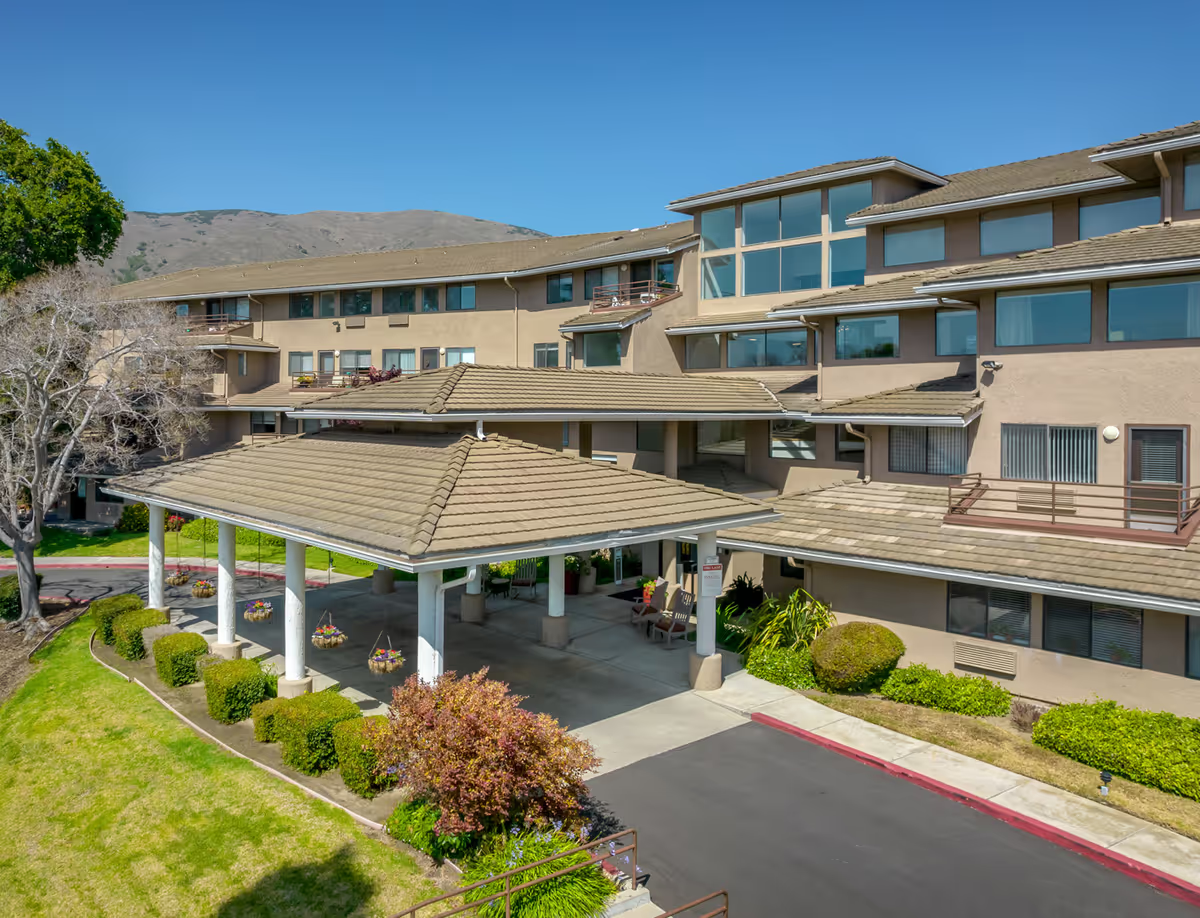
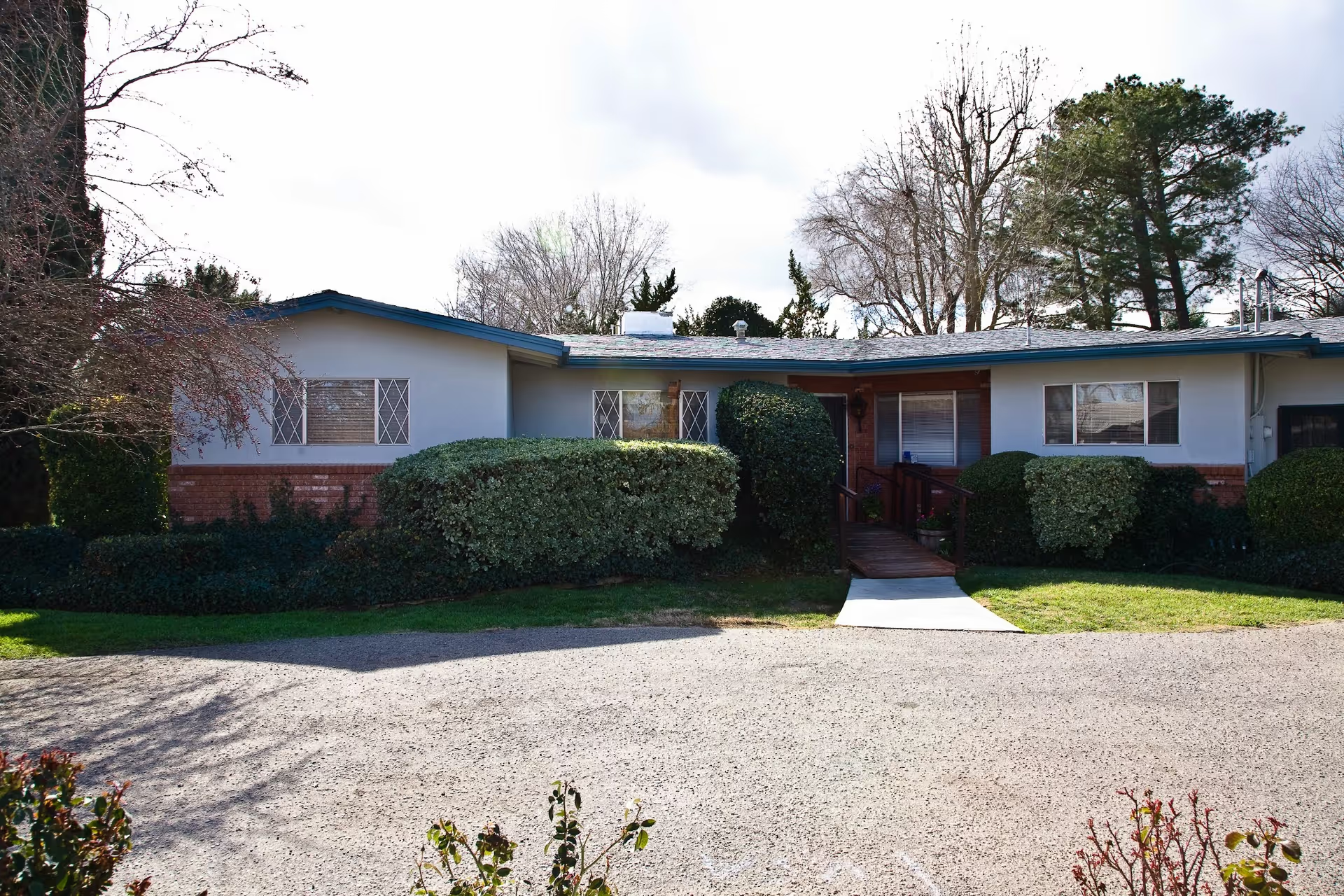
Facilities and environment: Many families praise cleanliness and well-maintained interior spaces. Rooming is often semi-private, and some units lack en-suite bathrooms, which may be important for privacy considerations. Nighttime noise is reported as an intermittent issue impacting rest. Prospective residents should verify room types, bathroom arrangements, night staffing/noise mitigation, and daily schedules during a visit.
Patterns and recommendations for families: The dominant positive themes are strong rehabilitation services, compassionate staff, and a clean, welcoming environment. The dominant risks described relate to clinical monitoring, medication practices, and variable family communication. When evaluating Bayside Care Center, families may want to: request written clinical protocols for monitoring and escalation, review medication-management and pain-management policies, ask for examples of social-services communication procedures, confirm room and bathroom availability, and observe evening/night routines for noise and staffing. These focused questions can help balance the facility’s rehabilitative strengths against the operational areas that reviewers identified as inconsistent.