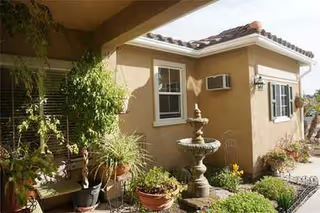
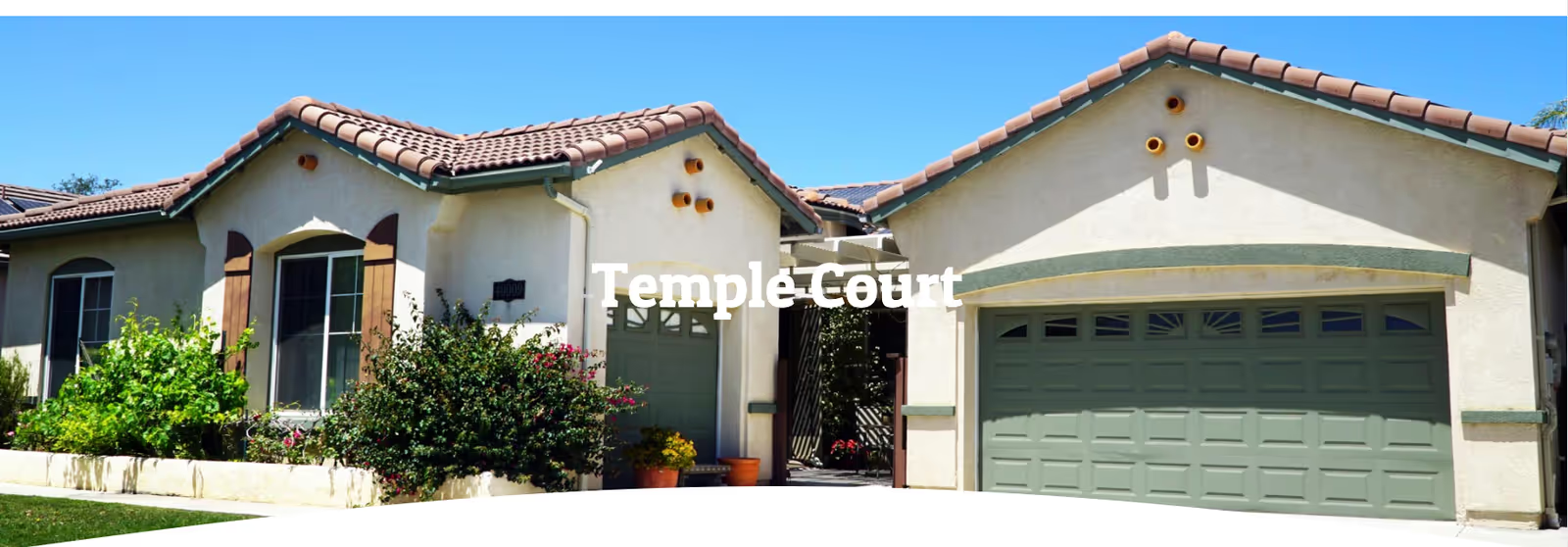
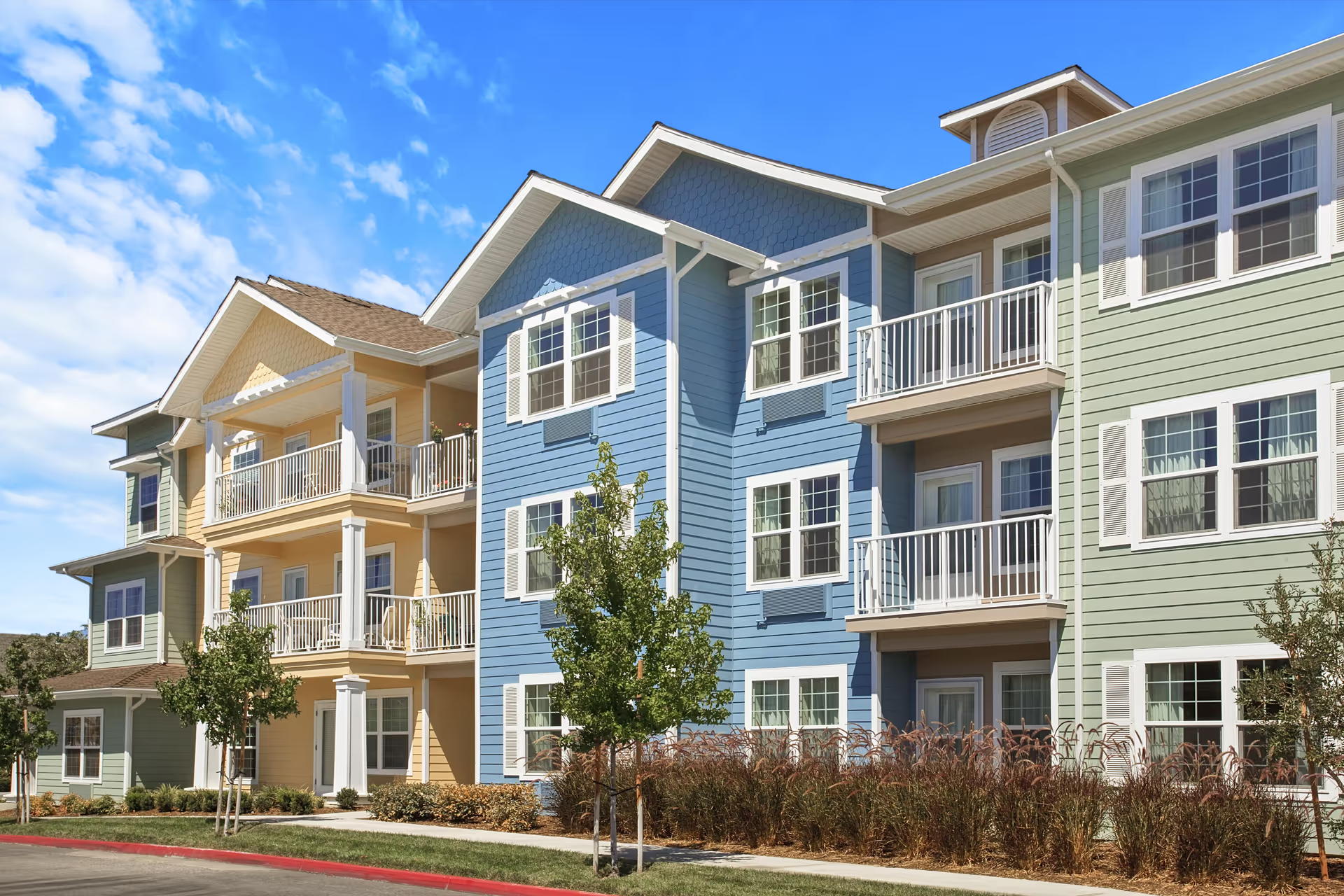
Overall impression: Beverly Oaks presents as a small, family-owned memory-care community that many families characterize as warm, clean, and relationship-oriented. The facility's size and ownership model contribute to a homelike atmosphere, accessible leadership, and frequent staff–family interactions. Private rooms and a generally well-maintained property are recurring positives, and reviewers commonly describe residents as appearing comfortable and engaged.
Care and staffing: Direct-care aides and caregivers receive consistently positive commentary for being kind, patient, and attentive; many reviewers singled out staff who “go above and beyond.” At the same time, there are recurrent operational concerns around clinical staffing continuity—nursing vacancies, turnover, and staffing shortages were linked to slower response times and uneven clinical follow-through. These gaps have been associated with delayed medication administration and coordination issues between nursing and outside home-health providers. Hospice services are accommodated and generally described as integrated and supportive when in place.
Dining: The dining program is a clear strength for many families: a dedicated chef, multiple entrée options, and positive mentions of specific menu items were common. Meal assistance and escorted dining are provided and noted as helpful for resident intake. A minority of comments indicate variability in food quality, suggesting inconsistent culinary execution or differences in individual taste that prospective families may want to sample during a visit.
Activities and social life: Activity offerings are a frequently cited positive, with arts-and-crafts, daily exercise, games, outings, and organized social opportunities helping residents remain engaged. Staff involvement in programming and efforts to promote socialization contribute to the community’s homelike feel and resident well-being.
Facilities and cleanliness: Many reviewers describe rooms and the overall facility as extremely clean and orderly, with a safe and secure environment. A few notes mention common-area maintenance or housekeeping inconsistencies, so the level of upkeep can vary between areas or over time.
Management and operations: Leadership accessibility and hands-on involvement by the executive team are strengths; several families appreciated direct communication with directors and owners. However, operational areas that merit attention include billing transparency and move-in/transition support—final bills and setup assistance were described as unclear or insufficient in some cases. Additionally, facility policies (for example, restrictions on personal food or beverages) and perceived limits on available services led to mismatched expectations for a subset of families. There are also isolated comments about management turnover and occasional lapses in staff professionalism, indicating variability in experience.
Notable patterns for prospective families: Beverly Oaks tends to perform well where close staff–family relationships, engaging activities, and a homelike environment are priorities. Prospective residents with memory-care needs and families seeking an intimate community often report strong satisfaction. Those whose primary concerns are consistent clinical nursing coverage, tightly managed medication schedules, or extensive in-house clinical services should probe staffing models, nurse availability, and medication protocols during tours. It is advisable to request a meal tasting, ask about recent staffing stability, clarify billing procedures, and review policies on personal items to ensure alignment with family expectations.