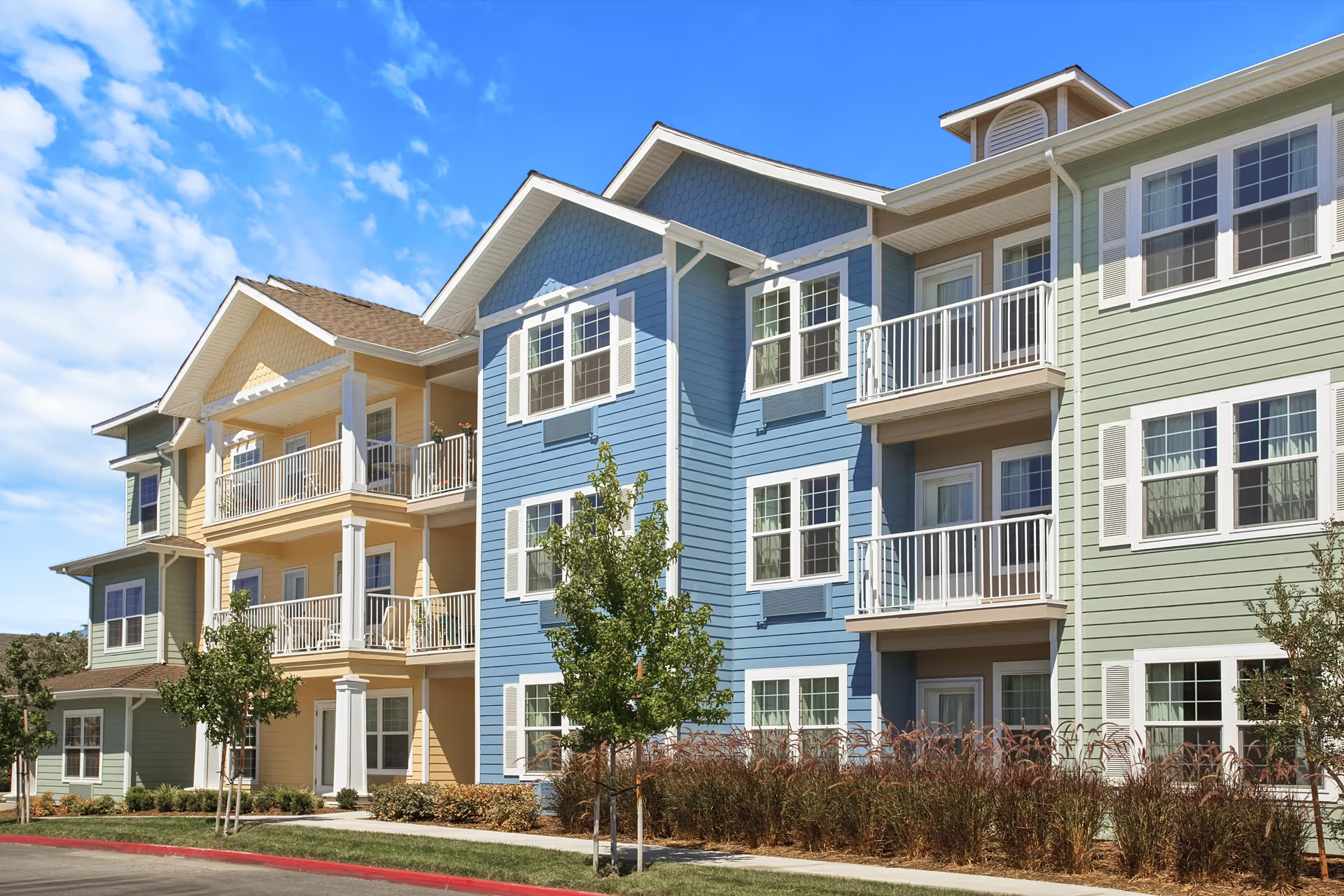
Vineyard Place is described overall as a bright, well‑maintained memory‑care community with a resort‑like atmosphere and a strong emphasis on social engagement. Reviewers consistently praise the facility’s physical environment — new, clean, well‑lit buildings, secured courtyards, single‑floor memory care, and amenities such as a salon and organized move‑in support. Many families highlight a home‑like culture in which staff greet residents by name and a visible effort is made to sustain resident dignity and activity participation.
Care quality and staffing receive mixed but generally positive comments. A substantial portion of feedback praises compassionate, dementia‑trained caregivers, supportive directors, and attentive housekeeping and clinical aides. Families frequently note that staff know residents personally, provide individualized attention, and are responsive in routine situations and during prolonged stays. At the same time, there are recurring operational concerns: staffing consistency varies, with short‑staffing reported during busy times or weekends and some caregiver turnover that affects continuity. Several accounts indicate variability in dementia‑care execution across shifts, and a few describe inconsistent adherence to personal‑care schedules.
Clinical coordination and communication are important patterns to note. Many reviewers commend onsite medical services and timely responses to routine clinical needs, but others describe gaps in medication management, hospice coordination, and follow‑through after hospital transfers. Family communication is likewise mixed: some families report clear, timely updates and an accessible executive director, while others describe missed calls, delayed email responses, and inconsistent administrative follow‑up. These contrasts suggest that leadership responsiveness can be strong but may not be uniformly experienced.
Dining and activities are frequent strengths, with multiple mentions of a skilled chef, restaurant‑style dining, room‑service options, and varied programming (music, exercise, movies, outings). Still, reviewers occasionally note inconsistent meal quality and desire for activities that better include hearing‑impaired residents or those needing higher levels of supervision. Housekeeping and the overall sanitation of the facility receive high marks from many families, though a few describe localized sanitation or odor concerns in common areas that merit attention.
Safety and security merit targeted review during a tour. Most reviewers feel residents are safe and well supervised inside secured areas, but isolated reports of personal‑property loss and lapses in supervision after acute events point to gaps in operational controls. Prospective families should discuss medication‑management protocols, hospital‑return policies, staffing ratios during peak times, and measures for safeguarding resident belongings.
In summary, Vineyard Place presents as a strong memory‑care option with many demonstrable strengths in environment, staff training, activities, and dining. However, the facility shows some variability in operational consistency — particularly around staffing stability, family communication, clinical coordination, and occasional personal‑care scheduling. Families considering Vineyard Place should weigh the facility’s clear strengths against those operational items, and during a visit ask specific questions about staffing patterns by shift, clinical escalation and medication protocols, communication practices, and security measures to determine the fit for their relative’s needs.