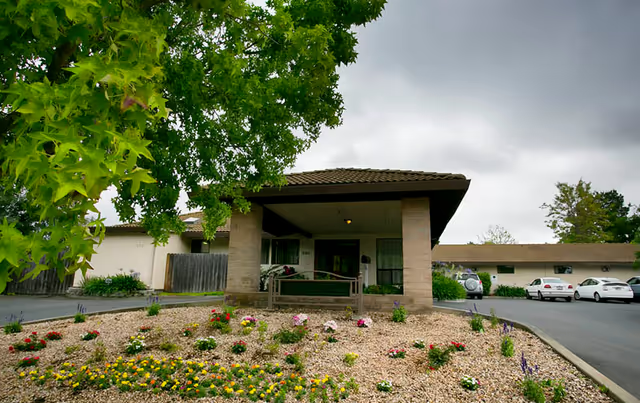
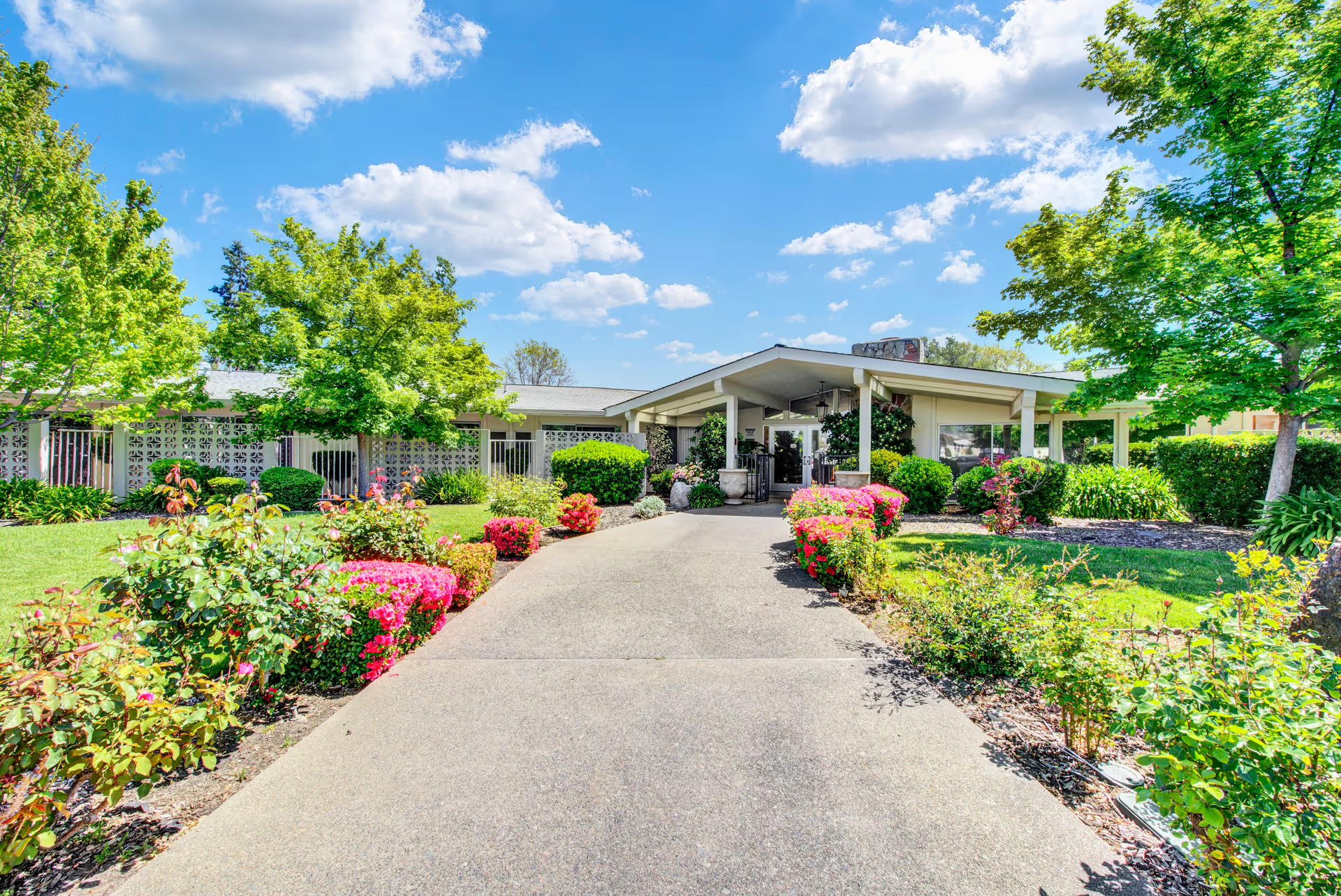
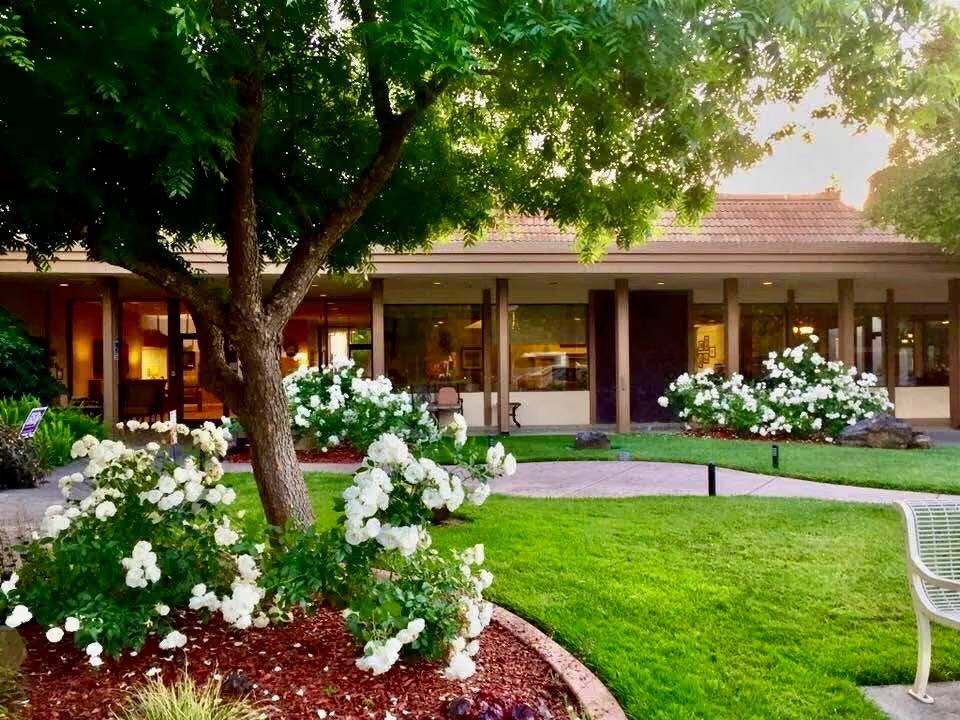
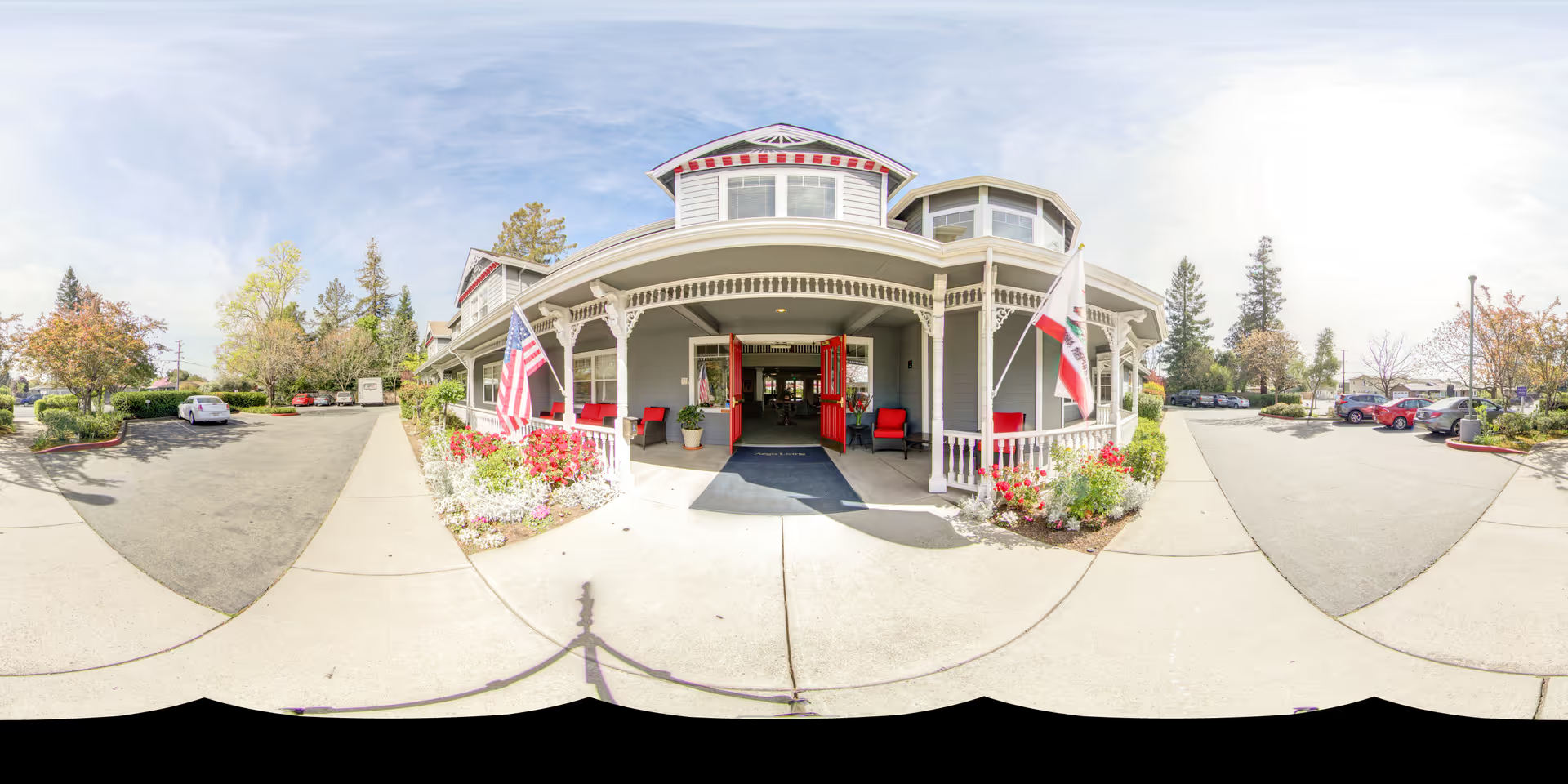
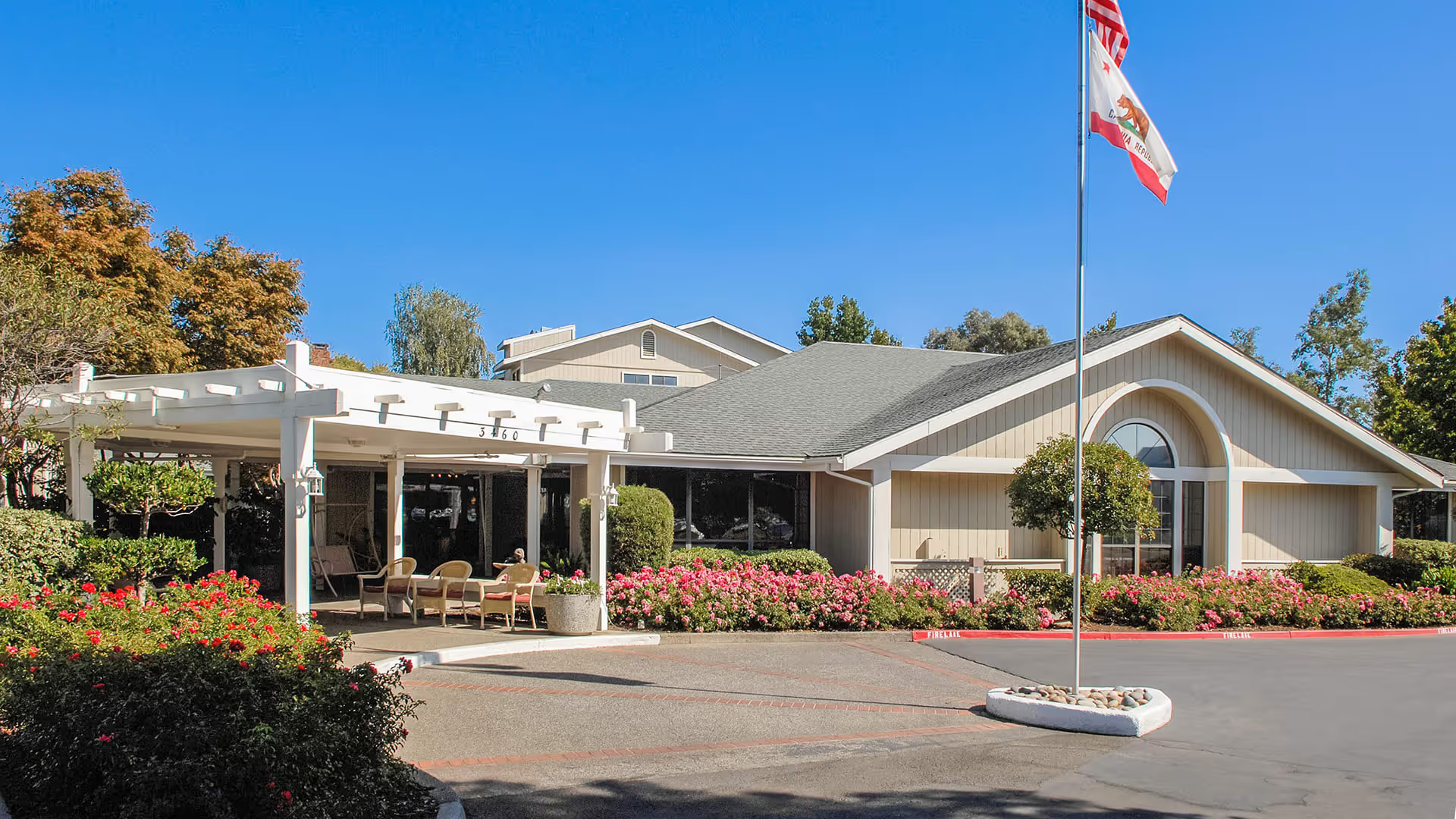
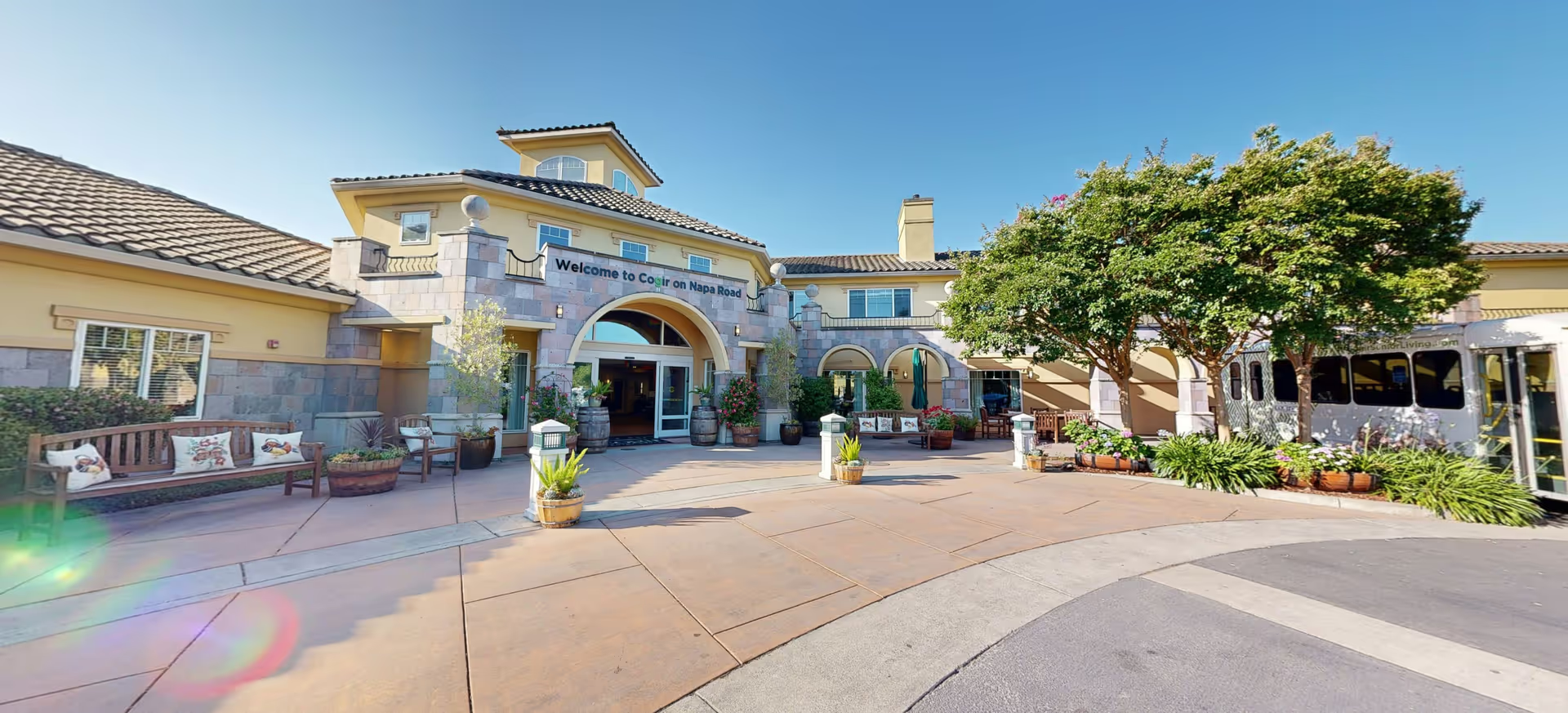
The Meadows of Napa Valley presents as an upscale, resort-style senior living campus with extensive, well-tended grounds and a clearly prioritized aesthetic. Commonly cited strengths include attractive landscaping and walking paths, multiple outdoor recreation options (pool, putting green, bocce), and a hotel-like interior in renovated sections. Apartment offerings range from studios to large two-bedroom units, and many reviewers noted roomy, modern-feeling suites. The facility maintains several dining venues, an on-site café/restaurant, and an active calendar of social programs that include live entertainment, outings, clubs, and regular exercise and wellness classes.
Staff interactions are generally described as friendly and professional; front-desk and support staff receive positive mentions for being helpful and organized. The campus also has a recognized strength in rehabilitation services—skilled nurses and therapists are credited with effective short-term rehab that helps residents return home. At the same time, families and visitors described a mismatch between expectations for assisted living and the level of hands-on care actually provided: assisted-living units can feel more like independent living, and some residents are not receiving routine personal-care assistance at the level families expected.
Several operational concerns relate to clinical coverage and emergency procedures. Reviewers expressed that clinical staffing for on-site medical support is limited, and that security personnel have sometimes managed urgent situations in lieu of trained clinical responders. These observations translate to perceived gaps or delays in emergency-response protocols and a need to verify staffing and escalation processes before moving in. The skilled nursing and rehab areas received more favorable comments about clinical competence compared with assisted living.
Dining and food service draw mixed feedback. While many praised restaurant-quality meals, fresh daily menus, and a pleasant dining experience (including table service and wine), others described inconsistent meal quality, menus heavy on carbohydrates with less emphasis on protein, and limited off-hours/snack options. Periodic dining-area construction or service changes have also affected meal continuity for some residents.
Facility management and cost structure are recurring patterns to consider. The community charges significant entry fees and higher-than-average monthly rates, with a history of annual increases and additional fees that some families found burdensome. There are also comments suggesting management places visible priority on curb appeal and landscaping; reviewers recommended prospective residents balance the facility’s aesthetic strengths against operational questions about care and maintenance. Cleanliness and maintenance issues were more often noted in older wings—carpet and aging-area upkeep were cited as weaker compared with renovated sections. Practical considerations such as limited parking and a sprawling, older campus layout (long hallways, older sections) can affect accessibility for frequent visitors.
Overall, The Meadows is likely to appeal to people seeking an upscale, socially active campus with strong rehabilitation services and extensive amenities. Prospective residents and families should verify the facility’s current assisted-living care model, on-site clinical coverage and emergency protocols, the specifics of fee schedules and escalation policies, and the condition of any older units during a walkthrough. Those with higher medical or personal-care needs should confirm staffing levels and response procedures before committing.