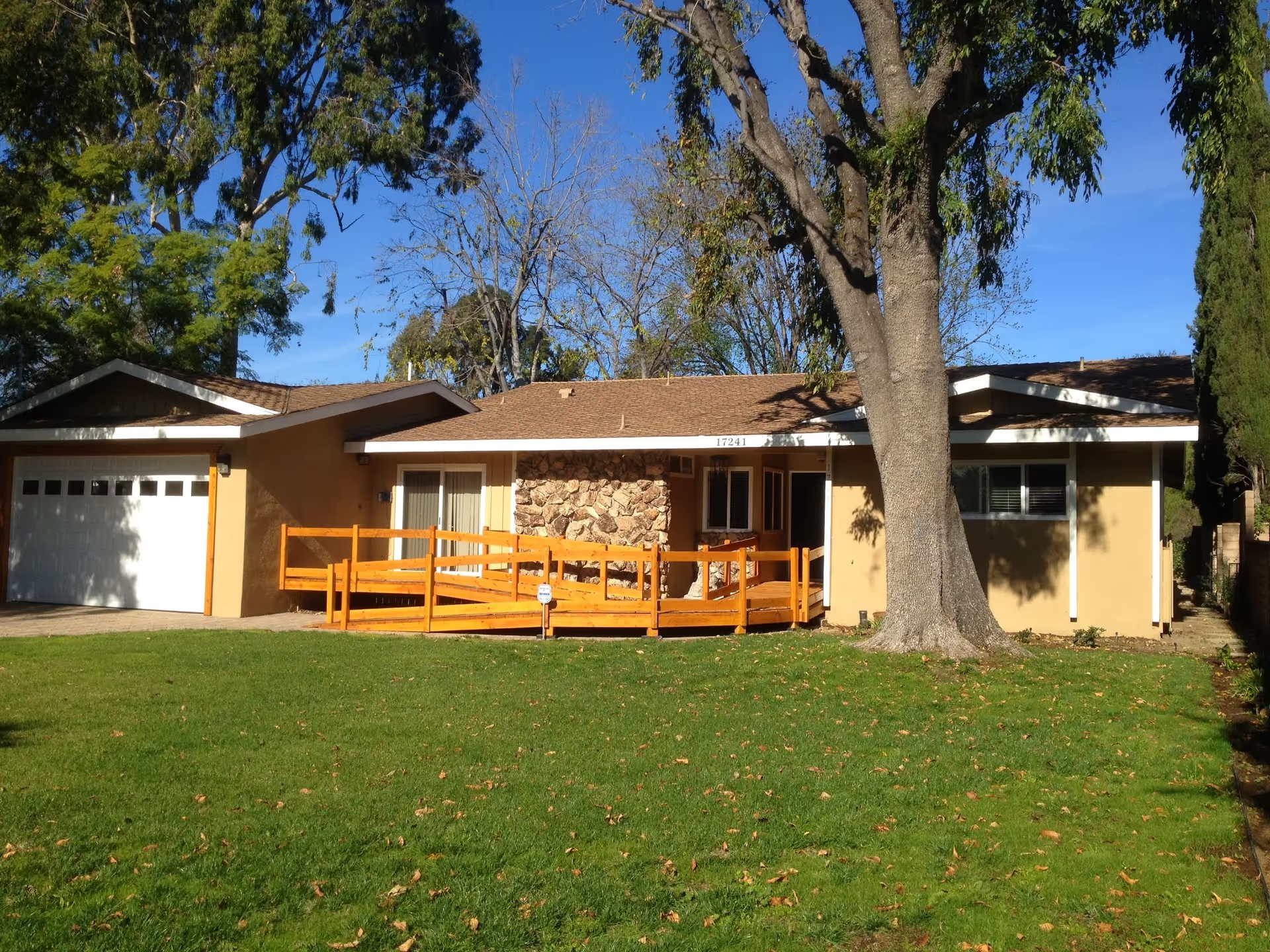
The reviews present a mixed picture of The Rehabilitation Center of North Hills: many families and patients praise a strong rehabilitation program and a generally clean, well-maintained facility, while others describe operational and clinical inconsistencies that materially affect care experience. Positive aspects most consistently cited include effective physical and occupational therapy, attentive respiratory and rehab therapists, compassionate direct-care staff and CNAs, and a bright, community-oriented atmosphere with engaging activities. Several accounts attribute measurable functional improvement to the therapy teams and note attentive, helpful staff members and daily room upkeep.
Care quality is uneven. Reviewers commend the facility for strong short-term rehab outcomes and for individual staff members who go above and beyond; however, there are recurring concerns about clinical-continuity issues. Descriptions include inconsistent wound-care follow-through, medication-administration and documentation weaknesses, and occasional gaps in nursing oversight. Some reviewers reported delays in attending to care needs and in responding to call bells, with the problem more commonly noted during night shifts. There are also concerns about delegation and competency in some clinical tasks and reports of events that resulted in hospitalization, which suggests a need for more consistent clinical protocols and oversight.
Dining, activities, and the physical environment show contrasts. The building and rooms are frequently described as clean, bright, and well-maintained, with regular linen changes and an inviting common area atmosphere. Activity programming and social engagement receive positive comments, although some families find offerings limited or moved to in-room options for safety. Food quality is variable: some reviewers describe tasty meals and attentive dietary staff, while others cite limited menu variety, restrictive diets without preferred alternatives (for example, vegetarian options), and intermittent dissatisfaction with meal service timing and portions.
Operational and management patterns emerge as key determinants of the experience. Important operational weaknesses include inconsistent staffing levels (notably at night), slow call-button responses, variable staff professionalism and communication style, and inconsistent case-management responsiveness. Infection-control communication and transparency around exposures were noted as problematic in some accounts. Security controls for personal belongings and financial items were flagged as a concern by multiple reviewers. While some families found administrators and clinicians responsive and supportive, others reported difficulty obtaining timely updates or constructive follow-through from management and case managers. Prospective residents and families should weigh the facility’s strong rehabilitation capabilities and clean environment against these variability risks; asking specific questions about night staffing levels, wound-care protocols, medication administration processes, infection-control policies, and personal-belongings safeguards will help clarify whether the center’s current operations meet their expectations.