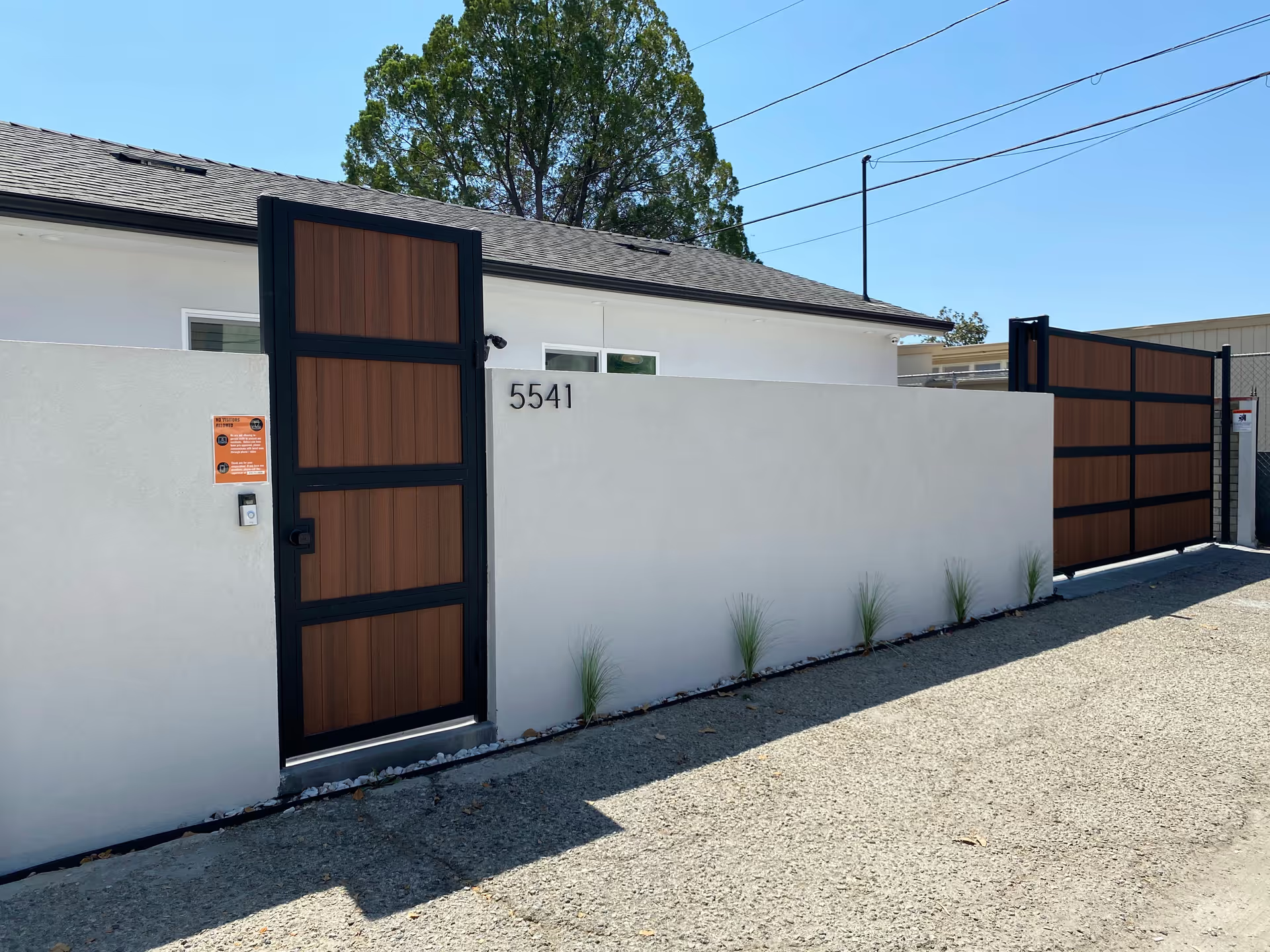
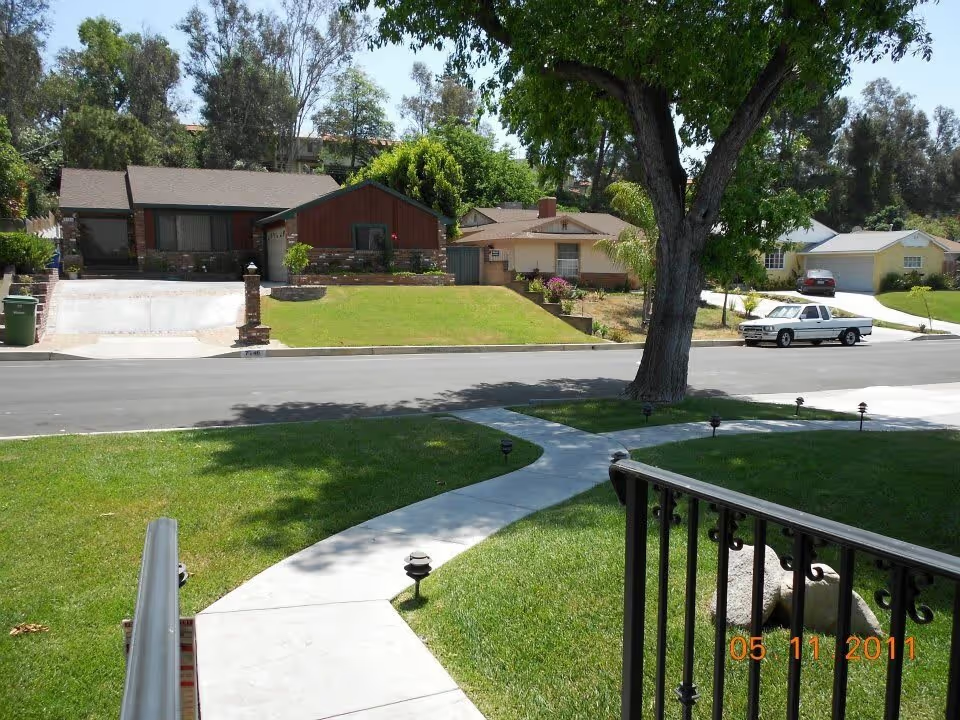
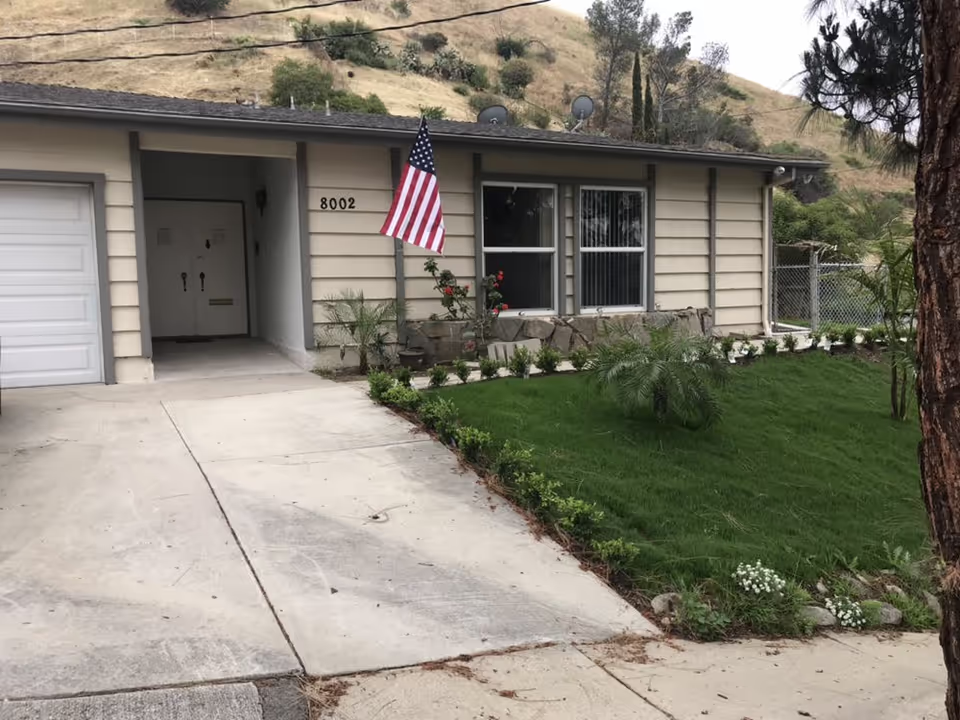
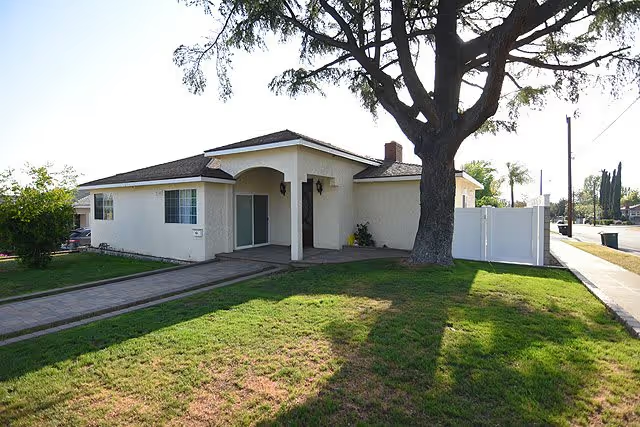
A-1 Boarding Care presents as a small, well-maintained community with a home-like atmosphere and visible attention to the physical environment. Multiple comments emphasize cleanliness throughout the building, a tidy kitchen and dining area, seasonal decorations, and pleasant outdoor/patio seating. Families frequently describe staff as caring and present; examples include active interaction with residents, morning assistance to get residents up for the day, and arranging physician visits when needed. For many relatives these elements translate into reassurance and a sense that their loved ones are in “good hands.”
Clinical and day-to-day caregiving receive mixed but generally positive impressions. Numerous accounts praise compassionate, hands-on caregiving described as attentive and maternal in tone. However, there are also specific concerns about medication-management and dosing oversight that families found significant. Relatedly, some reviewers raised issues with hospice and external-provider coordination, indicating instances where operational considerations appeared to take precedence over individualized, resident-centered planning. These items point to gaps in clinical oversight and care-coordination that prospective families should review directly with management.
Dining and programs are functional but limited. Food quality is characterized as adequate, and the kitchen is noted as clean, but activity programming appears sparse — descriptions indicate a narrow activity menu (bingo is the most commonly mentioned activity). The resident population’s language profile was frequently noted; a concentration of non–English-speaking residents can reduce the availability of English-language programming and may affect social engagement for English-speaking newcomers. Prospective residents and families may want to confirm the current activity calendar and language-access supports prior to placement.
Management and operational patterns show strengths in environmental upkeep and daily personal care but potential weaknesses in clinical governance and external-provider relationships. The most consistent positive signals are cleanliness, visible staff engagement, and a comfortable interior that supports family reassurance. The most important areas to probe further are medication protocols and oversight, how hospice and external clinicians are integrated into care plans, and the range and language accessibility of activities. Recommended next steps for families: observe mealtimes and an activity period, ask for written medication- and hospice-coordination policies, and inquire about language-support options to ensure the setting matches the prospective resident’s clinical and social needs.