Healthcare Center of the Valley elicits a mixed but distinct pattern of strengths and operational weaknesses. Many reviewers highlight consistently positive everyday experiences: staff are frequently described as compassionate and attentive, therapy teams (PT/OT) are seen as skilled and effective, and common areas and outdoor courtyards are well maintained. Families often praise helpful admission support, accommodating kitchen staff, an active activities program, and conveniences such as in-room entertainment and valet/visitor services.
Clinical care descriptions are mixed. Positive accounts emphasize strong rehabilitation outcomes and reliable routine nursing care; however, there are recurrent concerns about medication-management processes, pharmacy stock management, and inconsistent lab/monitoring follow-through. Several families noted delayed pain control or medication availability, and others described delays in initiating or correctly applying therapy modalities. Facility-level clinical oversight appears uneven: there is daily physician assistant coverage but limited on-site physician presence, which reviewers perceived as a gap in oversight for complex cases.
Staff and management present a bifurcated picture. Many reviewers describe respectful, professional, and family-oriented caregivers and administrators who provide clear communication and emotional support. At the same time, a number of comments indicate that staff are overwhelmed by caseloads, leading to slower response times to call lights and administrative phone lines that are sometimes unresponsive. These operational stresses are linked in reviews to late or missed assistance, inconsistent documentation of physician orders, and variability in how families are informed during significant events.
Dining and activities are generally seen as strengths but with variability. The kitchen staff receive frequent praise for friendliness and responsiveness to dietary requests, and the facility offers a range of activities and volunteer-led programming that many residents enjoy. Conversely, several reviewers described variable meal quality and instances where dietary content did not align well with specific clinical needs (for example, restrictions requiring lower sodium or sugar). Activity participation is robust for mobile residents, while less-mobile residents may encounter barriers to consistent inclusion.
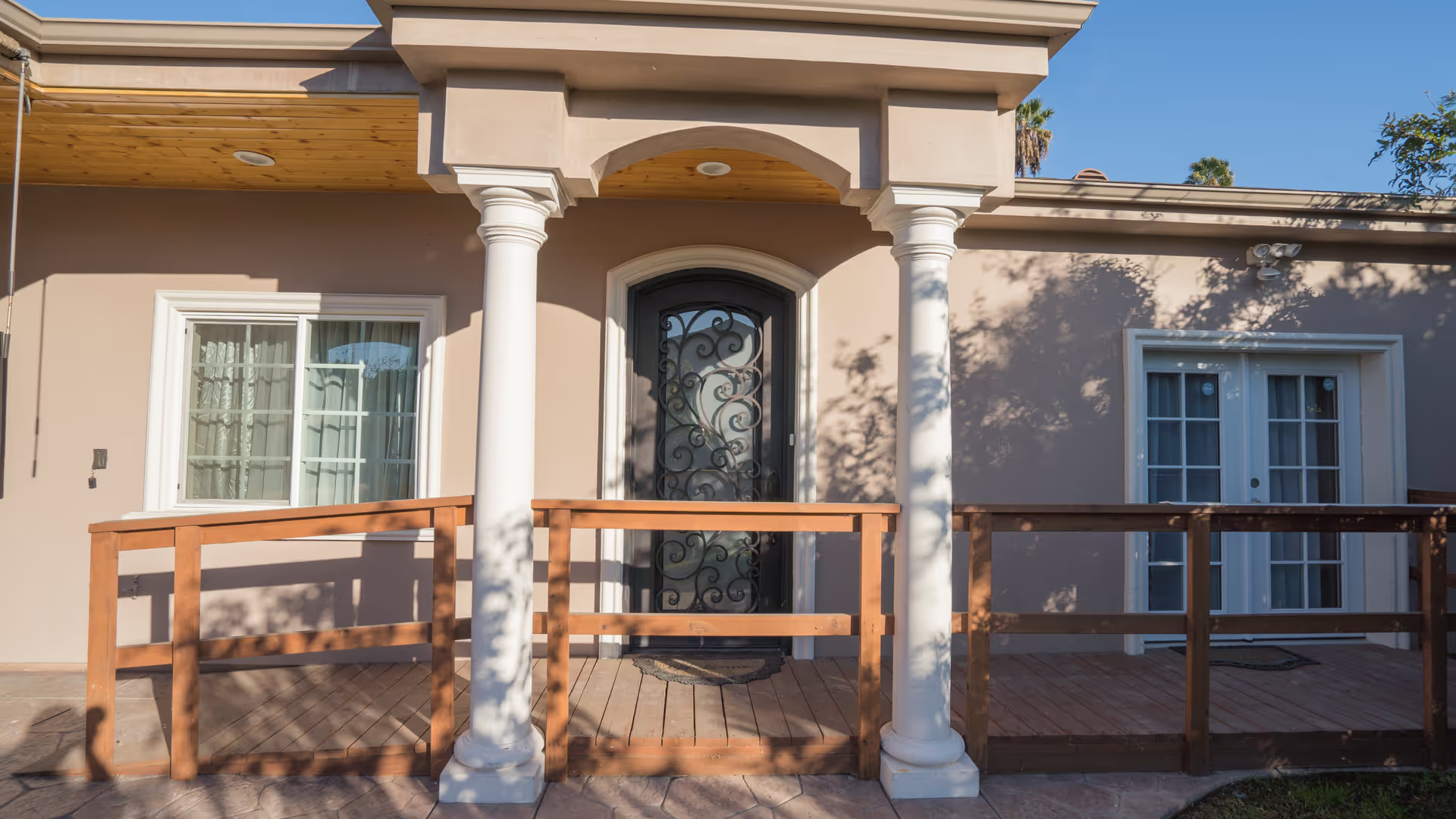
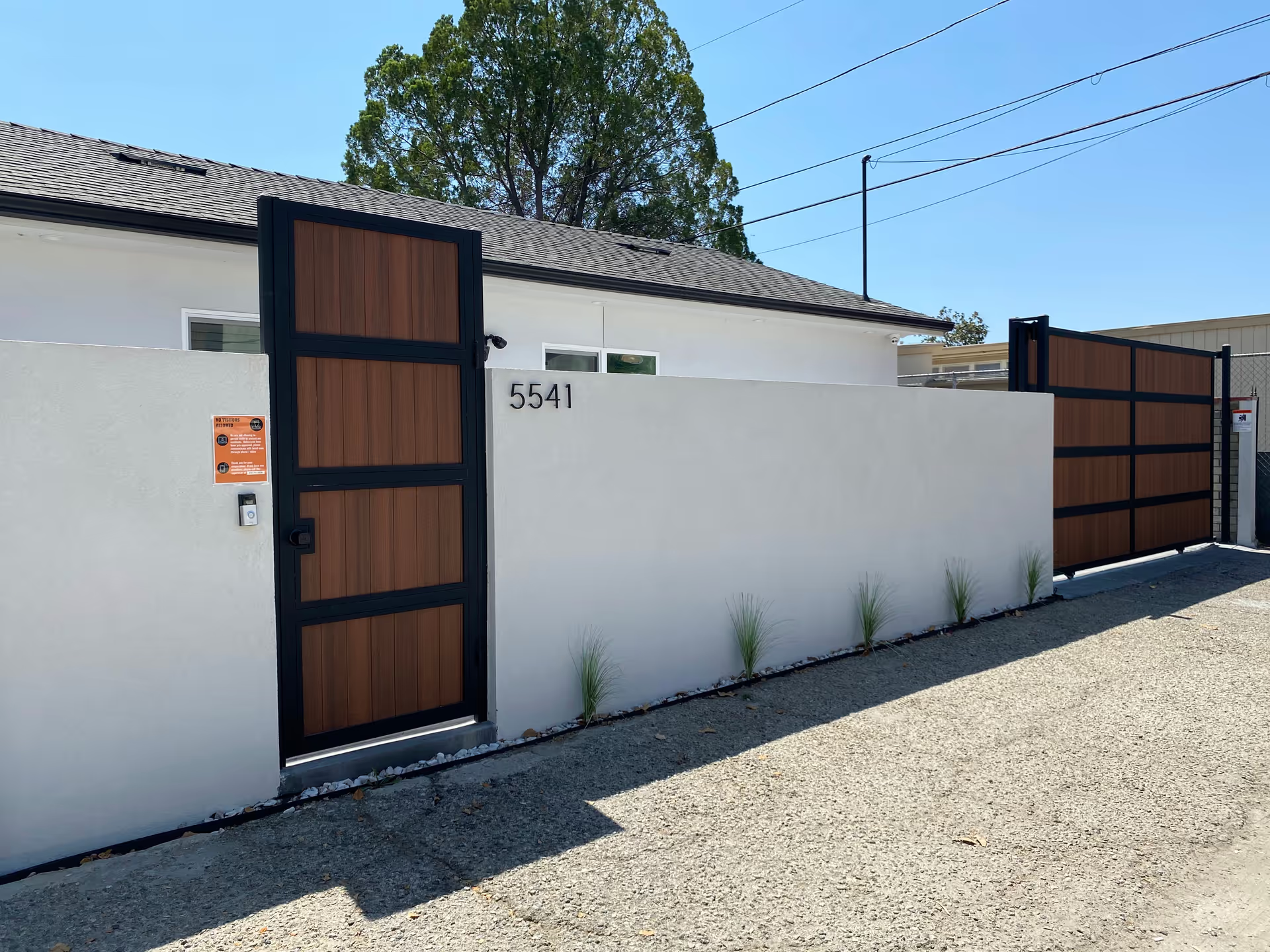
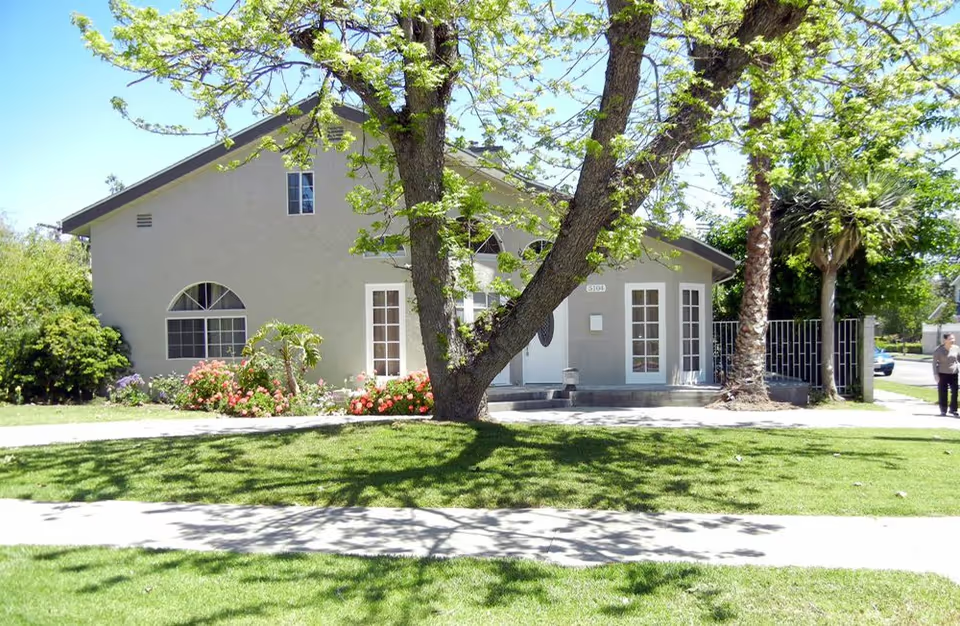
Facility condition and logistics also show a split. Multiple reviews describe clean, well-kept interiors, pleasant smells, and orderly common spaces. Others identify localized maintenance needs (bathroom flooring, outdated units) and privacy concerns arising from shared rooms, hallway beds, or limited single-room availability. Visitor access is generally adequate but constrained by a small parking lot.
Patterns to note: the strongest, consistent positives are in rehabilitation, day-to-day caregiver compassion, and communal programming. The most consequential operational risks described are inconsistent medication and emergency-response processes, gaps in clinical oversight for complex or end-of-life situations, staffing levels that can impede timely assistance, and variability in dietary appropriateness. Prospective residents and families should tour the unit, ask for current staffing ratios, review medication-administration and emergency-response protocols, verify how dietary needs are managed, and discuss end-of-life communication practices before placement.