Bellaken Garden presents as a small, community-oriented assisted living facility with on-site hospice and skilled nursing/rehab services and a clearly defined cultural fit for Chinese-speaking residents. Many reviewers highlighted compassionate, attentive staff who provide proactive family communication, coordinate transportation and therapy, and work with families through admissions and insurance questions. The presence of Cantonese-speaking caregivers and culturally familiar meal options is a recurring positive, as is the facility’s small scale, landscaped hillside setting, and overall upkeep of grounds.
Clinical-care impressions are mixed but lean positive in day-to-day interactions: reviewers commonly described experienced nursing staff, a dedicated social worker, and responsiveness in emergencies and care coordination. At the same time, a few reviewers raised serious concerns about responsiveness to acute personal-care needs and delays in attending to some residents; these comments suggest unevenness in how quickly staff can meet urgent needs during periods of staffing strain. Rehabilitation and therapy services are available on-site and appear to be a facility focus for many residents.
Dining feedback is variable. Several families praised meals and cultural menu options, while others described the food as cafeteria-style and unappealing. Staff flexibility around individual requests is noted (for example, accommodating simple meal preferences), but consistency of meal quality and service continuity emerged as a facility-level weakness. Activities programming exists (bingo, singing, outings when available) and benefits from an engaged social worker, though communal offerings were curtailed at times due to infection-control measures.
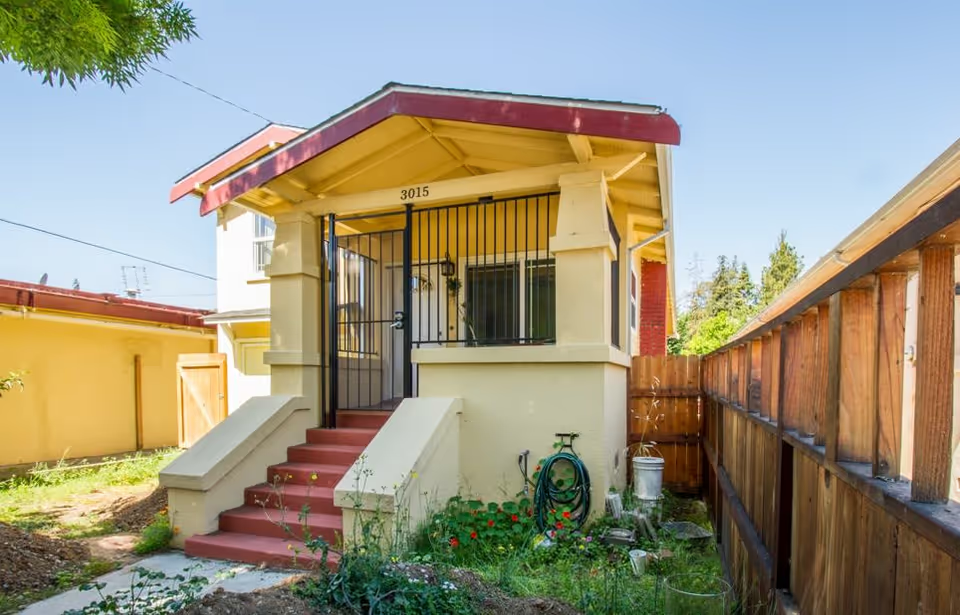
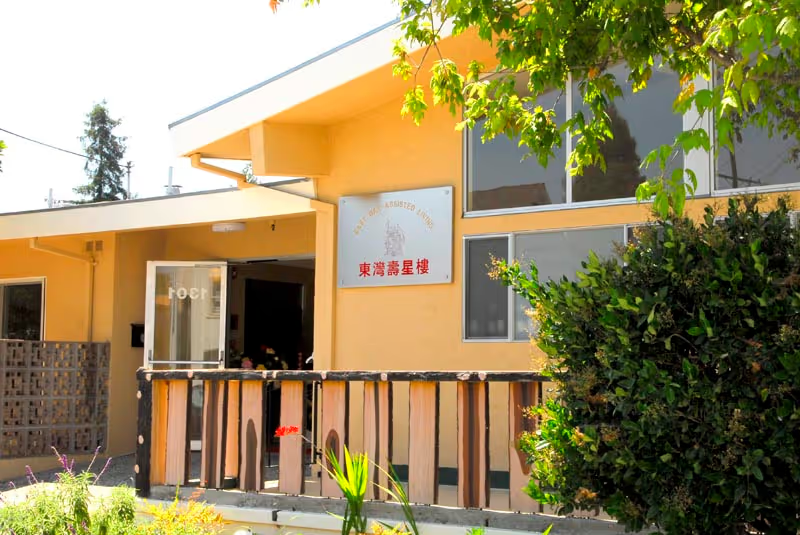
The physical plant is described as older but generally well maintained. Strengths include clean public spaces and attractive outdoor areas; weaknesses include limited private-room availability, occasional lack of in-room climate control or modern comforts, and variability in room furnishings. Management and staff receive repeated praise for compassion, assistance with paperwork, and regular family updates, but periodic staffing shortages and inconsistent language-access coverage create operational gaps that prospective families should assess directly.
Notable patterns for prospective residents and families: the facility’s cultural fit, small size, and hospice/rehab capacity are distinct advantages; however, check current staffing levels, private-room options, in-room climate controls, and recent dining practices during a tour. If language concordance, timely personal-care responsiveness, and consistent meal quality are priorities, ask for specific examples of how those areas are staffed and managed now.