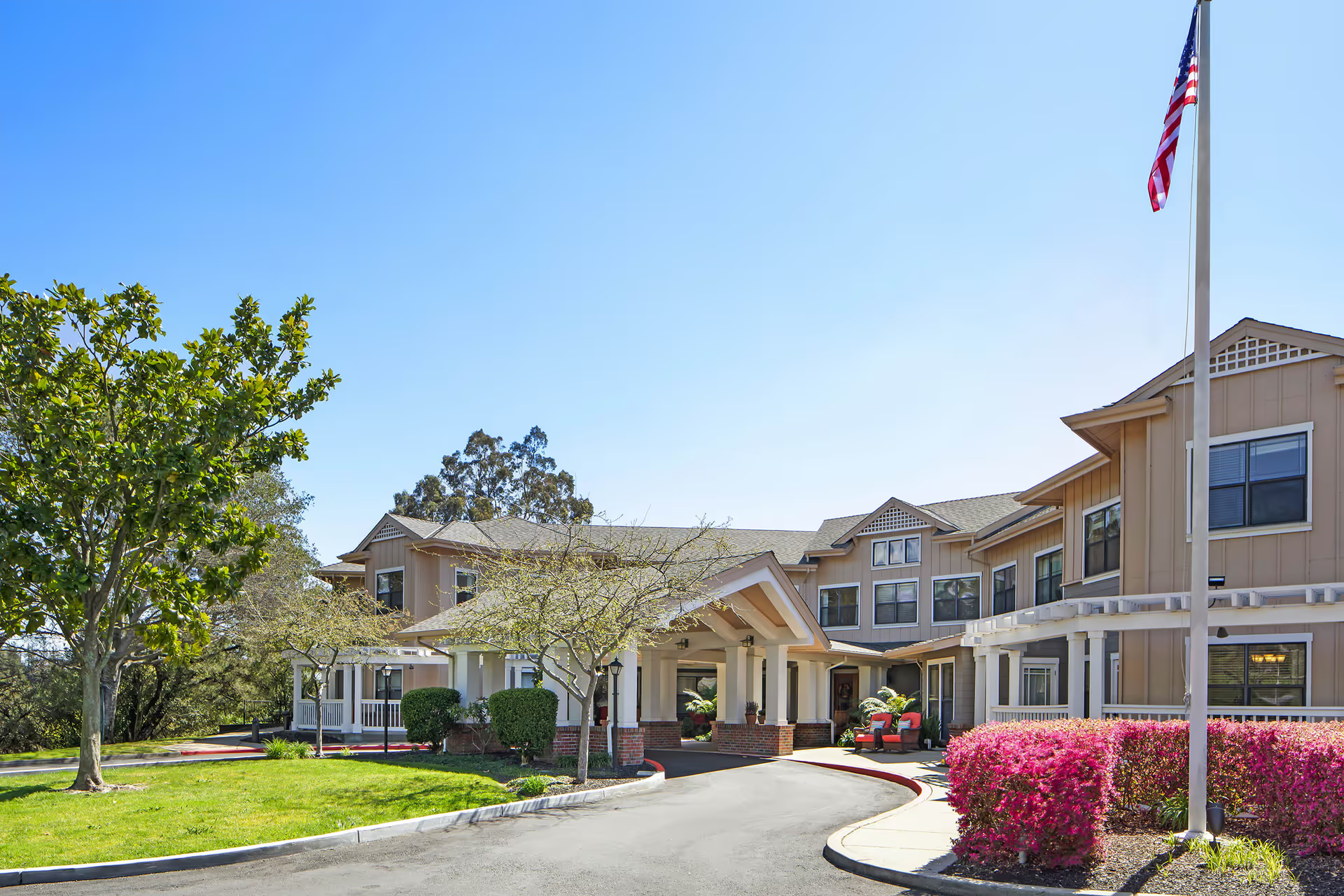
Overall impression: Reviewers convey a generally positive sense that residents receive attentive, compassionate care, with multiple families highlighting genuine improvements in condition and satisfaction with staff interactions. Strengths center on individualized attention for residents with cognitive impairment, proactive feeding support, and a home-style dining program that many find fresh and varied. Several accounts also emphasize an organized facility environment, an engaging activities program, bilingual staff resources, and management that presents straightforward, honest information during tours.
Care and staff: Many families describe caregivers as patient and kind, and note attentive dementia-care practices and hands-on feeding support that address residents' eating and hygiene needs. At the same time, reviewers describe variability in staff conduct and tone; some families experienced less positive interactions or communication lapses. A separate concern is language compatibility — some nursing staff may not speak English fluently — which can affect clinical communication and family interactions. Prospective families should clarify language capabilities and observe staff–resident interactions during a visit.
Dining: Dining is a clear strength for many reviewers. Meals are described as freshly prepared with a good variety of choices, and staff are noted to take deliberate steps to ensure residents eat and are cleaned up after meals. These factors contribute to perceptions of safety and well-being. There were no consistent accounts of systemic meal-service failures, but families should confirm dietary accommodations and feeding supports during admission conversations.
Activities and engagement: Several families praised an active programming schedule and meaningful resident involvement. Conversely, a few reviewers felt programming lacked sufficient stimulation for certain residents. This suggests variability in how well the activity mix matches individual needs; visitors should request the current activity calendar and observe participation levels for residents with similar cognitive and physical profiles.
Facilities and operations: Many reviewers described the building as clean and well organized; however, other accounts noted cleanliness shortfalls in specific areas and persistent cold temperatures in living spaces. Additionally, there are operational weaknesses identified around laundry and personal-item management, where items have been lost or mishandled. These are facility-level process issues that can be clarified by asking about laundry tracking, housekeeping schedules, and environmental controls during a tour.
Management and policies: Management receives praise for honesty and transparent admissions tours from multiple families. At the same time, there is a notable policy-related concern: the facility has declined admissions for residents with feeding tubes (G-tubes), which some families view as a restrictive clinical-admission policy. Families with residents who have complex clinical needs should request written admission criteria and clinical capabilities in advance. Communication gaps between families and the facility were also cited; confirming preferred communication methods and points of contact upfront may reduce misunderstandings.
Takeaway and suggested checks: The facility appears to have strong strengths in caregiving, dining, activities, and overall organization, but experiences vary across shifts and units. Prospective residents and families should tour the unit, observe staff–resident interactions, review the activity schedule, sample menu options, and explicitly ask about language capabilities, temperature control, laundry procedures, and the facility's clinical-admission policies (including feeding-tube handling). Doing so will help determine whether the facility’s operational practices align with the specific clinical and social needs of the prospective resident.