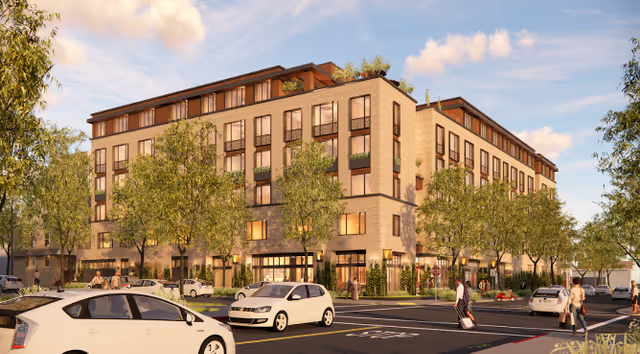
Piedmont Gardens presents as a well-located, activity-rich senior community with clearly articulated strengths and some recurring operational concerns. The campus is praised for its urban location near restaurants and shops, attractive light-filled apartments with views, and a strong calendar of cultural programming, musical events, discussion groups, and outings. Residents and families consistently cite an engaged, social resident population and a wide range of amenities (library, gym, salon, terrace garden) that support an active lifestyle.
Direct-care staff receive frequent positive comments for compassion, responsiveness, and cordial interactions; many reviews highlight prompt call-bell response, helpful wellness support, and attentive servers and maintenance teams. The facility offers multiple levels of care, including skilled nursing and rehabilitation, and several accounts describe effective therapy teams and positive outcomes from rehab services. Administration and admissions staff are often described as communicative and present, and there are indications of leadership engagement and efforts to address concerns under newer executive leadership.
At the same time, reviewers describe operational weaknesses that prospective residents and families should consider. Assisted-living and memory-care areas are frequently associated with staffing inconsistencies and limited coverage, which reviewers link to delays in care and variable service quality. There are documented concerns about clinical-incident response, family communication during medical events, and inconsistent adherence to medical orders and documentation—issues that affect confidence in clinical continuity. Housekeeping and laundry processes are described as uneven in parts of the community, and there are notes about asset-management lapses and personal-item security.
Dining and food-service quality receive mixed assessments: some residents praise fresh, varied meals and generous portions, while others describe institutional or inconsistent dining experiences. Additional operational drawbacks noted include language-access barriers (limited interpreter availability), allegations of discriminatory staff conduct and cultural-sensitivity issues, and perceived nickel-and-diming or high ancillary fees. Practical considerations raised repeatedly are limited visitor parking, front-desk/phone communication inefficiencies, elevator wait times in a tall building, and variation in apartment finishes and assisted-living amenities.
Overall, Piedmont Gardens appears to deliver a substantive community experience with strong programming, rehabilitation capacity, and many dedicated staff members. However, persistent operational patterns—especially around staffing consistency in higher-need units, clinical-incident response and communication, housekeeping, language access, and certain logistical supports—warrant direct inquiry during a tour. Prospective residents and families should verify current staffing levels, interpreter resources, clinical protocols, housekeeping standards, and parking arrangements, and ask leadership about recent corrective actions and measurable outcomes under the current management team.