Overall impression: Reviews describe a facility with clear operational strengths in basic care, environment, and food quality alongside recurring operational weaknesses affecting communication, staffing coverage, and social programming. Several reviewers expressed confidence in day-to-day personal care and in the physical upkeep of the home; at the same time, others described gaps that can affect family confidence and resident experience during off-hours.
Care quality and staff: Caregivers are consistently described as competent with activities-of-daily-living (ADL) tasks, and families expressed trust in the clinical competence of the caregiving team. Nursing leadership receives mixed but generally positive mention: specific leaders were called accommodating and understanding, and administrative staff were characterized as knowledgeable. However, there are recurring concerns about inconsistent nurse availability and responsiveness, especially during night shifts or off-hours. In addition, some reviews point to interpersonal-fit and conduct issues between certain assistants and residents, suggesting a need for stronger consistency in staff–resident matching and in interpersonal skills training.
Dining and nutrition: The facility’s dining program is characterized positively. Meals are described as nutritious and balanced, contributing to a perception of sound nutritional care. There were no broad concerns raised about food safety or menu planning; rather, the dining program appears to be a relative strength in resident care.
Activities and socialization: Accounts of activities are mixed. Several reviewers note that regular activities are offered and that organized programming exists, but others describe periods when residents were left to their own entertainment and social options were limited to meal times. This pattern indicates uneven delivery of activity programming across shifts or units and suggests an opportunity to standardize social engagement offerings and ensure consistent activity staffing.
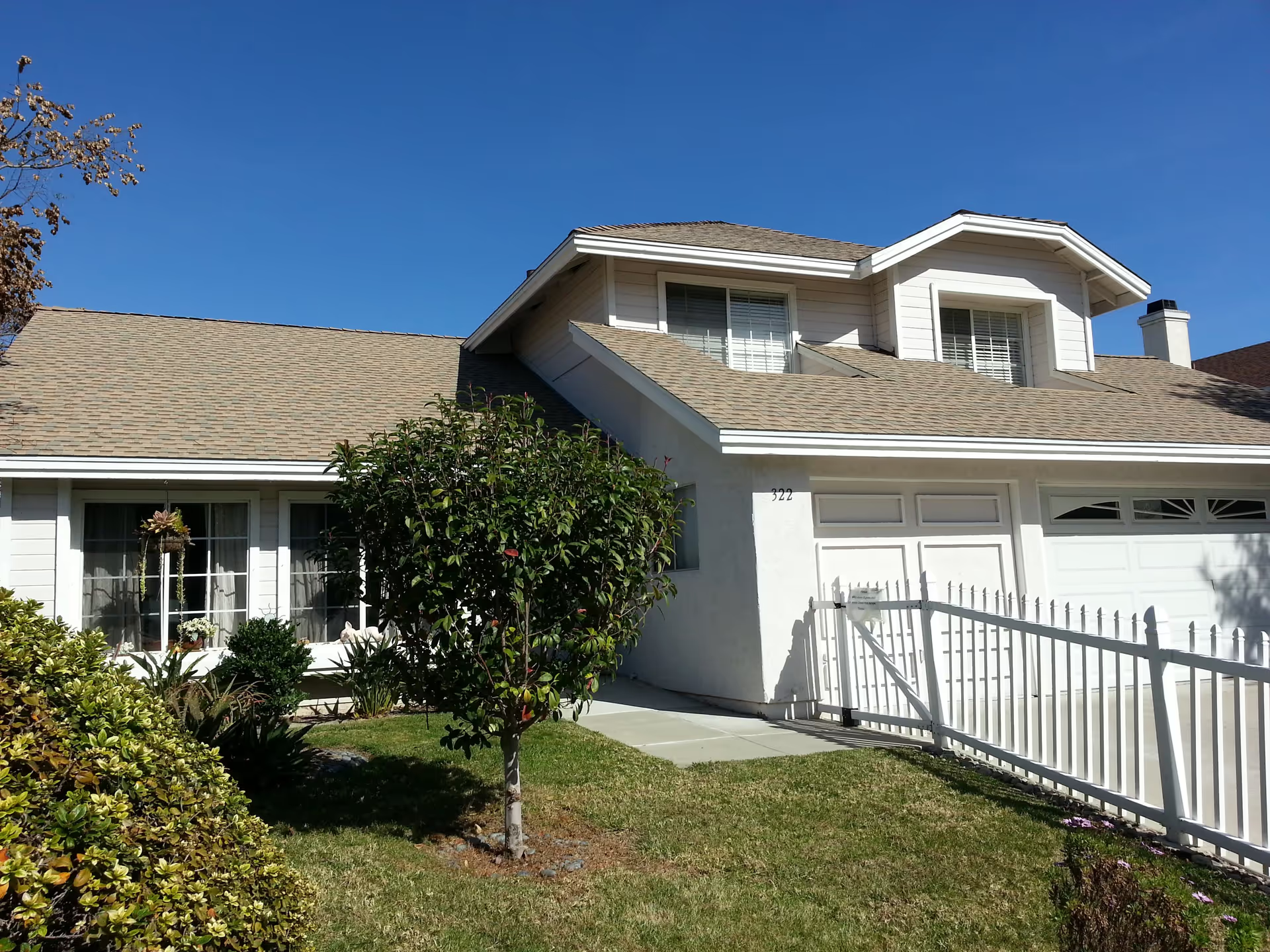
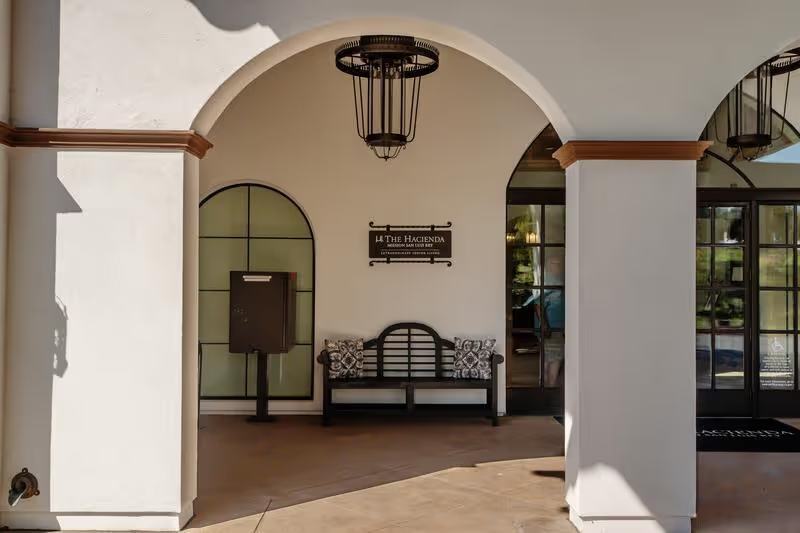
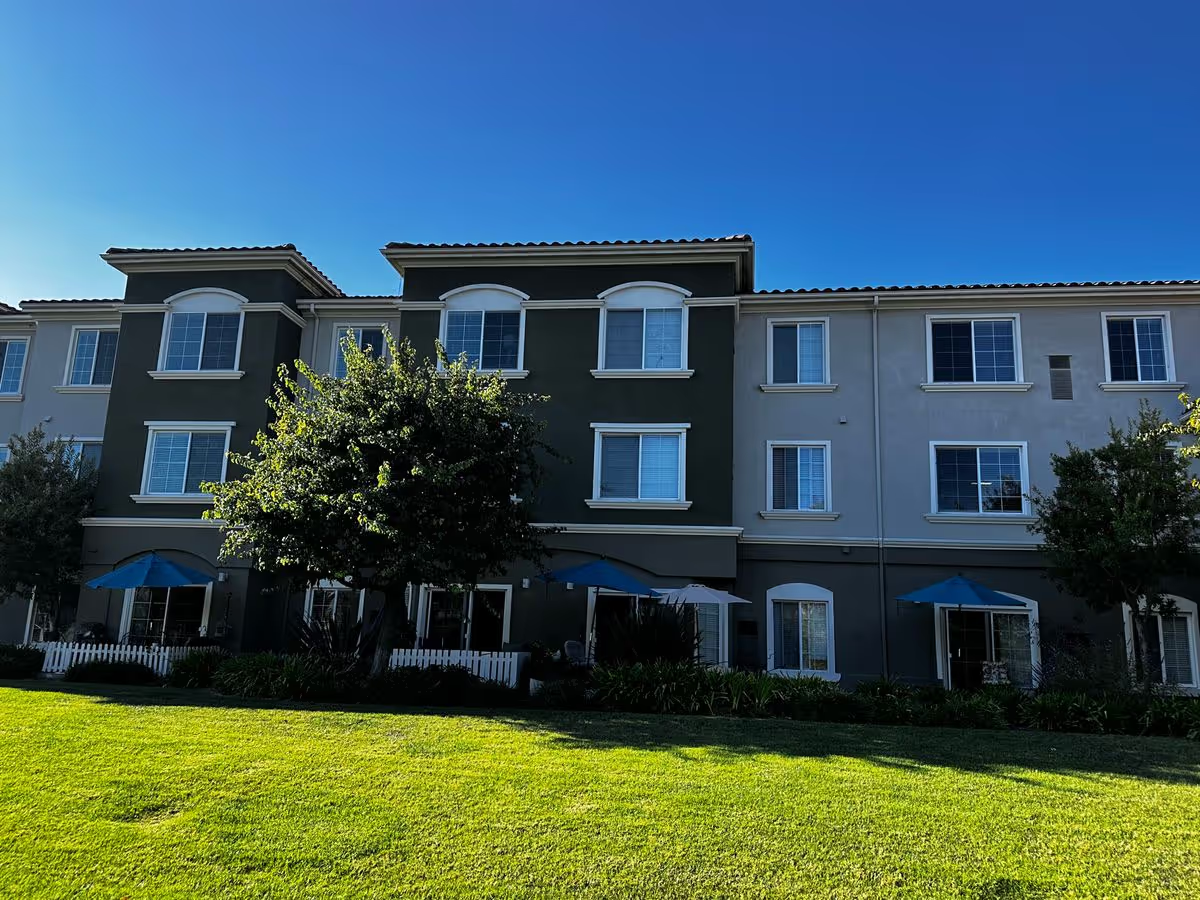
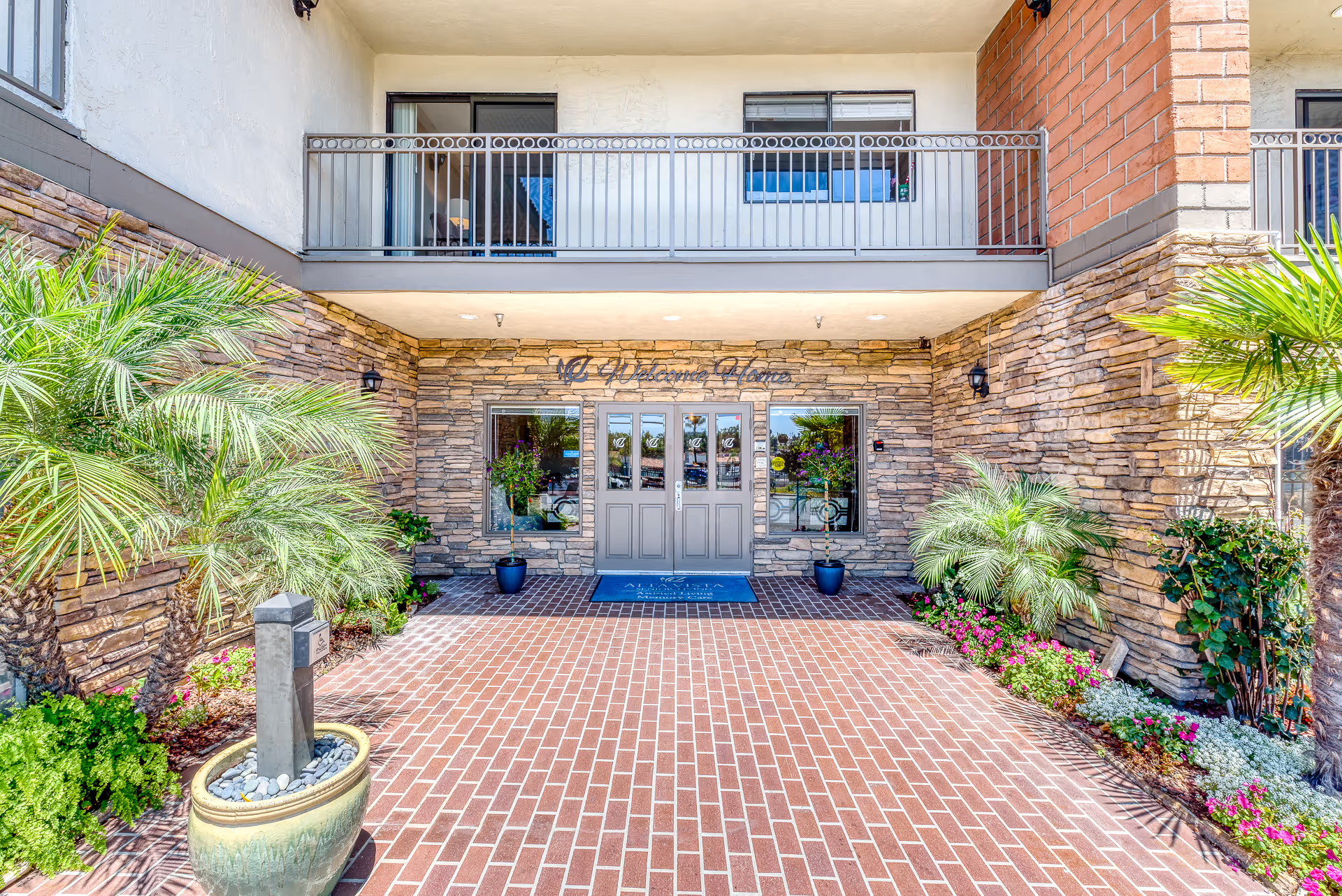
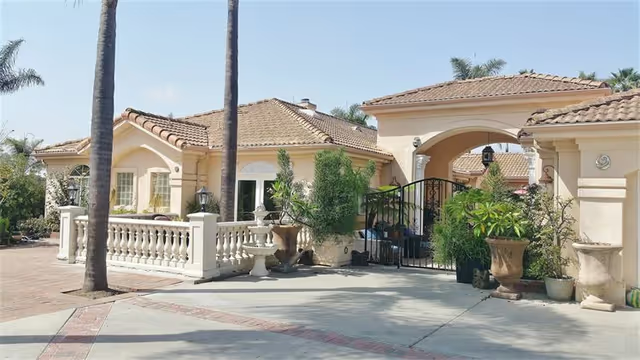
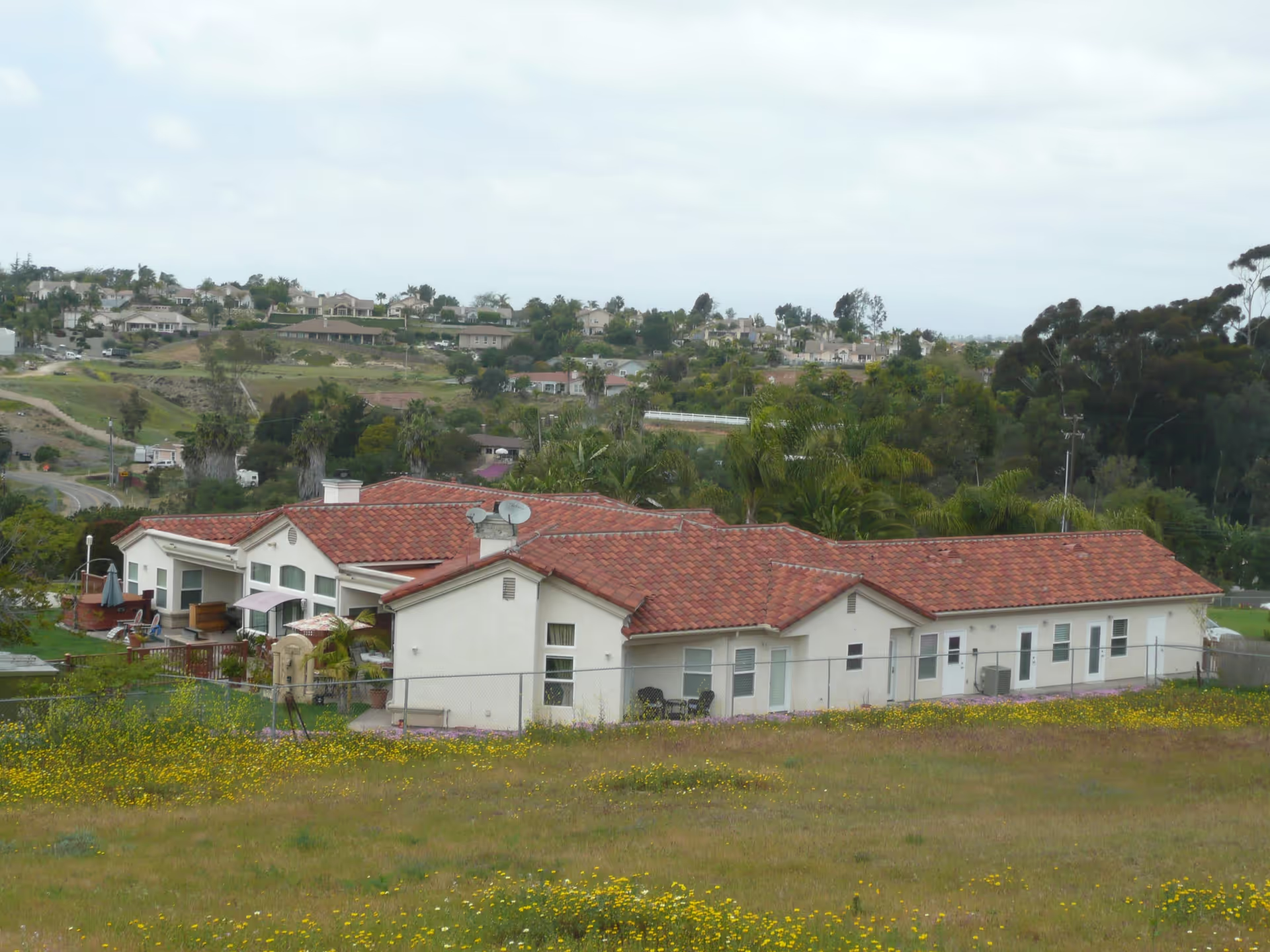
Facilities and safety: The physical environment is noted as well maintained, and reviewers conveyed a general sense of safety and security within the home. These strengths support confidence in basic facility management and upkeep.
Management, communication, and patterns: Management and administrative competence were praised, yet communication practices show variability. Reviewers described a decline in phone professionalism and difficulty reaching the facility at times, which affected family members during urgent situations. Taken together, the pattern is one of solid baseline clinical care and facility maintenance with operational gaps in after-hours staffing, consistent nurse presence, family communication responsiveness, and uniform activity programming. Addressing those operational areas—night staffing models, standardized activity schedules, stronger front-line phone protocols, and targeted interpersonal-skills training for assistants—would likely reduce the mixed experiences families currently report.