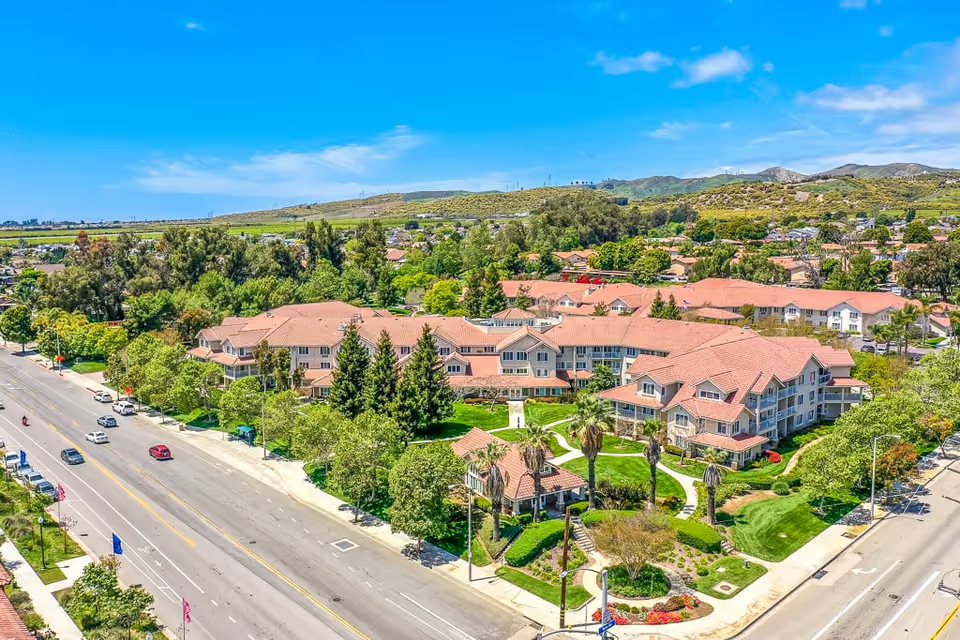
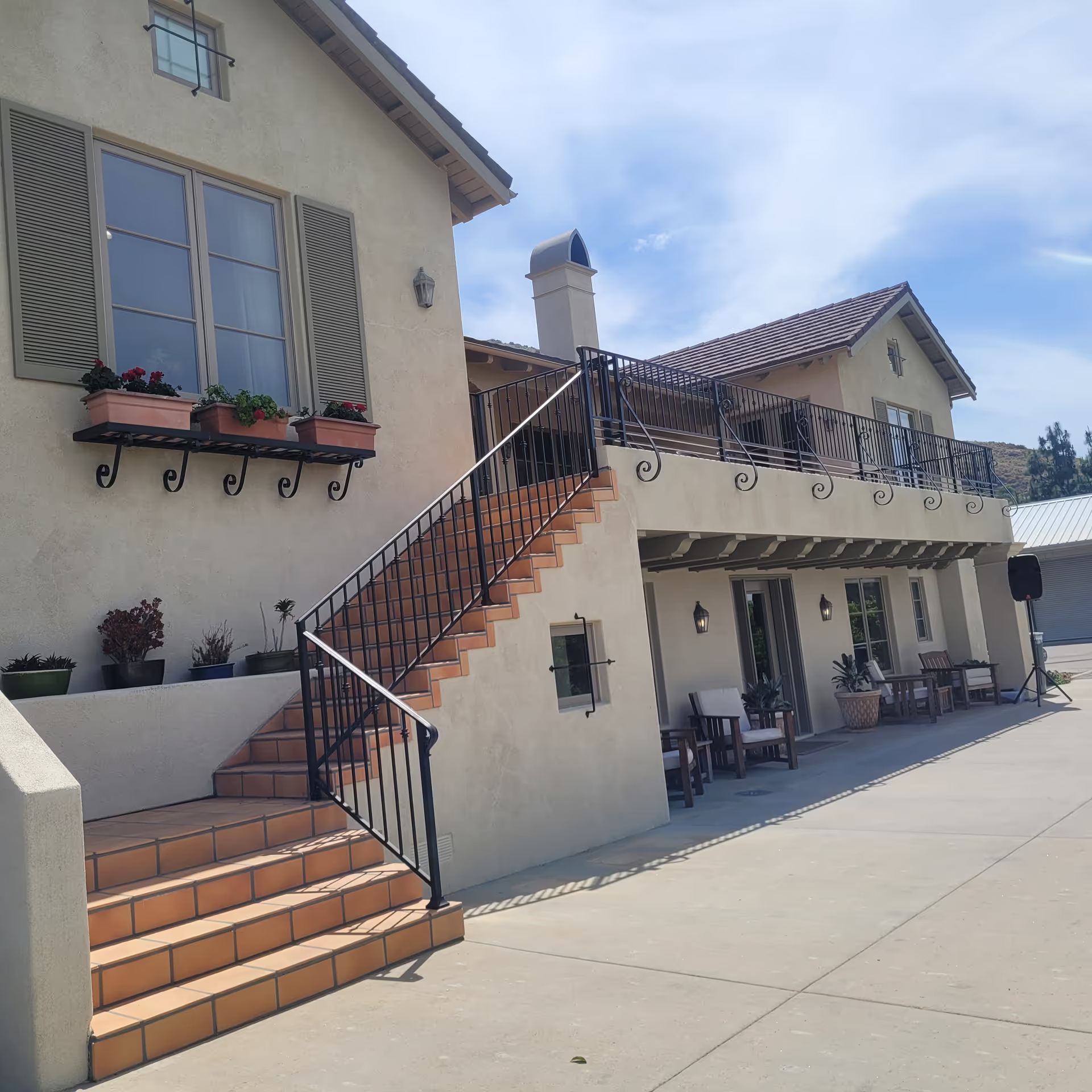
The Manor of Ojai is described primarily as a small, owner-operated assisted living home with a strong emphasis on personalized, family-style care. Multiple accounts highlight compassionate, attentive staff and visible owner/manager engagement; reviewer anecdotes mention hands-on leadership and caregiver training, which contributes to a consistent sense of personal attention and a community atmosphere. The facility’s size is repeatedly framed as a strength for individualized care and privacy without an institutional feel.
Dining and basic services are consistently praised. Meals are characterized as homemade and European-styled, with three daily meals plus snacks served in a bright, pleasant dining room. Several descriptions emphasize good portioning and taste. Administrative details that reviewers call out as strengths include affordable and transparent pricing, with commonly included services such as laundry, medication administration, and transportation to medical appointments; salon services are available for an additional, reasonable fee.
Activity and social programming are notable features. The Manor offers an active life-enrichment program with games, bingo, movies, music (including visiting musicians and piano entertainment), arts and crafts, exercise, and social events that promote resident engagement and new friendships. Common spaces include a multipurpose room, a comfortable dayroom, a front balcony, and a large enclosed back patio; the indoor layout is described as safe and conducive to socializing. The setting is frequently described as quiet and residential, with mature landscaping.
Facility upkeep and cleanliness receive frequent positive mention: reviewers commonly describe the building as clean, bright, and well-maintained. At the same time, a small number of accounts raise serious concerns about sanitation, safety, and staff conduct that contrast with the majority perspective. These outlying comments suggest variability in performance or oversight rather than a uniform condition across the facility.
Taken together, the pattern suggests a facility that provides a homelike environment with engaging programming, dependable basic services, and attentive caregiving under engaged owner management. Prospective residents and families should verify current conditions during an in-person visit, ask about staffing ratios and training, review recent inspection records, inquire about medication and incident-response protocols, and discuss the facility’s capacity to manage higher-acuity clinical needs to ensure it matches the resident’s care requirements.