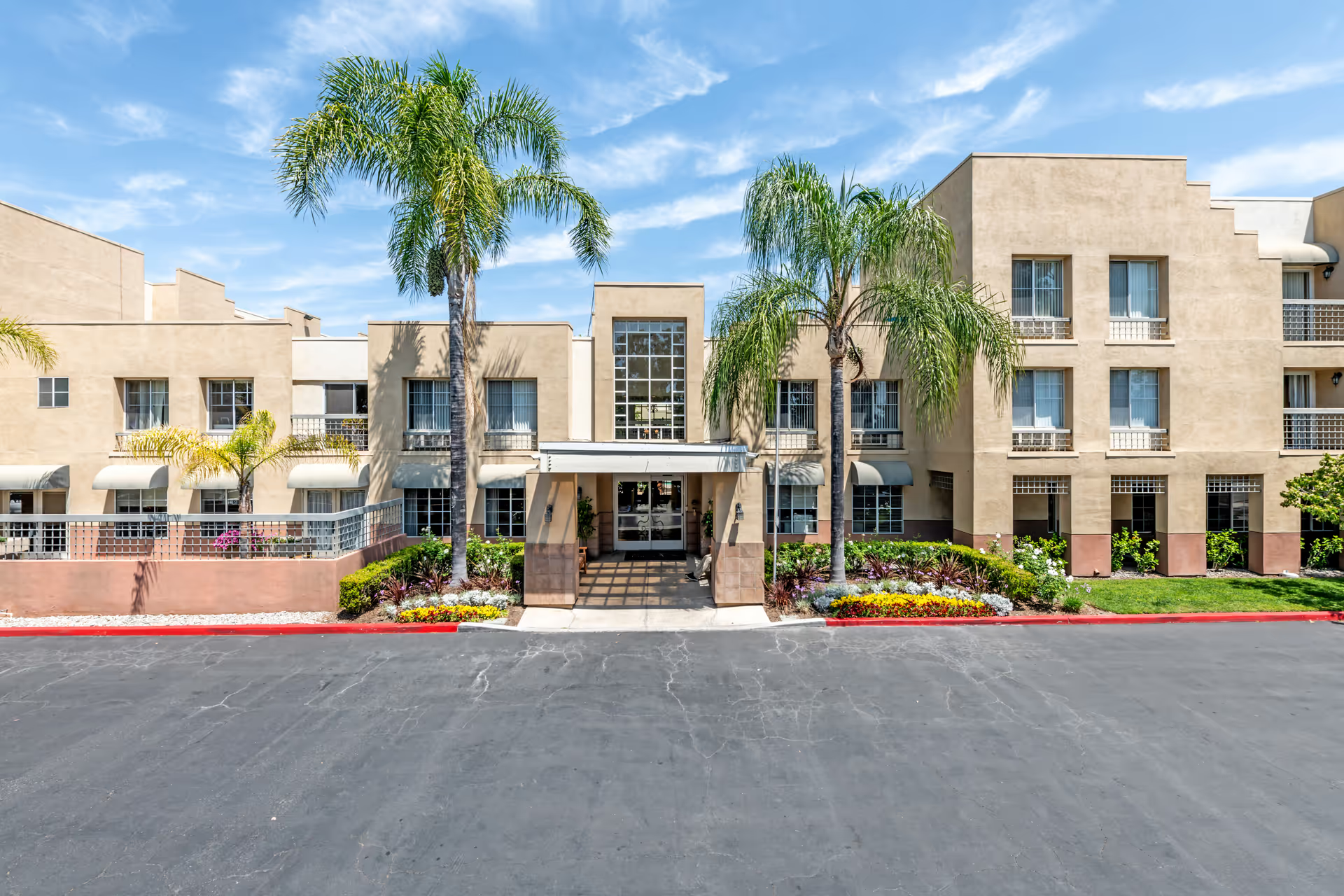
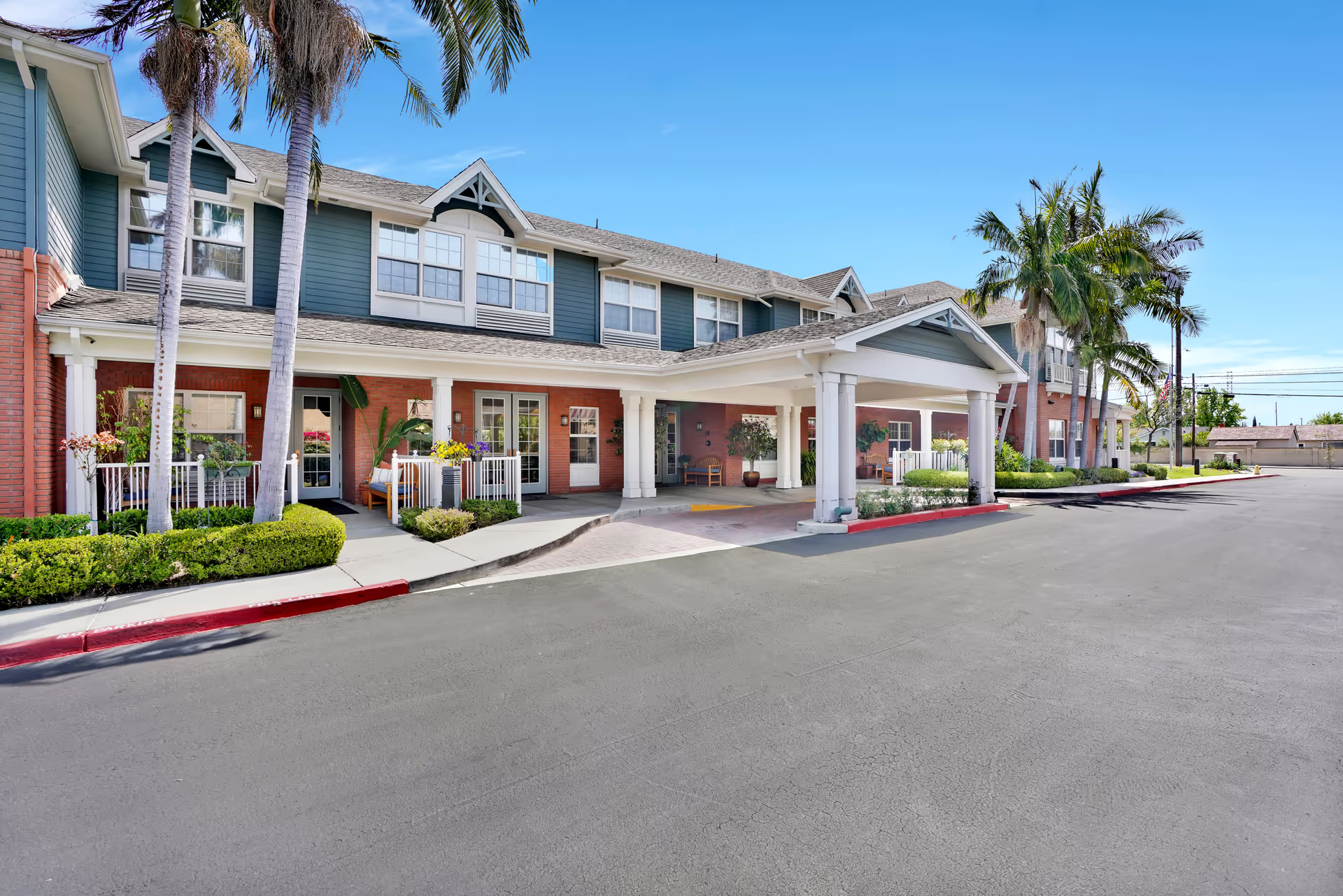
Oakmont of Orange presents as a high-end assisted living and memory-care community with strong positive patterns around caregiving, clinical support, dining, and amenities. Reviewers consistently emphasize a hotel-like, well maintained physical environment — bright, spacious apartments, clean common areas, and on-site features such as a gym, salon, movie theater and large dining venues. Infection-control measures and safety features (including motion sensors and accessible bathrooms) are noted as in place, and weekly housekeeping and laundry services are commonly praised.
Clinical care and staffing are core strengths. Families and residents describe attentive, compassionate caregivers, capable nursing and med-tech teams, and engaged care directors. The community’s memory-care unit is described as active and person-centered, and reviewers frequently cite effective hospice coordination and access to a concierge doctor and therapy services. Staff who know residents by name and a concierge-style approach to daily care are recurring themes that support a sense of individualized attention.
Dining and activities are frequently highlighted as differentiators. The culinary program is characterized as chef-driven, flexible, and high quality, with accommodations for special diets and picky eaters, a 24-hour kitchen, and an ‘anytime’ dining concept in some areas. Activities programming is broad — daily fitness, musical entertainment, outings, games, and social events — and therapy services are available on site. That said, some residents or families found particular activity offerings not equally appealing to every resident; prospective residents with specific interests should evaluate the activity mix in person.
Operationally, the most consistent concerns relate to administration and coordination. Reviewers cite intermittent issues with administrative responsiveness, phone communication, and billing accuracy (including delayed or incorrect invoices). Several comments reference management turnover and variability in leadership visibility; this connects to reports of uneven staff coordination and, in a few cases, safety-related coordination gaps. Parking and visitor access constraints and a relatively high cost and move-in deposit structure are additional practical considerations for families.
Overall pattern: a community that delivers a high level of clinical and hospitality-oriented care with notable strengths in food, amenities, and compassionate front-line staff, offset by recurring operational weaknesses in back-office administration, communication consistency, and occasional activity fit or service speed. Prospective families should prioritize an in-person visit timed for a meal and an activity, request specifics on billing and staffing stability, confirm parking and visitor policies, and review the community’s approach to family communication and incident coordination to ensure alignment with expectations.