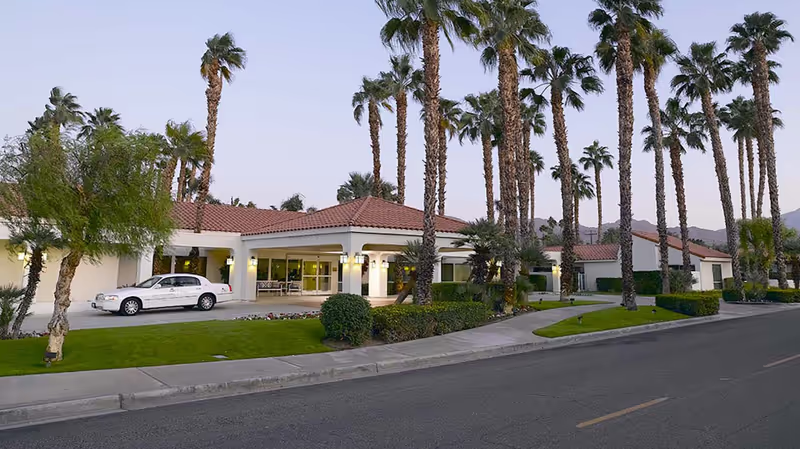
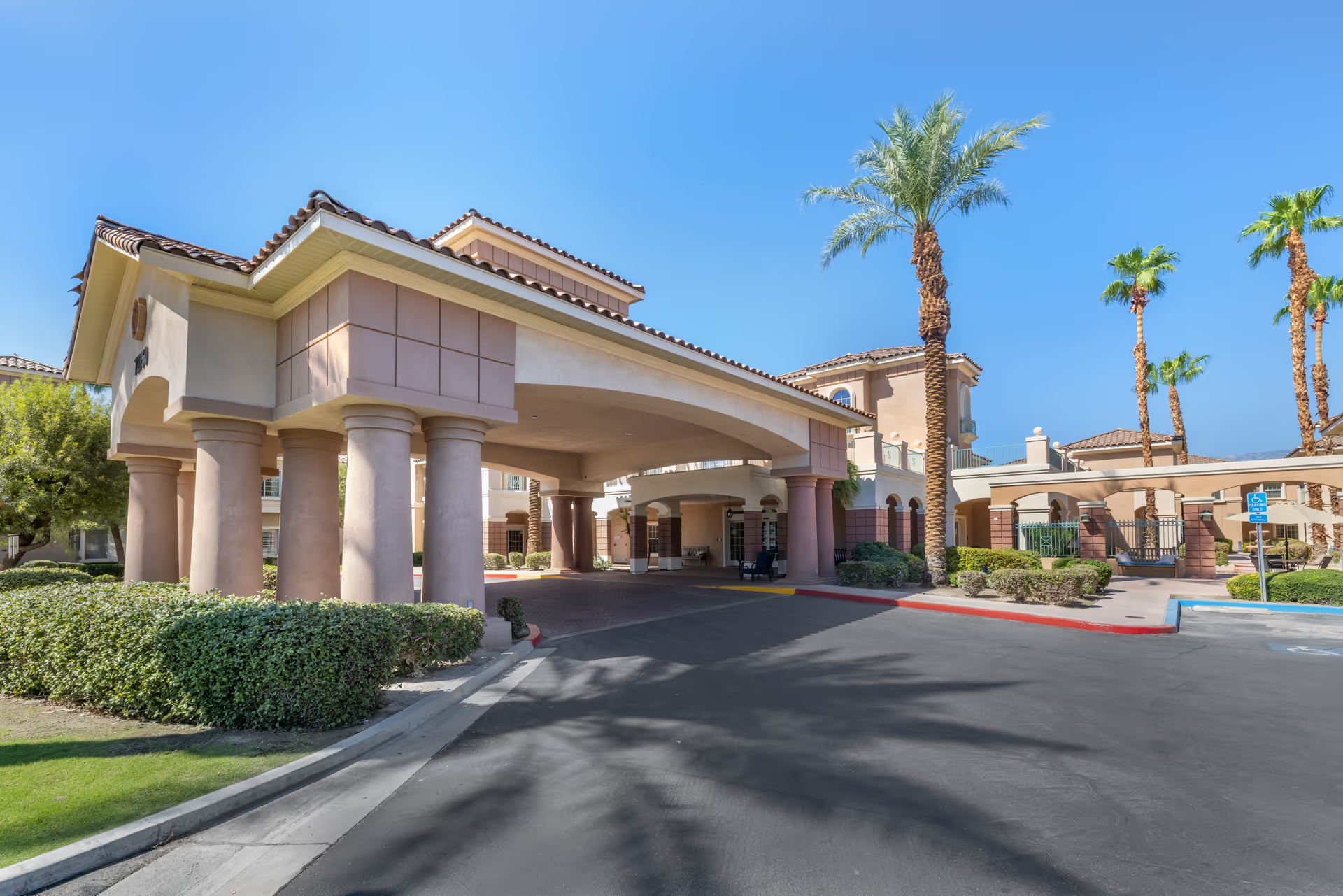
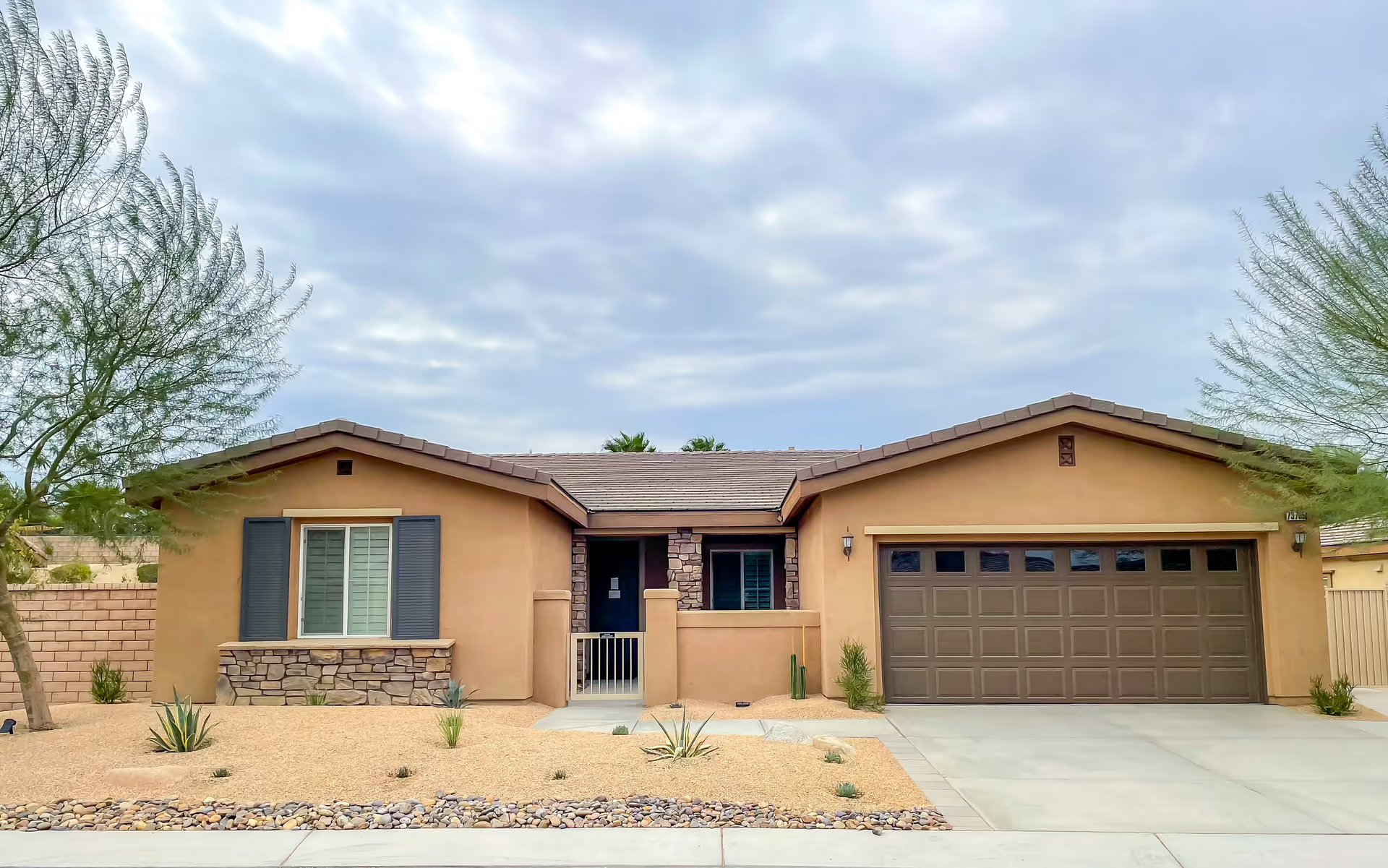
Reviews describe a facility with a pronounced split between strong clinical/rehabilitative services and operational inconsistencies. Many families praised the rehabilitation and therapy teams, wound-care nurses, and particular CNAs and supervisors for improving mobility, addressing wounds, and preparing families for at-home care. Private, spacious rooms with en-suite bathrooms and a generally well-maintained interior were also noted as facility strengths.
Care quality and staffing emerge as the principal areas of variability. Positive accounts identify compassionate, professional caregivers who communicate well and address concerns promptly. Conversely, a sizable subset of reviews describes inconsistent nursing responsiveness (notably long call-light delays), chronic understaffing during nights, and lapses in routine care follow-through — for example, delayed attention to toileting/incontinence needs and missed or late medication and pain relief. These patterns indicate uneven execution of basic daily-care processes and variable adherence to clinical protocols.
Dining and nutrition are another mixed area. Some families appreciated meal customization and diet accommodations (including salt-free or modified diets), while others described frequent instances of cold, low-protein, or unappealing meals. Meal-service continuity and temperature control appear inconsistent, and several reviewers expressed concern that planned nutritional goals (e.g., higher-protein meals) were not reliably met.
Activities, therapy, and facility amenities receive generally positive comments. Therapy programs (PT/OT/speech) are repeatedly cited as effective and motivating; some families said the team restored function and they would return for rehab. The building’s accessibility and location were seen as convenient, and many reviewers found rooms clean and comfortable. However, sanitation and odor concerns in certain areas were raised repeatedly enough to merit attention.
Communication and management practices show variability. Positive interactions with admissions, social services, and some supervisors contrast with reports of poor front-desk responsiveness, unanswered phones, and difficulties reaching nurses or physicians. Documentation gaps and delays in notifying physicians about clinical changes were reported. While some families experienced rapid problem resolution when escalating to management, others described high staff turnover, inconsistent oversight, and an internal culture that can tolerate poor conduct by some employees. There are also serious, individualized claims including alleged theft, billing irregularities, and retaliatory behavior that families should be aware of.
Notable patterns for prospective residents and families: the facility appears capable of providing strong rehabilitation and compassionate care when staffing and management engagement are present, but several operational weaknesses recur — inconsistent staffing levels (particularly nights), call-response delays, variability in wound-care and infection control, inconsistent meal delivery, and communication gaps. Families considering placement should ask for recent staffing ratios, clarify medication- and wound-care protocols, review meal plans and dietary accommodations, tour rooms and common areas for sanitation/odor concerns, and obtain a clear escalation pathway (names and direct contacts) for clinical issues. Documenting expectations in the care plan and confirming supervisory contacts on admission may help mitigate some of the variability described in reviews.