Overall impression: Reviewers portray Atria Paradise as a well-appointed, hotel-like senior living community with many strengths in caregiving, hospitality, and social programming. Families commonly describe warm, respectful staff–resident interactions, a clean and elegant interior, and amenities that create a “cruise-ship” or hotel ambiance. For many residents the setting translated into improved socialization, new friendships, and increased participation in activities.
Care and staff: Caregiving personnel receive consistent praise for responsiveness, warmth, and engagement. Communication from staff is frequently described as clear and prompt, and staff members are credited with building personal relationships that preserve resident dignity and life histories. End-of-life and palliative support were noted positively in several accounts. However, reviewers also identified patterns of inconsistent administrative organization and communication reliability, including billing and paperwork processes that could be streamlined. Some families described organizational disruption following a corporate change in management, which they associated with temporary confusion or delays.
Dining and nutrition: Dining is generally viewed as a strength—many reviewers cited varied, nutritious menus, accommodating dietary needs, and an attractive dining room environment. A number of residents enjoyed meals and described the culinary program positively. Operationally, there are recurring concerns about dining service speed and meal-service logistics during peak times. In the memory-care setting, reviewers highlighted limitations in texture-modified offerings (for example, lack of pureed meal options) and a need for clearer meal alternatives for residents with altered chewing or swallowing needs.
Activities and social life: The activity program is a consistent positive, with offerings ranging from circle-time and singing to yoga and organized outings. Reviewers credited the community with increasing residents’ social engagement and providing meaningful cognitive and physical activities. Activity availability was occasionally described as uncertain by some families, so prospective residents may wish to confirm current schedules and participation levels.
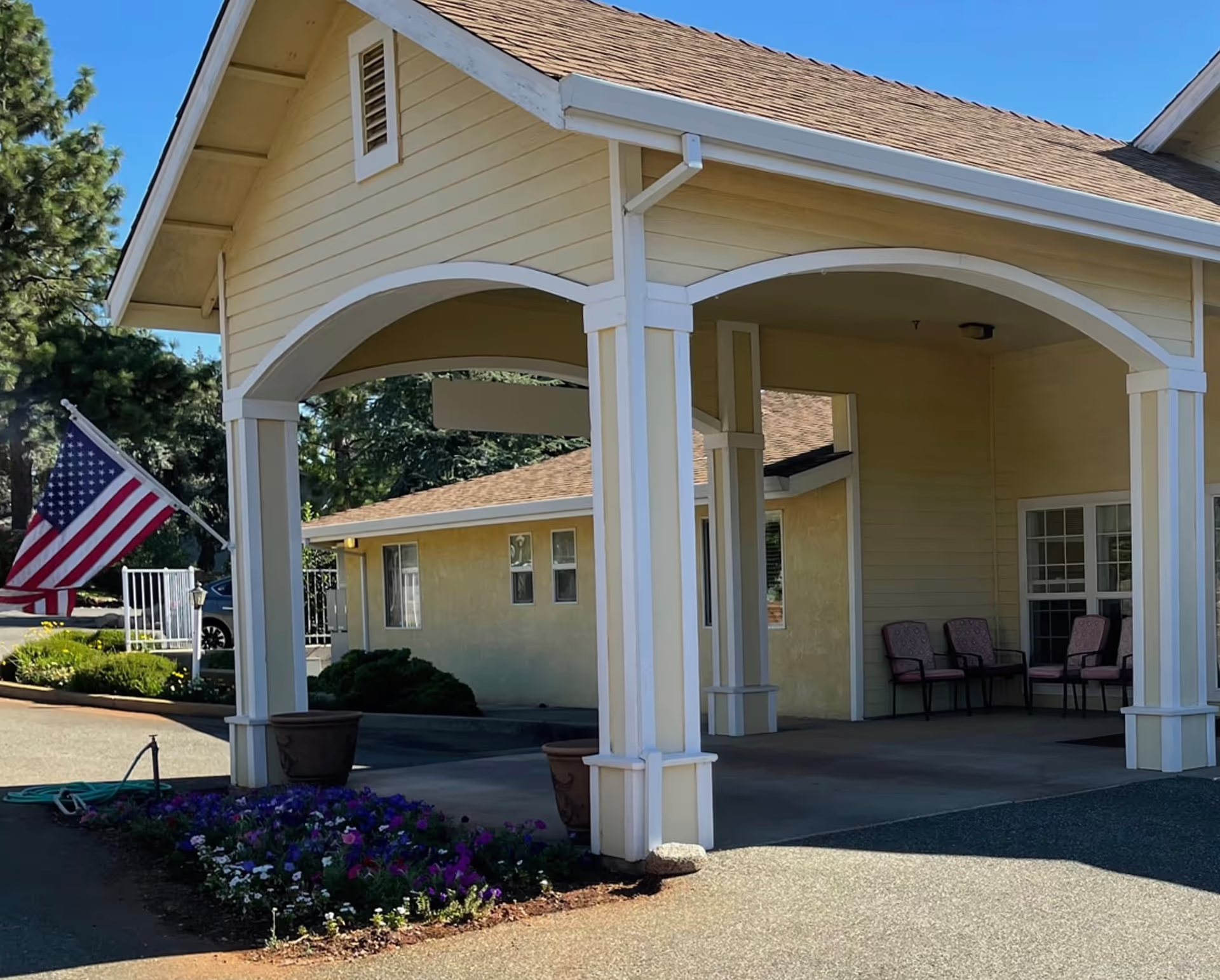
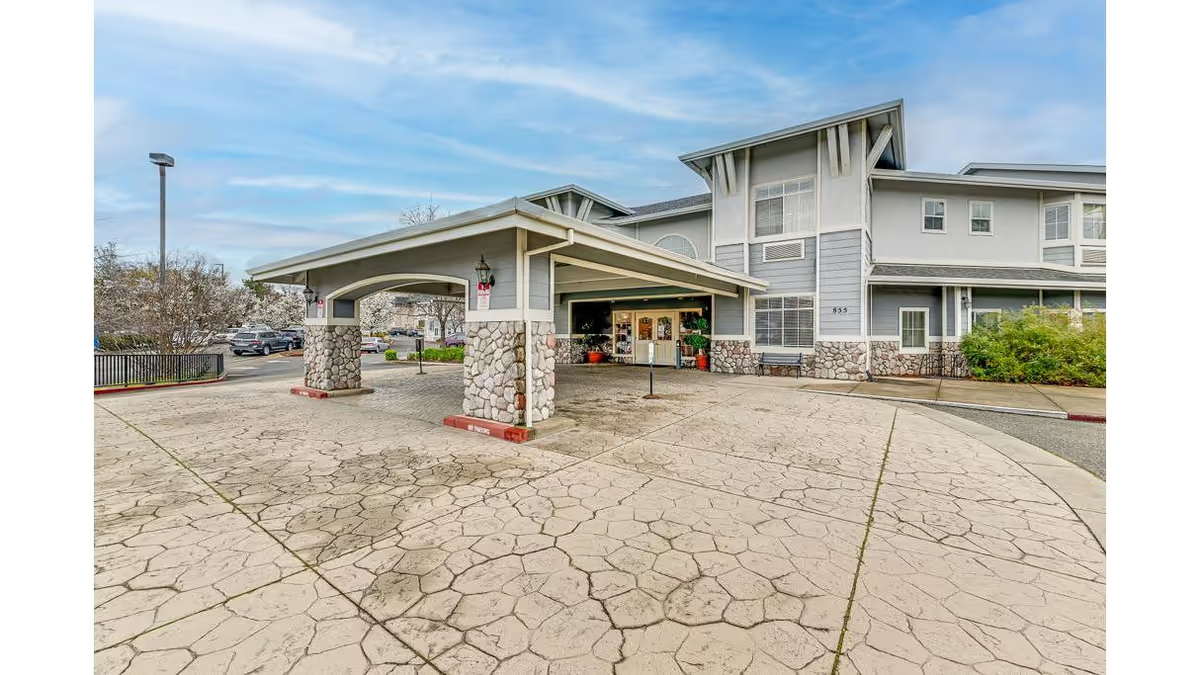
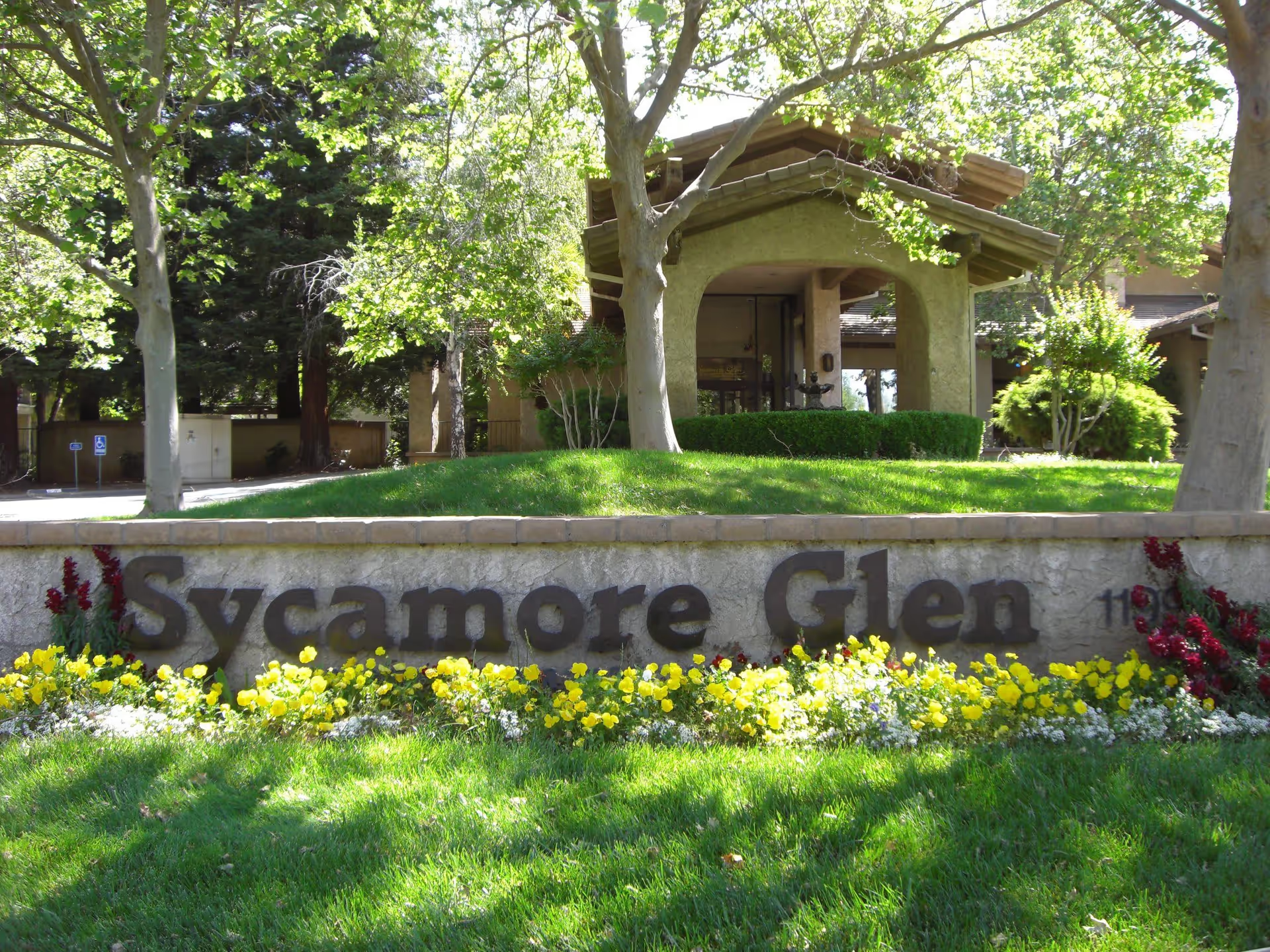
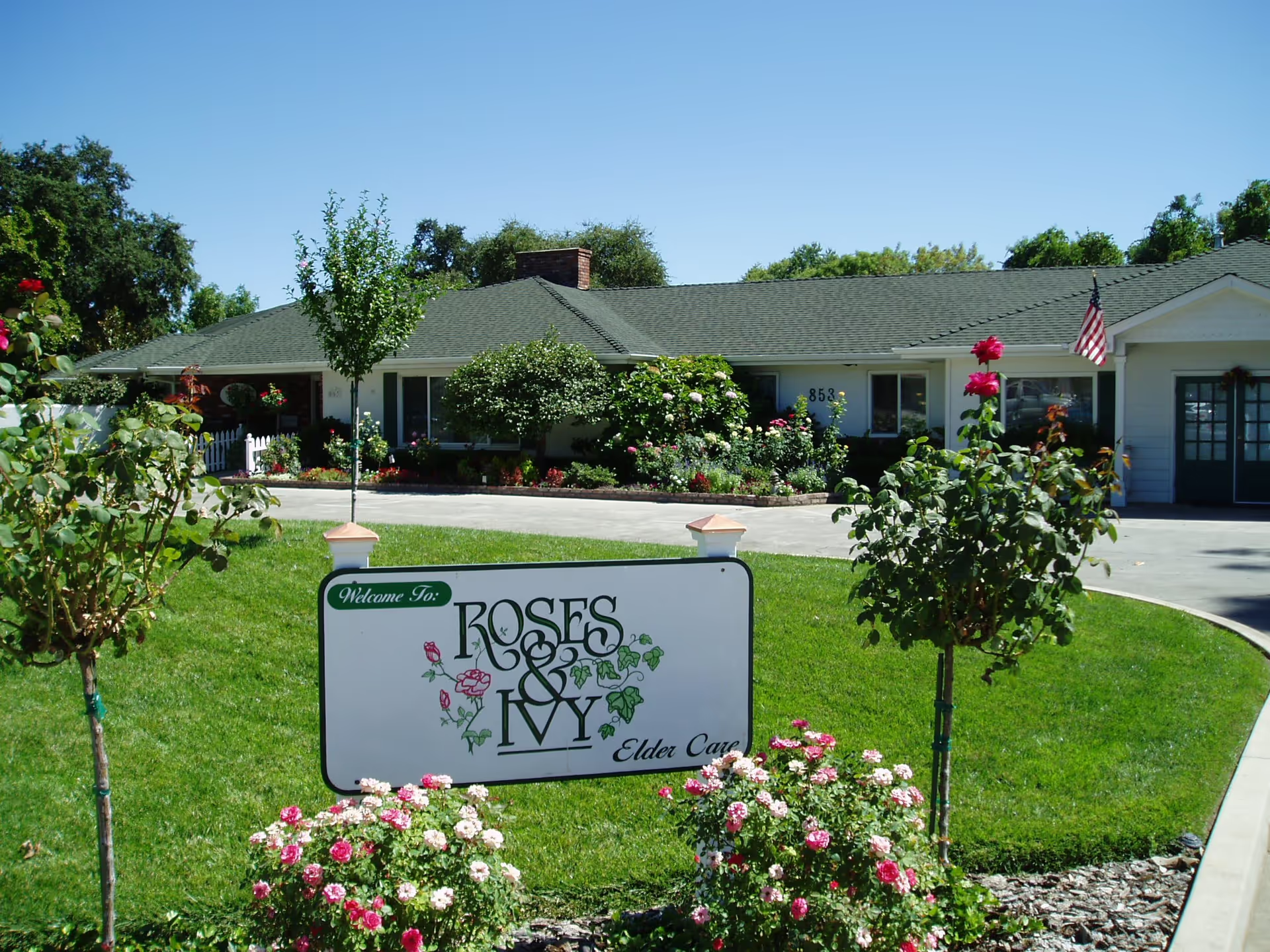
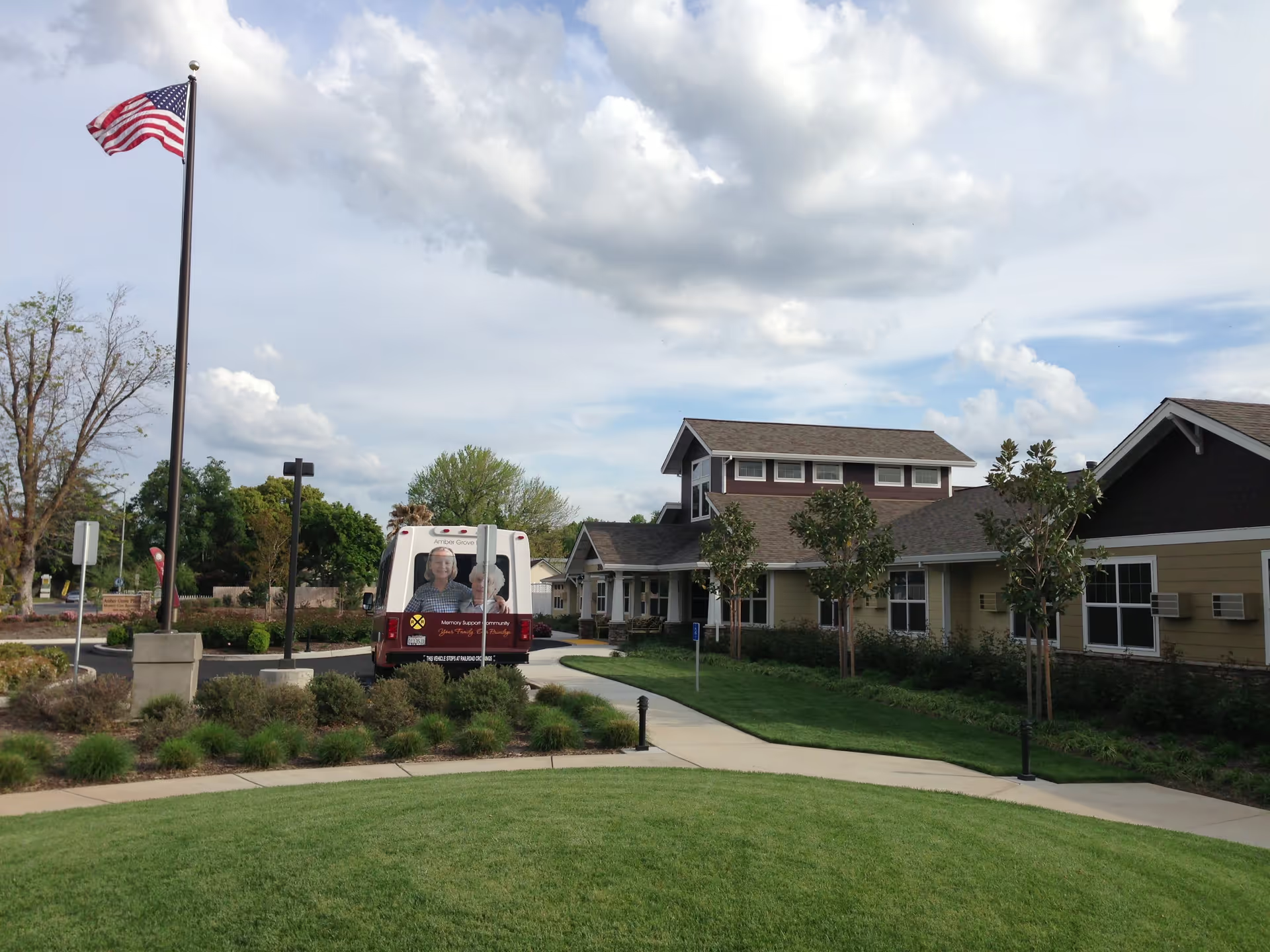
Facilities and environment: The physical plant is described as clean, well-maintained, and tastefully appointed. Several accounts used hospitality-oriented comparisons (hotel/Hilton-like) and noted a pleasant dining and common-area ambiance. Some reviewers described the décor as darker or less open compared with other communities, which may be a matter of personal preference. Pet policies and proximity to local services were cited as conveniences.
Safety, memory care, and management patterns: While memory-care programming and engagement receive favorable comments, there are operational concerns about supervision practices and safety protocols that warrant clarification during a tour. Reviewers also emphasized the importance of asking specific questions about memory-care meal textures, staffing ratios, and supervision procedures. Financial transparency and fee structure emerged as a recurring theme—some families view the community as worth the price, while others found costs and ancillary charges to be high relative to expectations.
Guidance for families: Prospective residents and families should weigh the community’s strong social programming, pleasant environment, and reportedly compassionate staff against operational trade-offs such as cost, administrative consistency, and specific memory-care practices. Recommended premove inquiries include: detailed information on memory-care meal textures and supervision protocols, current staffing levels and communication procedures, an itemized list of fees, and confirmation of activity schedules. A tour and direct conversations with care managers and dining staff can help verify current practices and policies.