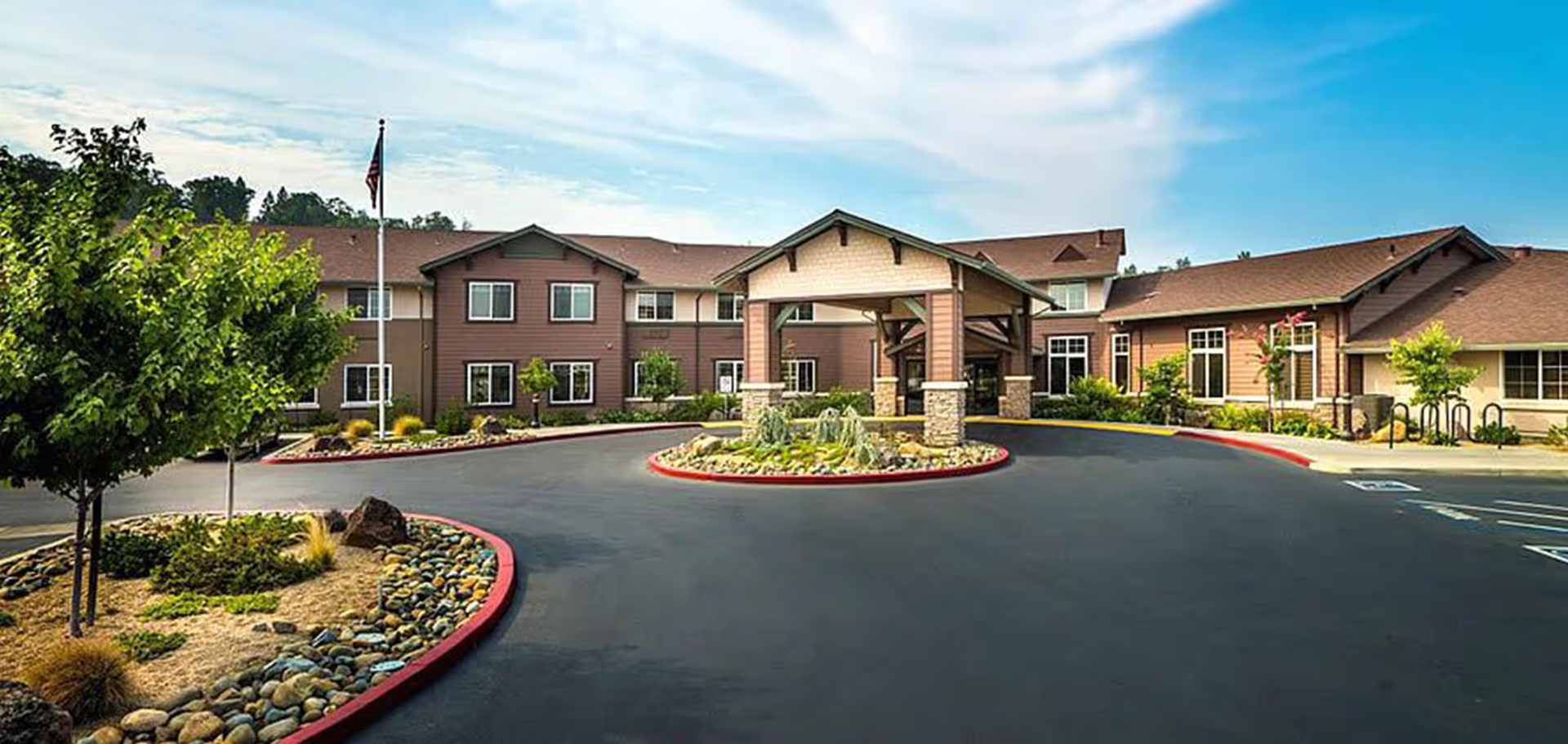
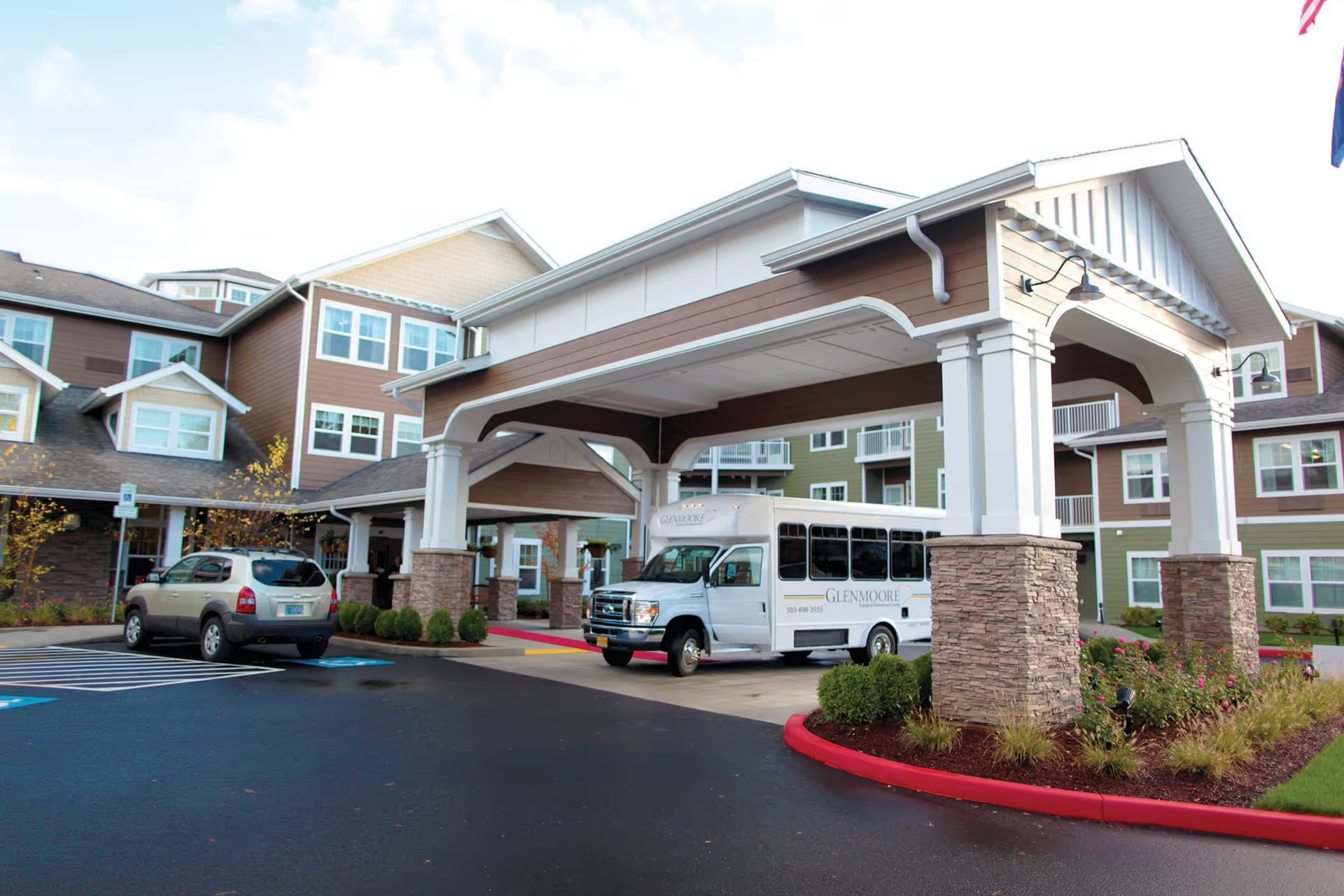
Gold Country Senior Living elicits a polarized but informative set of impressions. Many families and residents describe a warm, community-oriented environment with compassionate direct-care staff, an active social calendar, attractive outdoor areas, and a convenient downtown location. The campus is also noted for offering a full continuum of services—from independent living through skilled nursing and end-of-life care—with clinical strengths cited in rehabilitation and round-the-clock RN coverage.
Care and staff: Positive commentary centers on caring, patient-focused caregivers and supportive admissions staff who facilitate transitions. Several reviewers highlighted strong skilled nursing leadership and high-quality physical and occupational therapy. At the same time, a recurring operational concern is elevated staff turnover and what some describe as declining morale following organizational changes; prospective families should ask about current staffing levels, turnover rates, and continuity plans for clinical leadership.
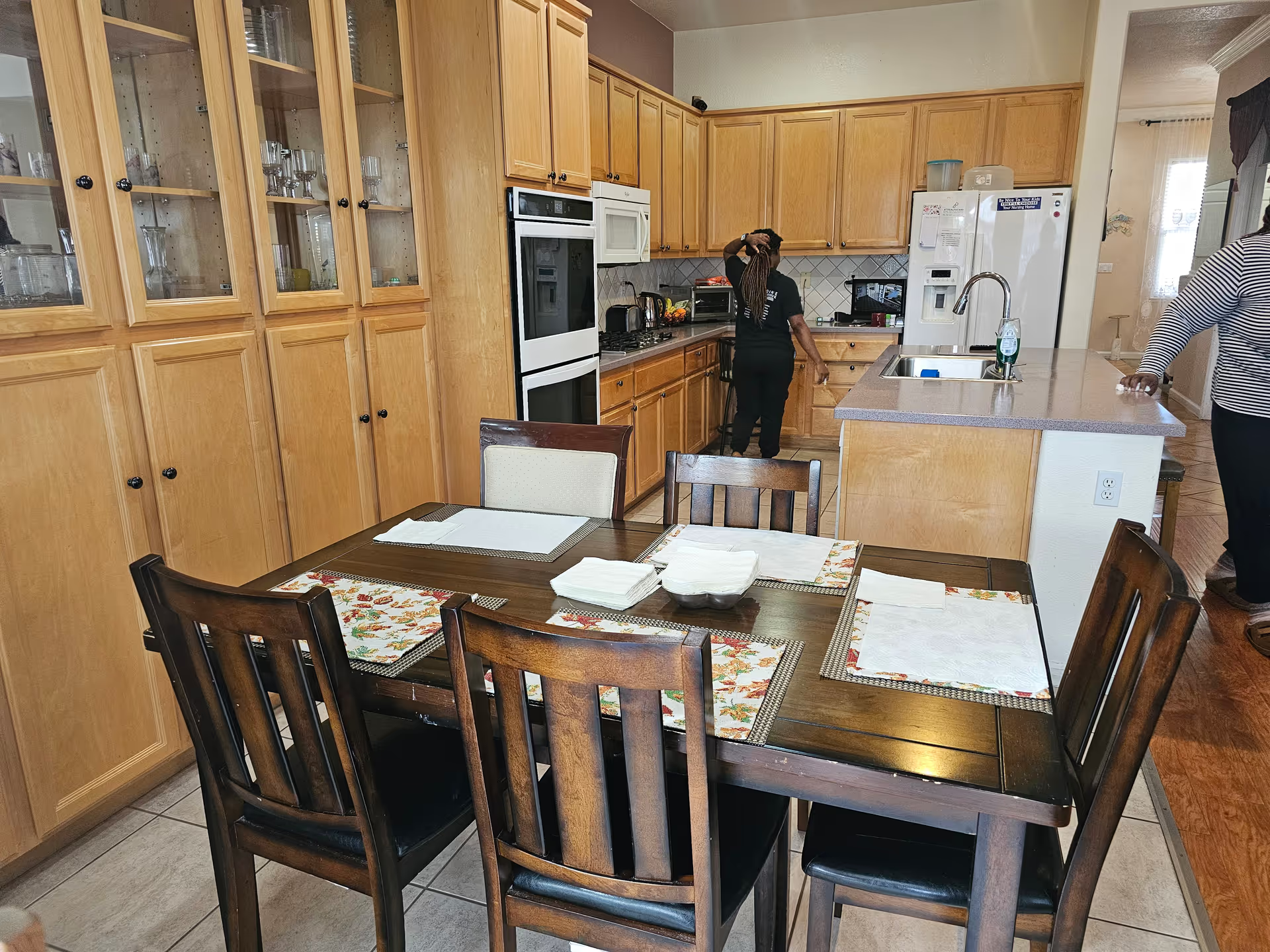
Dining and food service: Dining experiences are mixed. Multiple accounts praise talented cooks and enjoyable menus, while other comments identify inconsistent food quality, over-reliance on processed or frozen items, and insufficient fresh-vegetable offerings. Operational issues tied to kitchen sanitation and dishwashing practices were raised and should be explored during a tour. Dining logistics—table-only ordering, late-arrival seating delays, and requests for heating conveniences such as microwaves—also came up as service areas needing attention.
Activities and community life: The facility offers a range of social activities, programs (including music/piano), and outings that many residents find engaging. Reviewers noted that social opportunities increased residents’ satisfaction, though earlier COVID-related restrictions temporarily limited group gatherings.
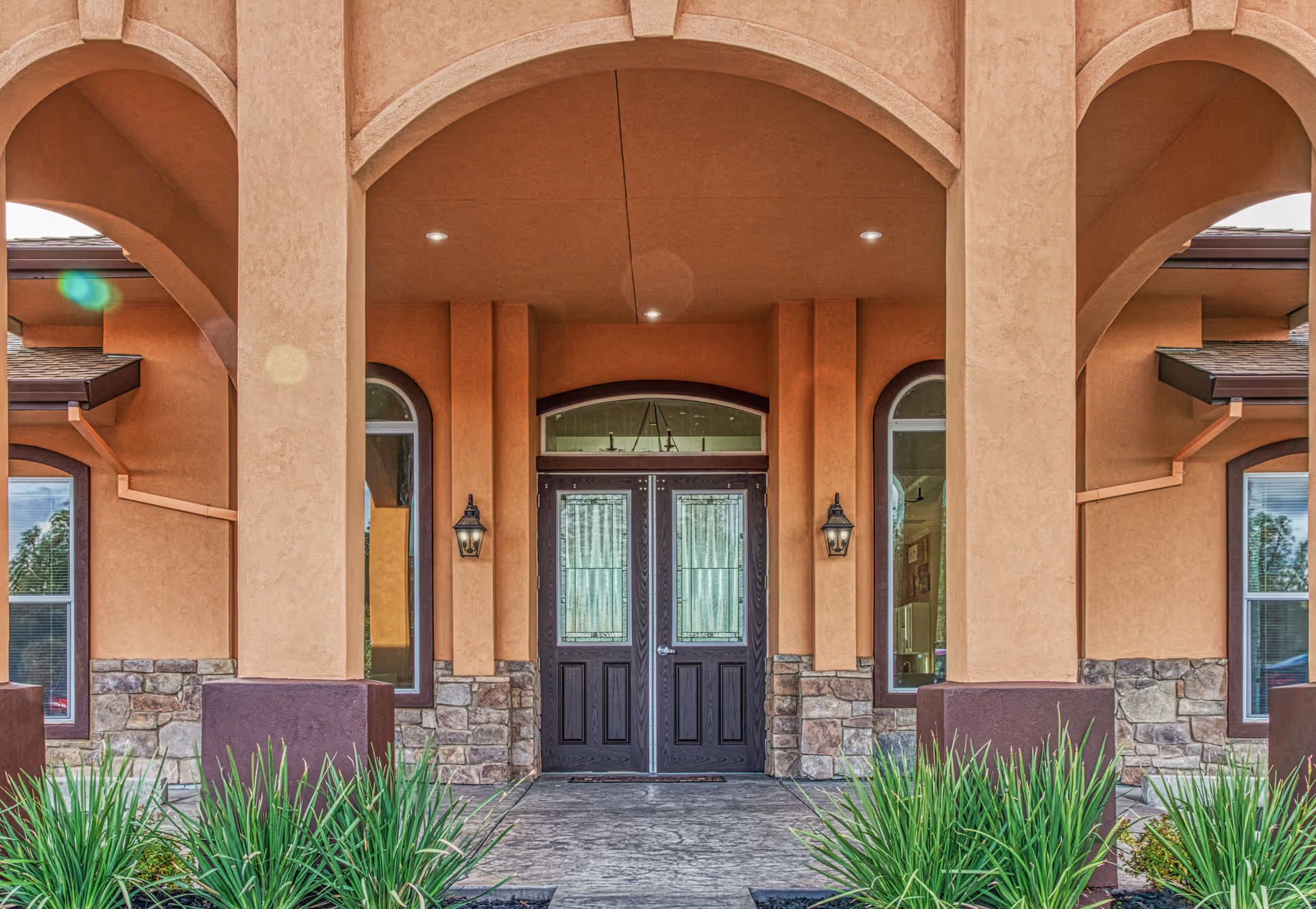
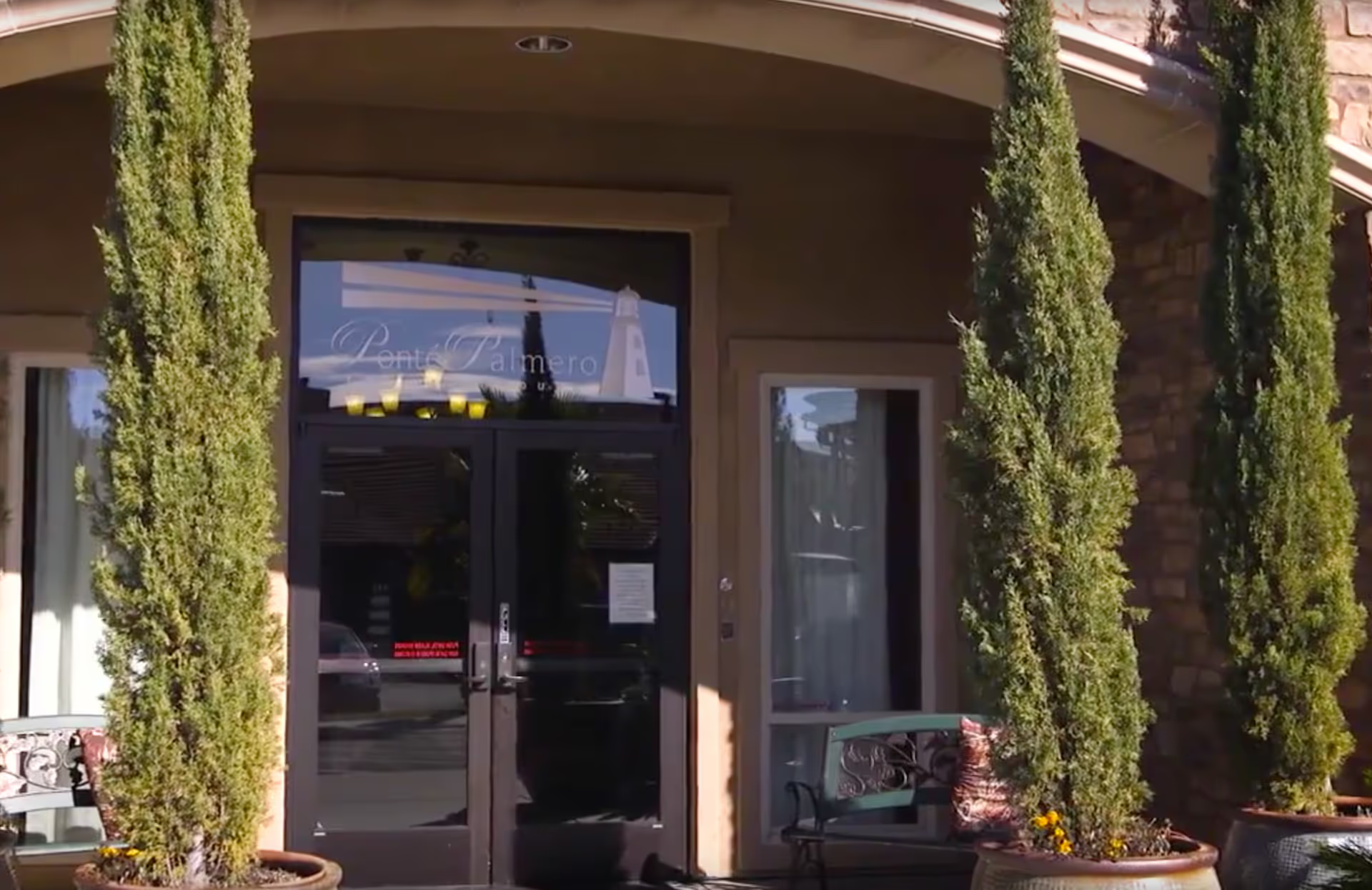
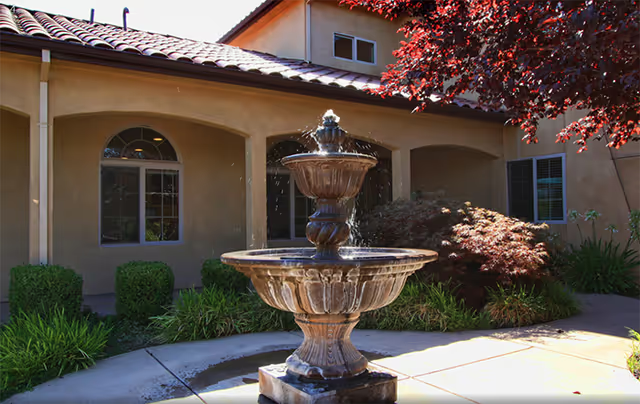
Facilities and maintenance: The property is frequently described as attractive, with well-maintained grounds and appealing common areas. Renovations have modernized finishes, but some design choices (notably new wood-like flooring and more uniform decor) prompted concerns about increased hallway noise, slipperiness, and wayfinding loss compared with the facility’s previous layout. Reported maintenance issues include intermittent HVAC failures, overheated corridors, elevator outages, and variable responsiveness to repair requests. Pest-control concerns and smell/possible mold issues around some service areas were cited and merit inspection.
Management and operations: There is a clear pattern of mixed feedback around management practices. Positive notes reference helpful front-line staff and effective move-in support. Conversely, reviewers raised concerns about management communication, pricing transparency (including documented price increases), and operational stability after an ownership transition. Technology setup, such as internet configuration, was mentioned as problematic in some cases.
Overall pattern and guidance: The overall picture is one of a facility with strong relational and clinical strengths that is experiencing operational inconsistencies in food service, maintenance, and management communication. Experiences vary widely between residents and over time, so an in-person, detailed tour is advisable. Suggested topics for prospective residents and families to cover during a visit include current staffing ratios and turnover, kitchen sanitation protocols and meal samples, recent HVAC and elevator repair history, pest-control measures, details of recent renovations and fall-risk mitigation, pricing and contract terms, and references from current residents or families. This targeted inquiry will help clarify whether the facility’s strengths align with an individual’s care and lifestyle priorities.