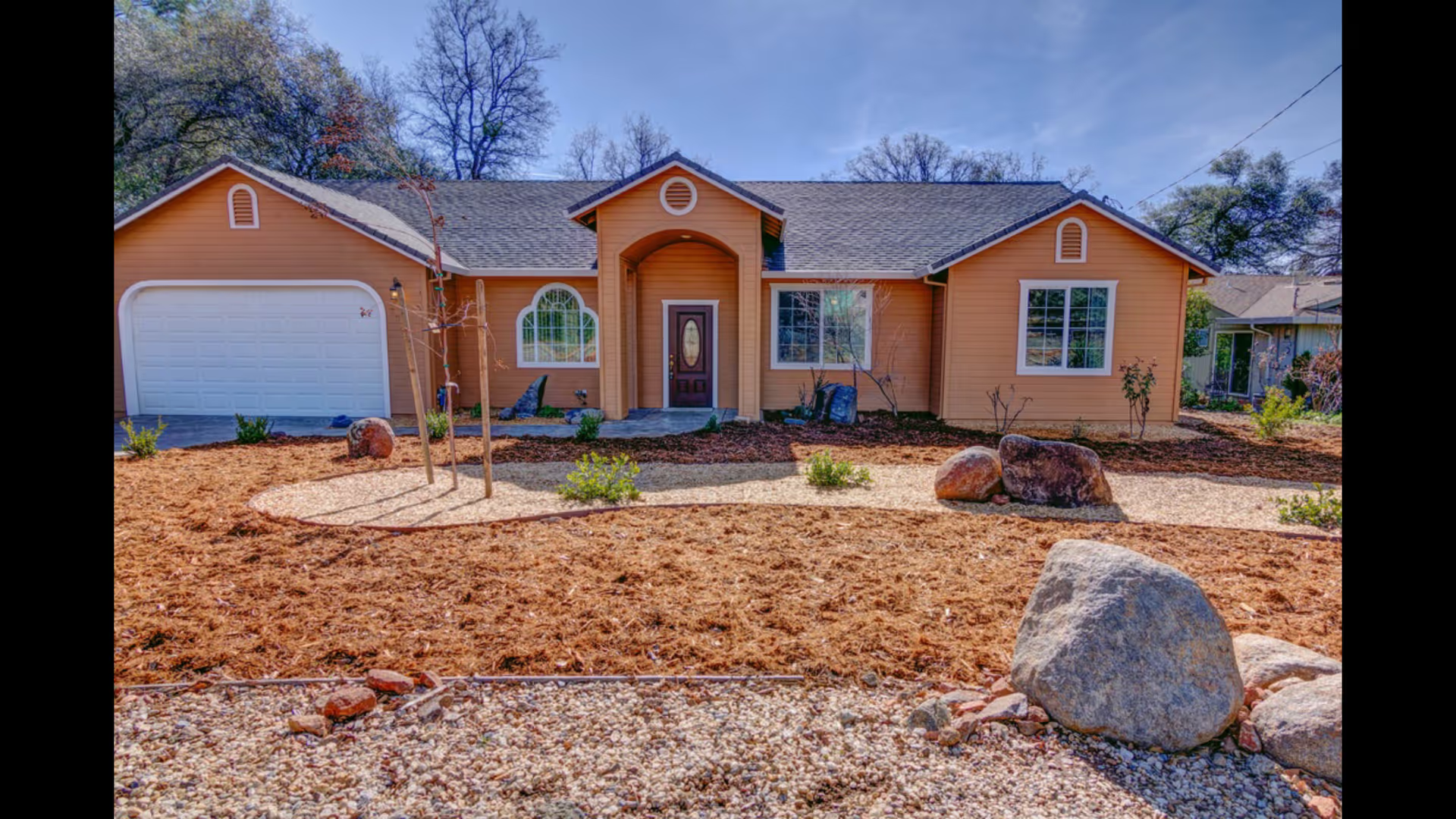
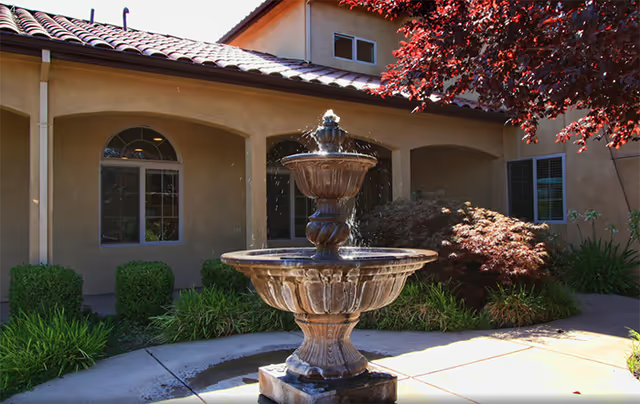
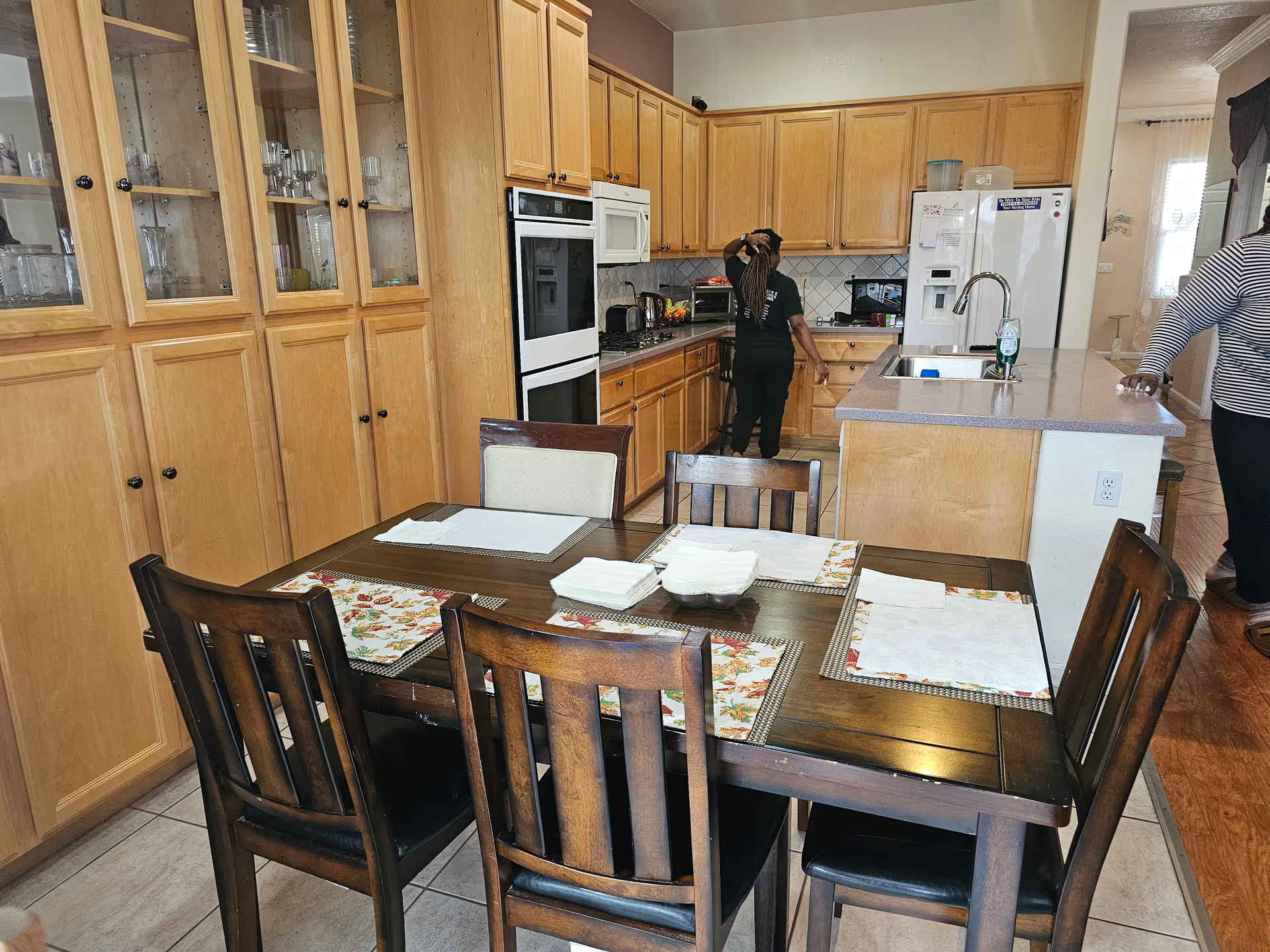
Sunshine Manor presents as a small, family-run residential care home with a consistent theme of a home-like, intimate environment. It operates at a very small scale (around 12 beds), which many families and visitors described as fostering a strong sense of community, continuity of caregivers, and a welcoming dining and living-room setting. The facility’s location near a hospital and its affordable, stable pricing structure (base rent with few extras) are further strengths for families seeking proximity to medical services and predictable costs.
Care and staffing are frequently cited as the facility’s primary strengths. Reviewers most commonly praised warm, compassionate caregivers, low staff turnover, and a favorable caregiver-to-resident ratio. Staff are credited with quickly meeting special dietary needs and accommodating personal preferences, and night-shift coverage has also been described as supportive. At the same time, there are operational concerns around care for residents with higher needs: several accounts noted that staff may struggle to allocate sufficient time or specialized attention for agitated or high-dependency residents, and there are specific medication-management practices (visible medication storage in shared areas and single-person handling) that families should review with management to confirm clinical oversight and separation of duties.
Dining is a consistent positive. Home-cooked, hearty meals and a willingness to accommodate diets are repeatedly praised; some reviewers described the food as outstanding and home-style. A minority of comments raised concerns about repetition or inconsistency in menu quality, so prospective families may wish to sample meals and ask about menu rotation and special-diet processes.
Activity programming and social life show mixed impressions. The home offers daily events, music, dancing, and regular outings and entertainment, and many residents appear comfortable and engaged in the communal living areas. However, other accounts characterize the activity schedule as limited or insufficiently individualized for certain residents; families wanting a more robust, personalized activity plan should discuss options and examples of individualized engagement during a tour.
The physical plant and maintenance are another area of mixed feedback. Several reviewers noted tidy, well-kept common spaces, updated room features (tile, ready-to-use rooms), and accessible elements such as grab bars and wheelchair access. Conversely, others raised sanitation concerns (particularly in kitchen/food-prep areas), aging attributes of the house (small doorways, limited bathrooms, centralized bathing), and outdoor issues like uneven pavement and areas that may not be safe for walkers. These facility-level constraints reflect the building’s historic/home style, which can limit mobility and bathing options for some residents.
Management and transparency show both positive and cautionary signals. As a family-run operation, management is described as approachable by many families, and pricing and inclusions are generally viewed as straightforward. At the same time, there are mixed reports about administrative responsiveness and a low online presence, which can make independent verification and research more difficult. There are also occasional strong negative accounts of administration and service practices; these represent individual perspectives and underscore the value of in-person assessment and direct questions about policies.
In summary, Sunshine Manor is best suited for individuals seeking a small, homelike setting with steady caregivers, home-style meals, and proximity to medical services. Prospective residents and families should schedule an in-person visit to evaluate: current staffing levels across shifts, medication administration protocols and storage, sanitation and kitchen practices, bathroom and bathing arrangements, outdoor-pathway safety, and the activity calendar’s fit for the prospective resident’s interests and needs. Requesting documentation (staffing ratios, medication policies, sample menus and activity schedules, and recent inspection or maintenance records) and speaking with current families on site will help determine whether the facility’s strengths align with the prospective resident’s care requirements.