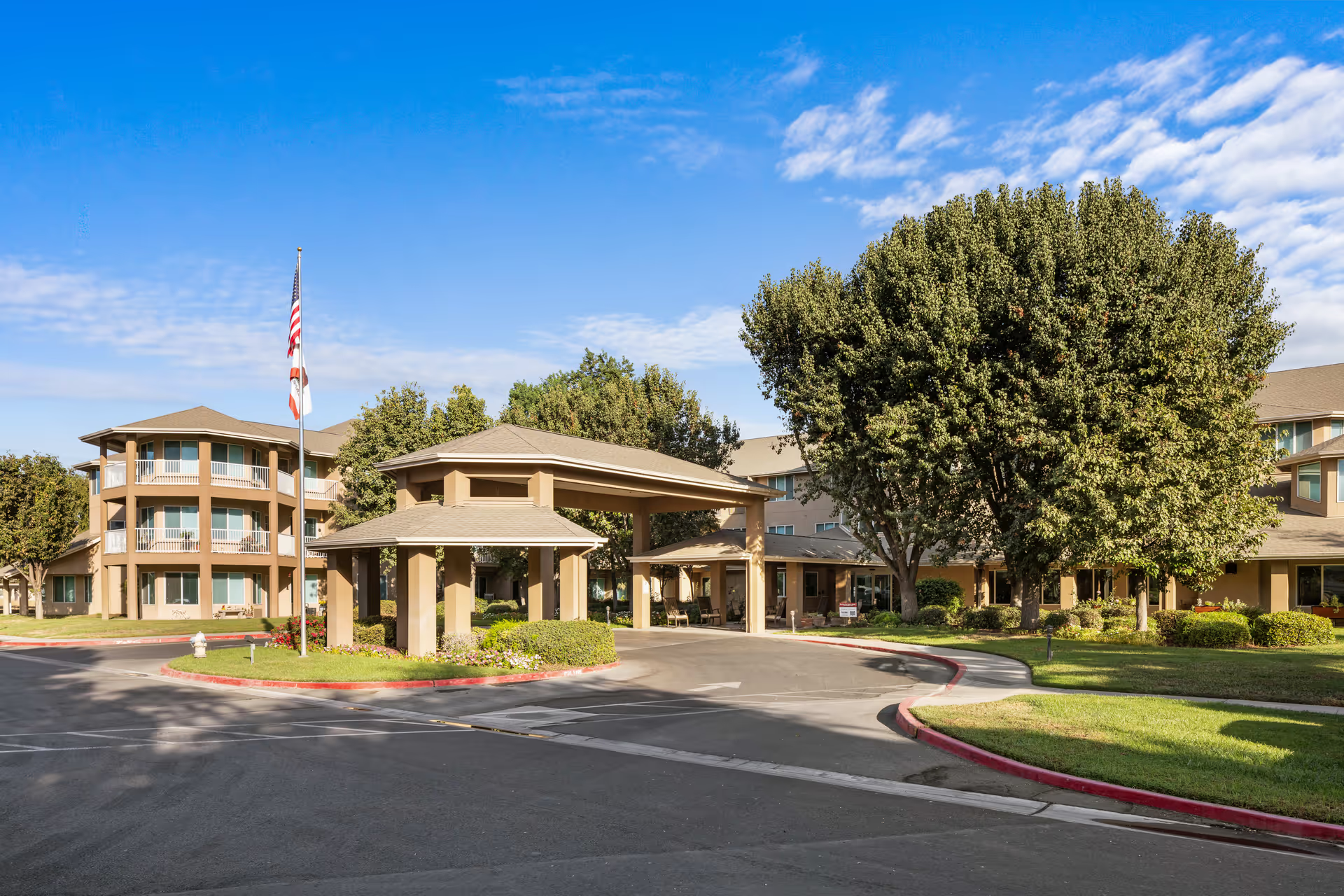
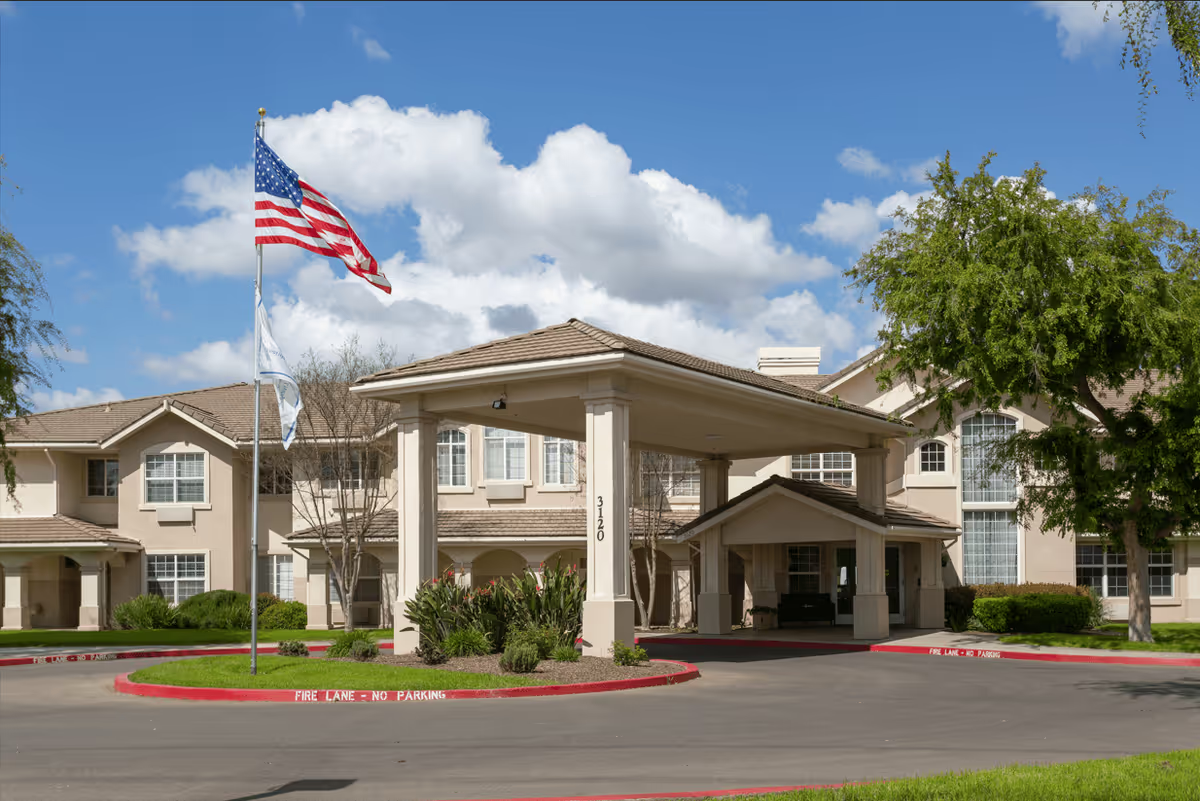
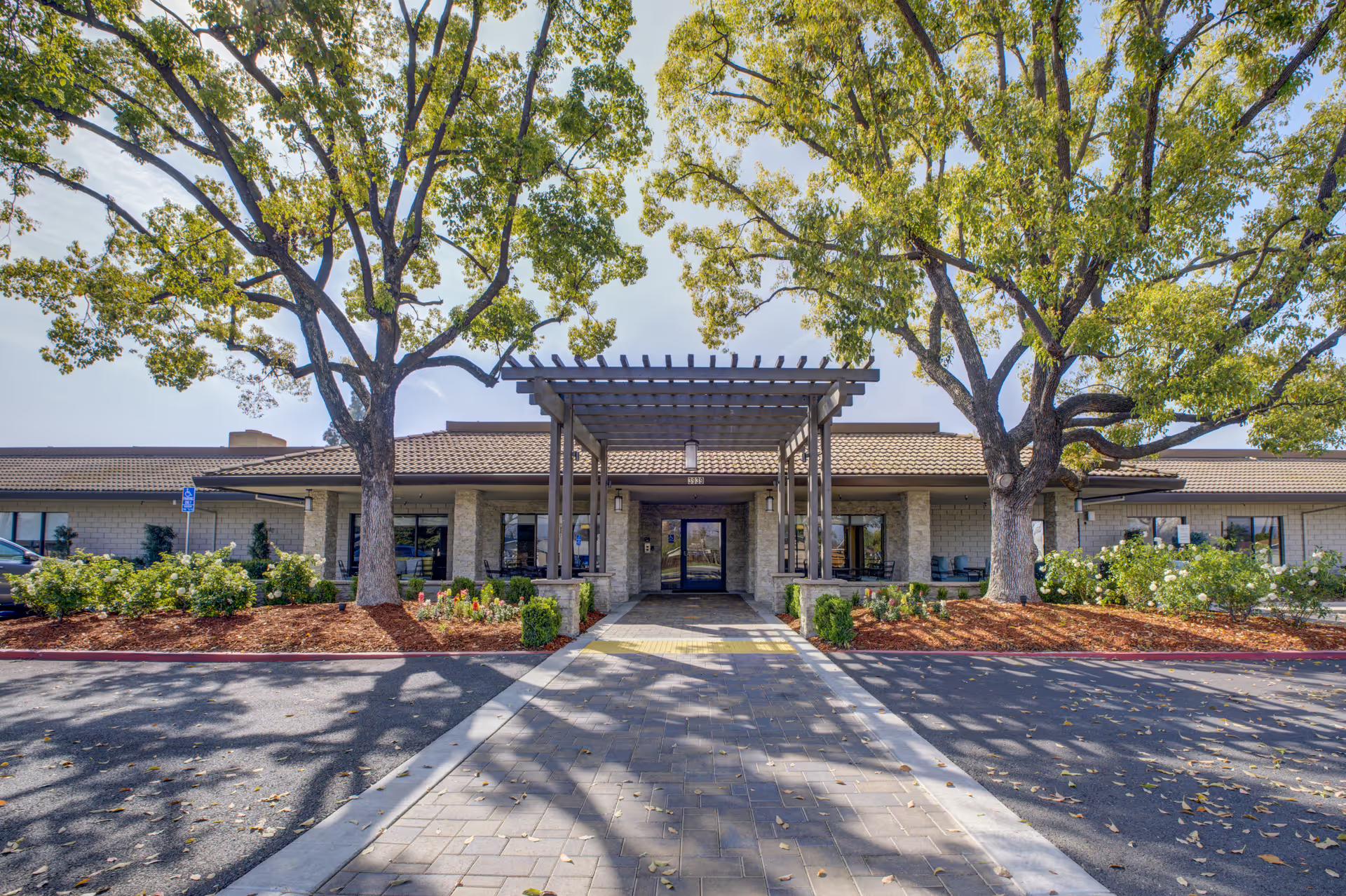
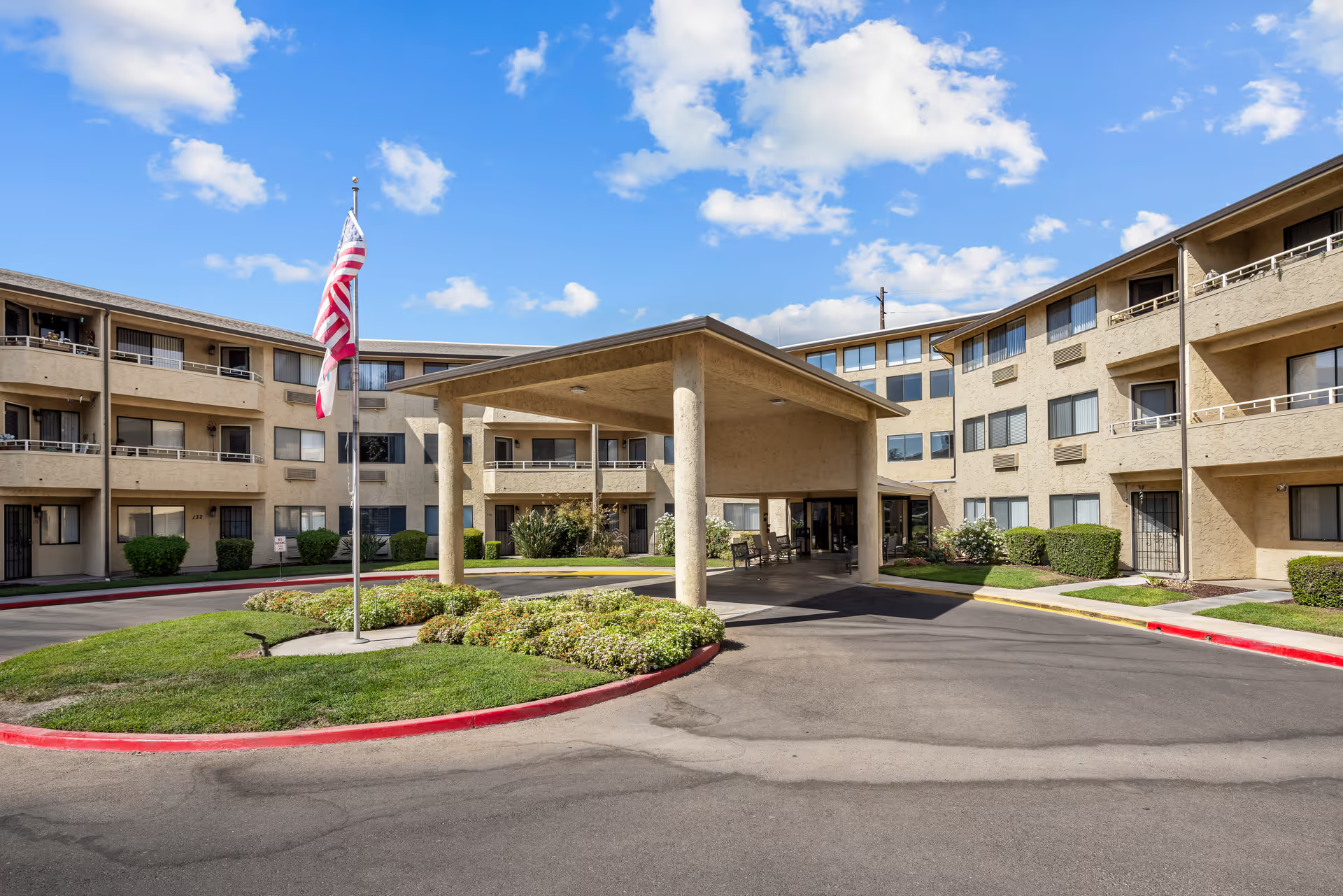
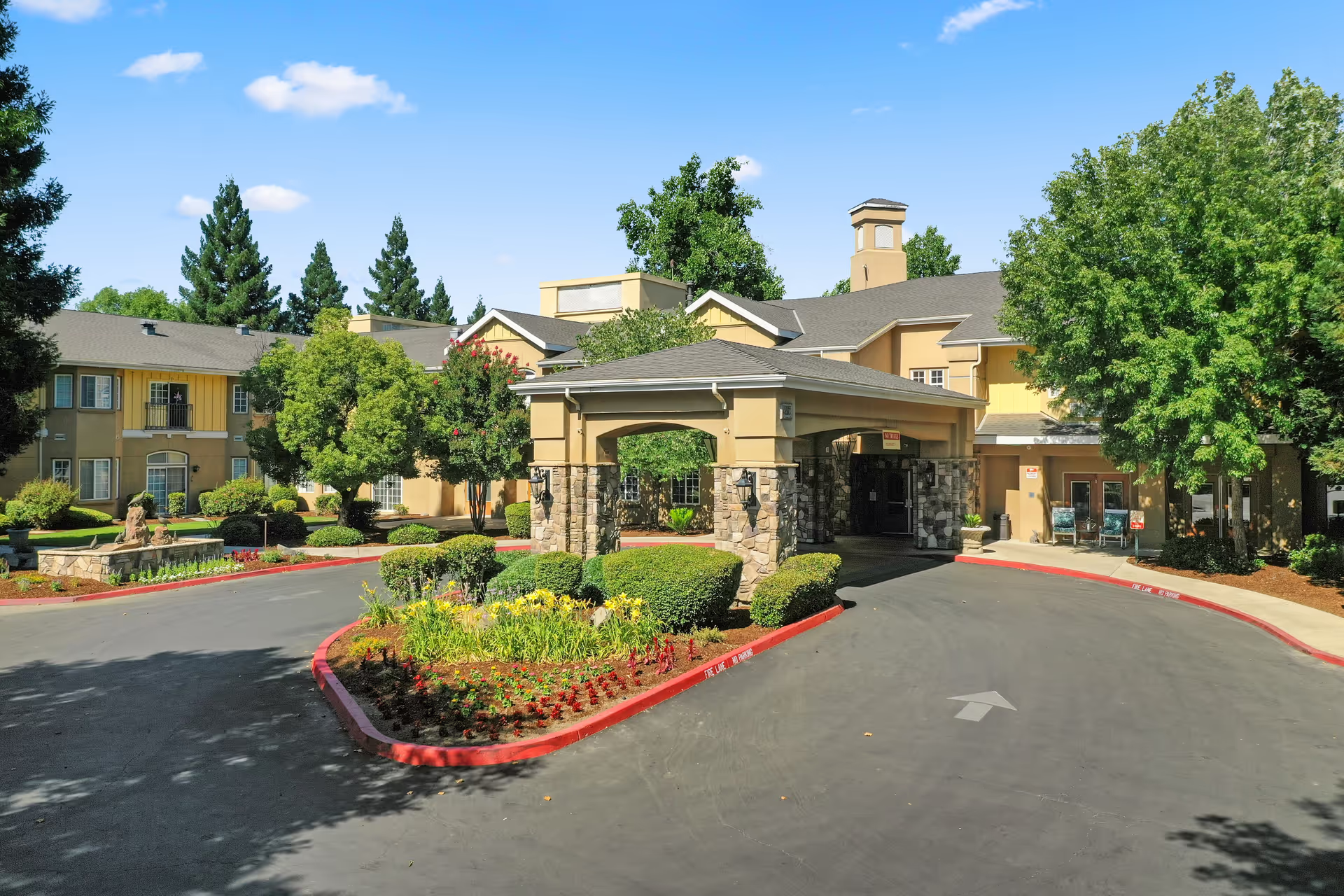
The reviews present a mixed picture of Porterville Developmental Center, with clear strengths alongside several operational concerns. Positively, visitors and families describe caring, friendly interactions with many front-line staff, and multiple comments highlight a clean, well-kept facility and positive visitation experiences. Some days and activities are described as uplifting for residents, suggesting that programming can provide meaningful engagement on occasion.
Care quality appears variable. While many families experienced attentive, compassionate caregivers, others raised concerns about staff conduct and responsiveness. There is specific mention of staff communication tone and episodes that families found troubling; in at least one instance reviewers escalated concerns to request an investigation. These accounts point to uneven interpersonal skills and gaps in behavioral-management approaches rather than a uniform standard of practice across the facility.
Staffing and clinical services show inconsistent competency in reviewers' eyes. Several comments reference inexperienced therapy or teaching staff and occasions when questions were ignored, which suggests uneven training, supervision, and accountability among therapeutic and instructional personnel. Reviewers also noted limitations in services for individuals with mental-health disabilities, indicating that families should ask about staff qualifications, behavioral supports, and access to specialized mental-health expertise during care transitions.
There is limited information about dining in the submitted summaries; no clear patterns about food quality, menus, or meal-service processes were provided. Activities are occasionally praised as providing good days for residents, but the detail is sparse and variable, implying that program quality may depend on staffing and scheduling.
Facility upkeep is a relative strength: cleanliness and maintenance were specifically mentioned as positive attributes. Management and administrative responsiveness, however, are areas of concern for some families. Comments about investigations, plans to contact ownership, and difficulty obtaining satisfactory responses highlight perceived gaps in incident documentation, follow-up, and family communication. Prospective families should seek clear descriptions of incident-response protocols, escalation paths, and how the facility communicates with families after safety or conduct concerns.
Notable patterns: the feedback juxtaposes genuinely positive interpersonal interactions and a clean environment with serious concerns about inconsistency in staff behavior, training, and mental-health support. For prospective residents and families, recommended focus areas during visits include meeting the therapy and instructional teams, reviewing behavioral-management policies and training, asking for examples of recent incident investigations and follow-up, and assessing how the facility supports residents with mental-health needs. This approach will help clarify whether the center’s strengths align with a particular resident’s needs and expectations.