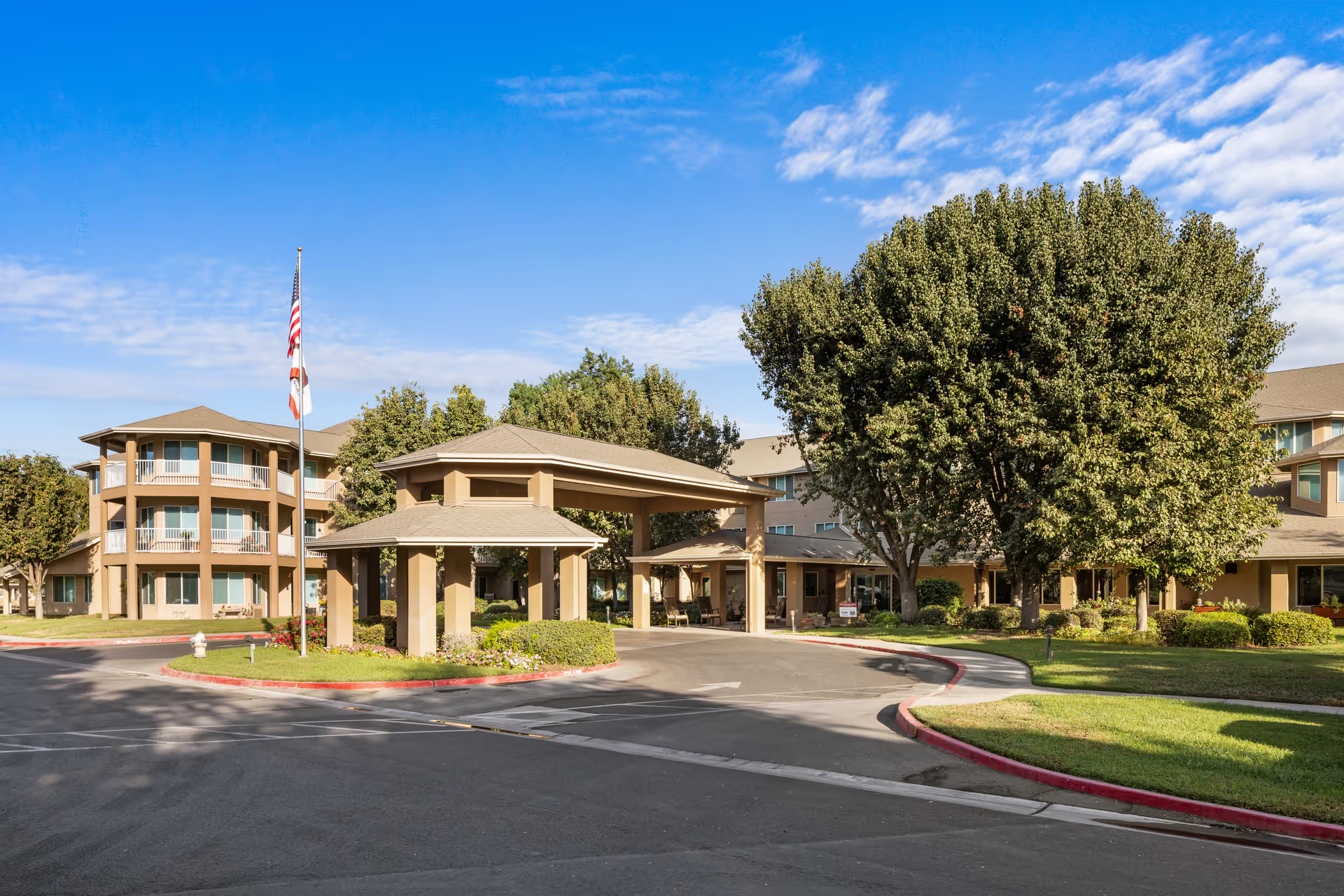
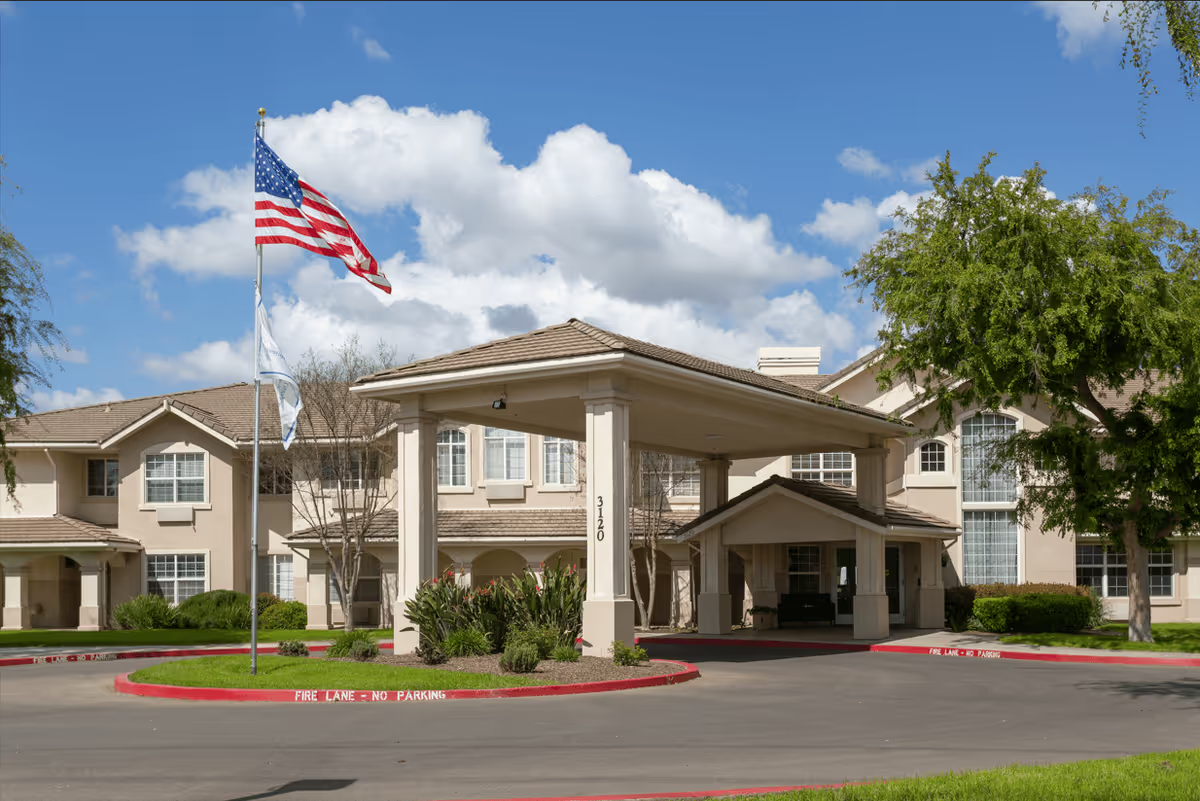
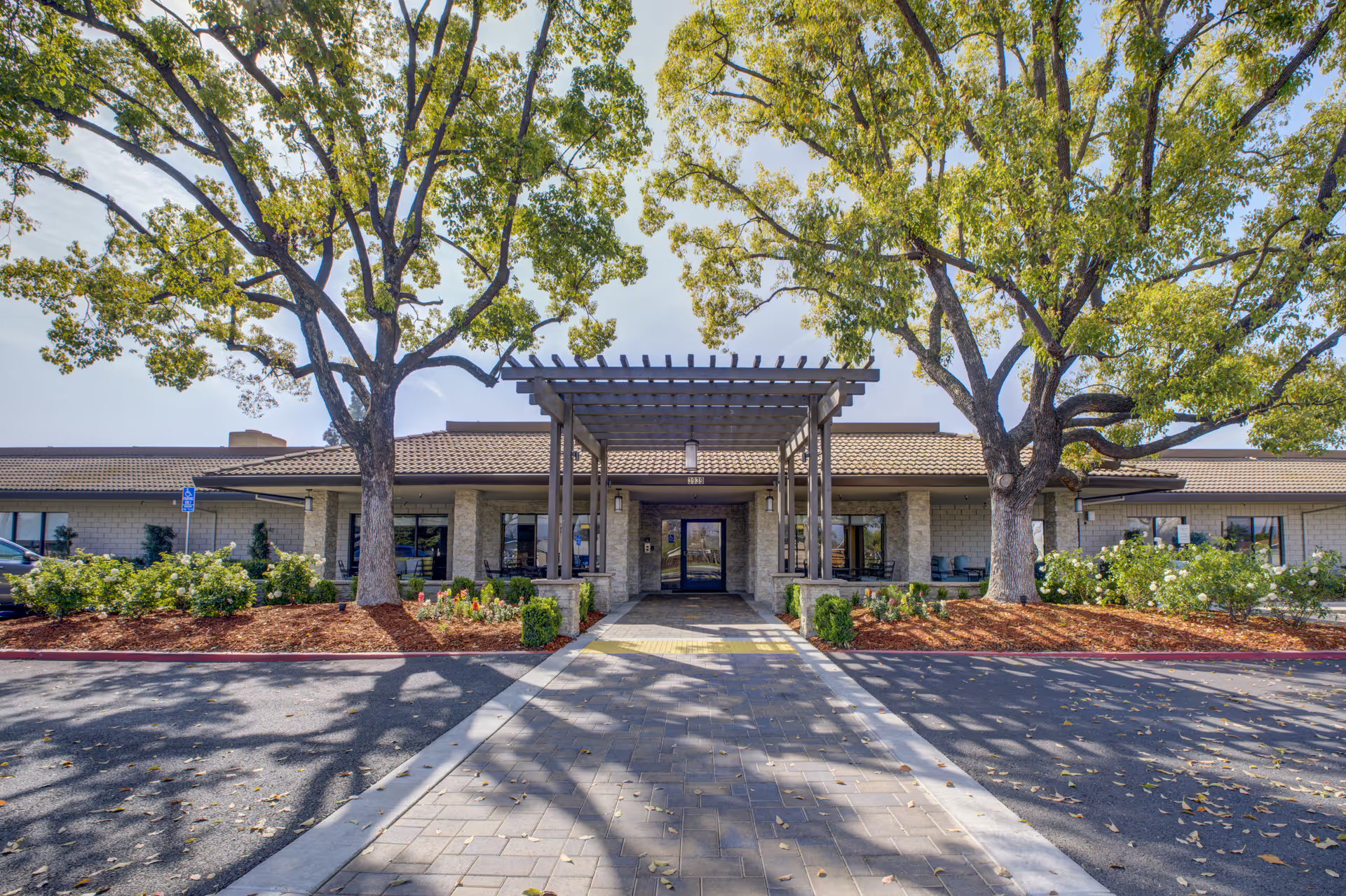
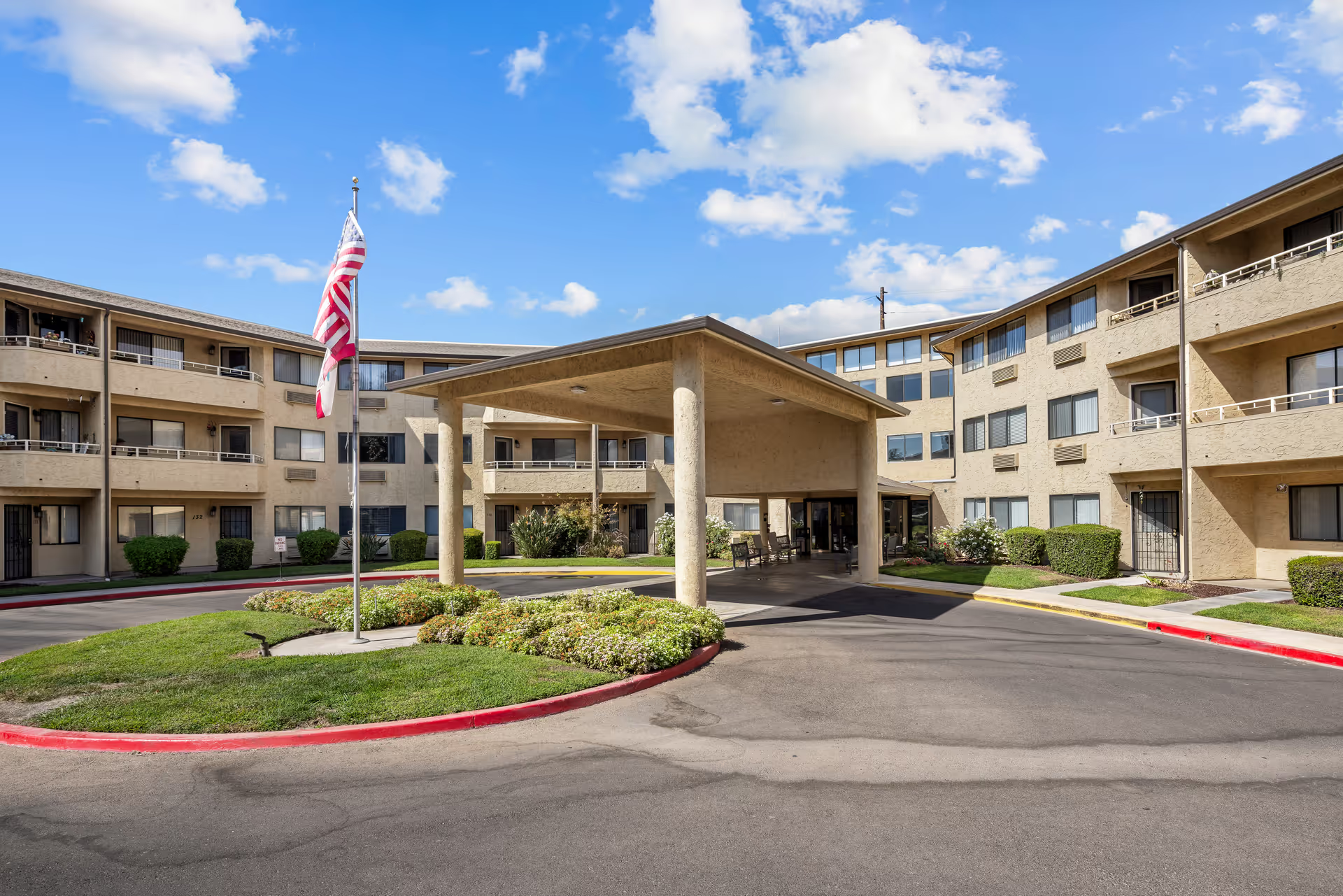
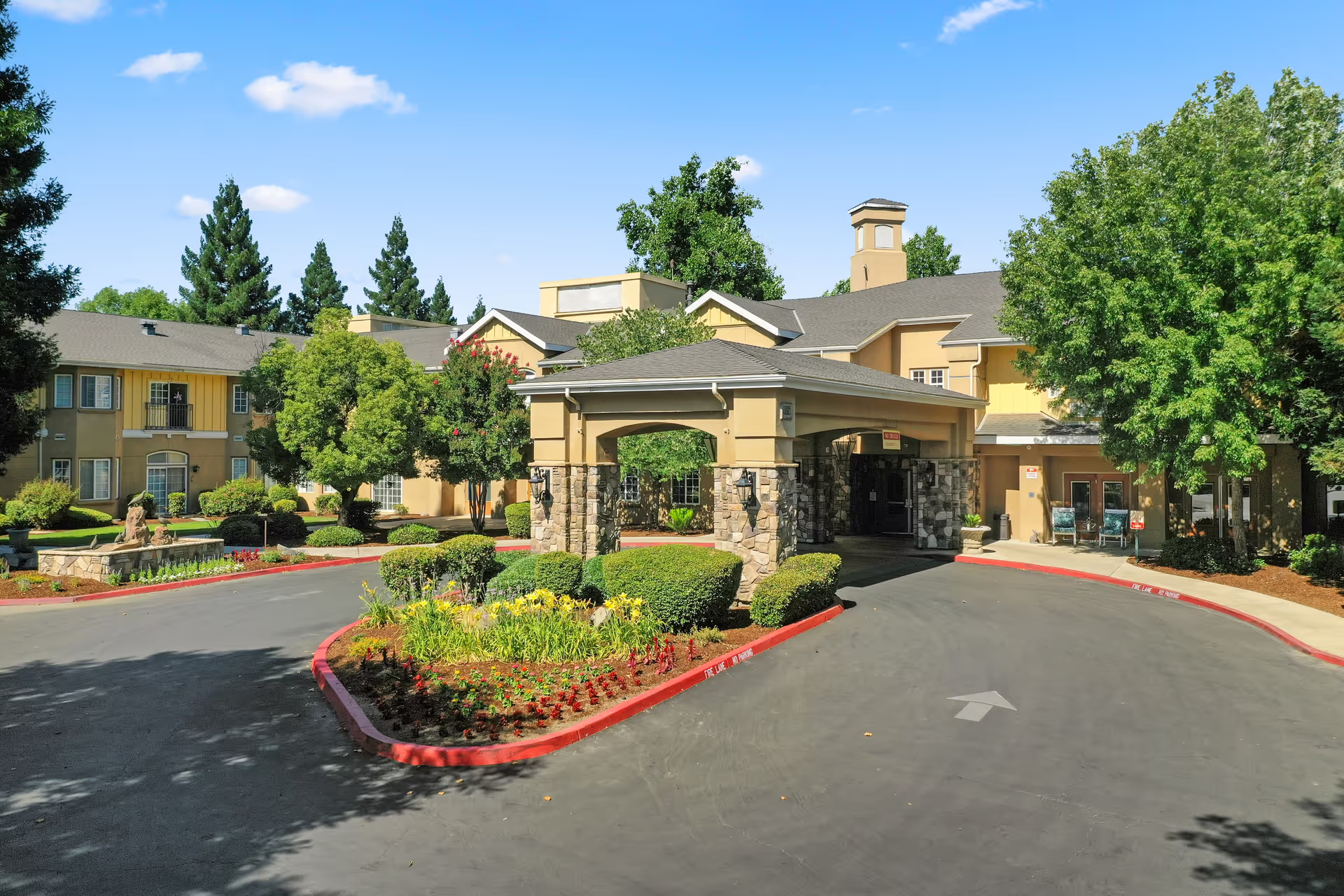
Sequoia Transitional Care presents a mixed profile. Positive accounts emphasize a clinically strong rehabilitation program, with a large, well-equipped therapy gym and dedicated therapists who support successful discharges. Many families describe attentive nursing and CNA care, daily room housekeeping, spacious rooms, a generally clean environment, and a home-like atmosphere enhanced by recent remodels and pet-friendly policies. Several reviews single out individual staff members and teams as professional, compassionate, and effective at helping residents recover strength and return home.
At the same time, a number of operational weaknesses recur in reviews. Staff responsiveness is inconsistent: families describe variable wait times for CNAs and RNs and occasional delays in attending to clinical needs. There are specific concerns about medication decision-making and how emergencies are escalated, which, combined with reported transfers to emergency care, point to opportunities for clearer clinical protocols and faster response workflows. Wound care and infection-management practices are uneven across cases, indicating a need for more consistent clinical oversight.
Administrative and management issues are another pattern. Communication gaps include late or inadequate notification about billing/insurance changes and end-of-life events, as well as scheduling difficulties for visits and activities. There are serious financial-control concerns, including allegations of misdirected deposits and missing personal funds, and separate complaints about missing personal items; both suggest the facility should strengthen financial safeguards and property-protection procedures. Facility maintenance problems, notably plumbing and localized odor concerns, were raised alongside reports that some issues were later addressed, suggesting unevenness in maintenance responsiveness.
Dining and daily living receive mixed evaluations: some families praise food and hospitality, while others point to limited portions or inconsistent meal quality. Activity programming and the social environment are described positively when staffing and scheduling are stable, but coordination problems with visitation and the social director were noted in other accounts.
Overall, Sequoia Transitional Care appears to offer strong rehabilitation infrastructure and many compassionate caregivers, but prospective residents and families should evaluate administrative safeguards and clinical-consistency measures during a visit. Recommended pre-admission questions include inquiries about emergency-response protocols, wound-care oversight, financial/accounting controls and property-protection policies, staffing responsiveness expectations and typical CNA/RN response times, meal plans and portion sizes, and recent maintenance resolution histories. A tour of the therapy spaces and conversations with current families or care managers may help clarify whether the facility’s strengths align with an individual resident’s priorities.