Overall impression: Reviews present a mixed but distinct pattern. Many reviewers praise the people working at the facility — CNAs, nurses, therapists, and the activity staff are frequently described as compassionate, attentive, and effective. At the same time, there are recurring operational and care-delivery concerns that prospective families should assess carefully before placement.
Care and staff: Strengths center on individual caregivers and therapy teams. Multiple accounts highlight effective physical and occupational therapy, successful stroke/rehab nursing support, and caregivers who go above and beyond routine duties. Long-tenured staff and a warm, resident-centered culture are repeatedly cited as contributors to continuity of care. Offsetting these strengths are reports of uneven staffing stability and periods of understaffing that correlate with delays in responding to resident needs. There are also described gaps in clinical coordination — for example, missed appointments and slow communication with physicians or family — that could impact complex or medically fragile residents.
Dining and activities: Activity programming is consistently identified as a positive feature: a full-time activity director, volunteer engagement, and a lively calendar of events contribute to an engaged resident population. Nutritional support is another strong point in many accounts; a dedicated dietitian and the ability to accommodate special diets are noted. However, dining quality appears inconsistent across accounts. Several reviewers describe very good, restaurant-quality meals and proactive server behavior, while others describe poor kitchen organization, resistance to meal substitutions, and irregular service practices. This suggests variability in daily food-service execution.
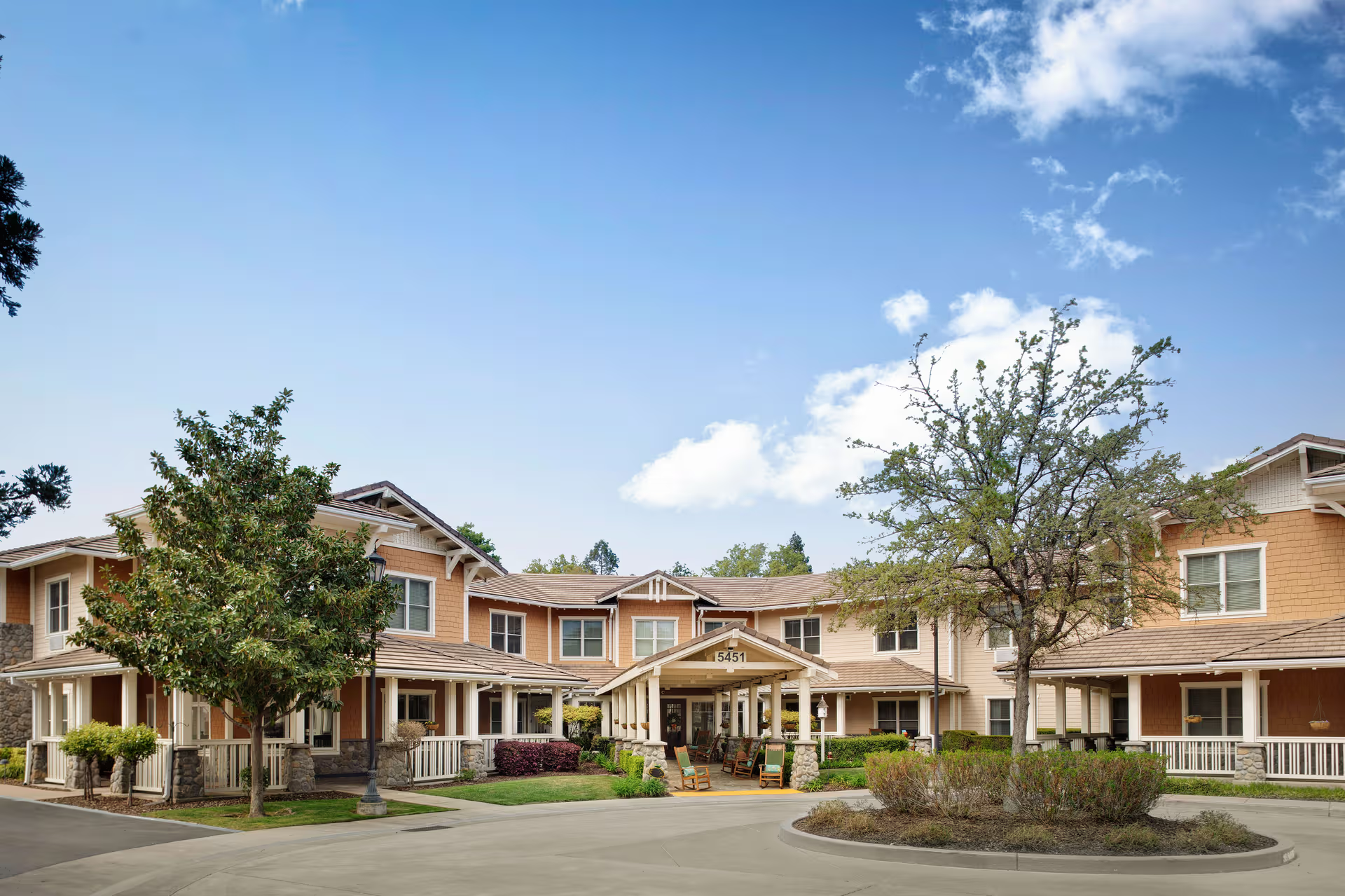
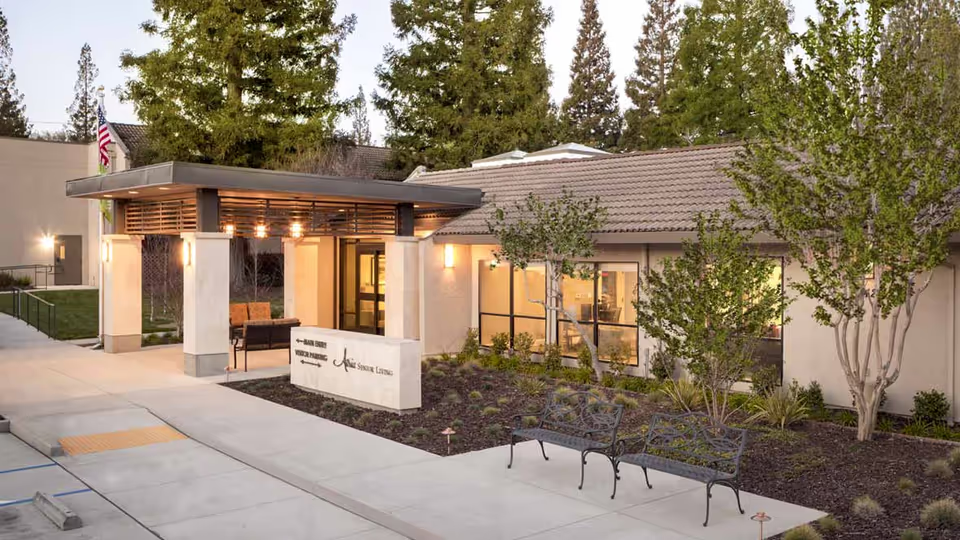
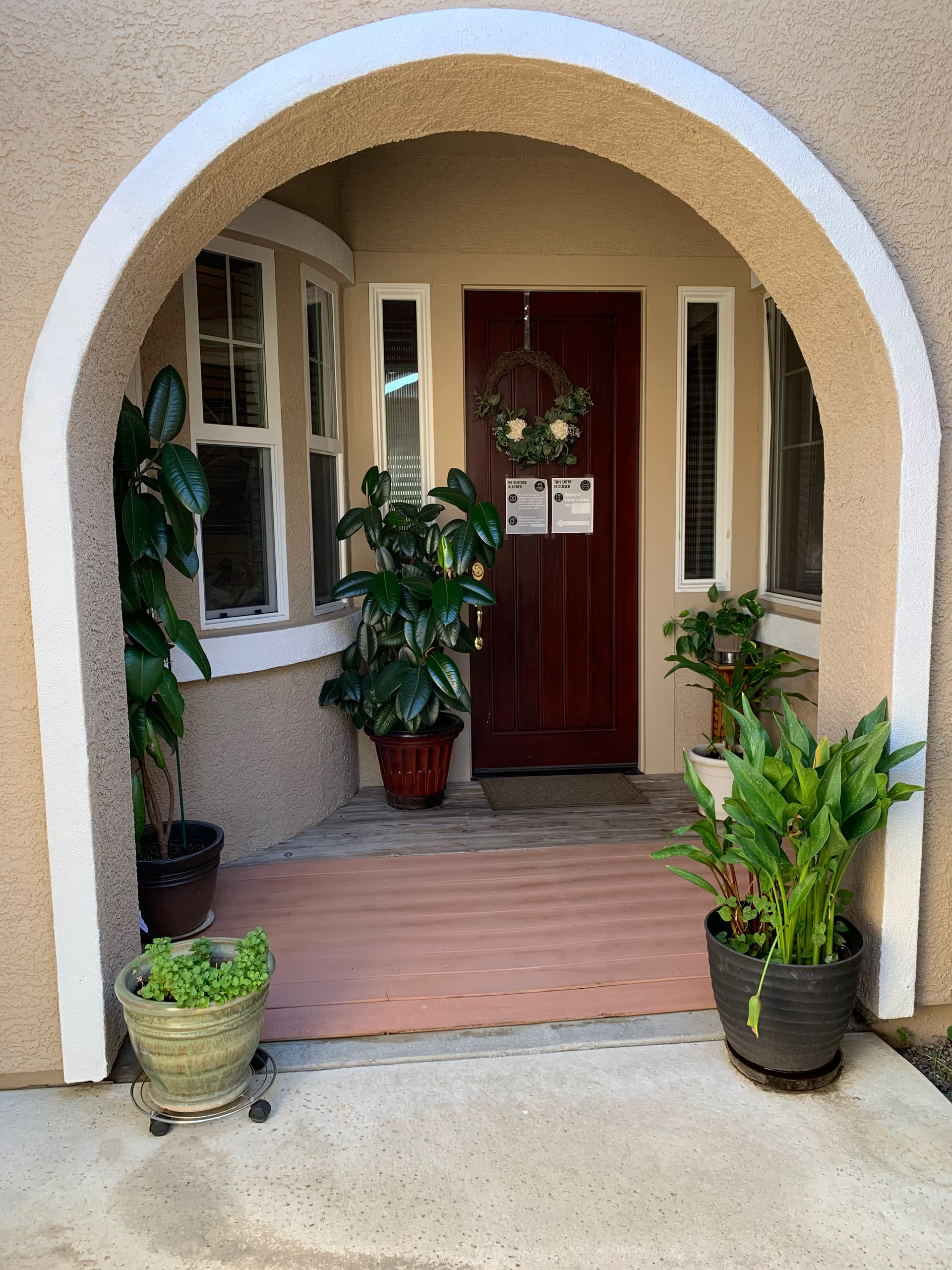
Facilities and access: The physical plant elicits mixed feedback. Some reviewers describe clean, roomy accommodations with large bathrooms and adequate wheelchair space; others characterize the building as older and worn and in need of cosmetic and infrastructure updates. A frequent and concrete operational issue is limited parking and a single entrance/exit layout; visitors and emergency access are cited as constrained, and employee parking practices can exacerbate access problems. Rehabilitation spaces (PT rooms) and common areas are present, but the overall environment is utilitarian rather than upscale.
Management and organization: Management impressions are mixed. Several families praise a family-run model and administrators who assist with benefits and transitions, while other accounts call out front-desk unresponsiveness, long reception waits, and organizational disarray in kitchen and scheduling. There are references suggesting operational cost pressures that affect staffing patterns and morale; this appears linked to the variability in service consistency. Serious clinical-safety themes — such as delayed response to clinical deterioration or missed treatments — are described in a minority of accounts and point to the importance of confirming current staffing, clinical oversight, and incident-handling processes during a tour or intake.
Bottom line recommendations: The facility shows clear strengths in compassionate caregiving, rehabilitation services, and an active social program, making it appealing where those priorities dominate. However, variability in staffing, communication, dining execution, parking/access, and building condition are recurring operational concerns. Prospective residents and families should directly assess current staffing levels and turnover, ask about clinical coordination procedures (appointments, physician communication, and incident response), review infection-control practices, sample meal service and special-diet accommodations, and confirm visitor/parking logistics before making a placement decision.