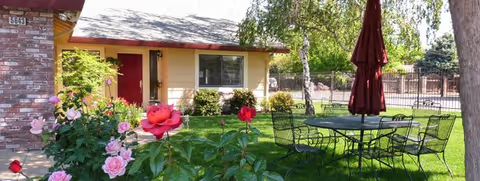
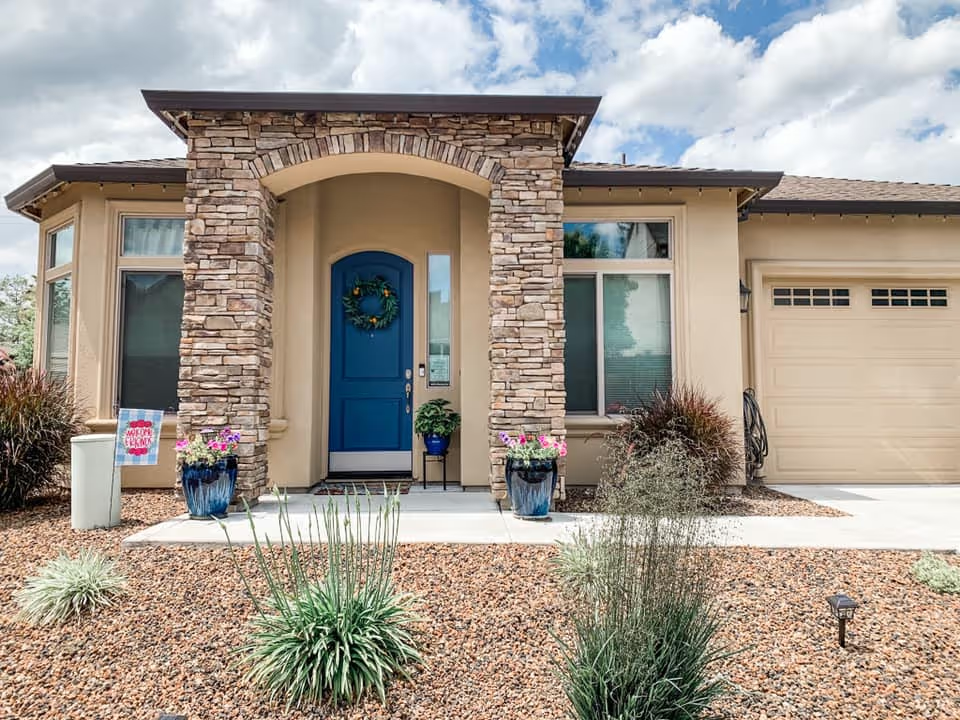
Royal Gardens Elder Care is described consistently as a clean, well-kept small facility with a warm, family-like atmosphere. Many families emphasize welcoming admissions, responsive communication, and staff who present as patient and respectful. The environment is accessible for people with impairments, and reviewers commonly felt that medication and baseline care needs were met. Several accounts note that respite stays are available and that the facility can be a convenient choice for short-term stays.
Staff and direct care receive consistently positive comments for approachability and attentiveness. Reviewers describe staff as friendly, supportive, and willing to communicate with families; management is also characterized as kind and responsive. These strengths translate into feelings of safety and dignity for residents in many accounts. At the same time, multiple reviewers indicate variability in staffing levels and in the facility’s ability to provide hands-on assistance for heavier mobility tasks; this has been described as a limitation when residents required more transfer or mobilization support.
Dining and daily living are described in mixed but generally positive terms. Several reviewers praised the food as home-style and palatable (specific menu items were noted favorably), while a few raised a desire for more consistent, homelike meal variety beyond sandwiches and standard soups/casseroles. Families who stayed for short respite periods tended to report satisfaction with meals and overall daily routines.
Operational and management patterns to note include generally open communication and a welcoming admission experience, balanced against concerns about sales and billing practices. A number of families felt the admissions process could be pressure-oriented; others flagged that pricing is not always transparent and that transportation to medical appointments can carry additional, sometimes costly, fees. There are also indications of care-coordination gaps when outside hospice providers are involved or when hospice transitions occur; some families described friction between the facility and hospice providers, which affected continuity of care in isolated cases.
For prospective residents and families: the facility’s strengths are cleanliness, a supportive staff culture, accessible spaces, and an emphasis on dignity and open family communication. Important practical questions to ask during a tour are staffing ratios at different times of day (and how heavier-transfer needs are handled), how the facility coordinates with external hospice providers, a clear breakdown of base fees versus ancillary charges (especially transportation), and sample menus or meal-variation options. These checks will help families weigh the facility’s evident strengths against the operational limitations some reviewers experienced.