Reviews of Brentwood Post-Acute describe a mixed picture: many families praise the facility for its compassionate frontline staff, engaging activities, and appealing meals, while others raise operational and clinical concerns that suggest variability in day-to-day performance. Positive comments emphasize a warm, respectful caregiving culture, a well-presented dining program directed by an experienced chef, regular social programming (music, movies, holiday teas), and a clean, bright interior with comfortable rooms despite an older building shell. Several reviewers also noted that recent management changes have produced visible improvements in tone and oversight.
On care quality and staffing, feedback is polarized. Numerous accounts highlight caring, attentive aides and nurses who make the environment feel like a “home away from home.” At the same time, other accounts describe inconsistent clinical performance: delayed responses to calls for assistance, variable attention during shifts, and situations where family members felt the need to visit frequently to monitor care. There are specific concerns about the facility’s handling of acute incidents and end-of-life communication, with some families reporting insufficient notification or follow-up after critical events.
Dining and activities are commonly cited strengths. Reviewers reference well-prepared, appetizing meals and a schedule of social activities that include music, movies, and special events such as holiday teas. These offerings are seen as supporting resident comfort and engagement and are a consistent positive theme across comments.
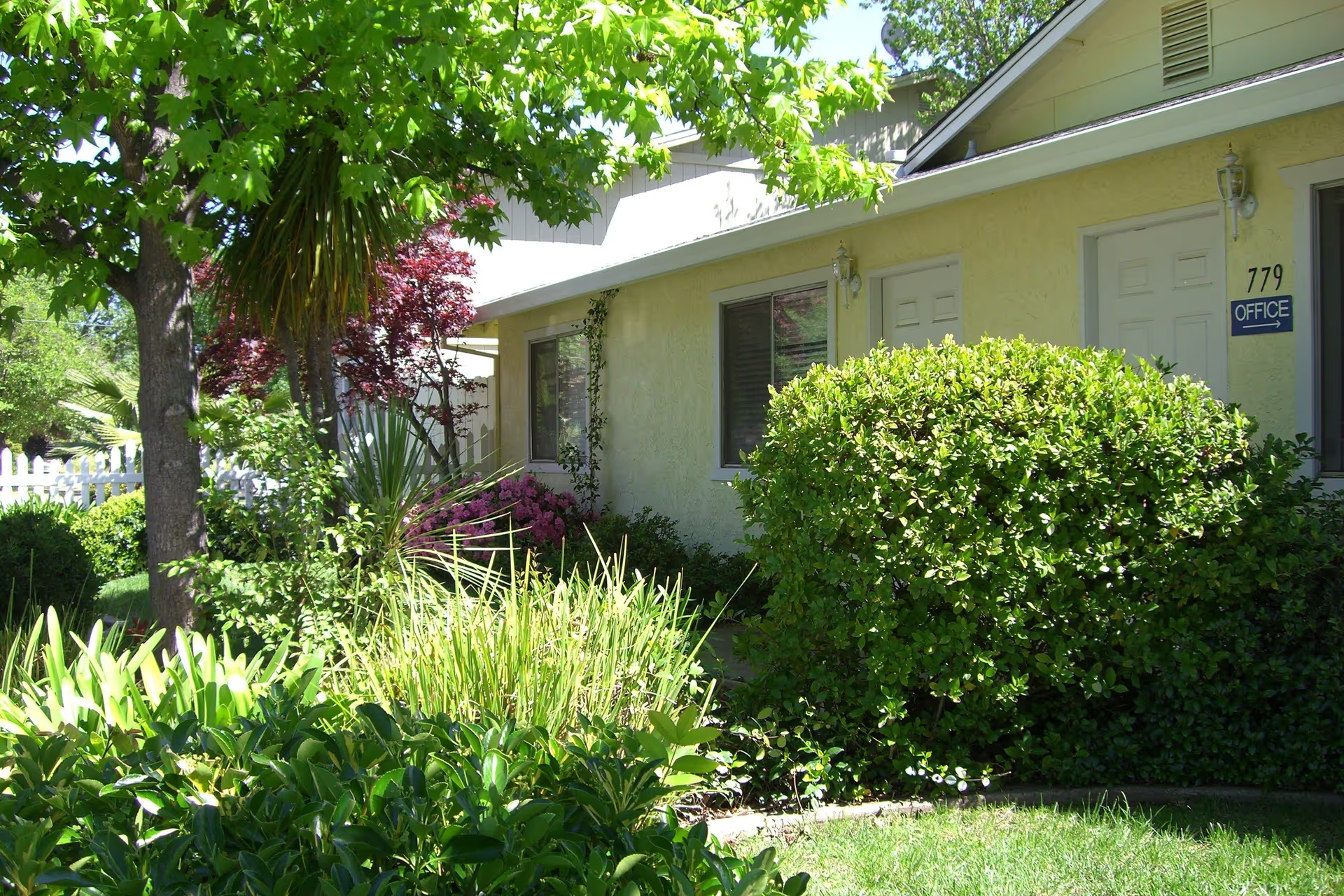
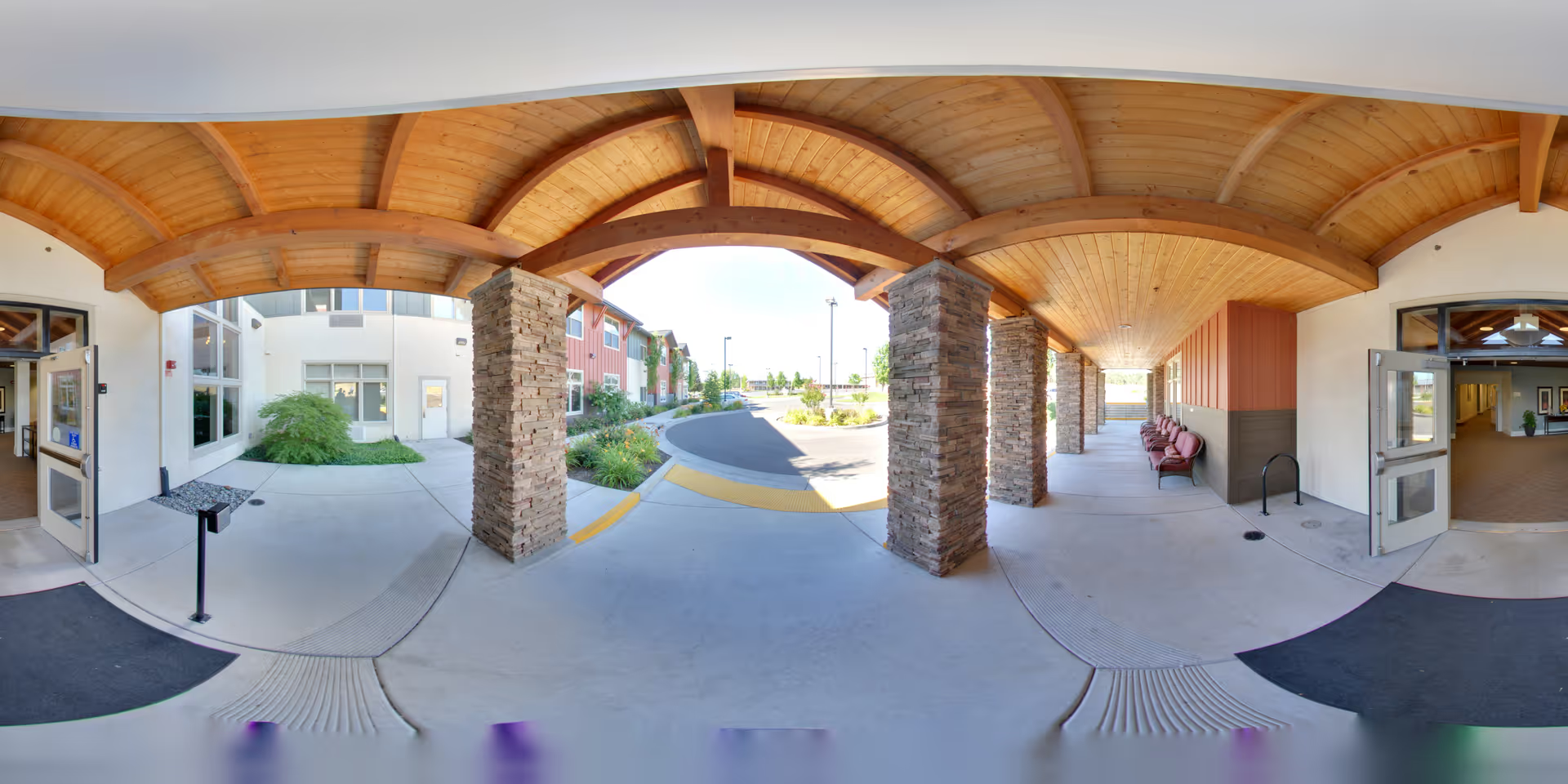
Facility condition and amenities are generally described favorably: common areas are bright and well-kept, rooms are described as nice and comfortable, and overall housekeeping is viewed as effective. That said, the building is noted as older, so prospective residents should expect an older physical plant even when interior maintenance is adequate.
Operational patterns that warrant attention include inconsistent responsiveness to call bells and assistance requests, fall-prevention and transfer-safety gaps, and concerns about personal-property security and front-desk communication. There are also comments about restrictive or inconsistently applied visitation controls and uneven clinical-monitoring or infection-prevention practices. A subset of reviewers described serious individual incidents involving personal belongings and access disputes; those items suggest the facility should clarify policies and strengthen safeguards.
For prospective residents and families: the facility offers clear strengths in staffing culture, meals, and activities, and management appears to be addressing some past shortcomings. At the same time, families should ask specific operational questions during a tour — for example, staffing ratios, average call-response times, fall-prevention protocols, property-safeguarding procedures, visitation policy, and incident/notification processes — and request references or speak with current families to assess consistency. Regular communication and clear expectations for care and access will help determine whether Brentwood Post-Acute’s mix of strengths and operational variability aligns with your needs.