Overall assessment: Reviews describe a facility with consistently strong hands-on caregiving and stable staff continuity, combined with owner presence and involvement. Families emphasize consistent, largely one-on-one care delivered by the same caregivers over time; this continuity is presented as a central strength of the program and the primary reason many would choose the facility again.
Care and staff: Care quality is portrayed as reliable and personalized. The staffing model emphasizes consistent assignments and owners who remain on-site and involved in day-to-day care; reviewers characterize caregivers as well trained and steady. This pattern supports close familiarity between staff and residents, which families associate with predictable care routines and responsiveness.
Dining and activities: Dining is generally described positively, with references to good, home-style meals. There is limited specific commentary about organized activities in the summaries provided; reviewers focused more on direct care, staff continuity, and the physical environment than on a structured activity program.
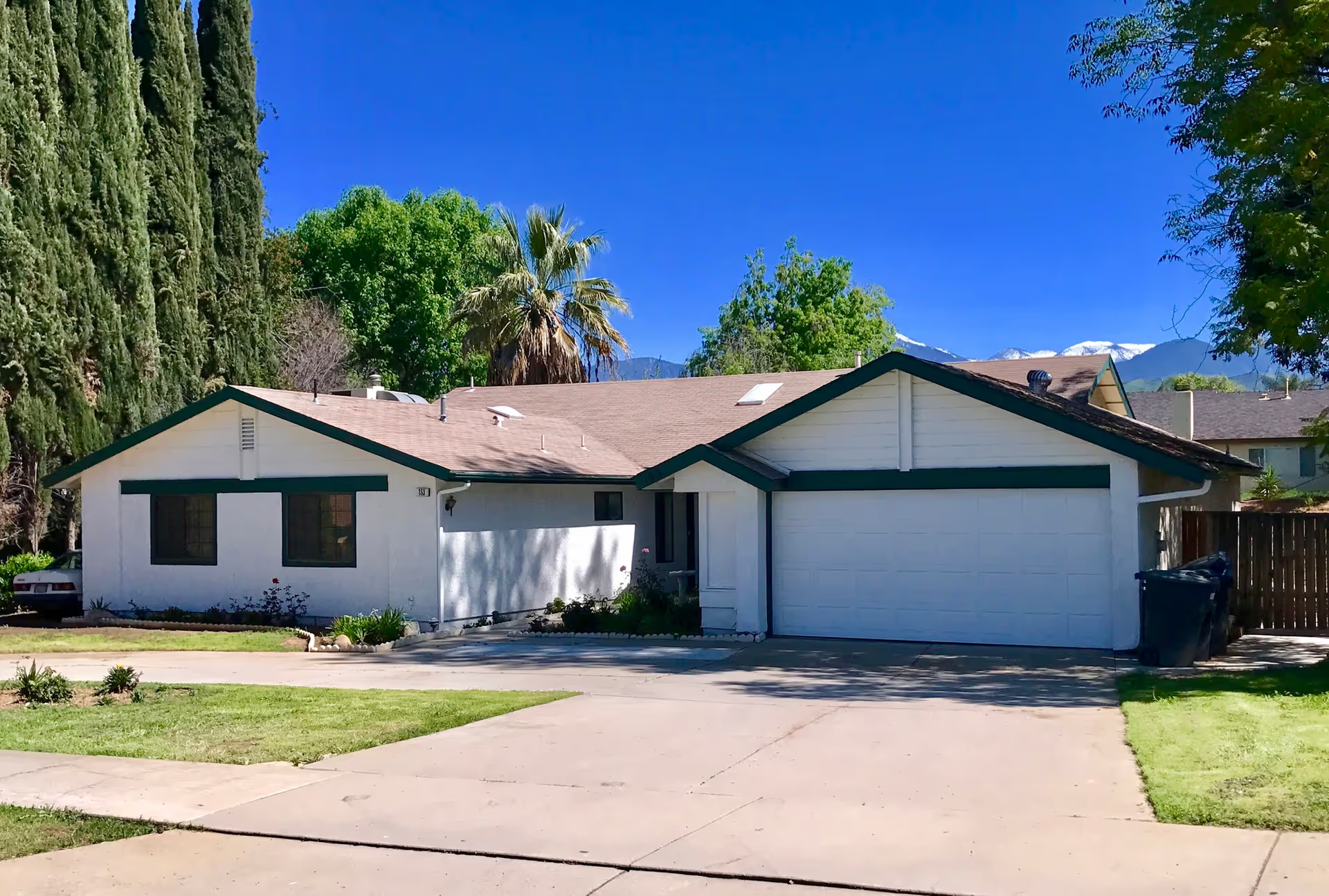
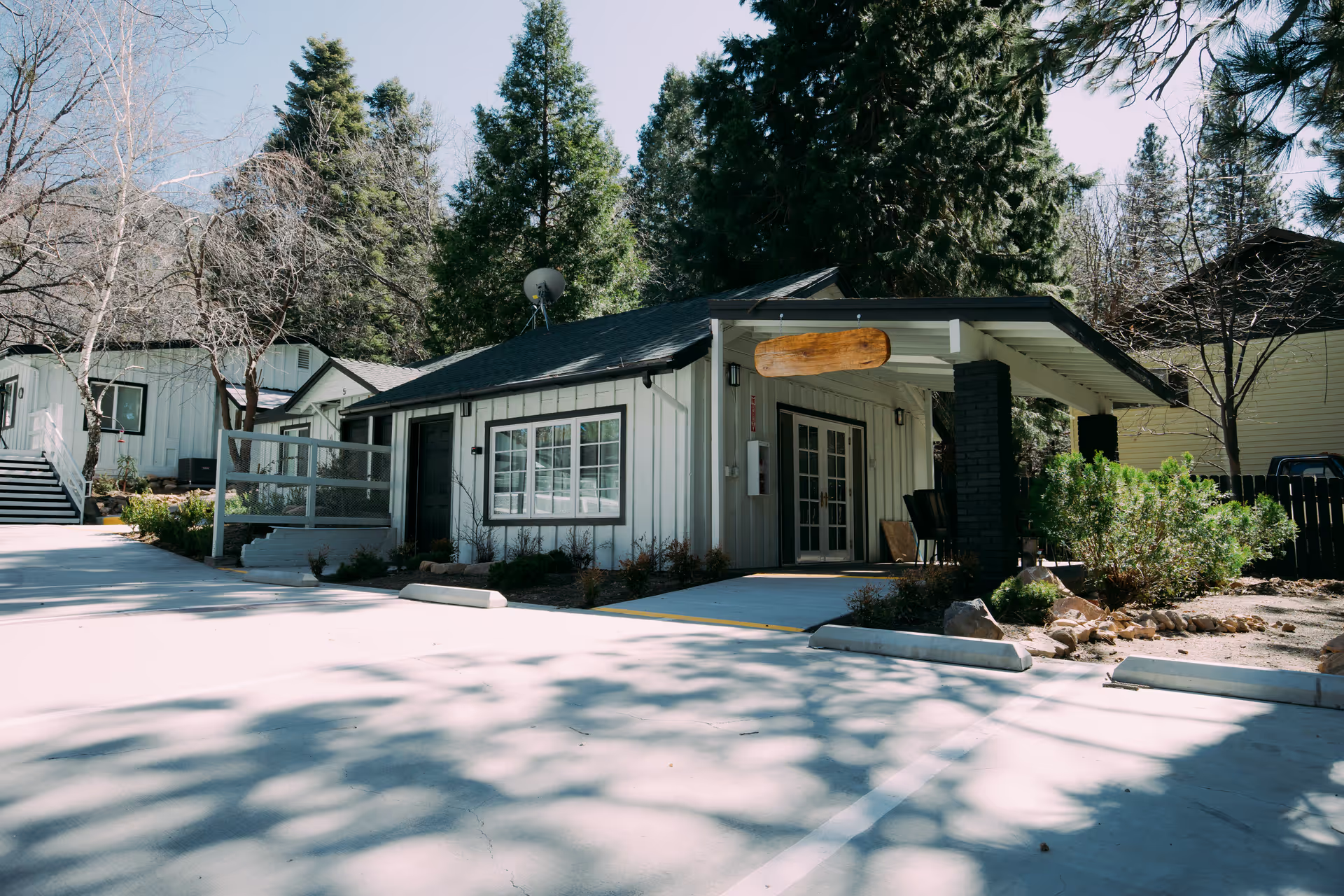
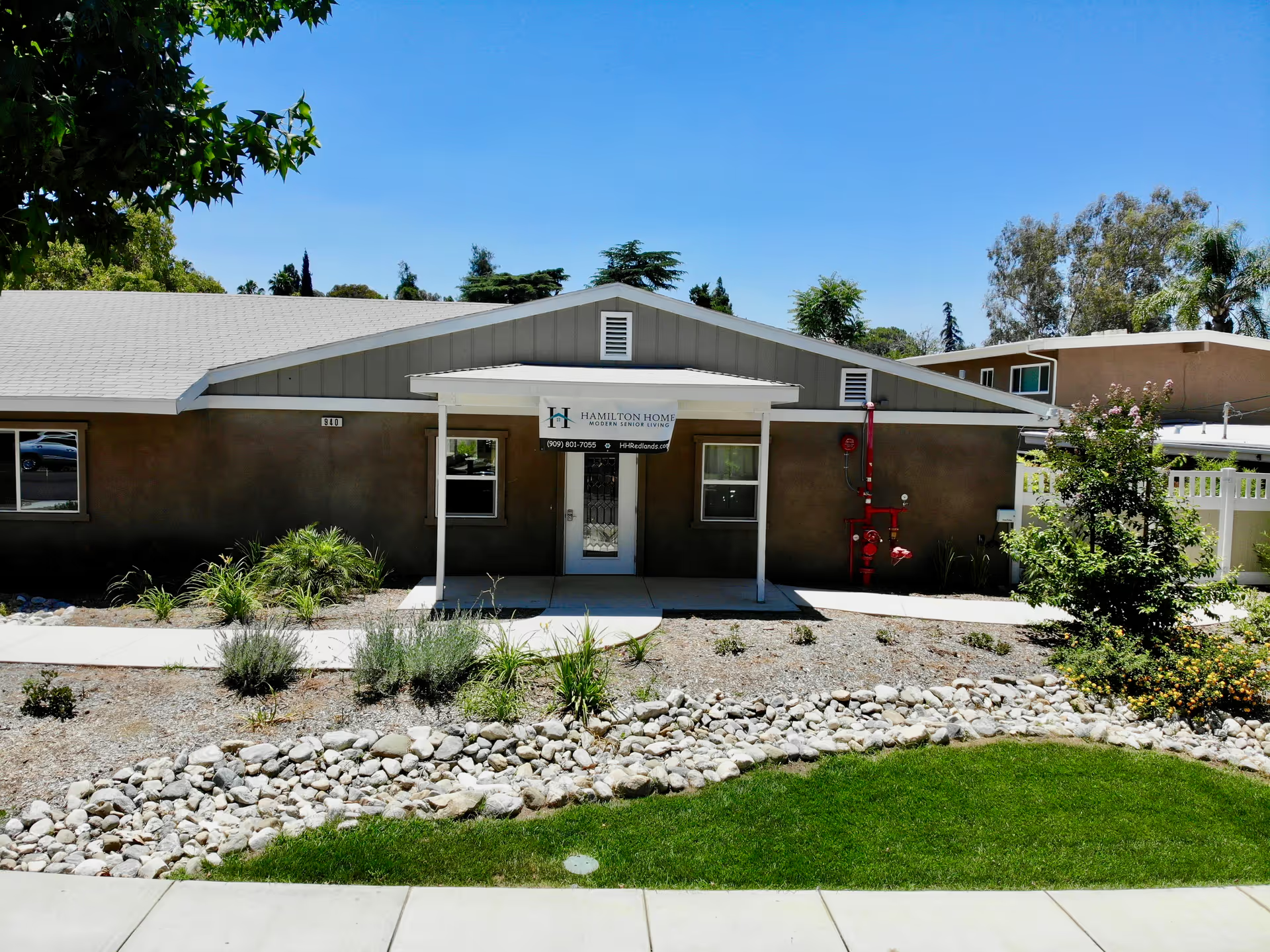
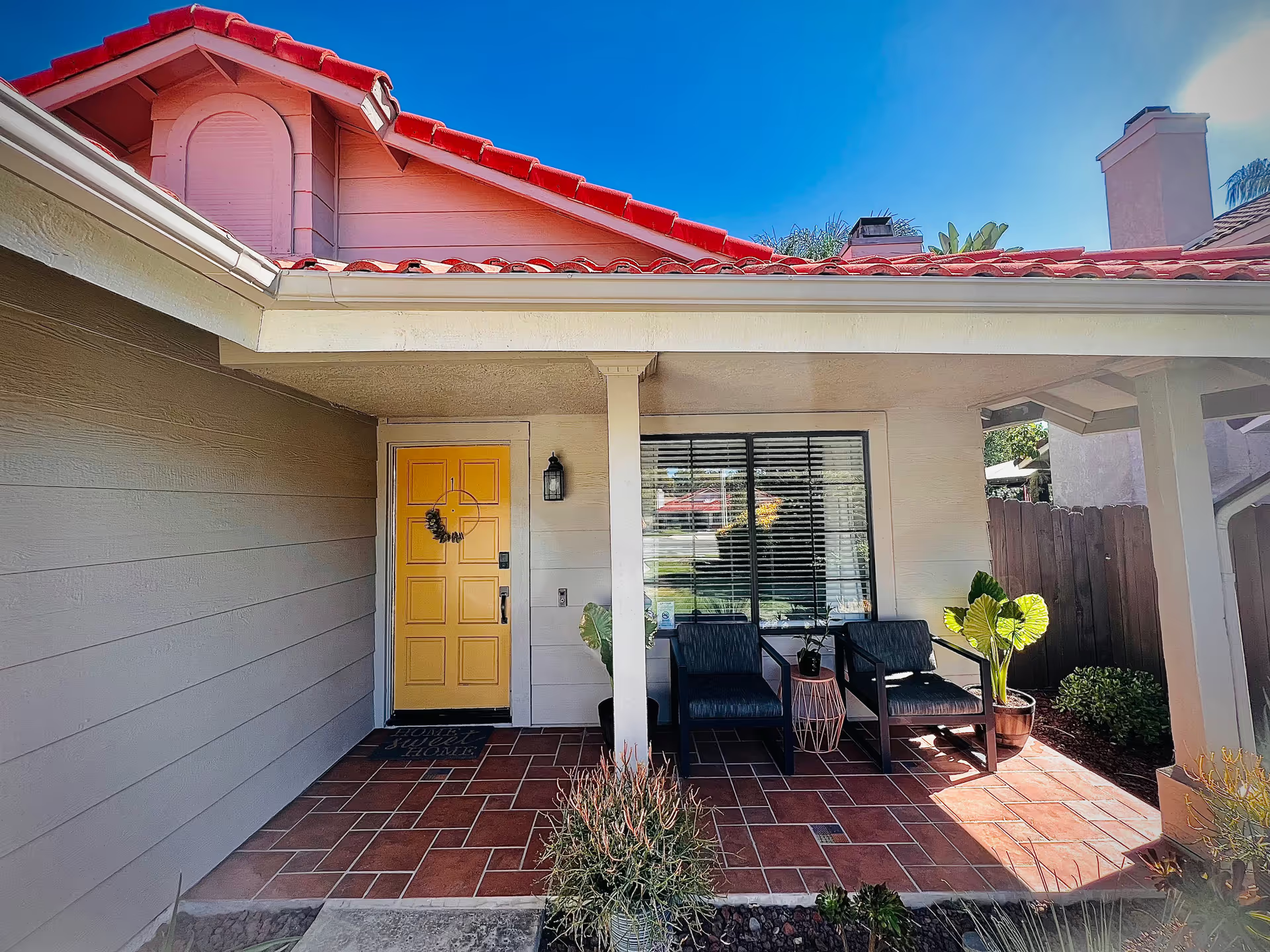
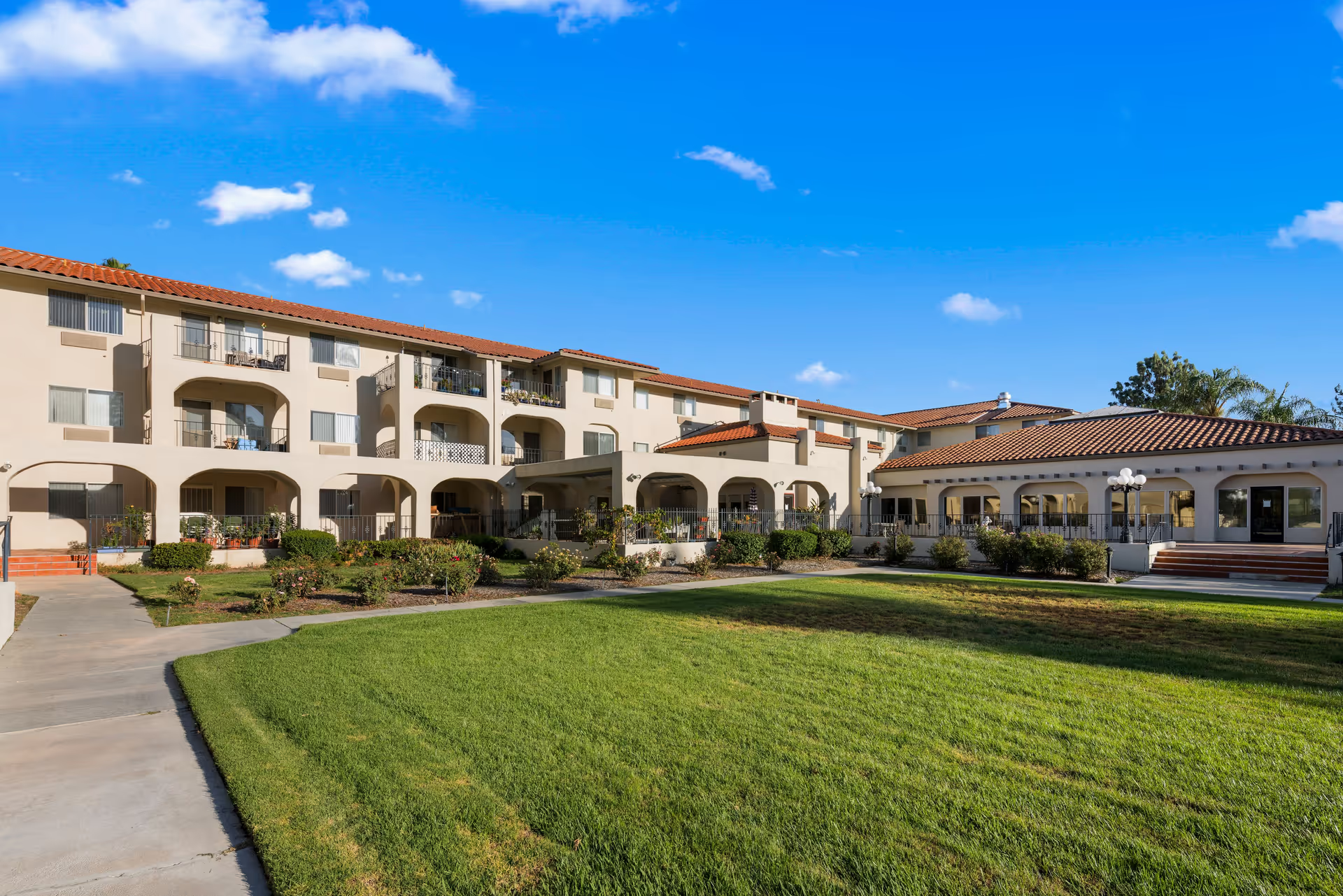
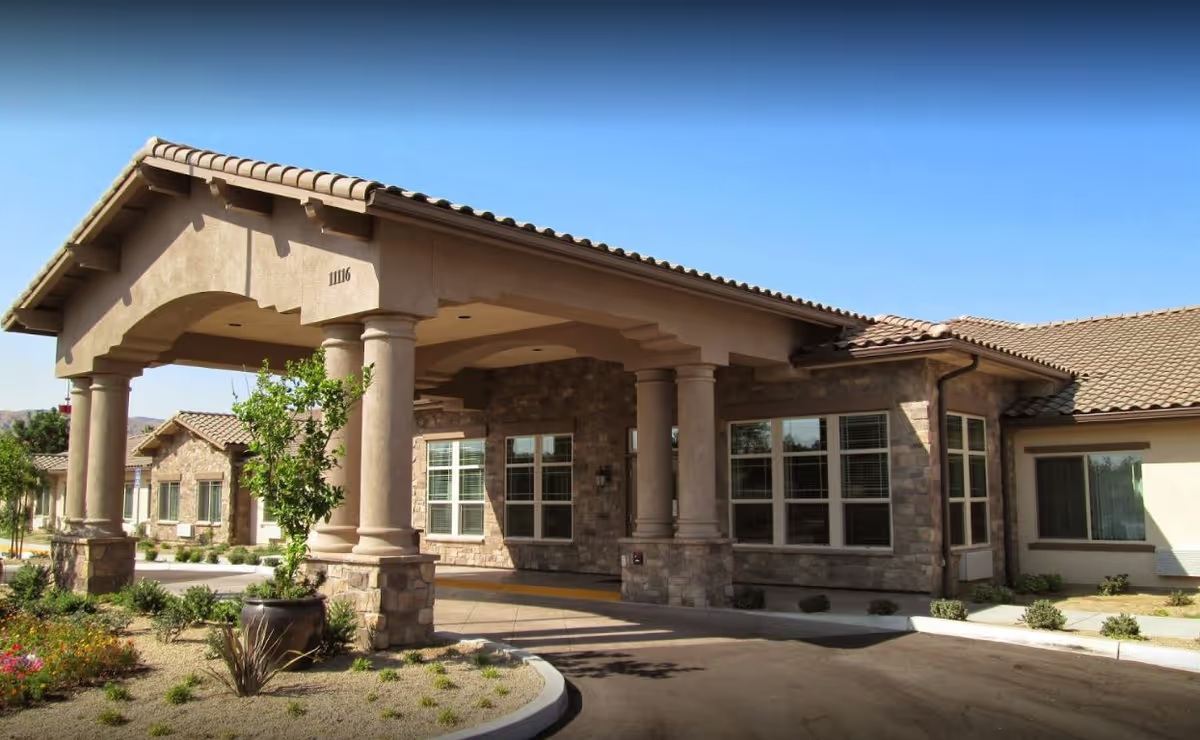
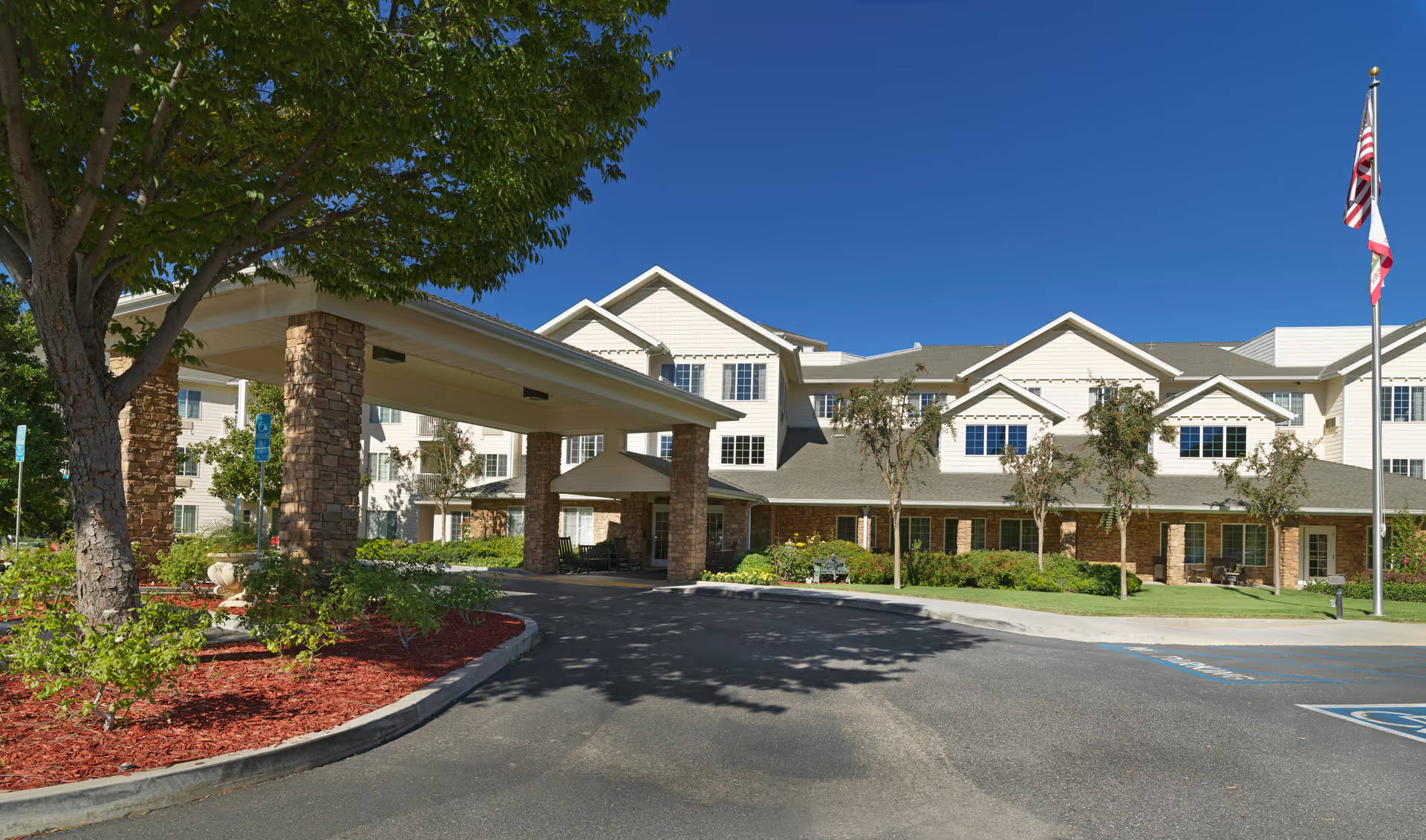
Facilities and transportation: Physical accommodations are described as pleasant and recently updated—nice rooms, remodeled interiors, and a well-maintained yard. On-site transportation and convenient campus locations (including references to South Redlands and Franklin-area locations) are noted as practical advantages for families and residents.
Management and financial issues: While many reviewers praise managerial integrity and the facility's follow-through on promises, there is a clear pattern of concern around fees and communication. Several summaries describe service-fee pricing that can result in rapidly increasing monthly costs and instances where the total monthly charge was substantially higher than initial expectations. Reviewers also indicate inconsistent information from management on pricing and service inclusion, and a tendency to recommend or steer families toward specific hospice providers—an element families perceived as a potential conflict of interest.
Notable patterns and guidance for prospective families: The dominant positive themes are caregiver continuity, owner involvement, and a well-kept physical environment. The dominant cautions concern financial transparency, fee escalation, and variability in availability across different campuses. Prospective residents and families are advised to verify current bed availability at the specific campus of interest, request a detailed, itemized fee schedule in writing, clarify hospice-referral policies, and confirm which services are included versus billed as extras before committing. These steps will help align expectations about both the level of care and the long-term cost structure.