The reviews collectively present a mixed but clearly defined picture: the facility receives consistent praise for its physical environment, dining, and many aspects of front-line caregiving, while a subset of accounts raises operational and conduct-related concerns that prospective families should evaluate carefully.
Care and staff: Numerous families describe caregivers as attentive, compassionate, and relationship-oriented — staff who know residents’ names, maintain daily medication routines, and provide end-of-life support with sensitivity. At the same time, there are multiple accounts indicating inconsistent staff conduct and variability in responsiveness to resident needs (for example delays in answering calls or uneven attention). High staff turnover is mentioned and may contribute to uneven continuity of care. There are also specific concerns about medication-management practices; prospective families should ask for details on medication administration, documentation, and oversight during a tour.
Dining and nutrition: Dining quality is frequently praised — reviewers note good meals and proactive medical updates tied to nutrition. However, there are also comments that point to weaknesses in on-demand snack distribution and in hydration monitoring. Those operational gaps suggest asking about snack policies, fluid-monitoring routines, and how staff ensure residents receive supplemental nourishment between meals.
Activities and social life: The facility’s activity program appears active and improving. A recent activities director received positive mention for increasing engagement; reviewers describe residents as active, social, and well-integrated into apartment-based living. Memory-care programming is called out as a strength by several families.
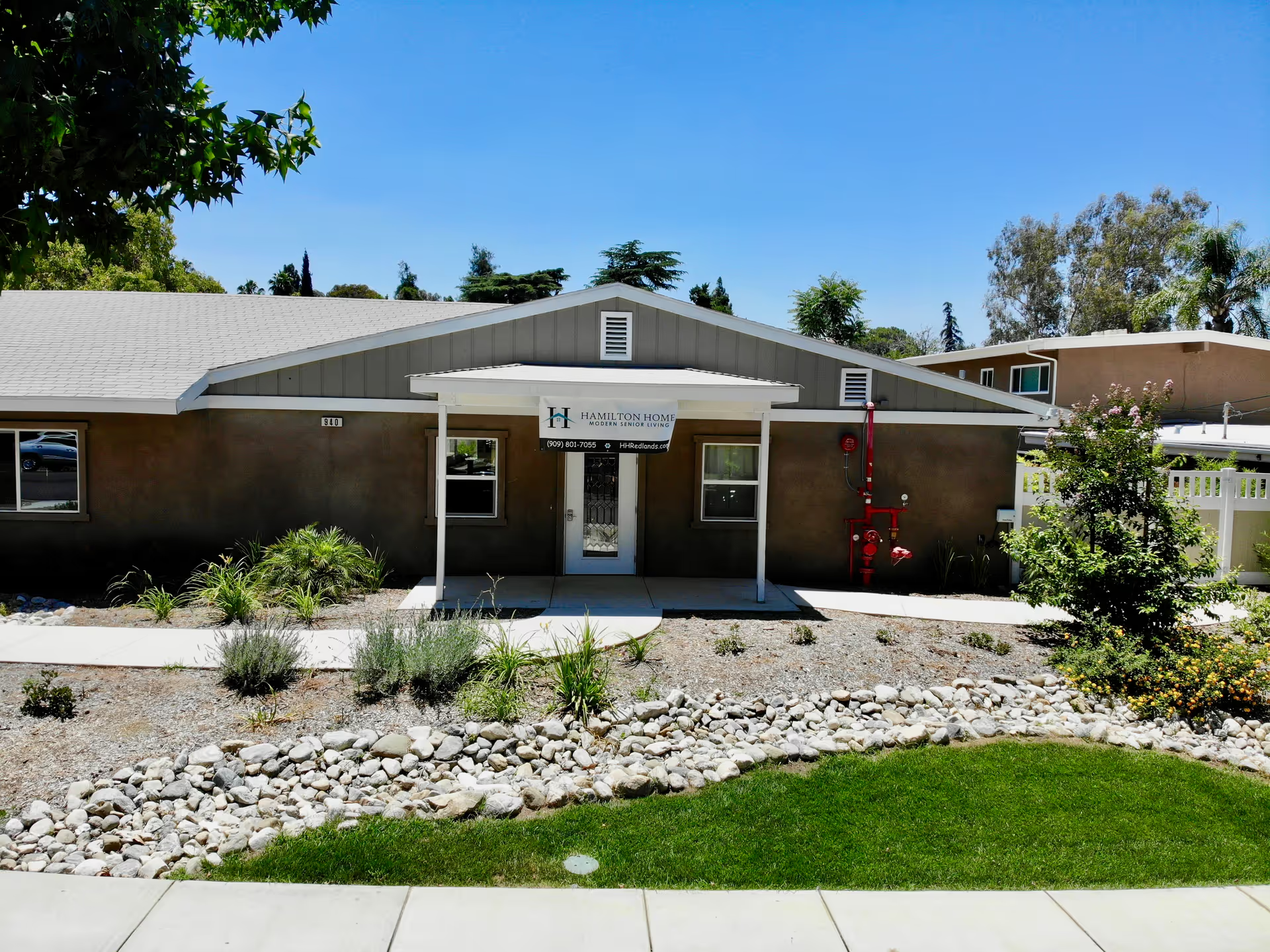
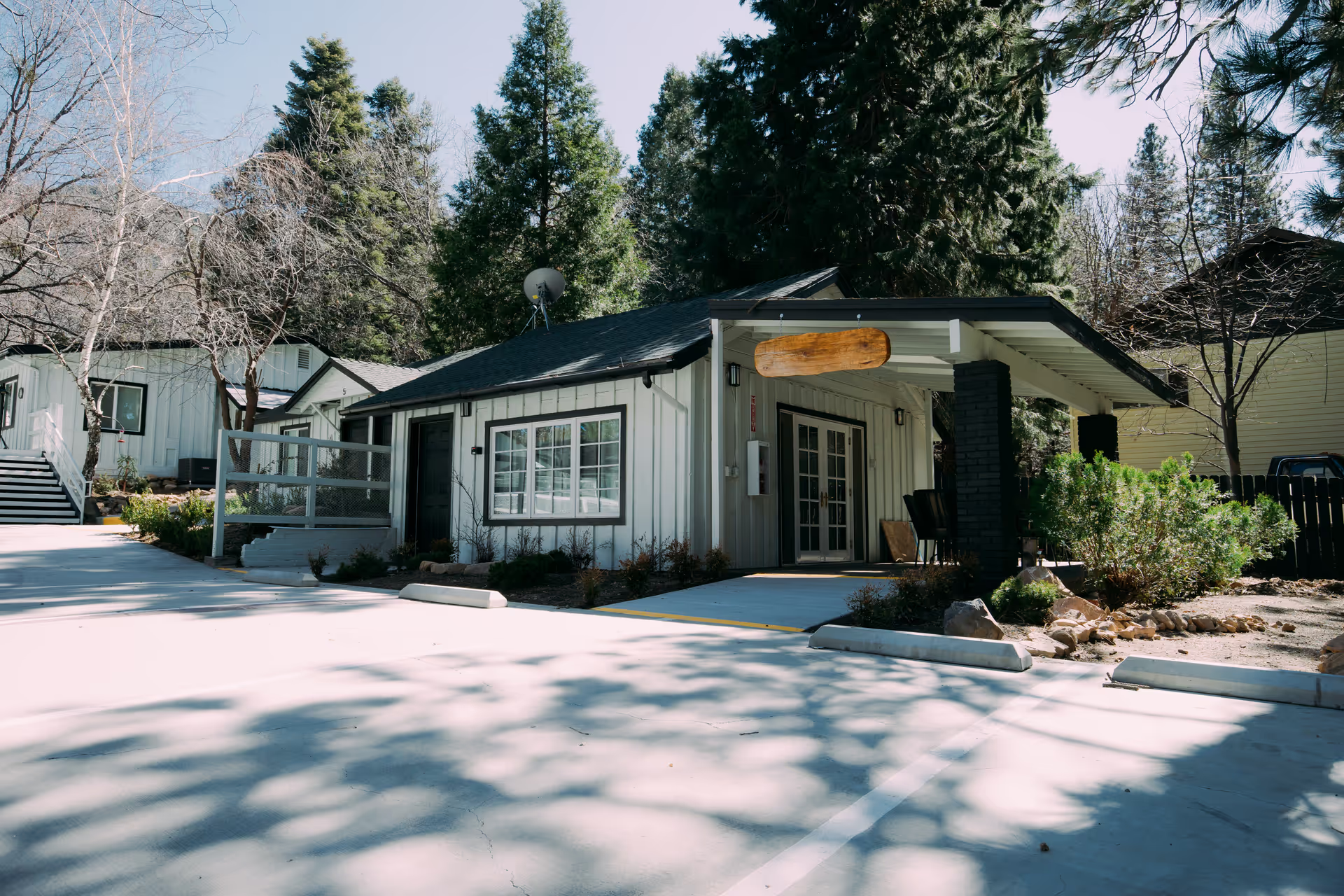
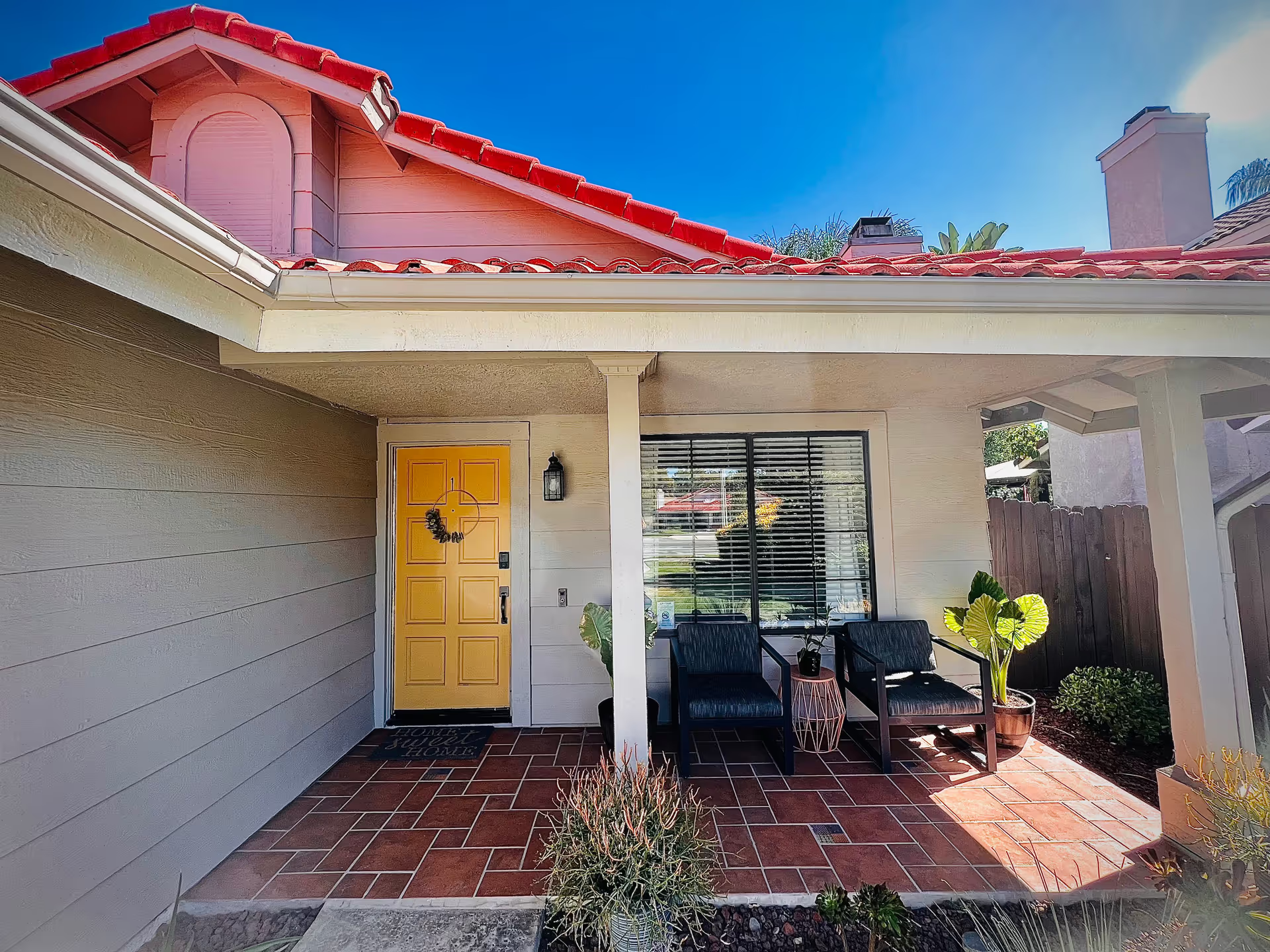
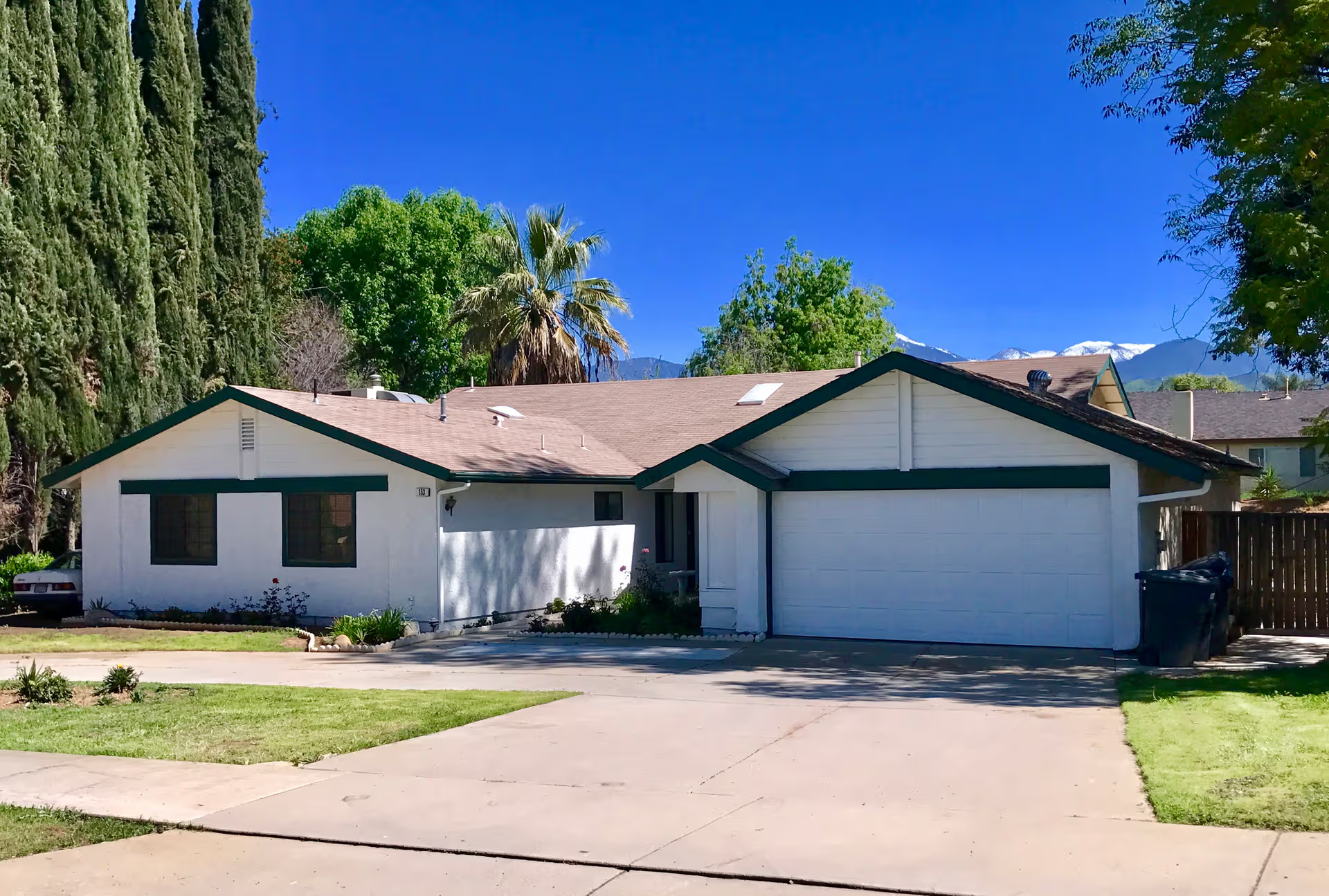
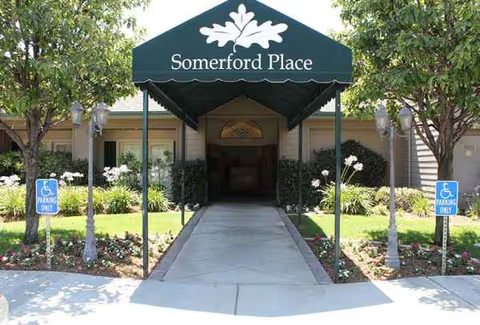
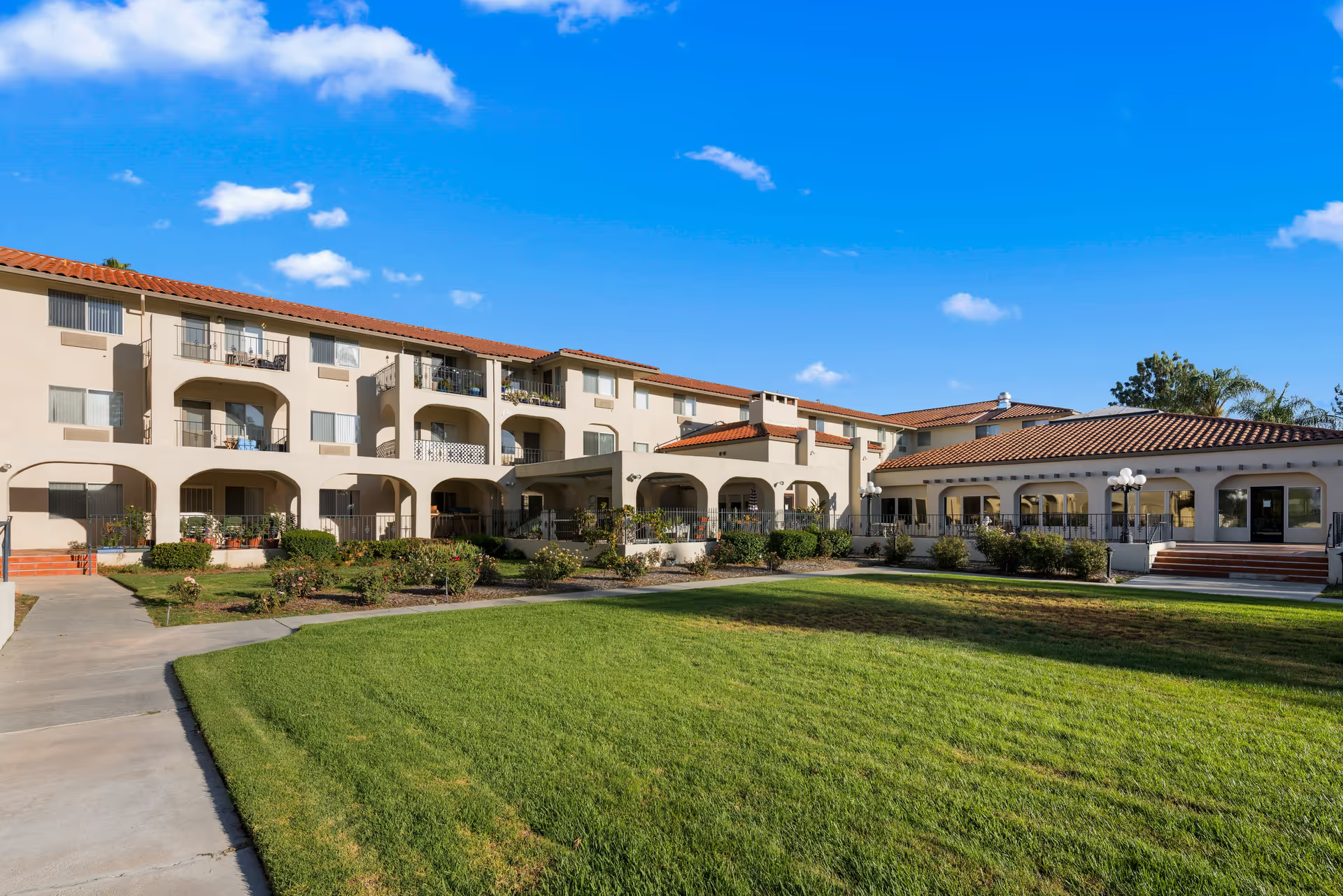
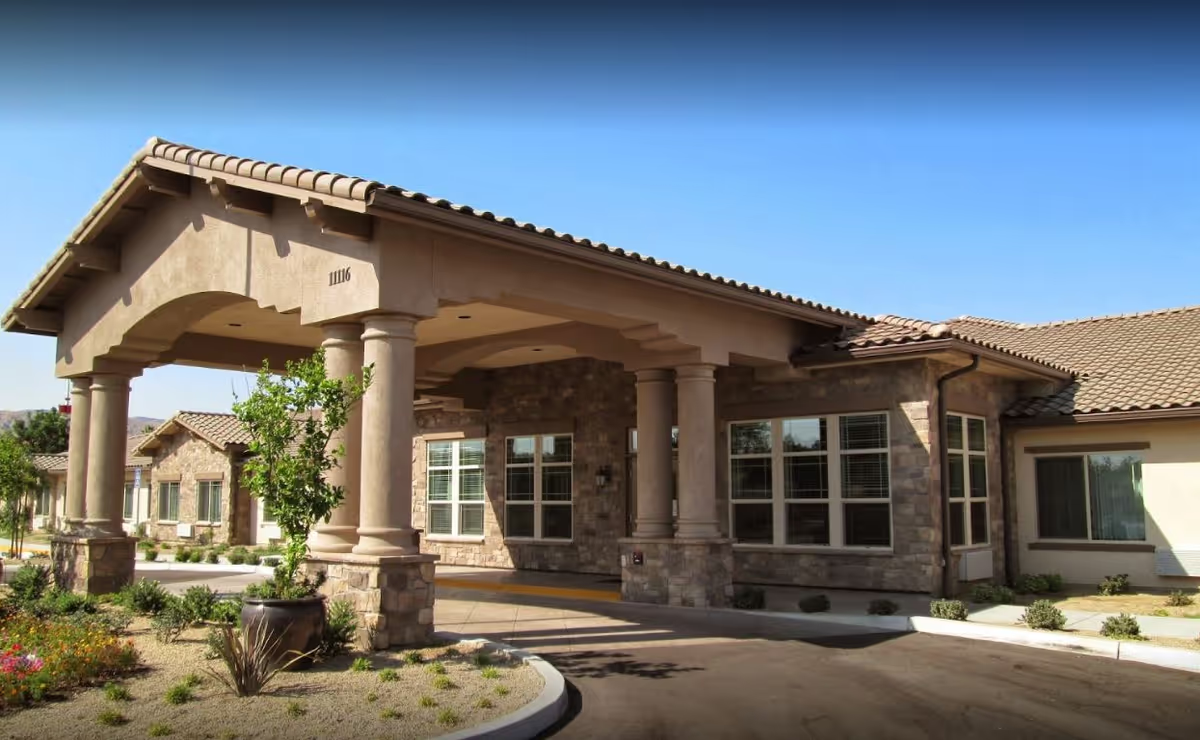
Facilities and management: The building is described as clean, modern, and well-maintained, with functioning climate controls and pleasant furnishings. Administrative impressions are mixed: administration is often characterized as helpful and communicative during transitions, but there are isolated concerns about billing follow-up and administrative processes after a resident leaves. Families should clarify billing policies, grievance procedures, and how the community handles administrative disputes.
Notable patterns and recommendation: The dominant pattern is polarization — many families report positive, family-like experiences and competent clinical care, while others describe operational shortfalls tied to staff behavior, responsiveness, and medication/snack monitoring. When evaluating this community in person, observe staff–resident interactions across shifts, ask about staffing levels and turnover, request written protocols for medication administration, hydration and snack distribution, and review billing and complaint-resolution procedures. These targeted questions can help determine whether the facility’s strong environmental and programmatic attributes align with a prospective resident’s clinical and safety needs.