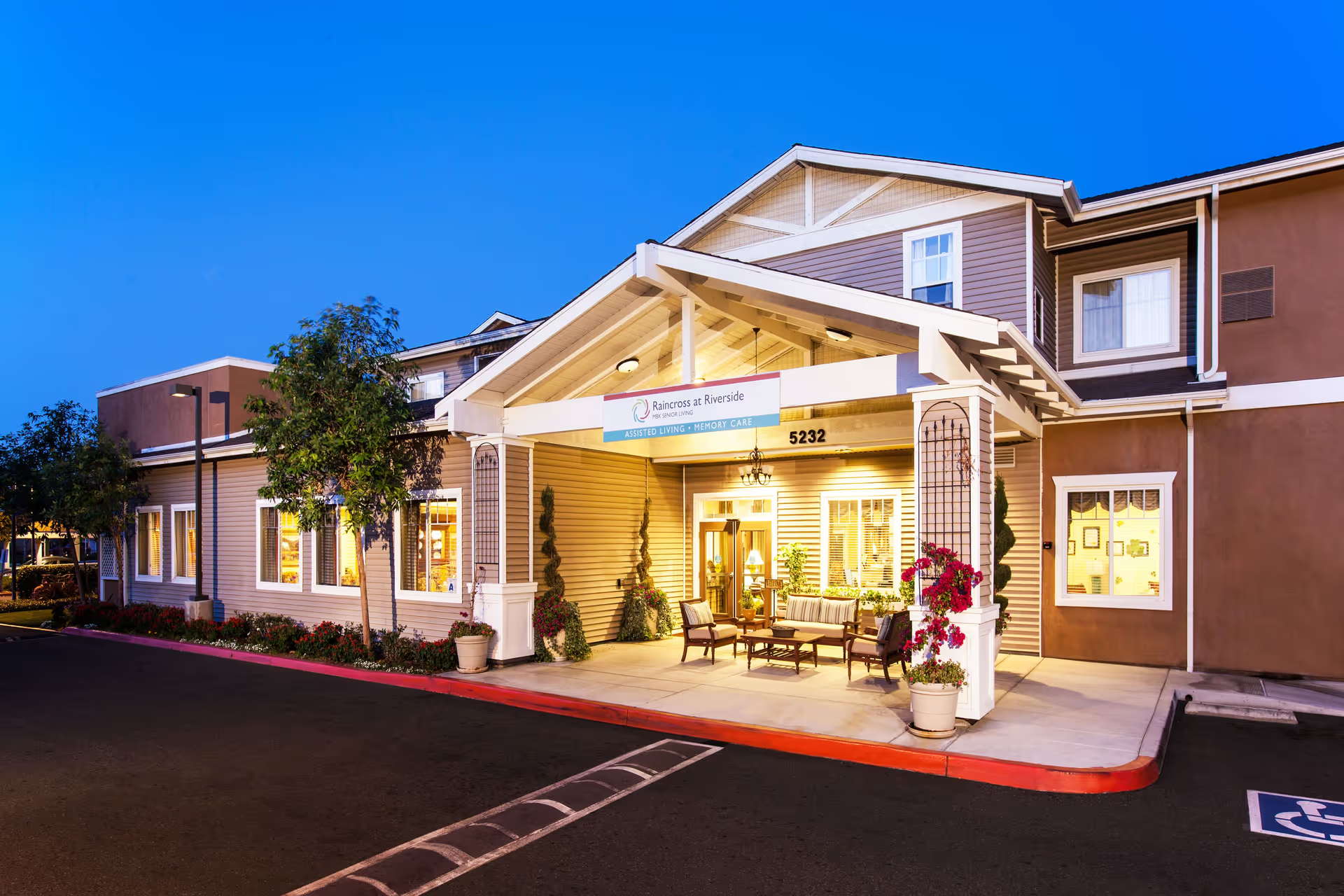
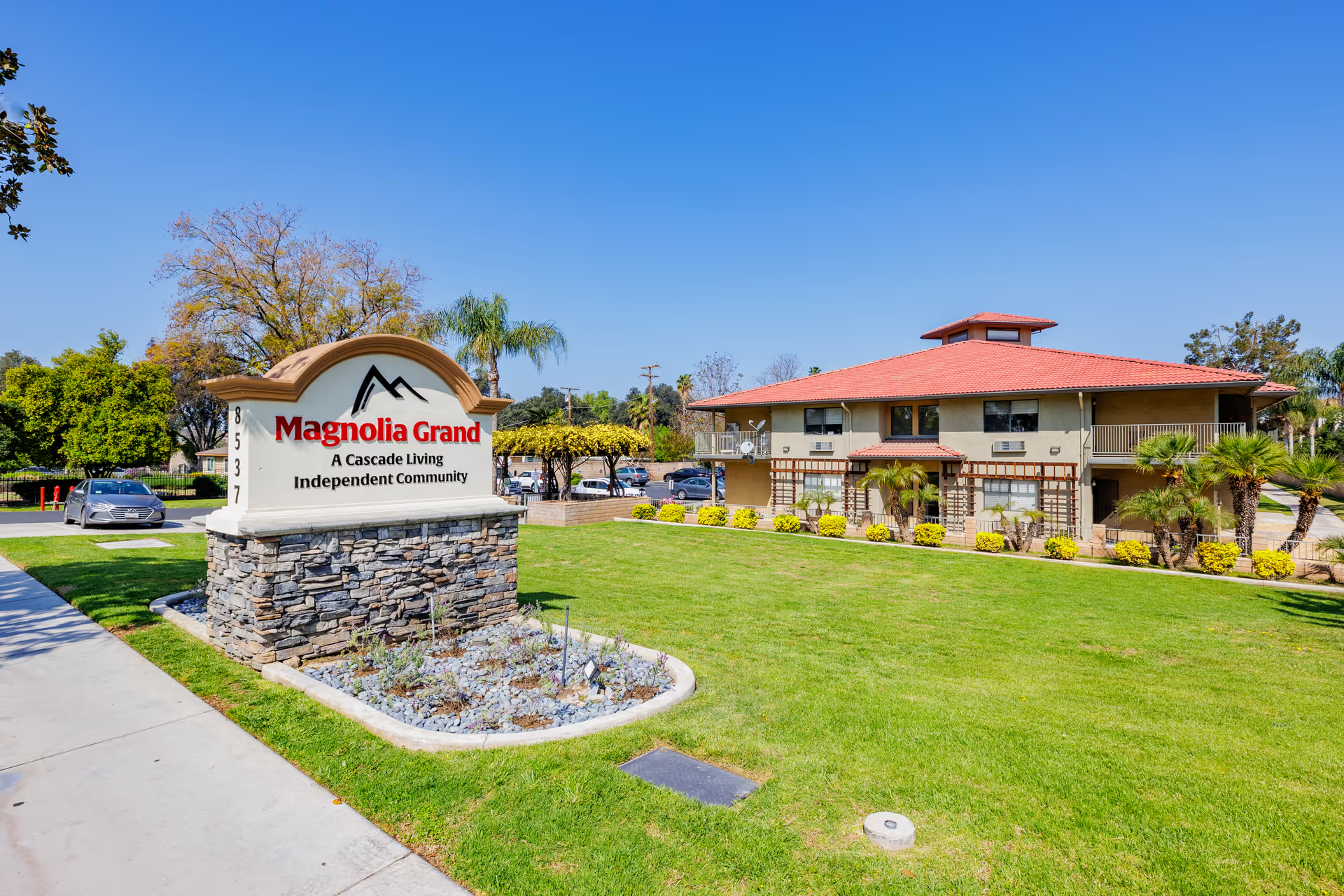
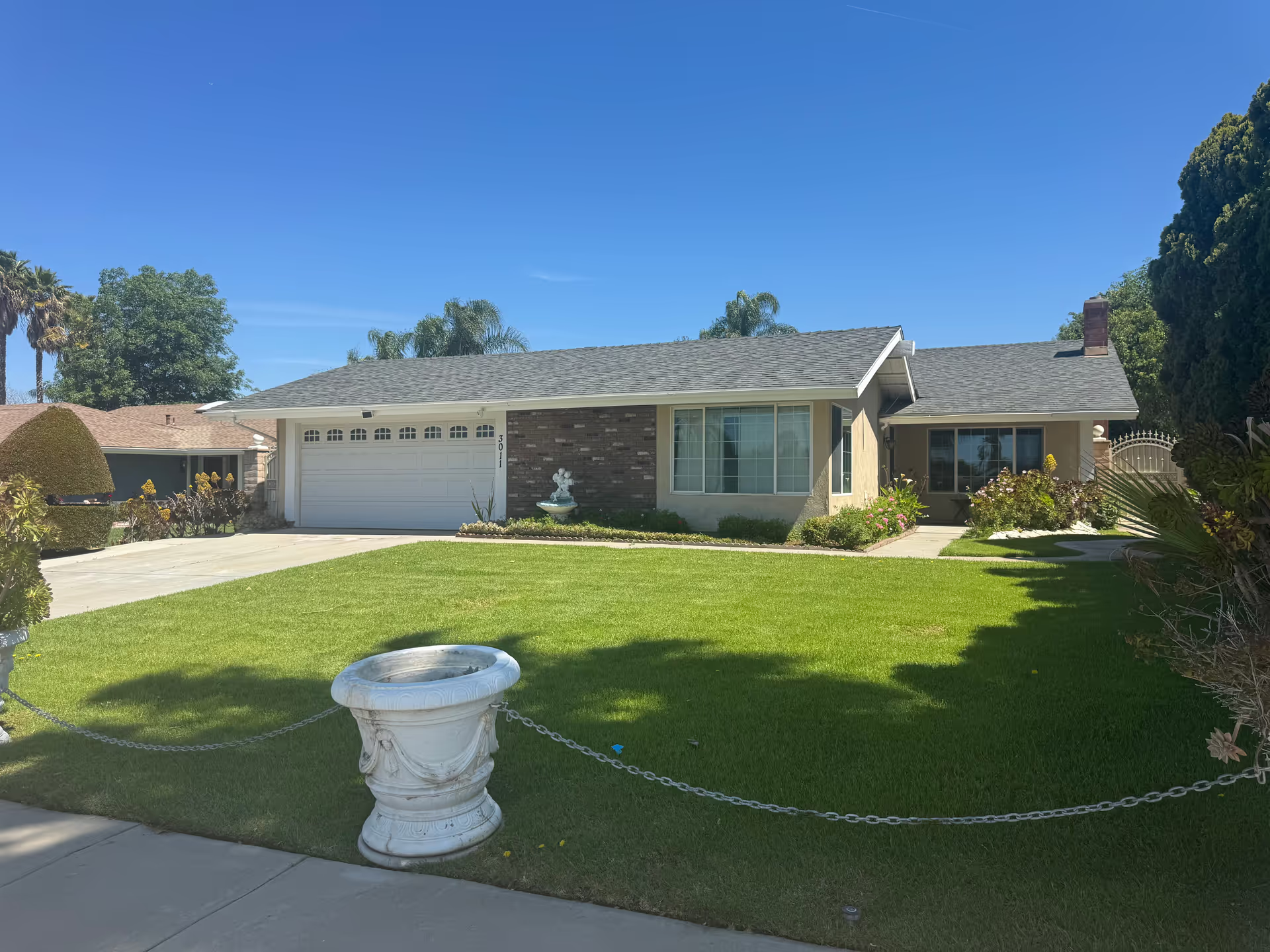
Overall impression: Citrus Place is described by many families and residents as a welcoming, apartment-style senior community with a strong social atmosphere, active programming, and many on-site amenities. Positive comments focus repeatedly on the quality of caregiving interactions, the breadth of activities, well-appointed common areas, and an upscale dining environment. At the same time, recurring operational inconsistencies — particularly around maintenance responsiveness, dining reliability, and shift staffing — were noted and temper otherwise favorable impressions.
Care and staff: Reviewers frequently describe caregivers as compassionate, patient, and engaged; many families highlight clear communication from staff, attentive managers, and helpful med-tech support. The community's memory-care program and separate assisted/independent living buildings are seen as strengths for residents with varying needs. However, several accounts indicate variability in staffing levels (notably overnight or certain shifts) and occasional lapses in responsiveness. These observations point to generally strong day-shift caregiving but intermittent coverage or training gaps that can affect continuity of care.
Dining: Dining is a prominent strength for many reviewers — a restaurant-style environment, praised kitchen leadership, and multiple daily meal options receive consistent acclaim. Conversely, other reviewers described episodes of limited meal freshness or repetitive menus and recommended supplementing meals outside the facility at times. This pattern suggests that while the culinary program is capable and appreciated, execution and menu variety can be inconsistent between offerings or shifts.
Activities and community life: The activity program is a clear positive. Reviewers emphasize a wide range of daily programs, active engagement from activities staff, and many opportunities for socialization that help residents form friendships. Amenities such as pools, courtyards, transportation for small trips, and communal spaces support an active lifestyle and contribute to the community feel that many families value.
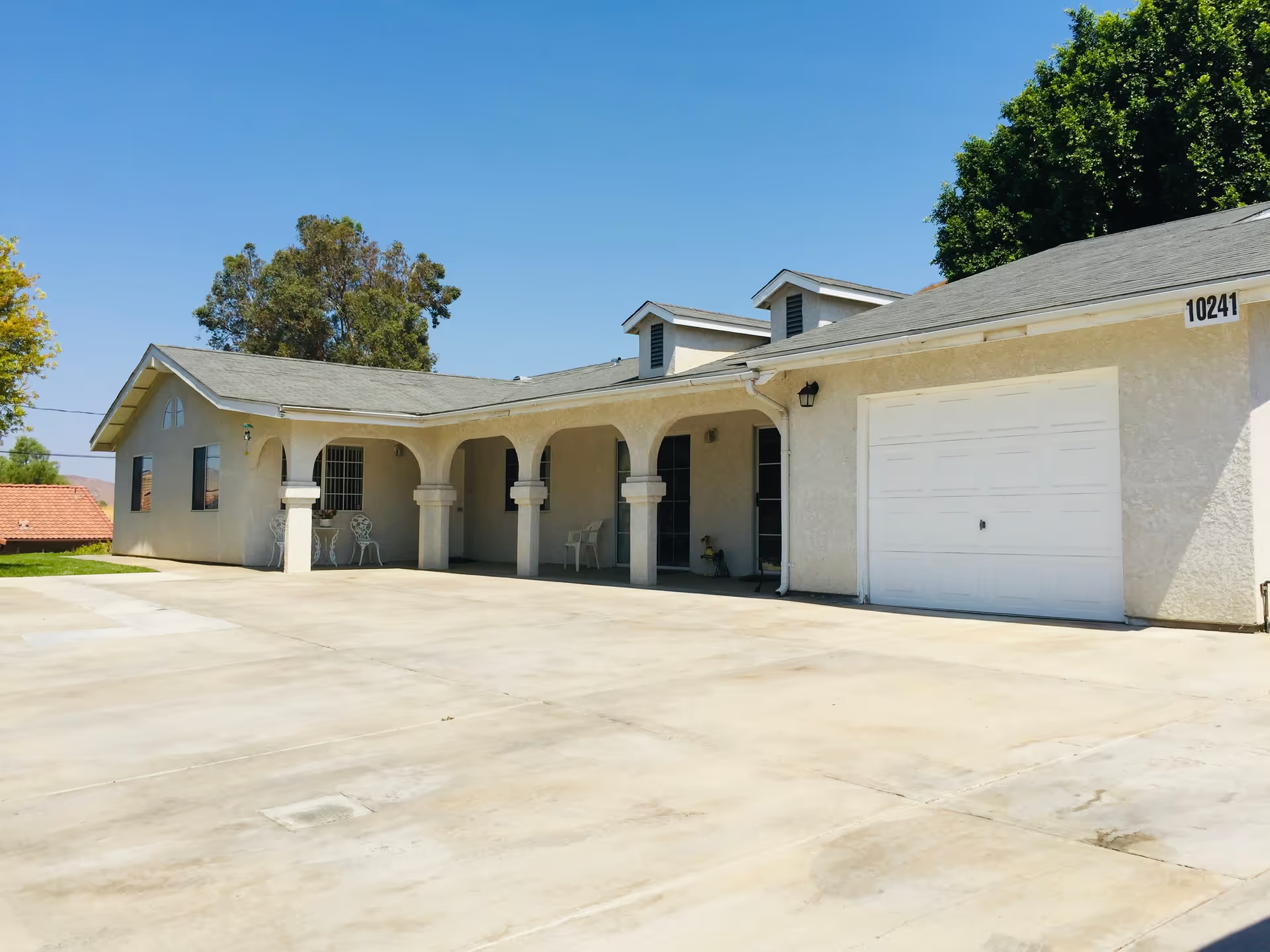
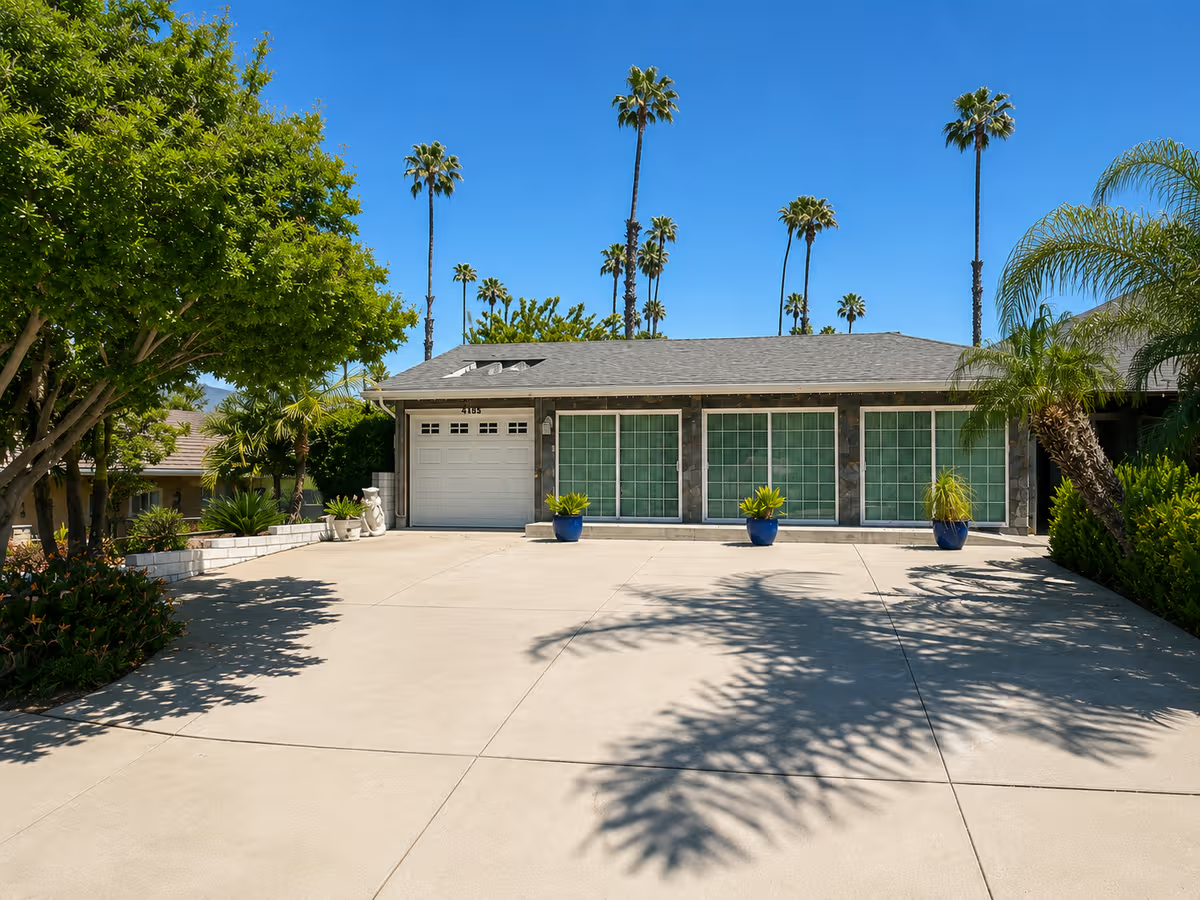
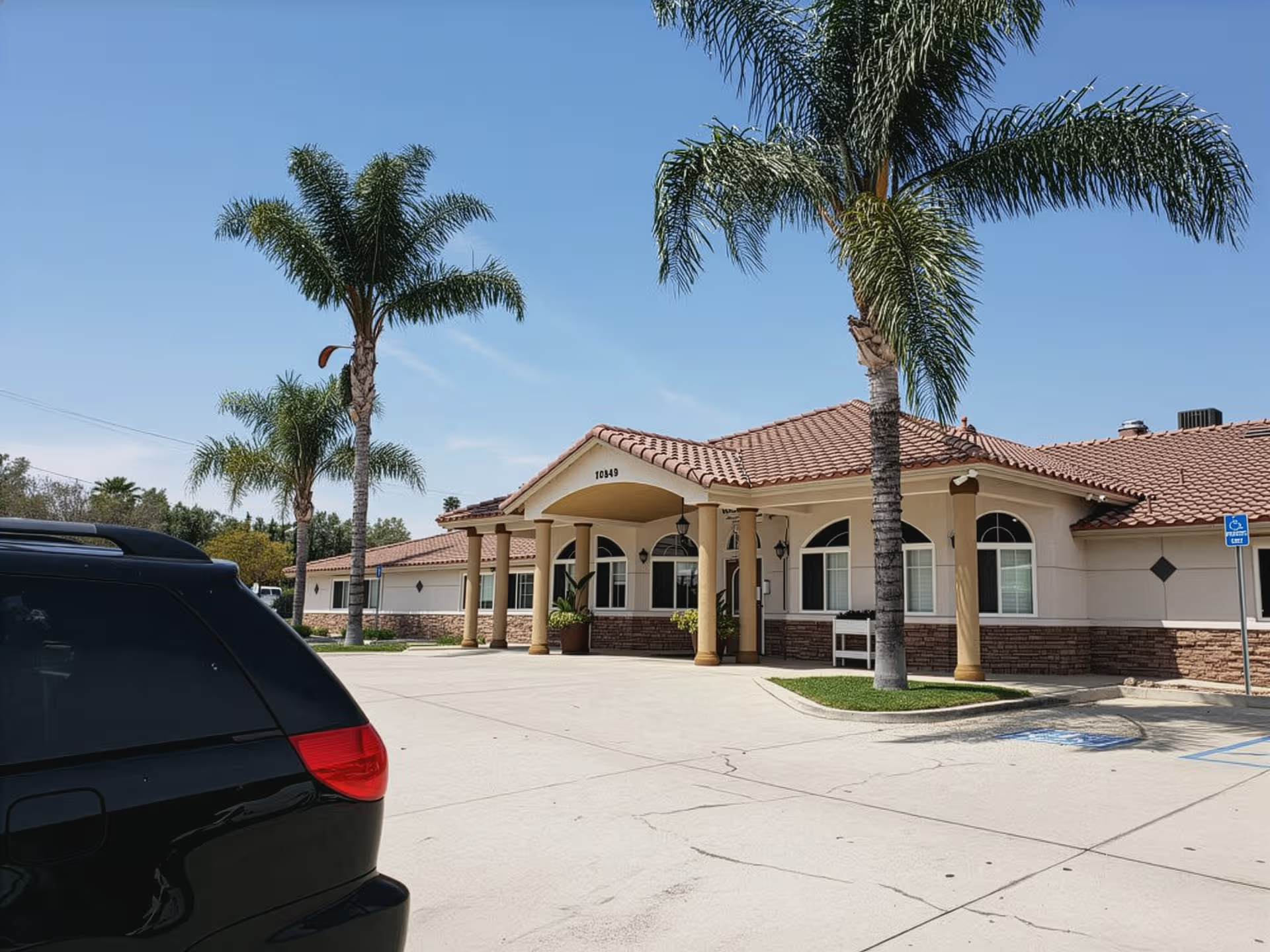
Facilities and operations: Physically, the campus is generally described as modern, tastefully decorated, and well maintained, with spacious apartment layouts and pleasant outdoor spaces. At the operational level, multiple reviewers highlighted slow maintenance-response times, inconsistent housekeeping in some units, and isolated safety or environmental-protocol lapses. These concerns span delayed repairs, occasional cleanliness shortfalls, and protocol irregularities that management may need to address systematically rather than case-by-case.
Management and admissions: Many families praised the admissions process, transition assistance, and problem-solving orientation of staff and managers; there are numerous accounts of smooth move-ins and helpful orientation. Nevertheless, others described pressure during sales interactions, occasional communication breakdowns, and turnover in leadership roles. Together these indicate generally competent administrative support with room to standardize admissions communications and strengthen leadership continuity.
Notable patterns and recommendation guidance: The dominant pattern is a community with strong relational strengths — caring staff, an active program, good facilities, and a positive social environment — combined with operational variability in maintenance, dining execution, and staffing consistency. Prospective residents and families should tour during multiple times of day (including evenings/nights and mealtimes), ask about maintenance-response procedures, staffing ratios by shift, and recent leadership changes, and confirm specific dining and medication-management protocols to ensure the community’s strengths align with the resident’s needs.