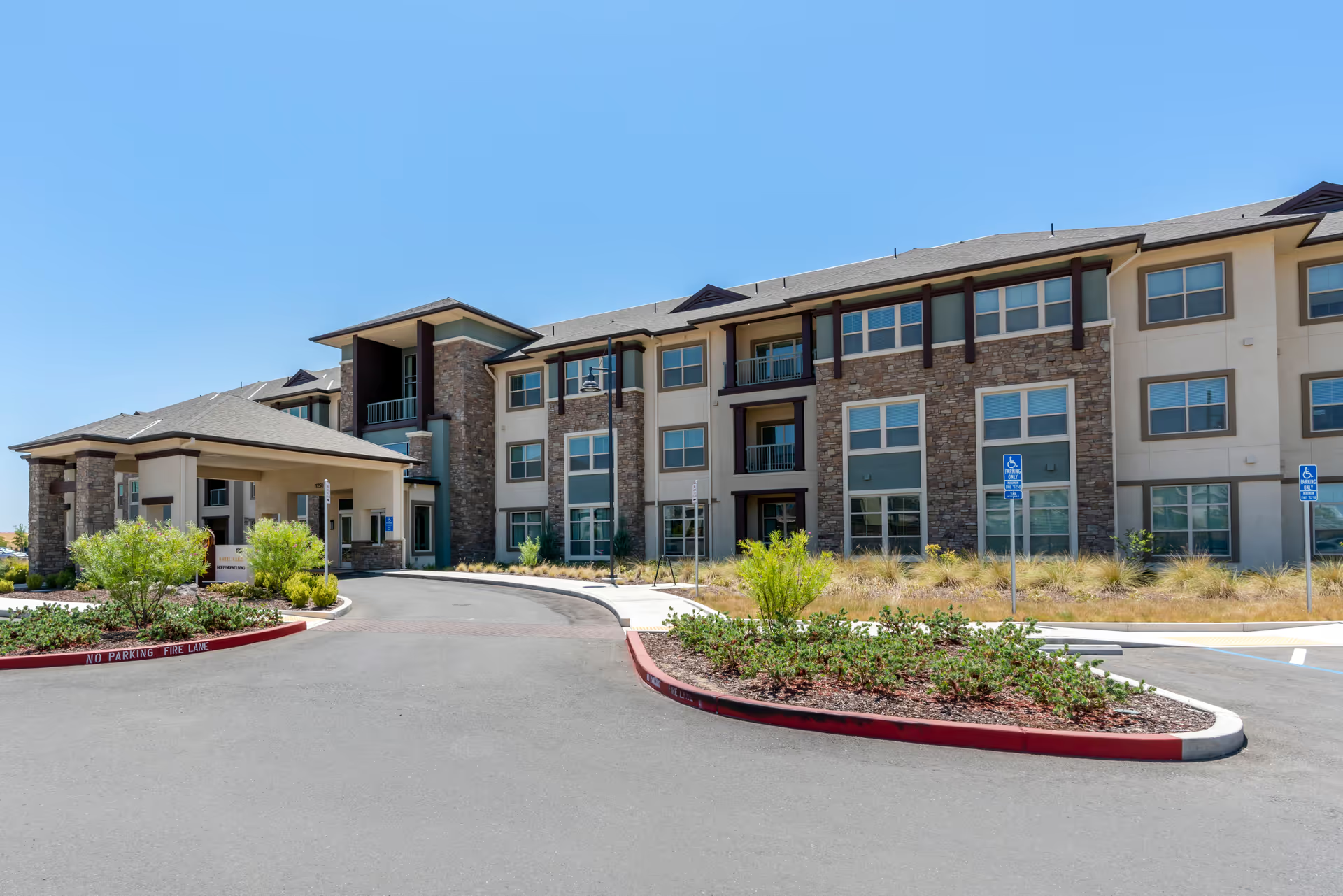
Overall impression: The Villas at Stanford Ranch presents as a newer, upscale senior living community with a resort-like aesthetic and extensive on-site amenities. Commonly cited strengths include a well-maintained, light-filled main building, high ceilings and attractive decor, and a broad set of communal spaces (dining room, bistro, theater, art and game rooms). The campus offers numerous physical amenities — a large heated pool, exercise facilities, walking paths, green spaces and attached covered garages — that support active independent-living lifestyles and social engagement.
Care and staff: Staff and caregiving receive consistent praise for warmth, attentiveness and resident-focused interactions. Many describe caregivers and leadership as engaged, friendly and nurturing; holiday and seasonal programming are highlighted as signs of staff investment in resident quality of life. At the same time, reviewers note variability in staff experience levels in certain units, which can translate to inconsistent operational familiarity. There are also recurring comments about management follow-through (for example, commitments about specific apartment assignments) that suggest intermittent gaps between admissions promises and execution.
Dining and food service: The community offers three daily meals with an upscale dining room and a bistro/snack bar with extended hours. Several visitors complimented elegant, restaurant-style meals and dessert offerings. However, experiences with food are mixed: some describe portions as small, service as slow, and the kitchen’s consistency as variable. Combined with mentions of additional fees, families should assess menu samples, portion sizes and service timelines during a tour.
Activities and social life: Programming is a clear strength. The community supports a wide range of activities (exercise classes, card and poker games, bingo, line dancing, crafts, scenic drives and holiday events) and fosters a family-like, socially active atmosphere. Residents and families commonly report high levels of engagement and varied opportunities for mental and physical stimulation.
Facilities and accessibility: Physical facilities are generally described as attractive, clean and well appointed. Unit layouts are often spacious for independent living; assisted-living units were described as smaller in comparison. Practical concerns include a large campus footprint and some building circulations that can be difficult to navigate, and steps between garages and certain living areas that could pose challenges for persons with limited mobility. The property does include an on-campus memory-care neighborhood, which may be convenient for future care transitions.
Management, operations and costs: Several operational weaknesses surfaced repeatedly. Families cited communication and responsiveness issues with management and front-desk/phone systems, and at least one reviewer described a perceived lack of transparency around pricing and add-on fees. The community’s pricing was characterized as high by some visitors (with anecdotal references to costs approaching higher-tier market rates) while others found cost reasonable for the offered amenity level. Prospective residents should request a detailed fee schedule, clarify what services are included, and verify commitments in writing before finalizing placement.
Who this fits and trade-offs: The Villas at Stanford Ranch is likely to suit older adults seeking a newer, amenity-rich environment with robust social programming and a resort-like dining and recreation experience. Families who prioritize visible caregiving warmth, active engagement, and upscale facilities will likely view this community favorably. Trade-offs to consider include the higher cost profile, potential variability in meal-service experience, occasional staffing experience gaps, and navigation/accessibility issues in parts of the building. During tours, target questions about unit sizes for assisted living, elevator/stair access between garages and apartments, meal service logistics, and written clarification of fees and apartment allocation to address the most commonly noted operational concerns.