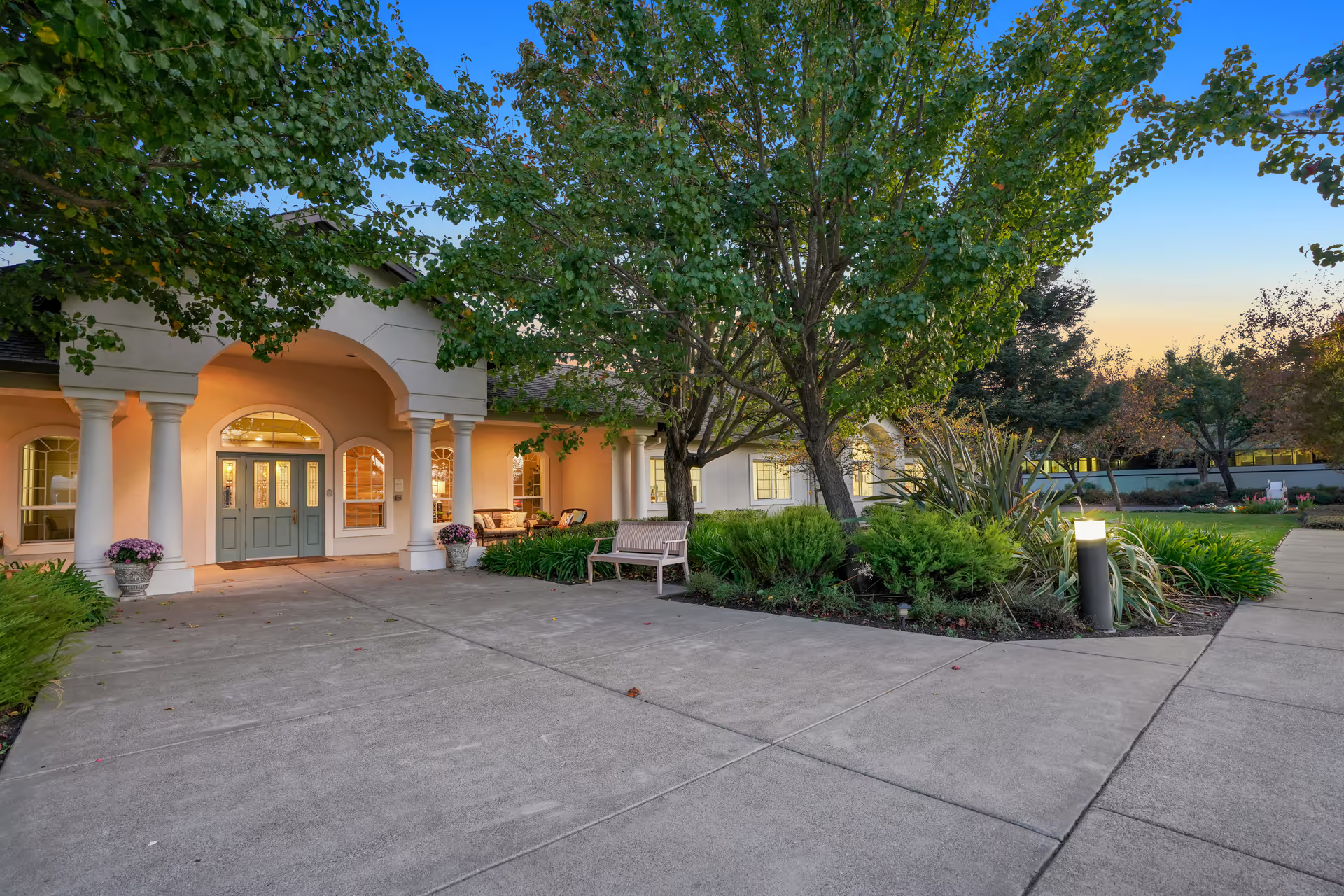
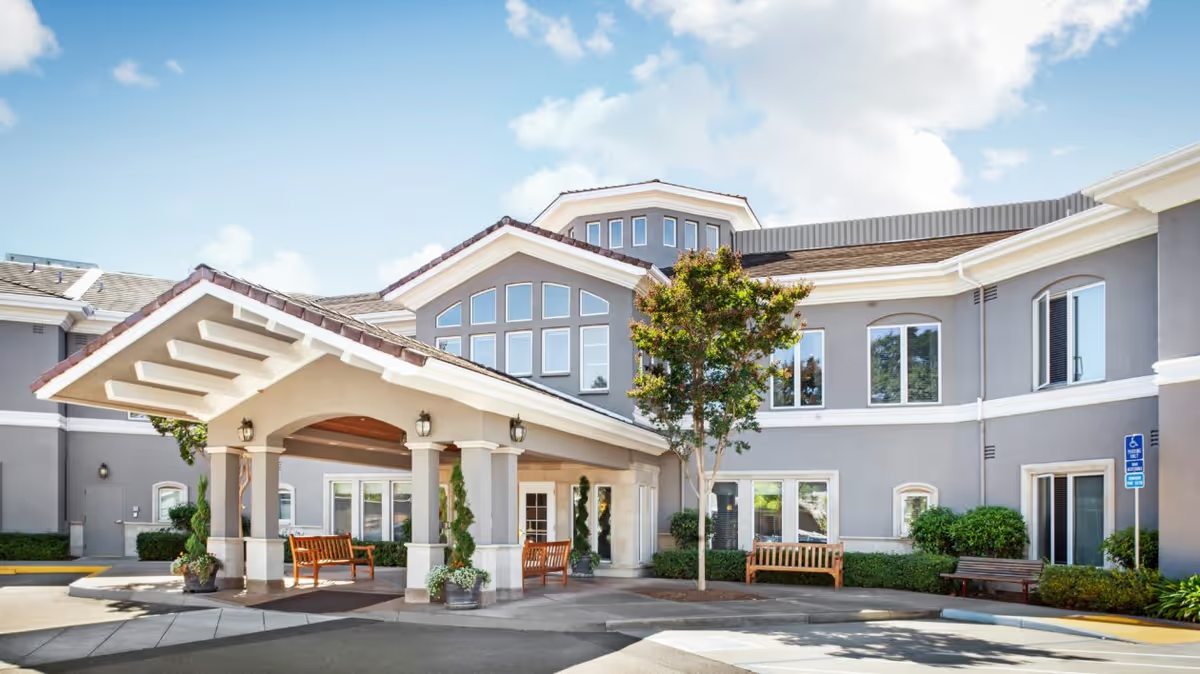
Overall impression: Clearwater at Sonoma Hills presents as a modern, well-appointed senior living community with many features typical of an upscale facility. Reviewers frequently describe clean, new construction and residences that resemble hotel-style living: a hotel-like lobby, contemporary finishes, and one-bedroom apartments with full refrigerators. The property houses multiple dining venues, a salon, a theater, fitness and recreation areas, outdoor courts and courtyards, and a range of social spaces that support an active resident life.
Care and staff: Across reviews the staff receive largely positive comments for attentiveness and compassionate interactions. Families singled out individual caregivers and clinical staff for strong, personalized support, and med technicians are often described as conscientious. Several reviewers also noted helpful administrative support during move-in and assistance with transportation to appointments. However, there is a recurring operational concern around staffing consistency. Some reviews describe periods of short-staffing, leadership turnover, and uneven training, which reviewers link to slower response times and inconsistencies in care delivery.
Medication, safety, and clinical operations: Positive comments about medication preparation for outings and plentiful med techs coexist with concerns about medication-management practices and monitoring. Reviews imply variability in how medications and in-room monitoring are handled; this is reflected in a broader pattern of occasional safety and monitoring gaps. Prospective families should confirm current medication-administration protocols, resident-monitoring procedures, and staff-to-resident ratios during their tour.
Dining and dietary accommodations: Dining is often highlighted as a strength — extensive lunch menus, nightly desserts, 24/7 dining options, and friendly waitstaff contribute to an appealing food program. At the same time, some reviewers described inconsistent adherence to dietary restrictions and occasional dissatisfaction with specific meals. If dietary needs are critical, families should inquire about formal processes for documenting allergies and restrictions and how the kitchen manages special diets.
Activities and amenities: The community offers a broad activities calendar and frequent outings, with amenities including a movie theater, poker and game rooms, arts-and-crafts spaces, fitness facilities, and outdoor recreation such as bocce and putting green. These programs appear robust and well-attended, contributing to residents’ social engagement and quality of life.
Management and communication: Several reviewers praised responsive managers who provided moving guidance and cost-saving suggestions. Conversely, other accounts point to inconsistent communication, occasional slow follow-up, and intake/documentation issues—notably in memory-care admissions. There are also mentions of variability in staff conduct and occasional language-access challenges in dining or service interactions. These items indicate operational variability rather than uniform practices.
Value and final considerations: Many families view the community as upscale and worth recommending, especially for those seeking a new, amenity-rich environment with active programming. Some reviewers, however, perceive the community as expensive or question value for price. Given the mixture of strong positives and recurring operational concerns (staffing consistency, medication and monitoring practices, dietary adherence, and communication procedures), prospective residents and families are advised to tour the community, meet clinical leaders, review staffing ratios, and clarify protocols for medication administration, dietary accommodations, and memory-care intake before committing.