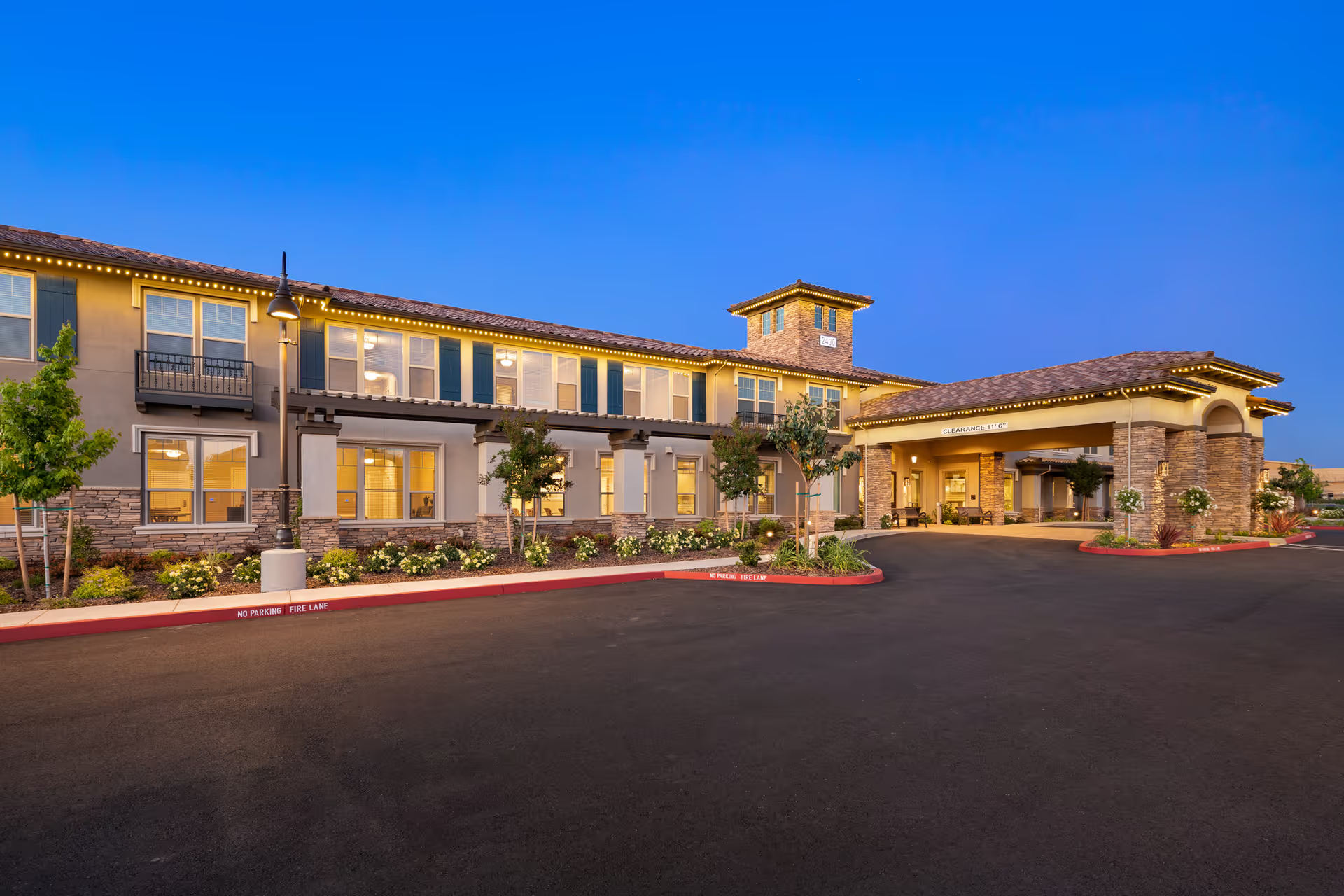
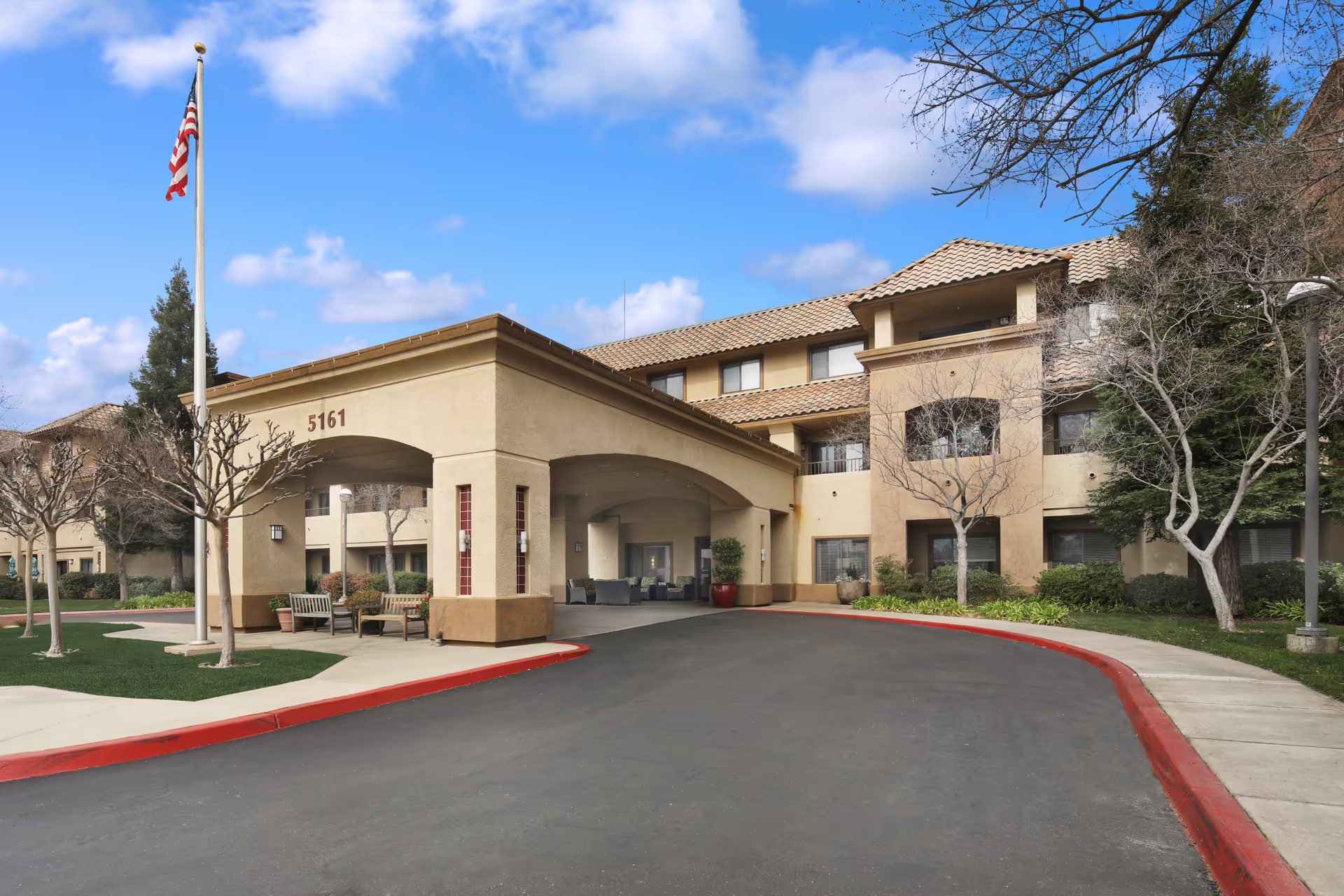
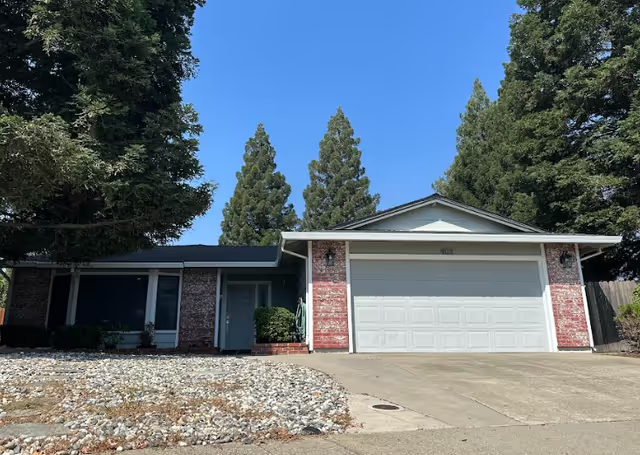
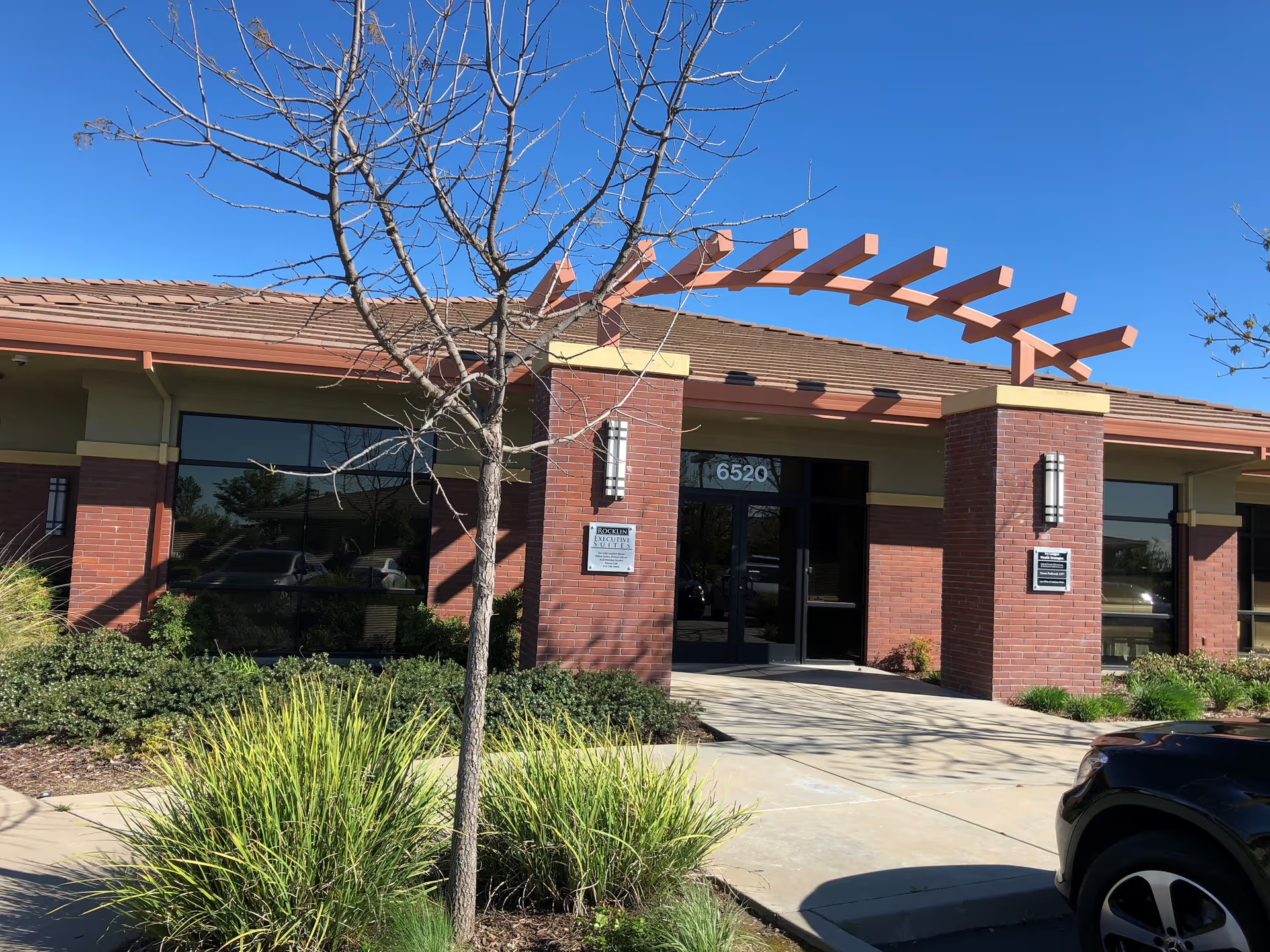
Overall impression: Reviews portray a facility with many operational strengths alongside some notable operational weaknesses. Multiple families praised the caring tone of staff, cleanliness, on-site clinical services, and amenities such as large rooms, pet policy, and an all-inclusive fee structure. At the same time, a subset of experiences point to persistent issues around staff behavior, noise, schedule interruptions, and management responsiveness. Prospective residents and families will find both positive indicators of quality care and areas that warrant direct inquiry during a visit.
Care and clinical services: Several reviews highlight attentive care and prompt medical responsiveness; one family credited the facility with decisive action in an acute situation. On-site clinical conveniences (podiatry, haircuts) were noted as practical benefits. However, the pattern of concerns about staff conduct and schedule interruptions suggests uneven consistency in day-to-day care delivery. Families should ask about staffing levels, shift continuity, and protocols for clinical escalation and emergency response.
Staff and operations: Many reviewers described staff as friendly and caring, and some staff members were noted for being welcoming and available for tours or visits. Contrastingly, comments about occasional rude or unpredictable caregiver behavior, frequent personal phone use, and inconsistent professional boundaries indicate variability in staff performance. Noise-control issues—loud television use, kitchen/household noise, and other disturbances—were cited as factors that disrupt resident routines. These items point to operational gaps in staff training, supervision, and enforcement of quiet/visitation policies.
Dining, activities, and daily life: Off-site activities and a schedule of engagements were mentioned positively, suggesting an active social program for residents. There were indirect references to interruptions around daily routines; reviewers described schedule disruptions without consistent detail on dining quality. It would be prudent to ask about daily schedules, meal-service continuity, and how the facility minimizes disruptions during resident mealtimes and personal care routines.
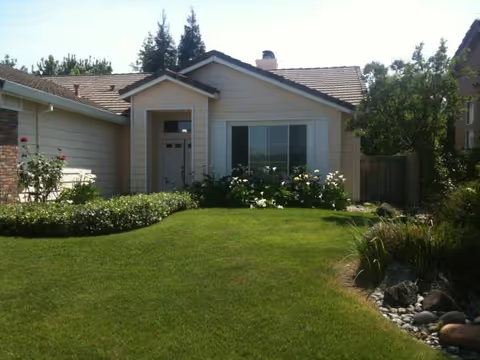
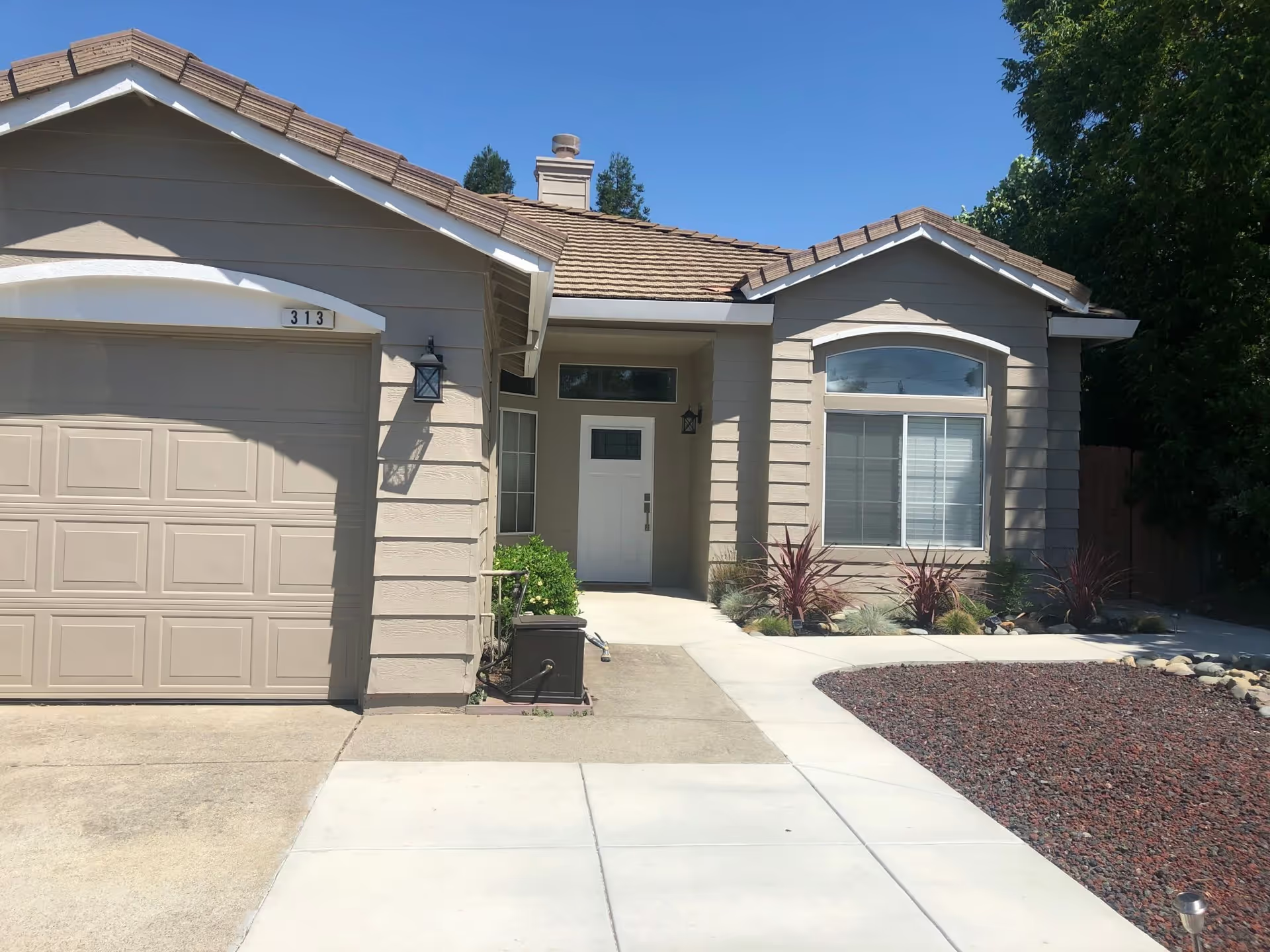
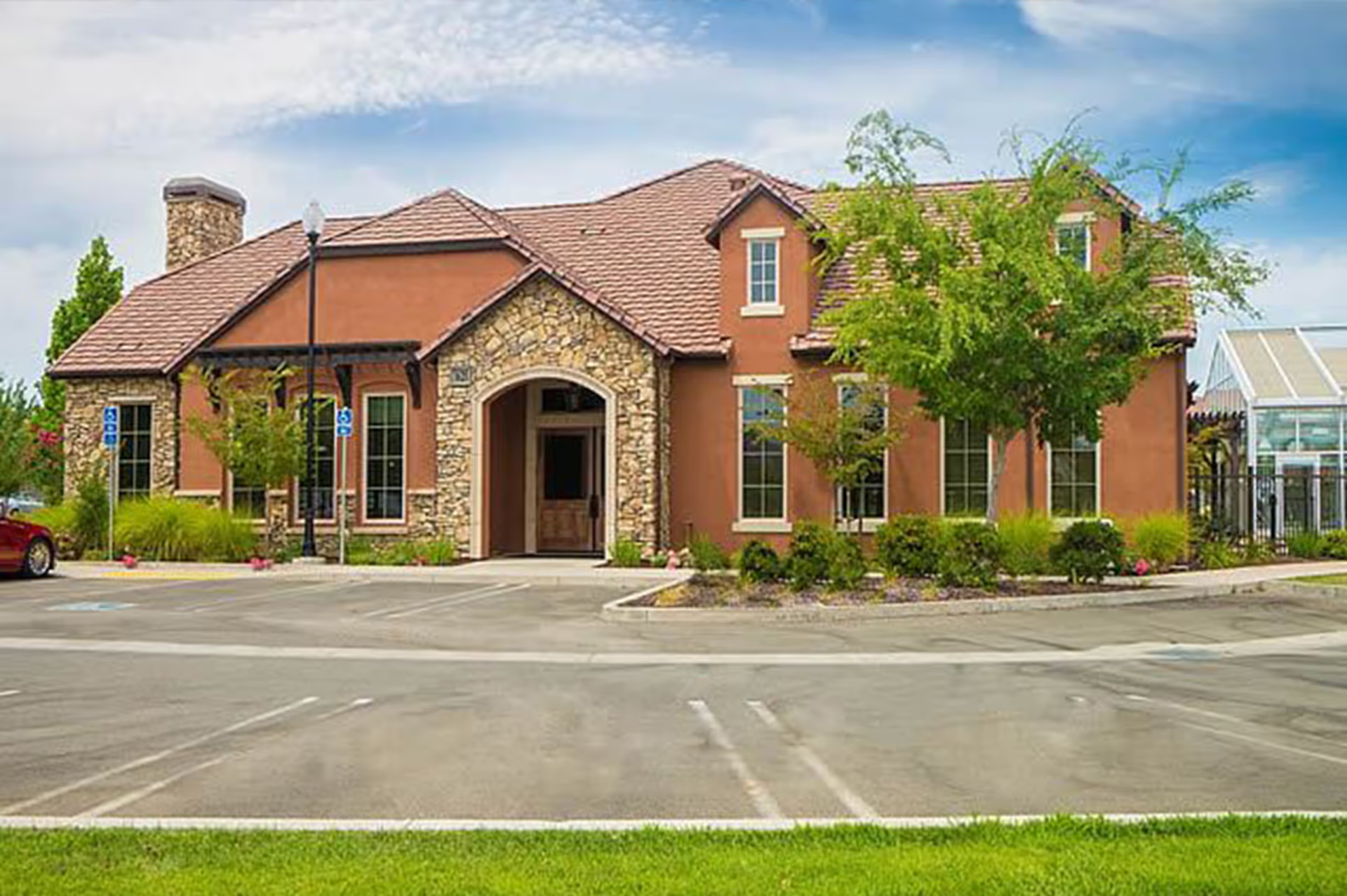
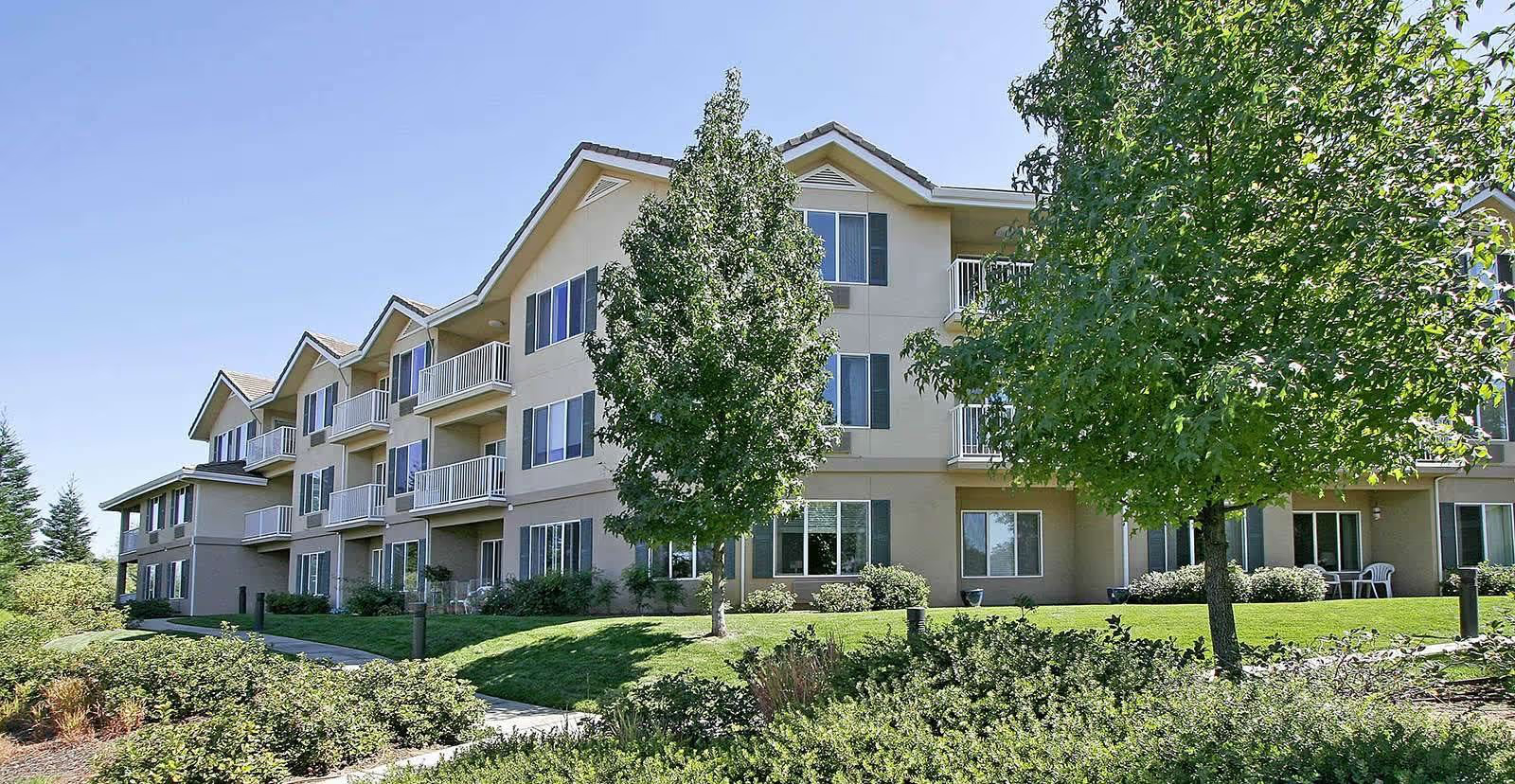
Facilities and environment: Multiple comments note that the facility is clean and odor-free, with large rooms and visible security-camera coverage. Housekeeping quality appears uneven across accounts—some visitors found spaces neat and well-maintained, while others described tidiness issues. The facility is pet-friendly and has services that reduce the need for off-site appointments. Given the mixed observations on tidiness, confirm the housekeeping schedule and standards for common areas and resident rooms.
Management and communication: Impressions of management are mixed. Some reviewers praised the owner’s engagement, while others described limited responsiveness when grievances were raised. This suggests variability in how family concerns are handled. Prospective families should inquire about the formal grievance/communication process, response timelines, and who is the point of contact for escalations.
Notable patterns and recommendation: The dominant pattern is a facility with substantive strengths—clean environment, active programming, useful on-site services, and caring staff—but with operational inconsistency around staff conduct, noise management, housekeeping detail, and management responsiveness. These are the areas most likely to affect daily resident comfort. A focused tour should include conversations about staffing ratios and training, noise and visitation policies, housekeeping frequency, emergency-response protocols, and examples of how management resolves family concerns.