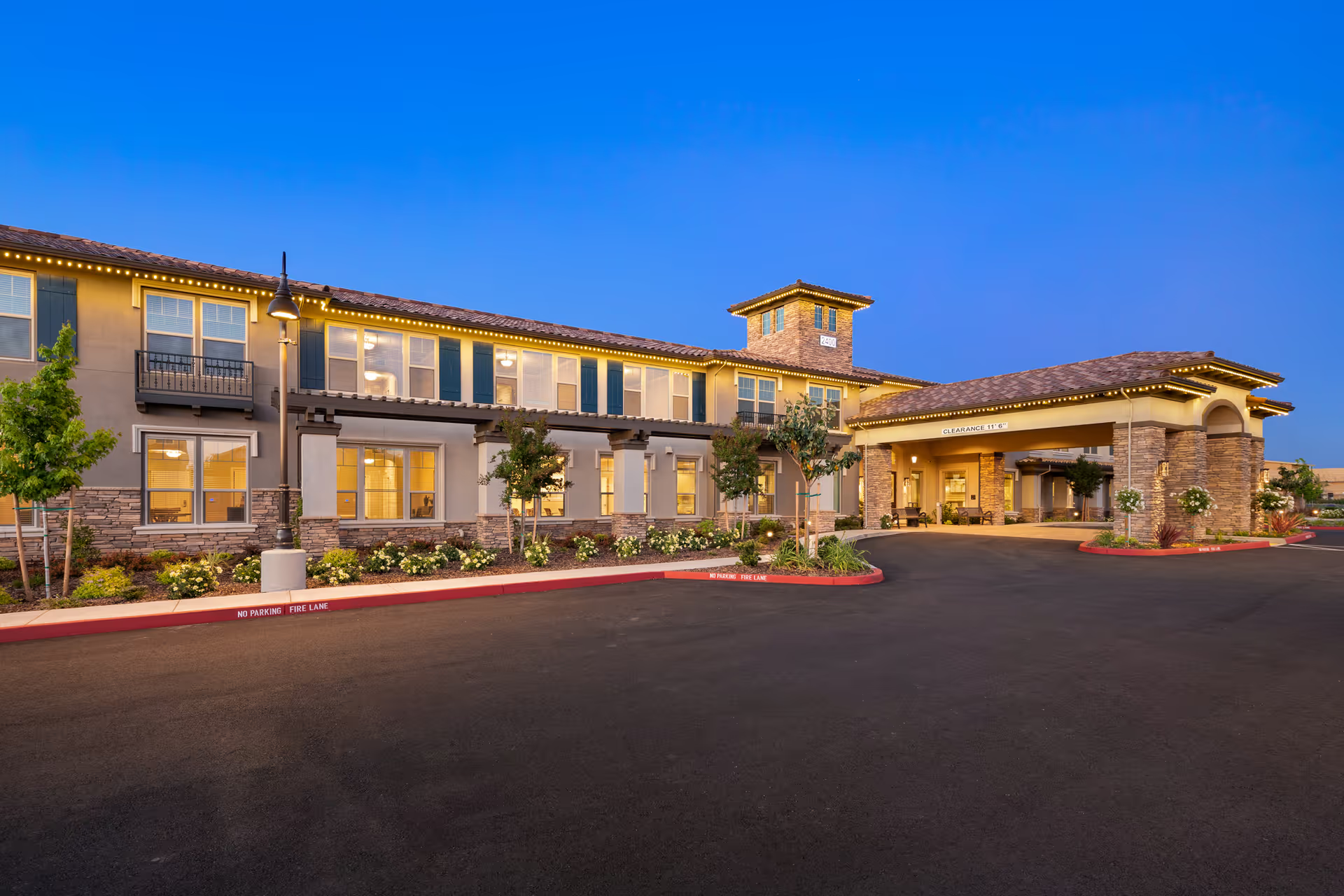
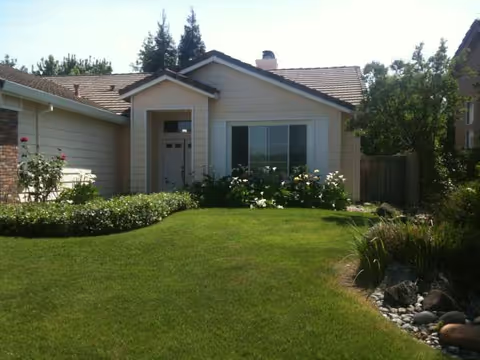
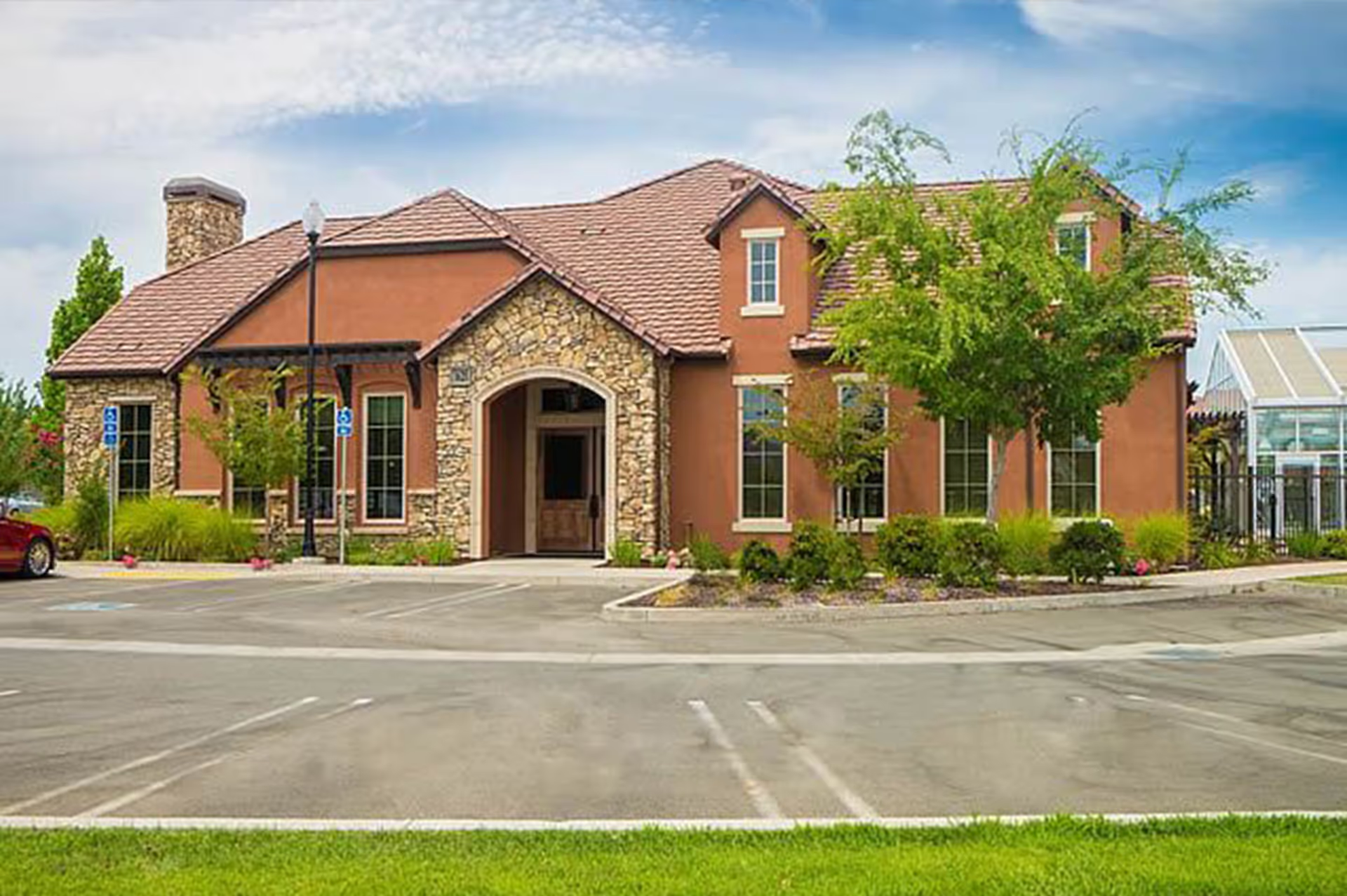
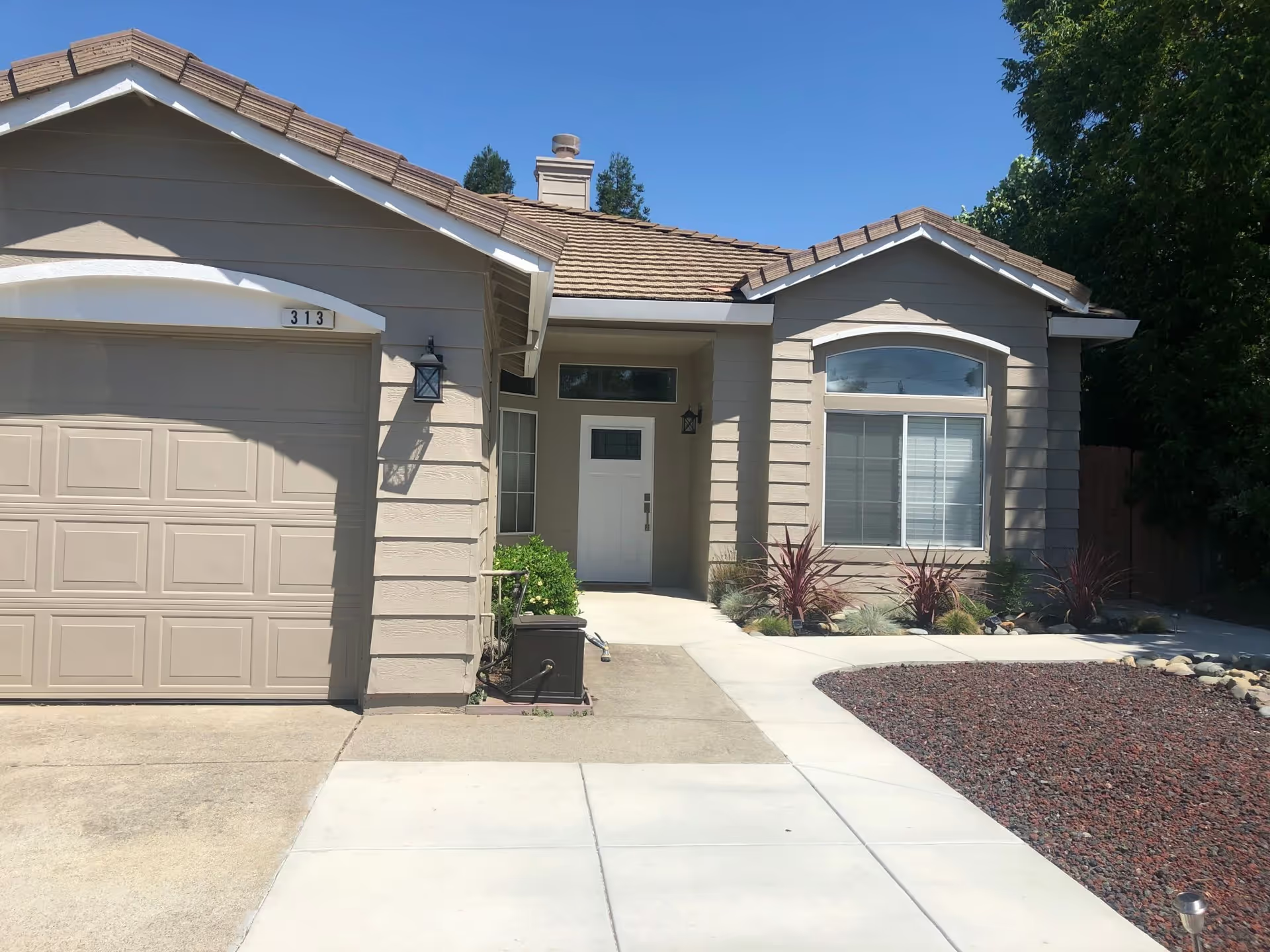
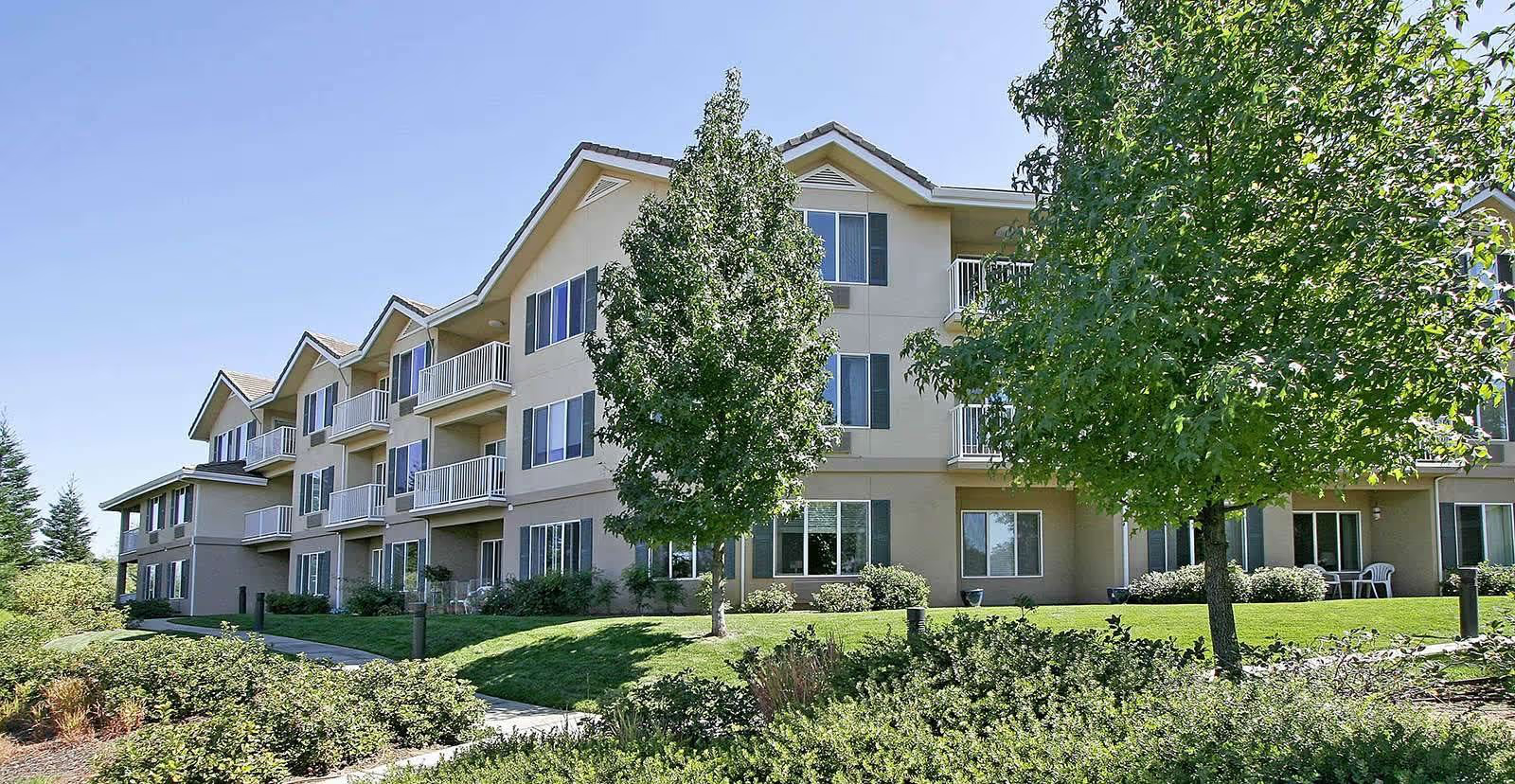
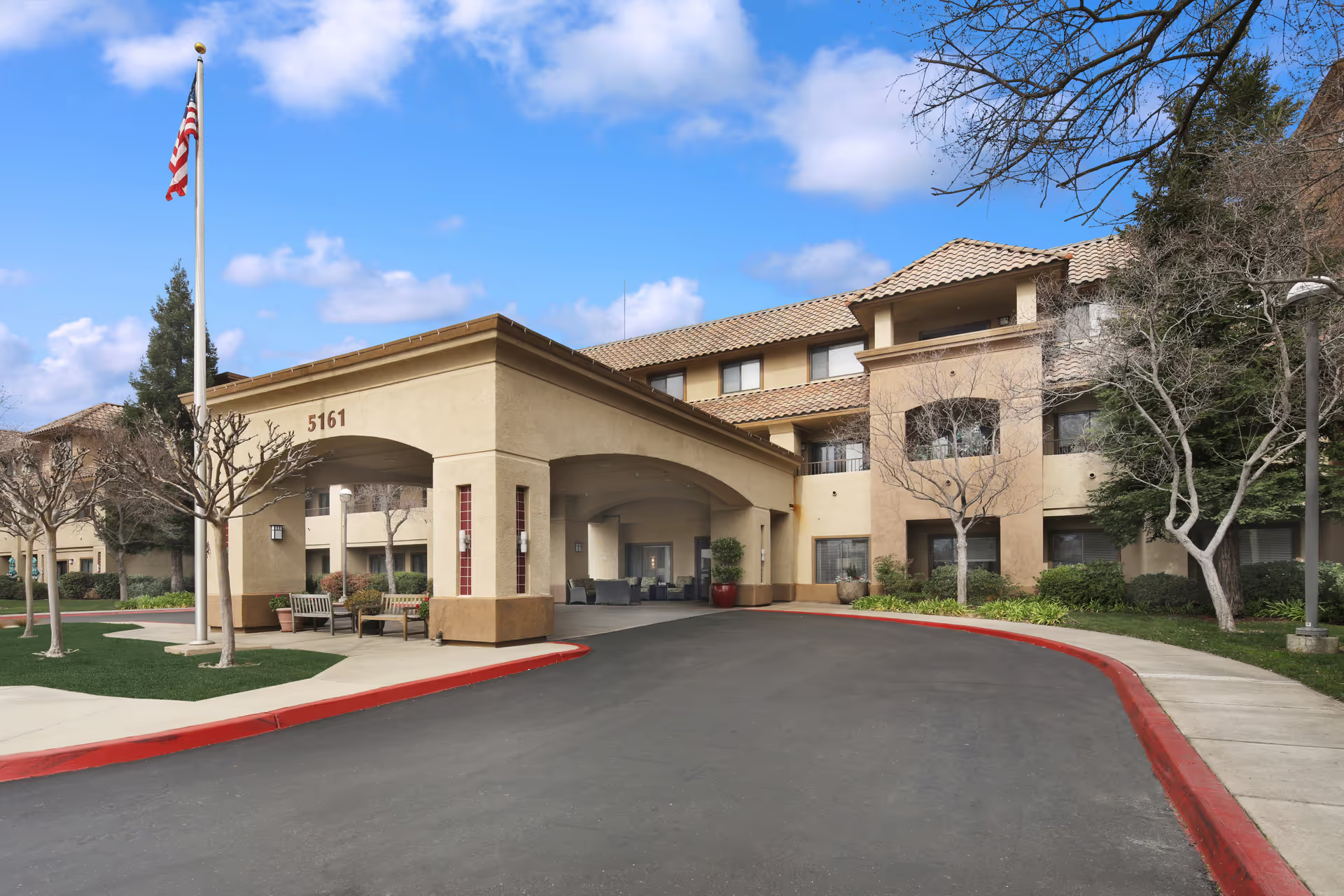
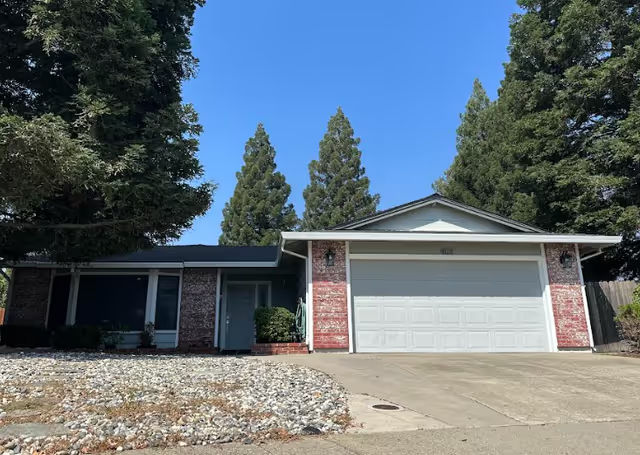
Brighton Assisted Living is consistently characterized in the reviews as a small, family-operated residence that emphasizes a home-like, compassionate approach to elder care. The dominant themes are high-quality interpersonal care and a warm, dignified environment; families commonly describe staff as caring, empathetic, and professionally skilled. Reviewers highlight effective medication administration, proactive caregiver partnerships, and coordination with hospice services when needed, which together contribute to a sense of safety and peace of mind for relatives.
Staffing and daily operations are described as orderly and personally engaged. Several families mentioned an above-average staff-to-resident ratio, organized routines, and an administrator/owner presence that supports responsiveness. The facility’s culture is described as personalized and holistic: staff take time for one-to-one activities (for example, reading to residents), organize birthday and celebratory meals, and make efforts to include families. Reviewers also noted that the facility maintained continuity during infection-control periods, with relatively little disruption to resident life.
Dining and activities appear oriented toward personalization rather than large-scale programming. Multiple mentions of special meals, birthday celebrations, and individualized visits indicate attention to residents’ personal preferences and social needs. The small-house model supports tailored interactions and family inclusion, though descriptions emphasize social and comfort-oriented activities rather than extensive therapeutic or high-intensity rehabilitation programming.
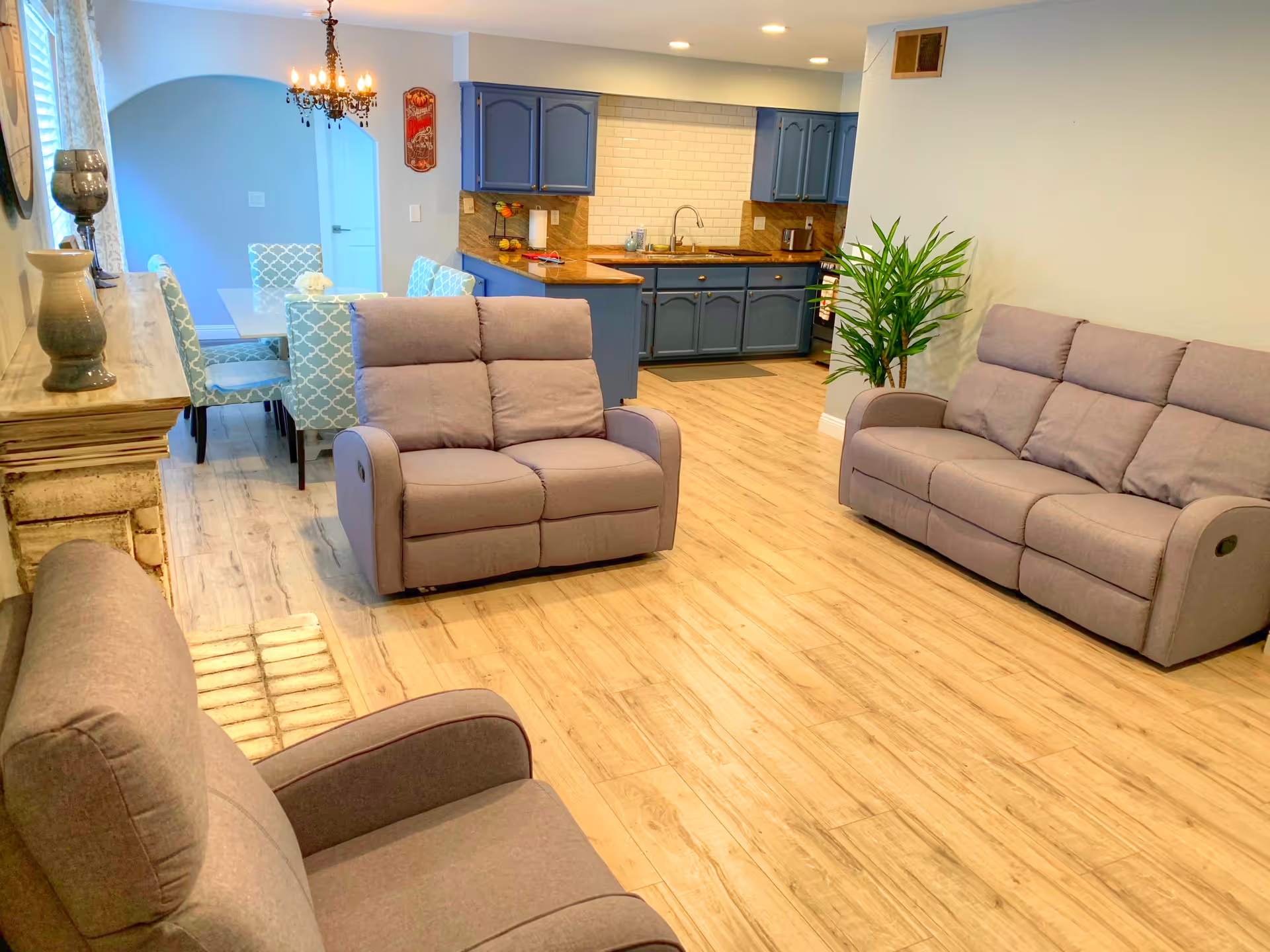
Facilities and management draw positive comment for cleanliness, tasteful appointments, and owner involvement. The family-run structure, including named leadership, is presented as a strength for responsiveness and relational care; reviewers credit owners and staff with accessibility and compassionate oversight. That model, however, also suggests trade-offs: the facility’s smaller scale may limit on-site specialized medical or rehabilitative services and the variety of formal therapy programs available. Prospective families should confirm clinical service scope and external-provider arrangements if specialized care is anticipated.
Overall, the pattern in these summaries is strongly favorable toward Brighton’s relational and comfort-focused care model. Strengths include compassionate, professional staff; personalized dining and activities; and attentive family-run management. Key practical considerations for prospective residents and families are the facility’s size and model—excellent for individualized, warm support but likely requiring referrals or external services for specialized clinical or intensive rehabilitation needs—and the desirability of confirming documentation and reporting practices for clinical outcomes and incidents before move-in.