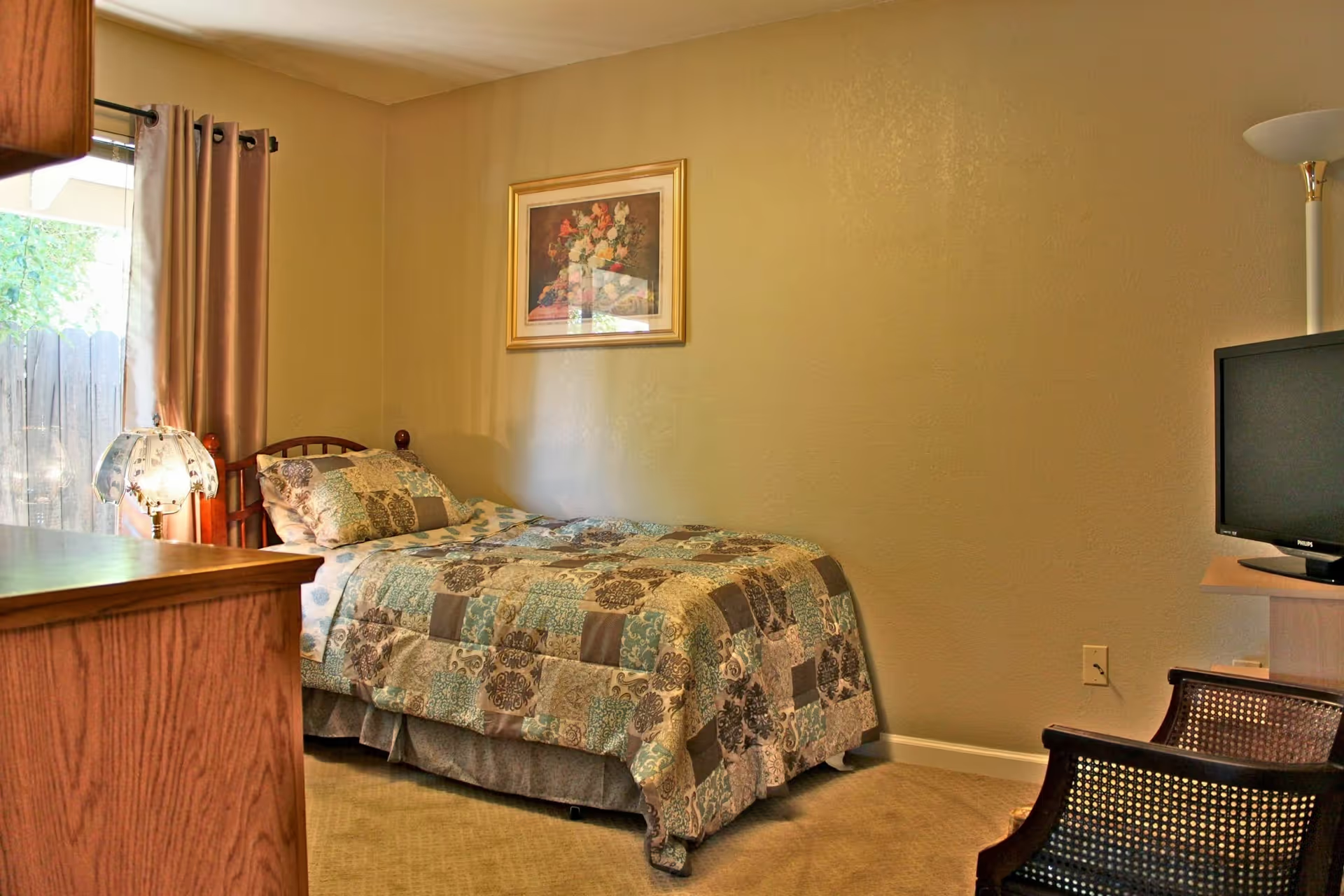
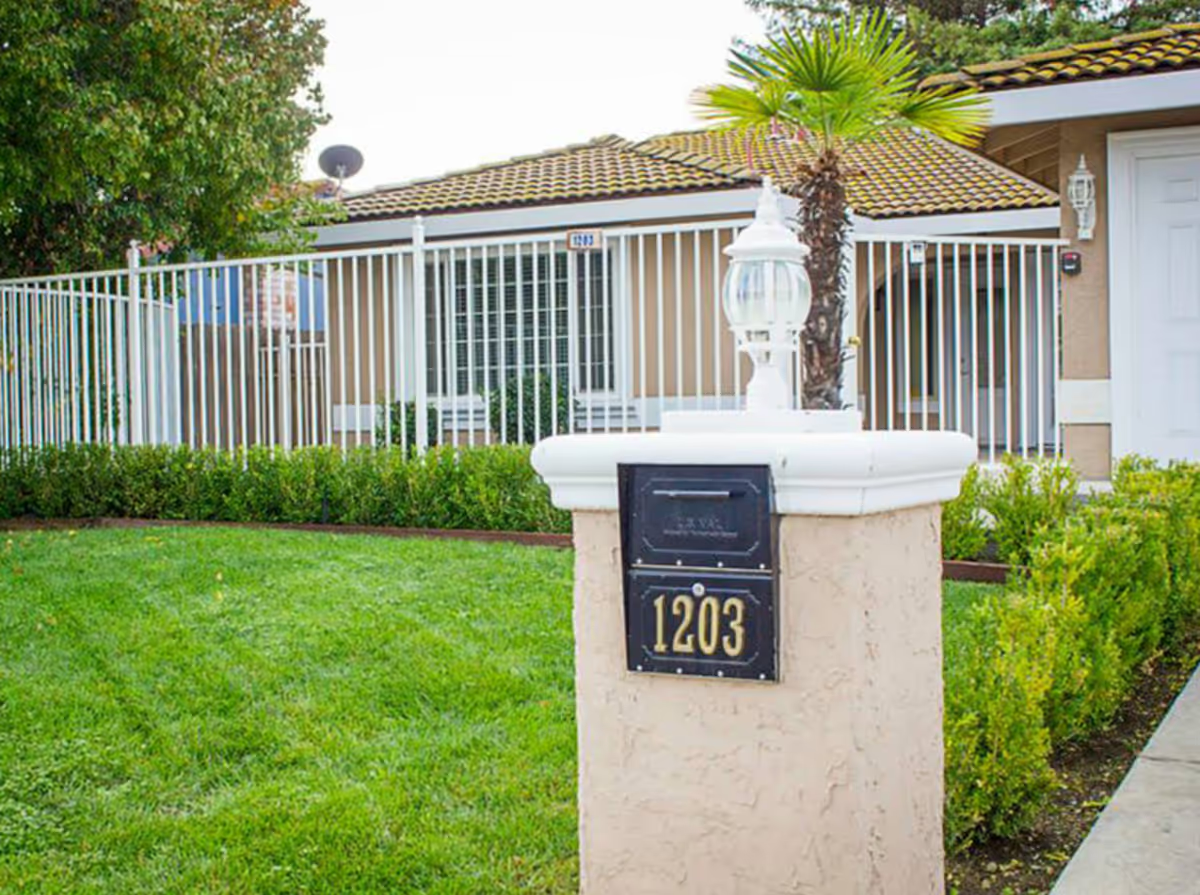
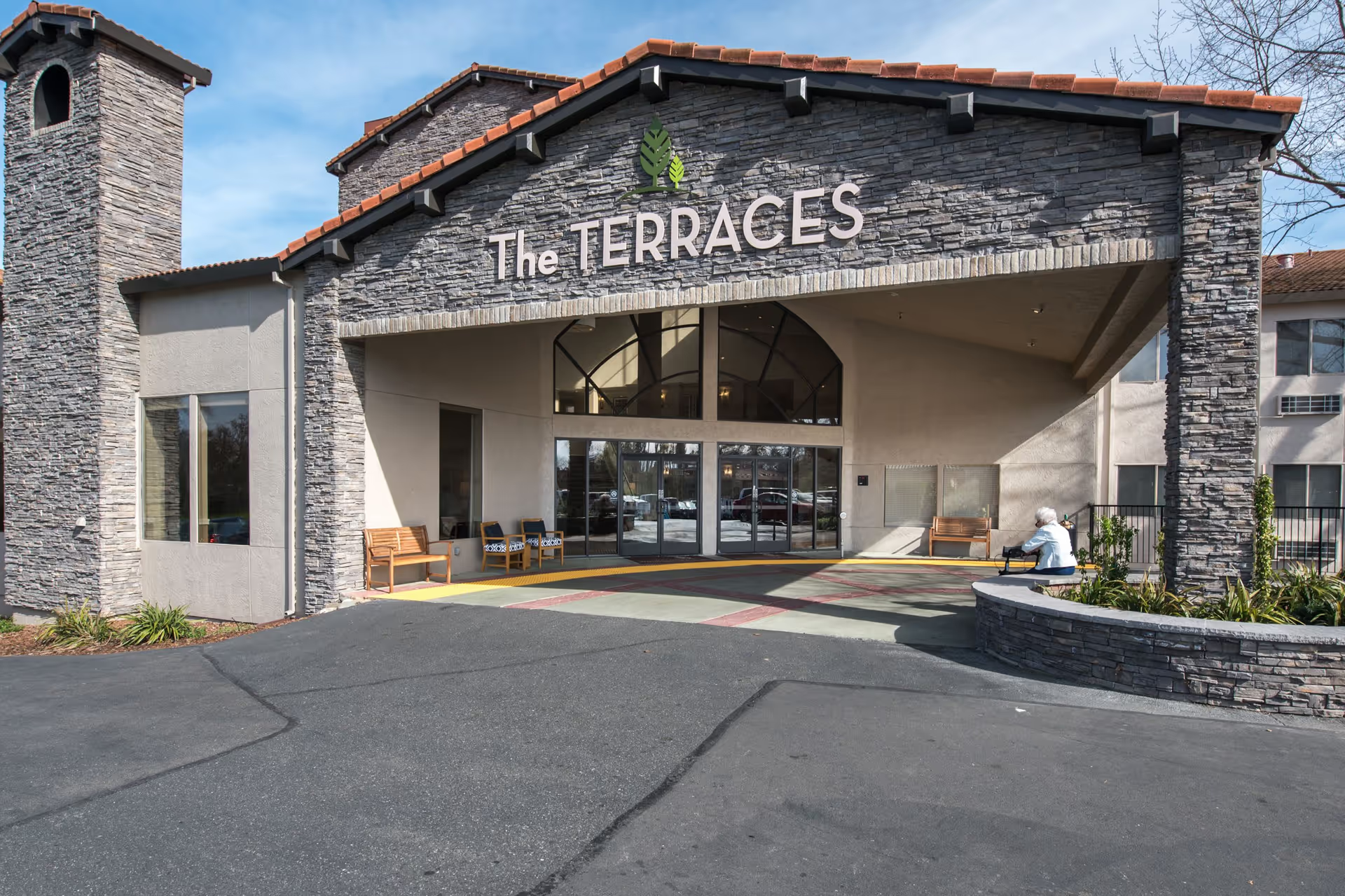
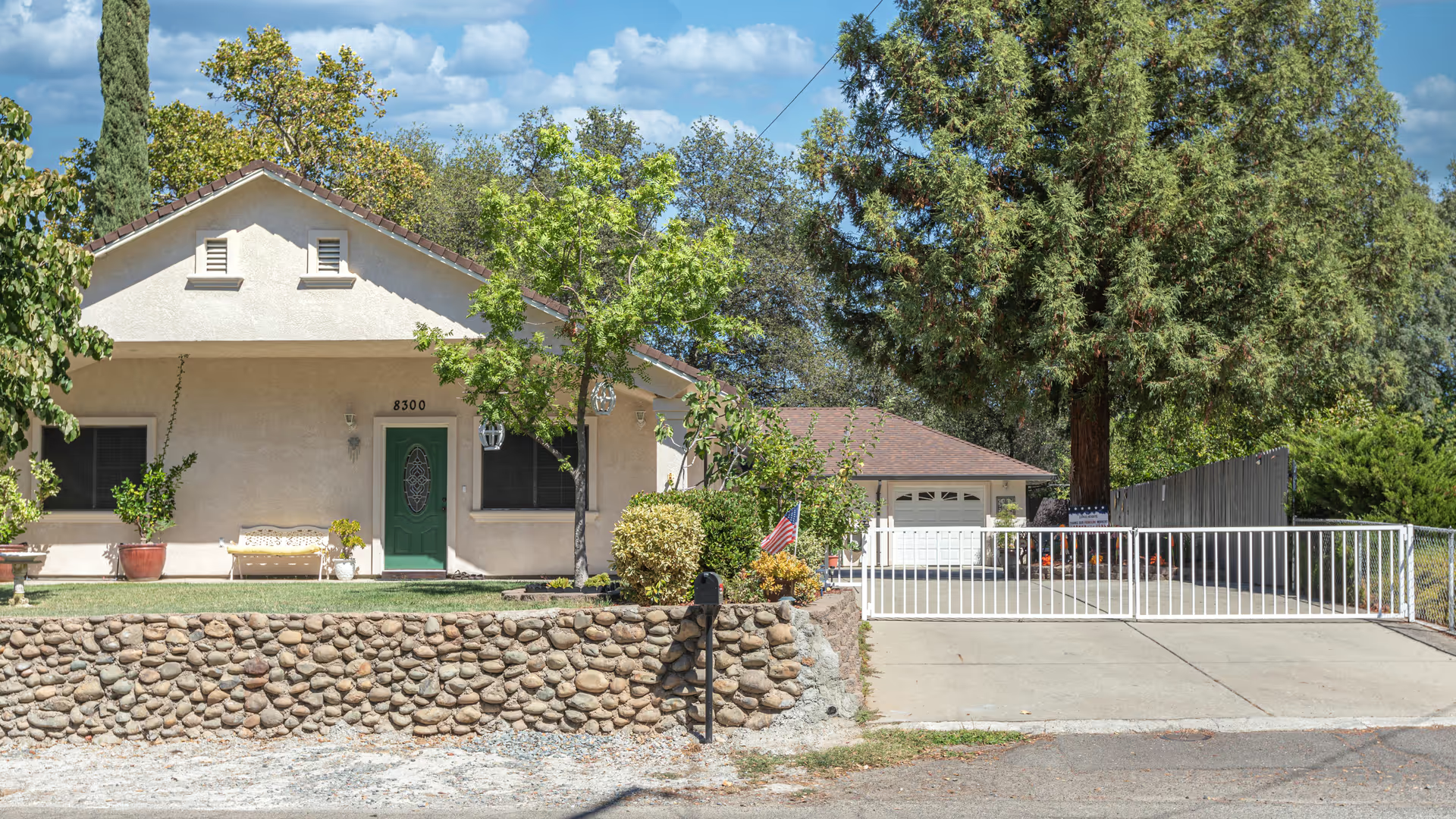
Overall impression: Brookdale Roseville presents as a small, memory-care–focused community with many families reporting strong, compassionate caregiver relationships, tailored activities, and an intimate, home-like atmosphere. Reviewers frequently praised the engagement level of aides, activity staff, and leadership figures (several named individuals were highlighted), along with routine family communication and photographic updates that supported family confidence. The facility offers chef-prepared meals, bakery items, pet therapy, a central courtyard, and rooms with good natural light and outdoor views—features families cited as meaningful quality-of-life benefits.
Care and staff: Staffing is a clear strength in many accounts: caregivers are described as kind, patient, and experienced in dementia care, and many families noted staff who know residents by name and build rapport. At the same time, reviews indicate inconsistent staff training and higher turnover in other periods, producing variability in on-floor coverage and visibility. That variability manifested as slower response times on some shifts and occasional concerns about clinical follow-up. Families valued frequent communication when it occurred, but noted gaps when leadership was less present.
Clinical practices and safety: Several reviews highlighted positive clinical attentiveness and faithful medication administration; however, a number of accounts described delays in recognizing or responding to health changes and process gaps related to continence care and infection risk. Laundry and linen-management problems, along with sanitation concerns in isolated reports, were raised as operational weaknesses that relate to resident comfort and infection-prevention practices. There were also reports suggesting weaknesses in safeguarding resident belongings and property controls. A small number of serious allegations — including claims about misconduct and missing items — were raised and should prompt families to seek documentation about safeguards and incident follow-up during a tour.
Dining and activities: Dining received mixed feedback. Many families praised the chef, the variety of meals, and special dietary accommodations; bakery items and special snacks were frequently highlighted. Conversely, other accounts described inconsistent meal temperature and occasional blandness, indicating variability in execution between service periods. Activities were consistently described as a strength: staff-run programs (arts, crafts, music, walking groups, outings and individualized memory-care activities) contributed to resident engagement and morale.
Facilities and management: The physical plant is described as clean and well-kept in many areas, including a pleasant courtyard and inviting common spaces. That said, some reviewers noted signs of aging in parts of the building and referenced broken laundry machines or small shared rooms that could benefit from refurbishment. Management impressions are mixed: families appreciated newer leadership and responsive directors in several reports, while others experienced periods of disorganization, communication lapses, or perceived managerial turnover.
Notable patterns and guidance for families: The overall pattern is polarized—many families express high satisfaction with the caregiving team, activities, and atmosphere, while a smaller but notable set of accounts raises operational concerns around staffing consistency, clinical responsiveness, laundry and sanitation processes, and property safeguards. Prospective residents and their families should tour the community, ask specific questions about staff-to-resident ratios on each shift, clinical incident protocols, laundry and linen processes, property-security practices, and recent leadership tenure. Requesting references, examples of individualized activity schedules, and documentation of how the community handles clinical changes will help assess whether the facility’s strengths align with a particular resident’s needs.