Experiences at Pine Creek Care Center are notably mixed, with a clear contrast between strong rehabilitation outcomes and recurring operational issues. A substantial number of families describe warm, patient-focused interactions: nursing staff, CNAs, and specific clinicians receive regular praise for compassion, responsiveness, and individualized bedside care. The facility's physical- and occupational-therapy resources are a consistent strength — therapists and the therapy program are frequently credited with measurable functional improvements and successful discharges to home.
Clinical quality appears uneven across cases. While many reports describe attentive, professional nursing and timely physician oversight, others identify care-process breakdowns that affect clinical monitoring and safety. Themes include medication-management inconsistencies (delays and dosing errors described), gaps in wound care and skin monitoring that in some cases required hospital transfer, and variable responsiveness to calls for assistance. Transfer and mobility assistance practices are a recurring concern in the negative accounts, indicating the need for careful review of individual transfer protocols and staffing for higher-dependency residents.
Dining and activities present a bifurcated picture. Several families praised varied menus, dietitian involvement, and enjoyable meals; others cited cold or poorly prepared entrees and inconsistent meal presentation. The activity program and recreation staff (including named activity leadership) receive repeated commendation for personalized engagement and spiritual/recreational options, though activity availability has at times been reduced by infection-control measures or staffing constraints.
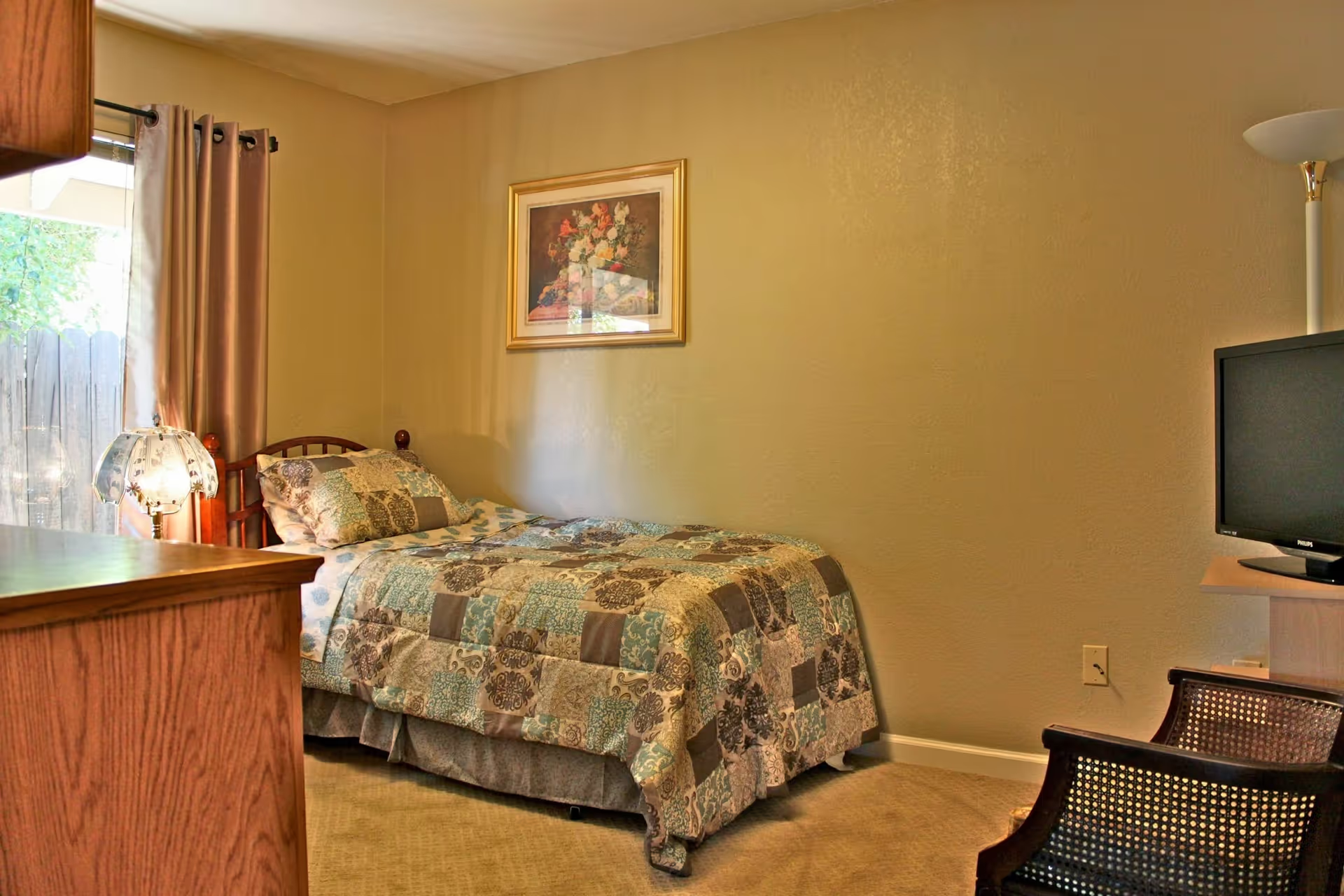
Facility condition and environment also vary. Many comments note clean common spaces, well-kept therapy areas, and a generally pleasant atmosphere. Contrasting accounts describe aged furnishings, dated resident rooms, noise disruptions (equipment and shared-room noise), and inconsistent housekeeping or laundry controls. Parking and access for visitors were identified as limited in several notes, and a small number of reviews referenced security or property-handling incidents, including an allegation that prompted police involvement; families may wish to clarify security policies during a tour.
Management and communication show inconsistent performance. Positive experiences include helpful admissions staff, responsive case managers, and coordinated discharge planning. However, other families reported unreturned emails/phone calls, unclear handoffs at admission or discharge, and administrative delays that affected medication access or billing. Staffing instability — last-minute cancellations and shift gaps — links to many operational complaints, driving delays in assistance, shorter therapy sessions, and uneven coverage of nursing tasks.
Notable patterns: the facility shows clear strength in short-term rehabilitation and in individual staff who go above and beyond, but persistent variability in staffing, communication, clinical monitoring, and housekeeping creates a risk of inconsistent resident experience. Prospective residents and families should prioritize direct questions about current staffing ratios, therapy frequency and scheduling, wound-care protocols, medication-administration processes, laundry/housekeeping practices, and security measures. A careful tour of shared rooms, observation of mealtimes, and specific discussions with social-work and nursing leadership will help align expectations with the facility's variable performance profile.