The reviews present a mixed but clear pattern: frontline clinical and therapy staff are frequently praised for compassionate, attentive care and strong rehabilitation services, while governance, communication, and some operational controls appear inconsistent. Many families highlight skilled CNAs, nurses, and therapy teams (PT/OT/ST), and note positive admissions support, helpful business-office and social-services staff, and a generally clean, welcoming environment. These strengths suggest the facility can provide effective short-term rehabilitation and respectful daily care when staffing and processes are working well.
Clinical quality and daily care are described unevenly. Positive accounts emphasize attentive, dignity-preserving interactions and timely therapy; however, other accounts identify gaps in medication administration, documentation, and handoffs that led to unsafe or confusing situations. There are repeated mentions of incontinence-care process gaps and delayed assistance for toileting, and several families described serious clinical concerns, including an allegation of misdiagnosis with associated sepsis risk. Limited on-site physician availability and variable nursing response times were also raised as contributors to these clinical risks.
Staffing and management emerge as a central bifurcation. Many reviewers describe a stable, caring workforce with low turnover and individualized attention; admitting staff and nursing leadership were commended for smooth transitions and responsive interactions in some cases. Conversely, administrative weaknesses are a recurring theme: inconsistent family communication, misplacement of personal belongings and clothing, occasional rude or unprofessional staff conduct, and delays in business processes. These operational weaknesses appear to undermine otherwise strong frontline care in certain situations.
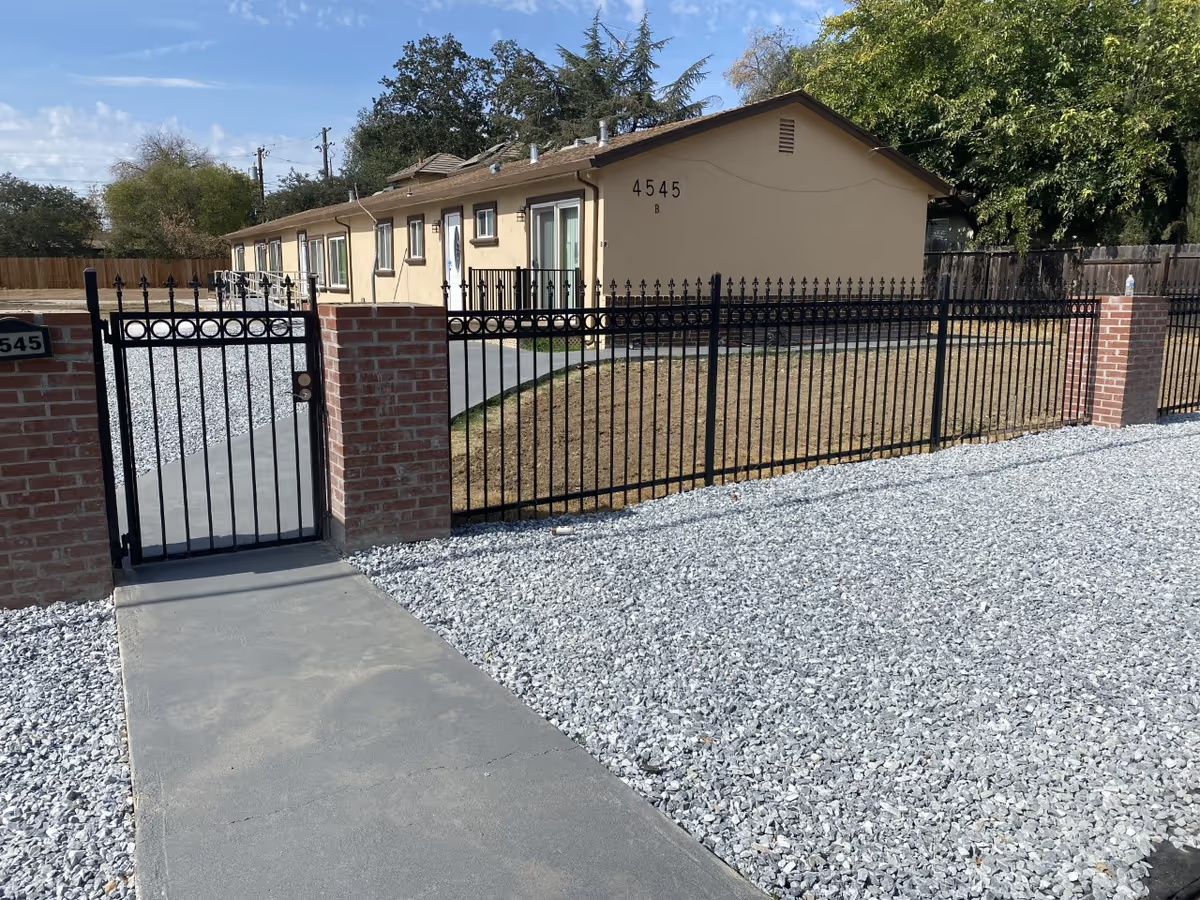
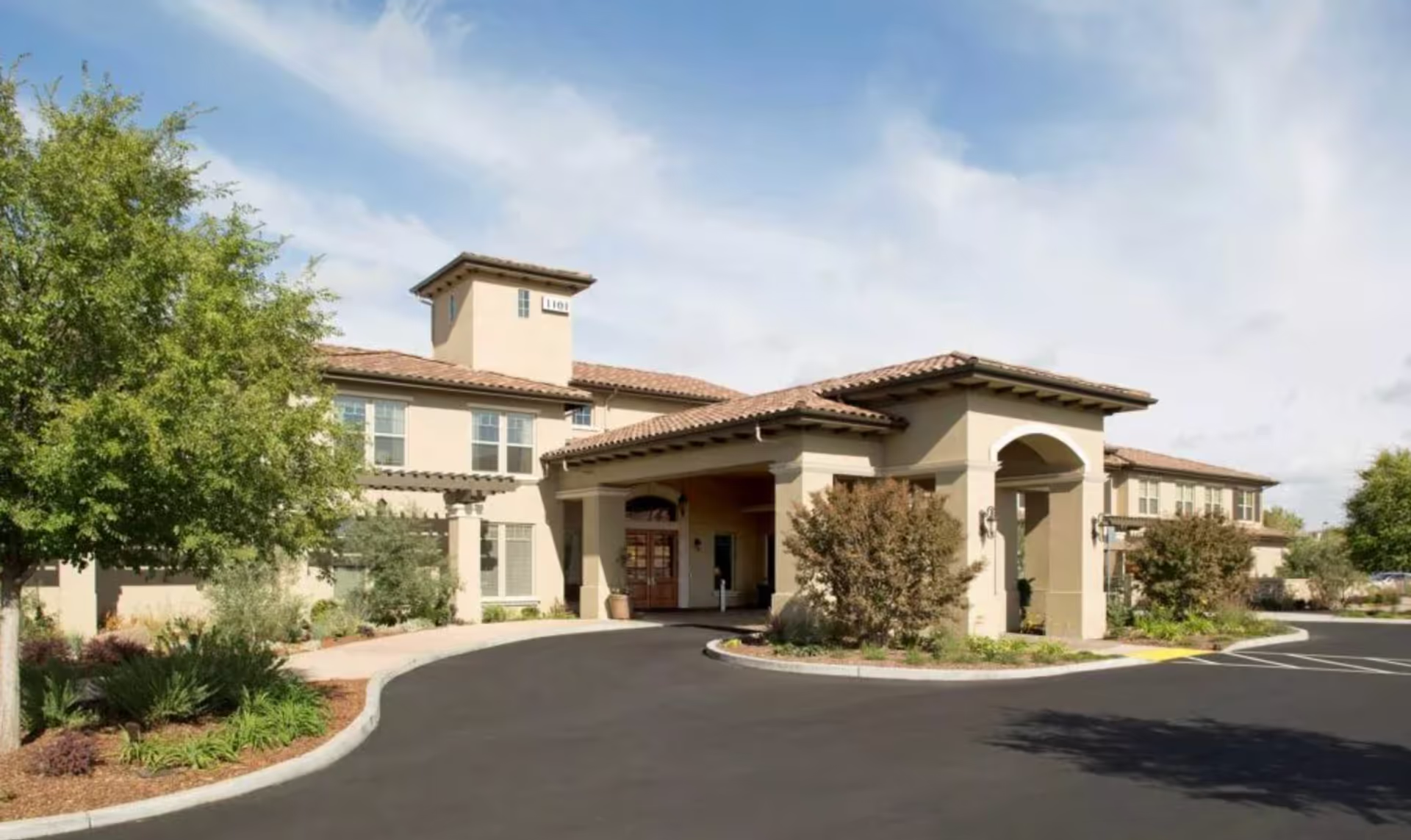
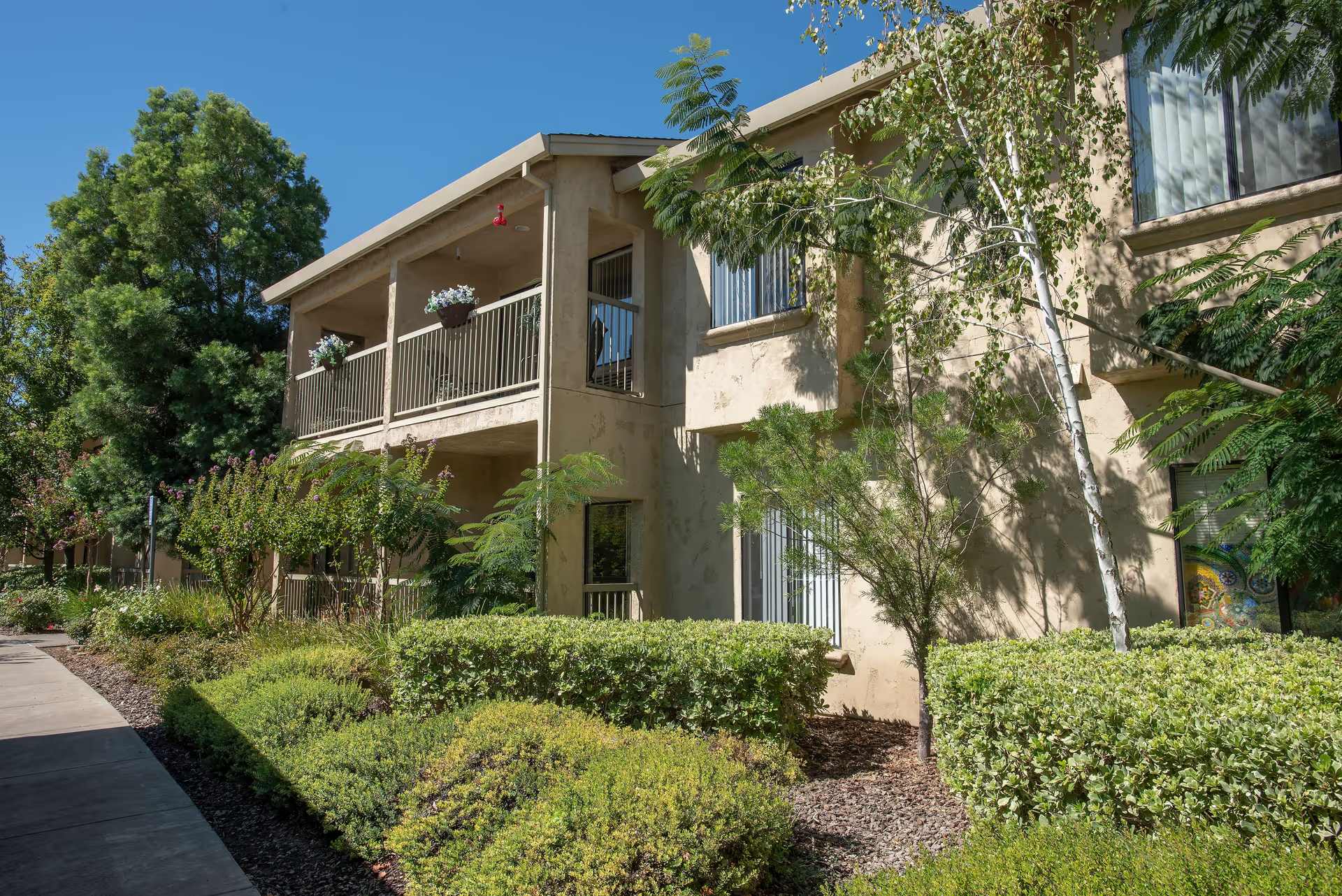
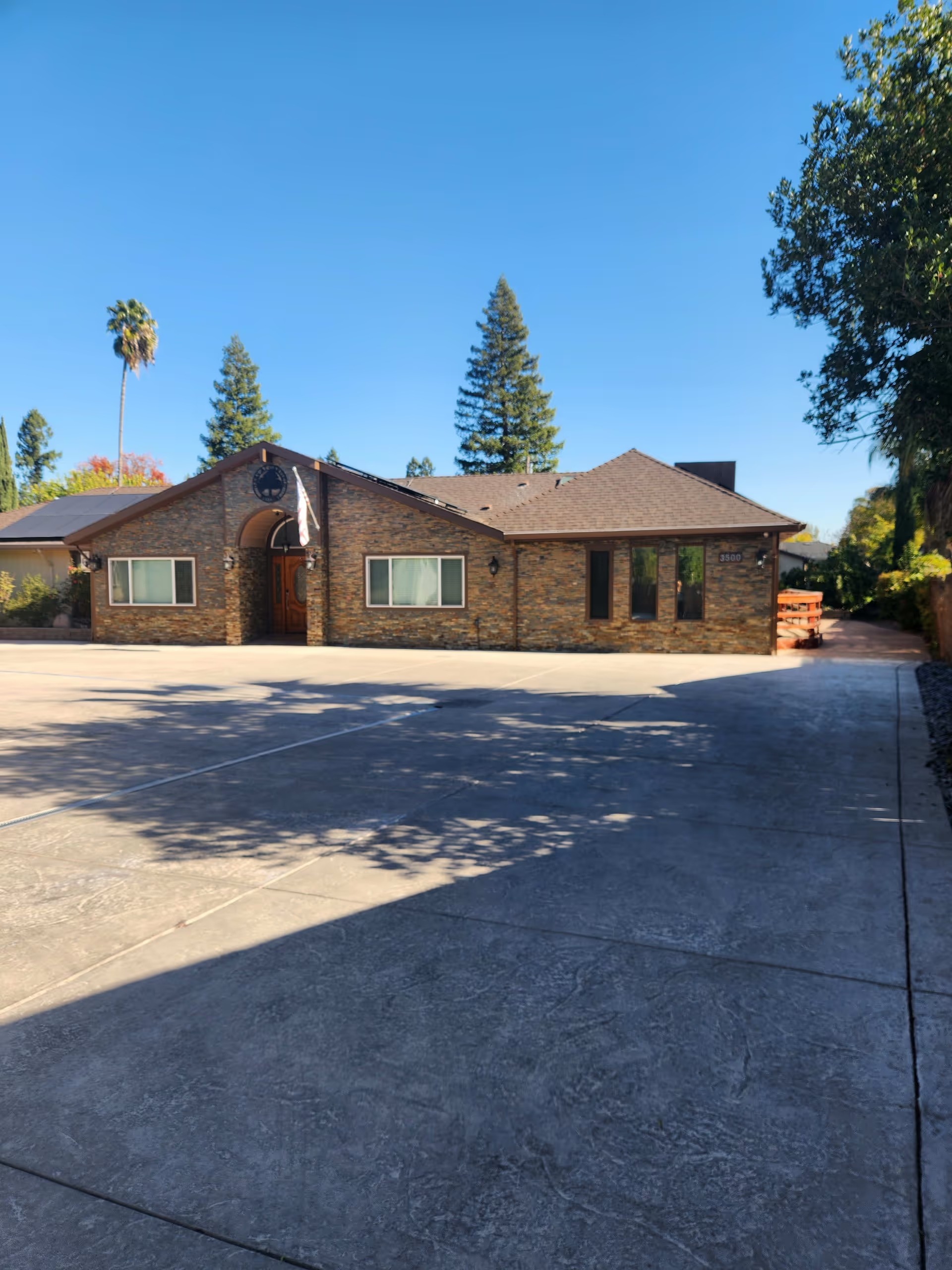
Facility amenities and daily life are similarly mixed. The building and common areas are often described as clean and well-maintained, with some dated rooms. Dining and kitchen staff receive praise by name, though meal quality is characterized as variable by others. Parking constraints and phone-system accessibility issues were noted as practical inconveniences for families. Reviewers also mentioned visitor/phone restrictions at times, which affected family access and satisfaction.
Safety, sanitation, and atmosphere concerns were raised in a subset of reviews: odor and sanitation issues in common areas, residents observed in hallways, loud disturbances, and perceived infection-control risks. These items, combined with documentation and medication-control weaknesses, point to operational areas that warrant direct inquiry by prospective residents or families.
Recommendation guidance: the facility shows clear strengths in hands-on caregiving and rehabilitative therapies but exhibits recurrent administrative and process-control weaknesses. Prospective families should probe current staffing levels, medication-safety protocols, property-tracking procedures, physician coverage, and visitation/phone policies during a visit. Asking for recent quality metrics, incident logs, and examples of how administrative complaints are resolved will help determine whether the facility’s strong frontline culture is matched by reliable management and safety practices.