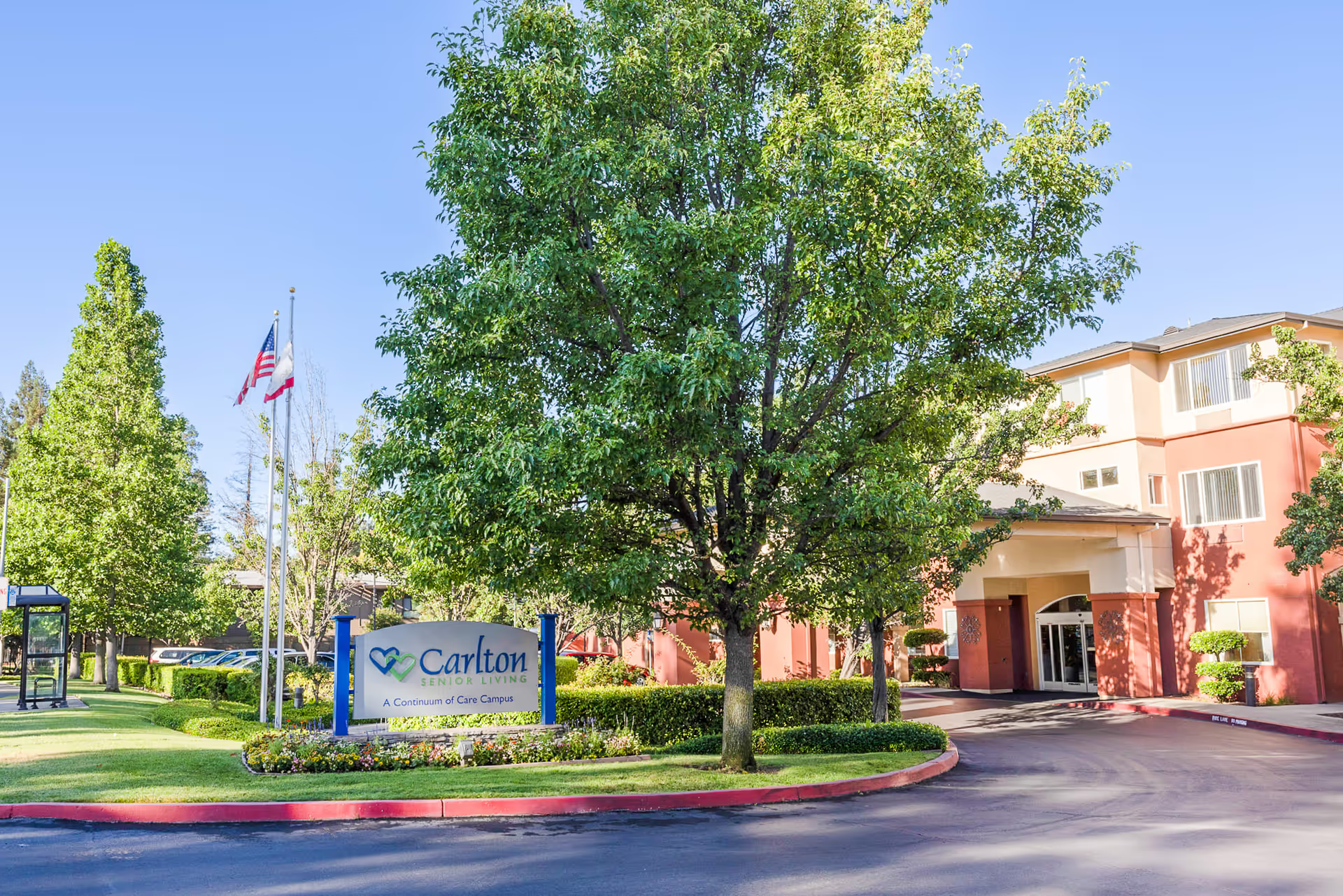
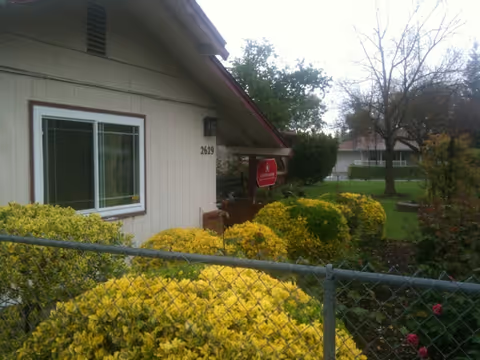
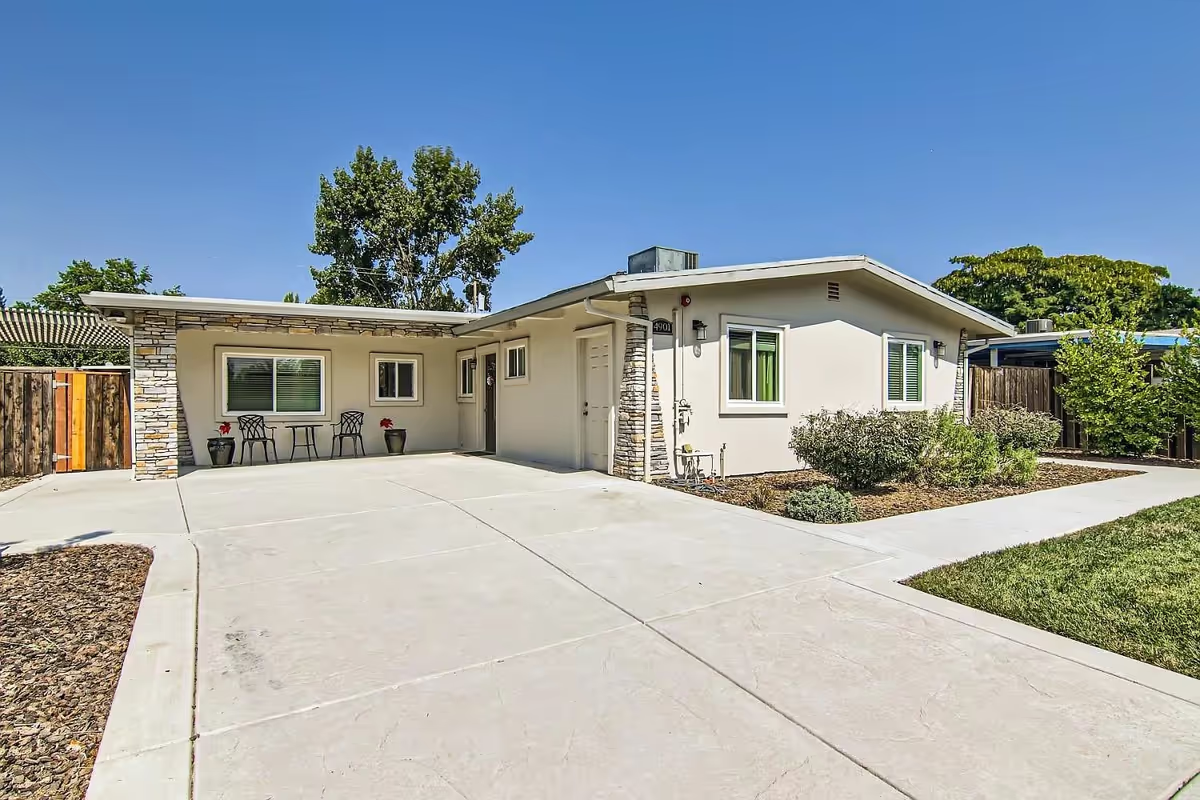
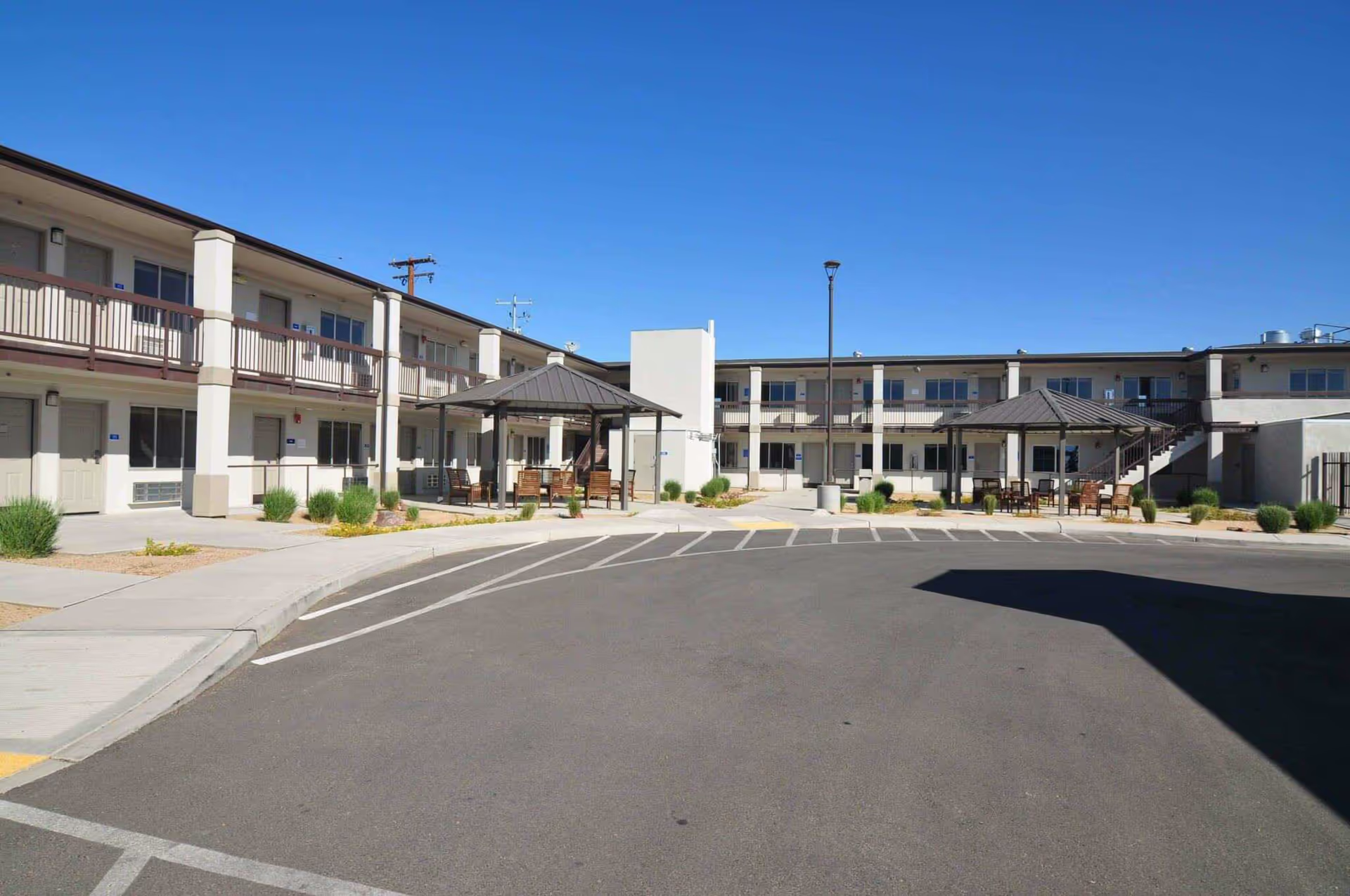
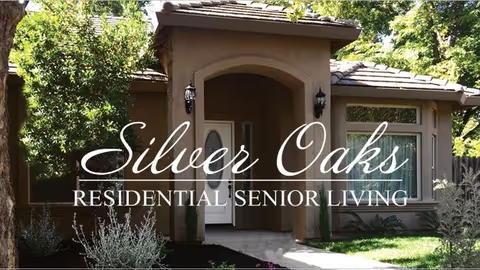
Overall impression is mixed: family members and visitors frequently praise the caregiving team and organizational culture, while others raise operational concerns about the physical environment and programming. Strengths are concentrated in the quality of interpersonal care and clinical attentiveness; weaknesses cluster around facility condition, space, and activity/value offerings.
Care and staff: Feedback strongly emphasizes a compassionate caregiving presence. Accounts highlight attentive, informative staff and skilled teams who follow care plans, provide dementia-specific attention, and offer supportive end-of-life and transition care. Administrators and frontline caregivers receive high marks for communication, dignity-preserving conduct, and proactive incident reporting. That said, there are also indications of inconsistent staff reliability and scheduling, suggesting variability in coverage or responsiveness at times.
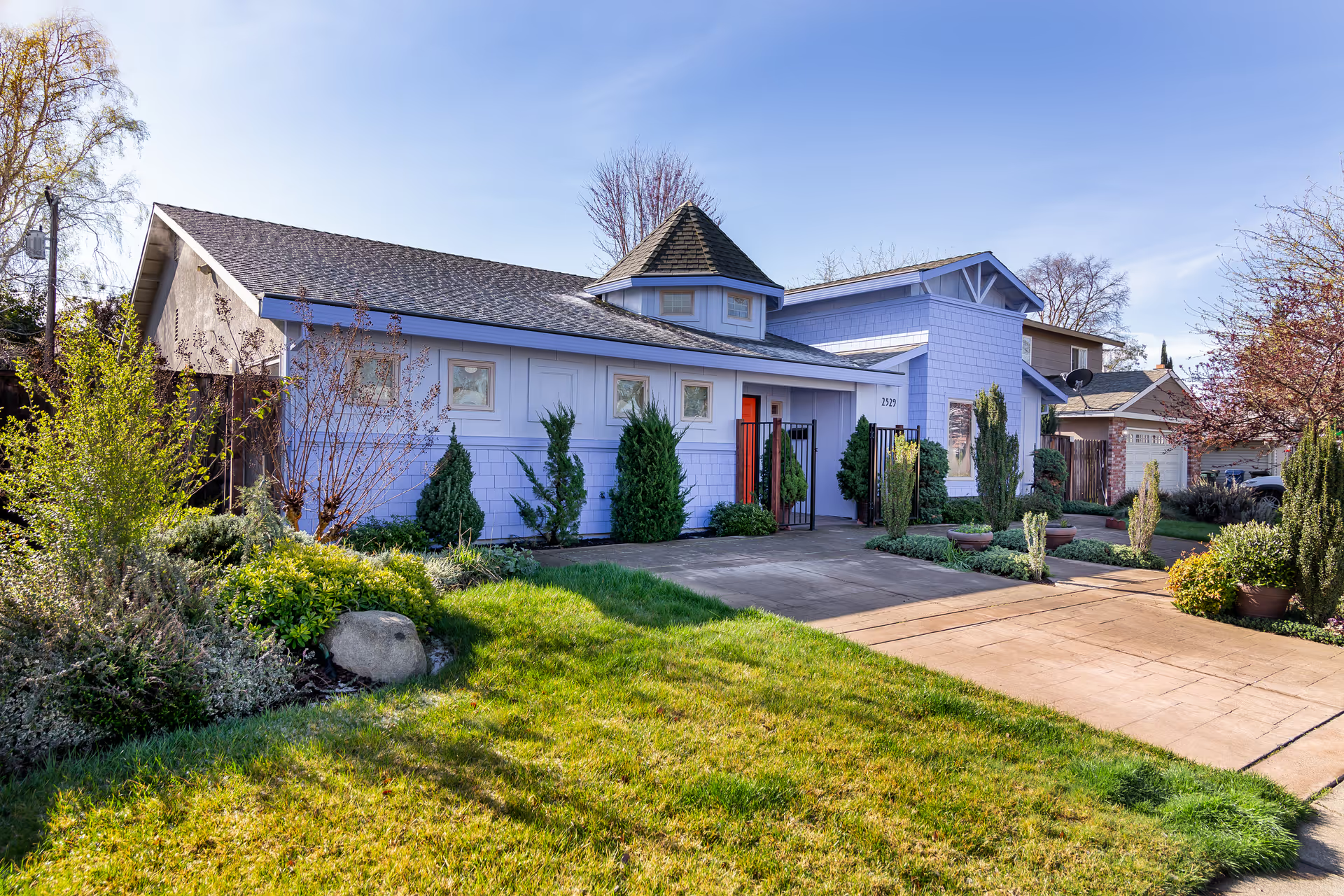
Facilities, cleanliness, and living arrangements: Commentary about the physical environment is divergent. Some descriptions portray well-maintained communities, while others point to sanitation concerns and an aging, rundown condition that requires upkeep. Several remarks call out cramped living quarters and shared bathrooms as a drawback to resident comfort and privacy. Taken together, these observations suggest variability in maintenance and unit configurations that prospective residents should evaluate in person.
Activities, dining, and value: Activity programming is described as limited and sometimes crowded, which can reduce engagement opportunities for residents. Dining and meal-service specifics were not a primary focus in the comments provided, but an overall sense of poor value relative to cost was mentioned. Families considering placement may want to ask for current activity calendars, staff-to-activity ratios, and sample meal plans when touring.
Management and notable patterns: The operator's family-owned, second-generation identity and stated adherence to established plans and practices appear to contribute to a legacy of strong interpersonal care. Administrative staff are often characterized as helpful and informative. However, the pattern across comments is one of contrast: consistent praise for the people who deliver care versus recurring operational issues related to facility condition, space constraints, programming capacity, and occasional staffing reliability. Prospective residents and families would be best served by an on-site visit that inspects room size and bathroom arrangements, reviews maintenance schedules and sanitation protocols, and clarifies staffing patterns and activity offerings.