North Pointe Care Center elicits a mixture of strong praise and serious operational concerns. Many families highlight the quality of direct caregiving: CNAs and nursing staff are frequently described as compassionate, patient, and knowledgeable about dementia care. The facility provides skilled nursing and rehabilitation services, and reviewers commonly praise staff who assist with feeding, comfort, and daily care. Several accounts emphasize meaningful programming for residents — regular musical performances, weekly shows, and daily group classes — that contribute positively to resident engagement. Management outreach and family-engagement efforts are also noted as strengths by multiple families.
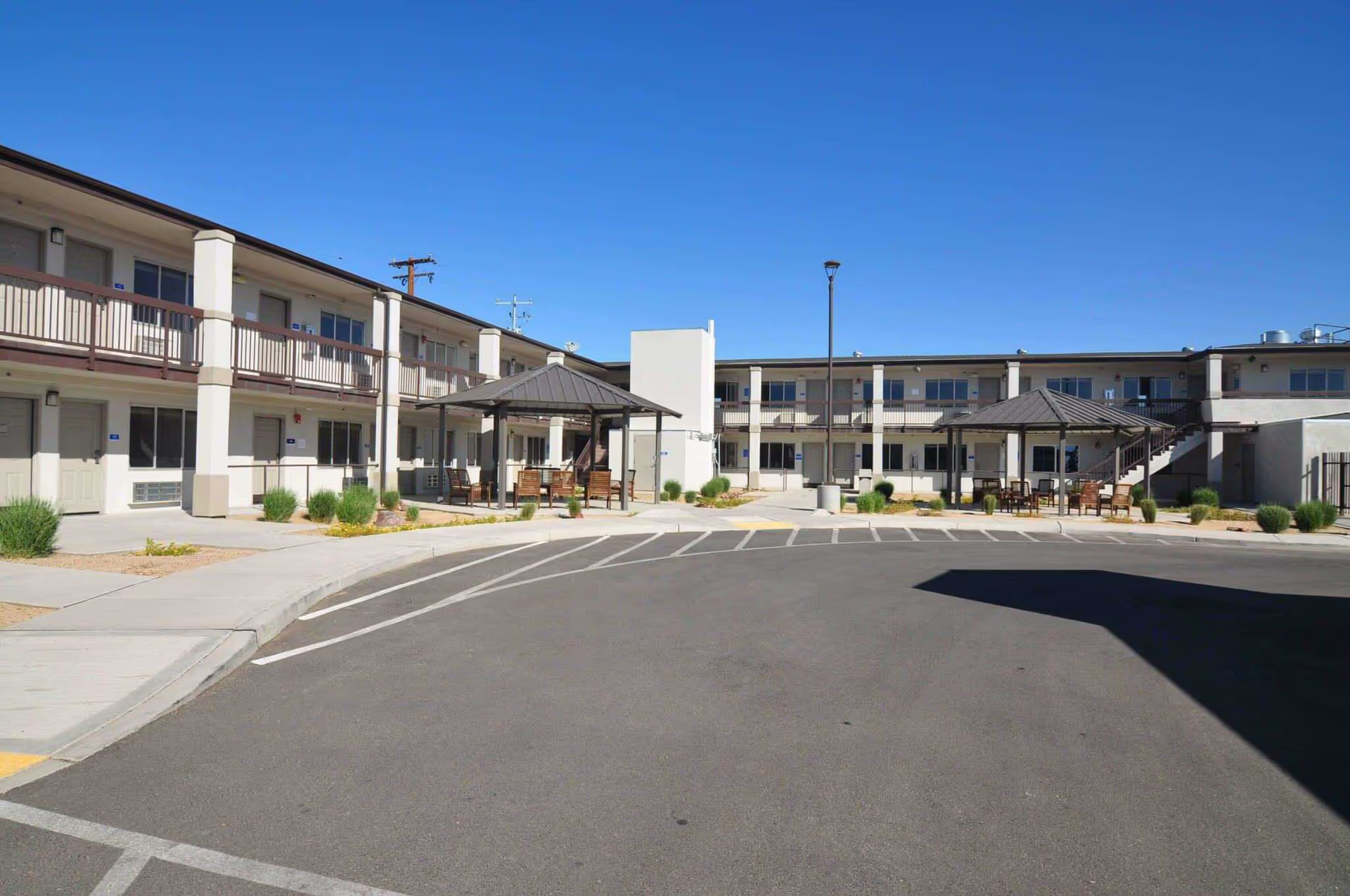
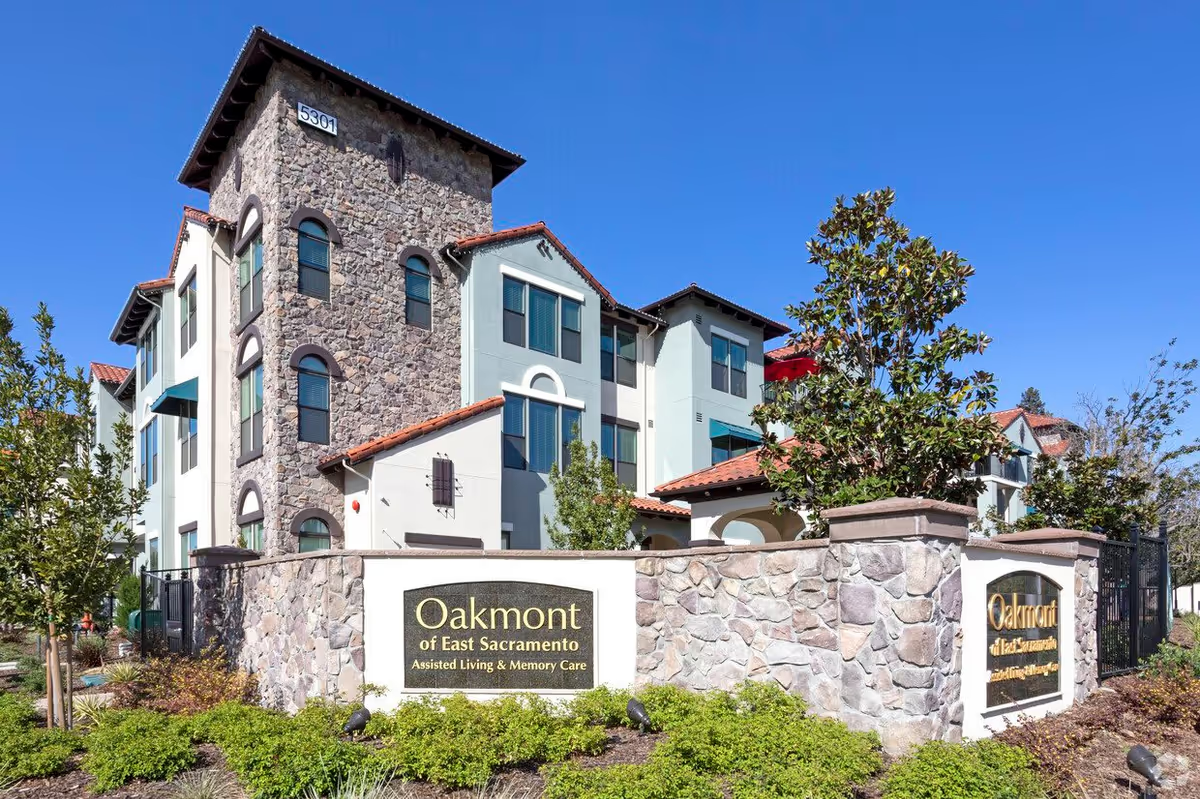
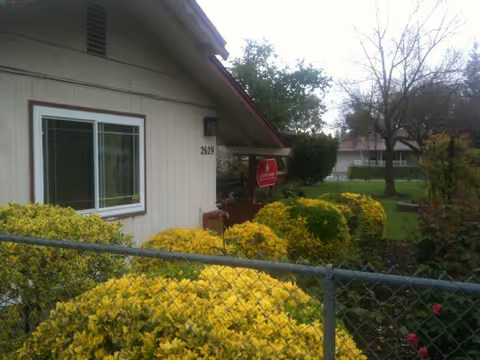
Nonetheless, the facility's operational characteristics create variability in residents' experiences. The building itself is often described as older and institutional in appearance, with limited natural light and small shared rooms; many families expect renovations or brighter décor. Housekeeping and maintenance practices appear uneven: some areas and rooms are described as well-kept, while others raise sanitation and odor-control concerns. Infection-control consistency is a recurring operational issue to review when touring the site.
Clinical responsiveness and communication emerge as the most consequential patterns. While some families report proactive updates and timely attention after falls or medical changes, others describe delays in emergency response, gaps in medication or antibiotic administration, and inconsistent notification of family members — including delays before initial contact or restricted information access for authorized decision-makers. These items point to variability in staffing levels and in procedural adherence rather than a uniform standard of care.
Programs and daily life show a similar mixed picture. Dining is generally viewed positively: meals are described as nutritious, attractive, and appetizing, though there are occasional interruptions to meal service or availability. Activity programming receives praise for musical and group offerings, yet activity rooms are described as underutilized in some units and some residents are observed to have limited stimulation. Families should evaluate programming schedules and the vibrancy of activities on the unit they are considering.
Administrative processes also warrant attention. Management is credited in several accounts for engaging families, but other accounts describe administrative errors, delayed communication after significant events, inconsistent handling of personal property, and problems connected to post-discharge or end-of-life logistics. Prospective residents and families should ask specific questions about property controls, incident-notification procedures, staffing ratios, emergency protocols, and infection-control practices during a visit.
In summary, North Pointe presents clear strengths in direct caregiving, dementia-specific experience, rehabilitation services, and organized activity offerings. At the same time, variability in facility condition, housekeeping, staffing consistency, clinical-incident responsiveness, and administrative processes creates uneven experiences. A detailed, unit-level tour and focused questions about staffing, communication, emergency response, property policies, and infection control are recommended to determine whether the facility matches a particular resident's needs and expectations.