Park Place Apartments elicits a mixture of positive and serious concerns. Several comments describe an active resident community, available studio units, and interactions with staff and management that some residents find welcoming; a subset of residents also praise the dining program and the cleanliness of certain areas. At the same time, a broad pattern of operational issues emerges that prospective residents and families should weigh carefully.
Care quality and staff: Reviews indicate uneven performance in caregiving and front‑line services. Positive interactions with particular staff members coexist with frequent concerns about staff conduct, low morale, and communication tone. Multiple accounts describe delays or inconsistencies in responding to medical or urgent needs and suggest variability in clinical oversight. These patterns have contributed to anxiety among residents and a perception that staffing stability and training may be insufficient for the building’s acuity level.
Dining and activities: Dining is a focal tension point. While some residents describe satisfactory meals, there are persistent complaints about a mandatory, relatively expensive meal program that offers limited dietary customization, small portions, and inconsistent service practices. Food‑safety and sanitation practices are questioned in multiple accounts, and several contributors reported illnesses they associated with meals. The facility’s meal ordering window and chef responsiveness were also criticized, creating frustration for residents who require dietary accommodations.
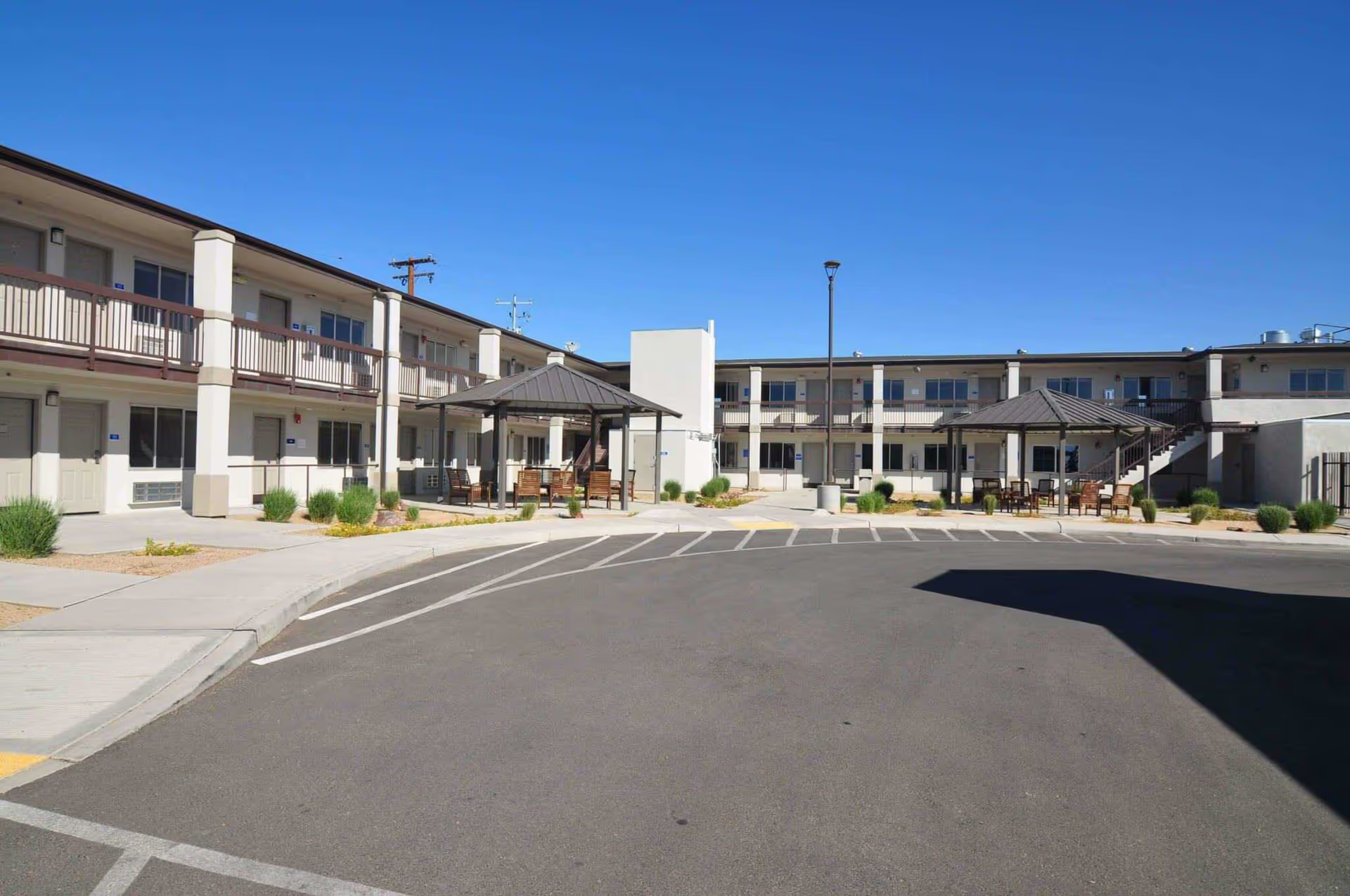
Facilities and environment: Reviewers raise substantial concerns about the physical plant. Recurring reports reference mold, water intrusion, flooding, and plumbing problems, alongside pest‑control and laundry‑room deficiencies. Aging infrastructure extends to nonfunctional or unreliable elevators, outdated electrical wiring, intermittent heating/hot‑water outages, and HVAC issues that have affected indoor air quality. Accessibility gaps (including laundry equipment that is not front‑loading or ADA‑compliant) and perceived deferred maintenance suggest the facility may require capital investment to meet resident needs and regulatory standards.
Management, safety, and policies: Multiple comments describe strained relationships between management and residents, with allegations of poor transparency, intimidation, retaliation, and a decision‑making emphasis on cost containment. Security and access‑control vulnerabilities are also noted, along with allegations of theft and incidents involving other residents; these raise safety considerations that warrant further inquiry. The combination of mandatory meal fees, limited transparency, and perceived punitive communications has contributed to a sense of mistrust among some residents and families.
Notable patterns and guidance: The reviews present a polarized picture—some residents are satisfied and note improvements under new management, while others describe systemic issues around sanitation, building systems, dining, and resident‑management relations. For prospective residents or family members, recommended next steps include: (1) an independent inspection of unit and building environmental conditions (mold, HVAC, elevators); (2) a detailed review of meal‑program costs, dietary accommodations, and food‑safety protocols; (3) direct conversations with multiple current residents about staff responsiveness and community climate; and (4) confirmation of emergency‑response procedures, security measures, and maintenance schedules. Given the range of concerns, families should seek documentation of corrective actions and recent regulatory or health‑inspection results before making a placement decision.