Overall impression: Reviews present a facility that provides hands-on, value-focused long-term care with many families expressing high satisfaction. Consistent themes include approachable staff, round-the-clock clinical support, and a visible management presence that families find reassuring. The home-like environment, active social life among residents, and affordability are recurring strengths that make the facility attractive for families seeking practical, community-oriented care.
Care quality and clinical services: Many families described reliable, professional care including 24/7 nursing and med-tech involvement, fall response and aftercare, bladder-care support, and medication delivery through a partnering pharmacy. The facility is noted for its dementia- and Alzheimer’s-focused care, with staff frequently described as knowledgeable, compassionate, and kind. While most accounts emphasize good clinical outcomes and attentive caregivers, a small number of families expressed concerns about inconsistent responsiveness from specific staff members; this suggests variability in individual caregiver interactions rather than a uniform operational failure.
Staff and management: Staff are repeatedly characterized as friendly, helpful, and dedicated. Multiple comments highlight administrators and managers who take an active role in day-to-day operations, including direct involvement in meals and family communication; this leadership presence is cited as a positive factor by many families. At the same time, there are isolated reports of unsatisfactory staff conduct or delayed responses that have caused distress to some family members, indicating an area for supervisory focus and consistency in staff training and communication protocols.
Dining and daily routines: The facility provides three meals daily and on-site meal preparation, and several families praised the food and smells of lunch. However, there are recurring remarks about inconsistent meal portions and declining quantity or variety over time, as well as limited snack availability. Bathing and personal-care schedules (for example, baths twice weekly) are practiced, but some families view these schedules as potentially insufficient for individual needs. These patterns point to opportunities to review portioning/meal planning and personalized personal-care scheduling.
Activities, social life, and community: Residents tend to form friendships and report an active social environment. Regular offerings such as music, bingo, and church services contribute to a sense of community and belonging. At the same time, several families expressed a desire for a broader range of activities and more frequent engagement options, suggesting program expansion could improve resident satisfaction further.
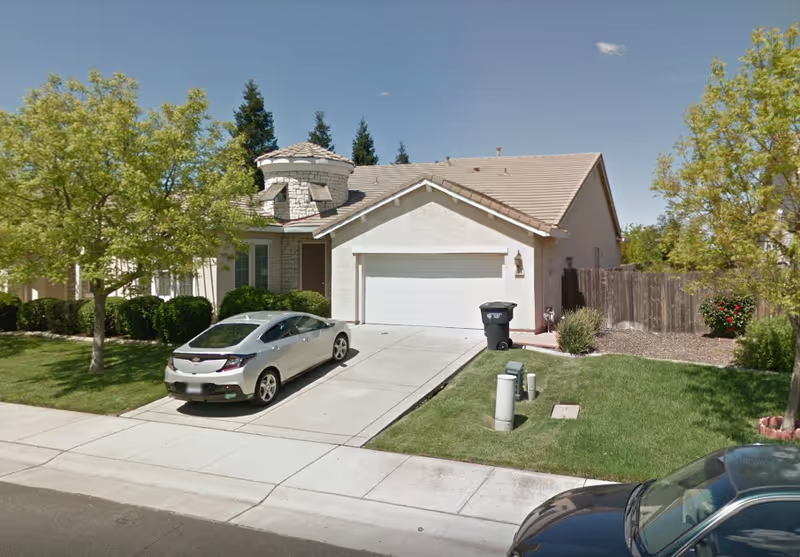
Facilities and upkeep: Housekeeping and laundry services receive positive mentions, and many families describe the facility as clean. Simultaneously, the building is described as older and in need of updating; a few families raised sanitation or odor concerns in certain areas. The combined message is that operational cleanliness is generally adequate but that physical plant upgrades and targeted pest-control or odor-mitigation measures would address lingering environmental concerns.
Notable patterns and recommendations: Strengths center on caring staff, dementia expertise, affordability, and an engaged administration that families trust. Areas for improvement include facility renovations, consistency in meal service and portioning, expanded activity programming, clearer and more consistent family communication, and attention to localized sanitation or odor issues. Prospective families should weigh the facility’s strong clinical and social strengths against its basic, value-oriented accommodations and the possibility of occasional variability in responsiveness.