These reviews present a highly mixed picture of Windsor Care Center of Sacramento. A consistent strength is the facility’s focus on Alzheimer’s and dementia care: several families describe a secured unit, dementia-trained staff, and programming aimed at cognitive needs. Many reviewers praised individual caregivers, therapists, and activity staff for compassion, teamwork, and therapy outcomes that contributed to weight gain or functional improvement. Dining and social programming are frequently cited as positive features — nutritious meals with fresh fruit, regular snacks, entertainers, games, movies, outdoor time, and aide-led exercises are noted as supporting residents’ quality of life.
Despite those positives, there is a clear pattern of variability in operational performance. Care quality appears inconsistent: some shifts and teams are described as attentive and effective, while others are characterized by delays in basic care, missed hygiene routines, and long waits for medication or assistance. Understaffing and a high workload for CNAs were cited repeatedly and are likely contributors to responsiveness problems. Related clinical concerns include gaps in medication administration, delays or complications in hospital transfers, and weak incident-response documentation.
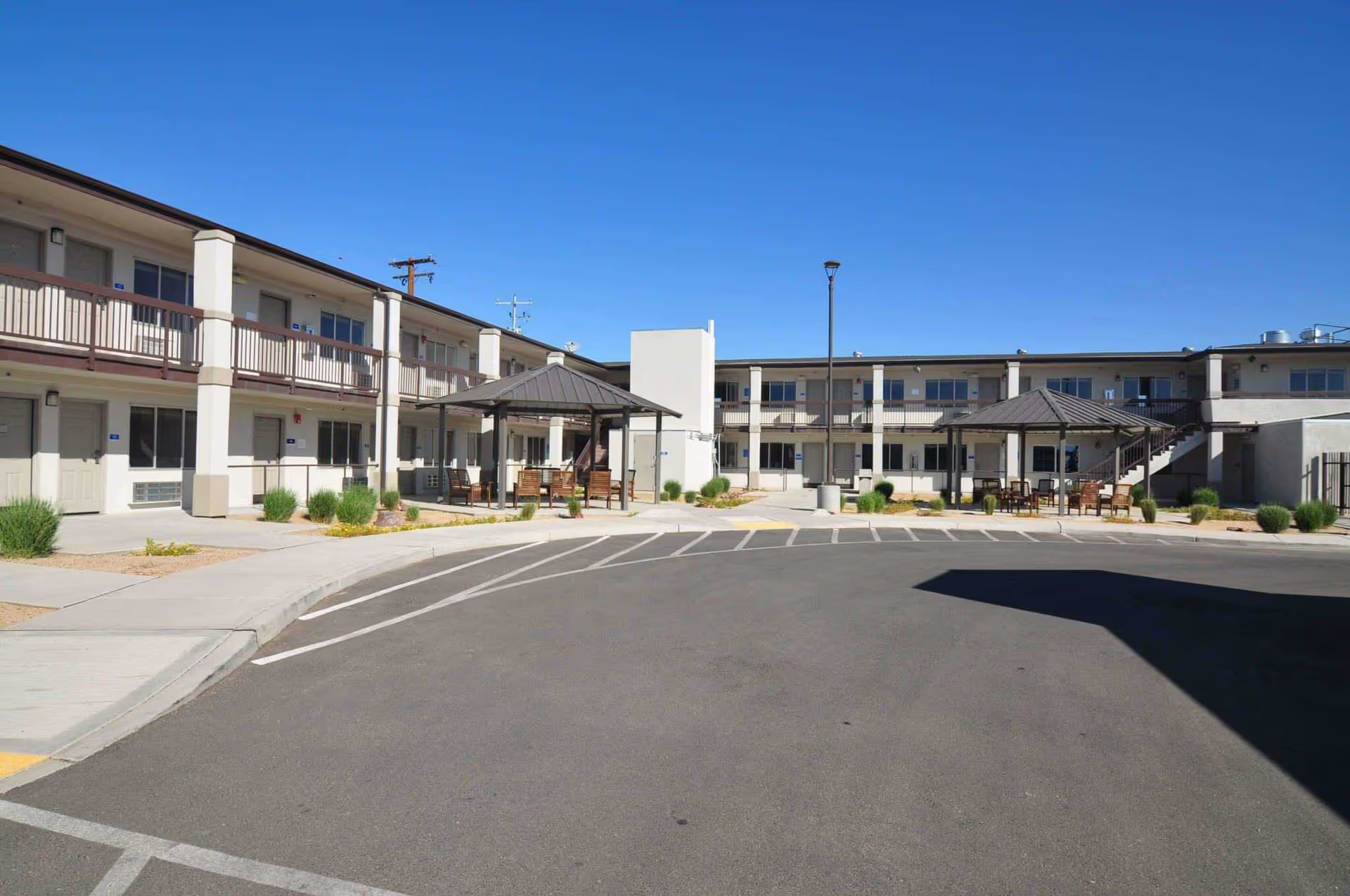
Facility condition and residential environment are another area of divergence. Multiple reviewers described an older, crowded physical plant with small rooms, limited private space, and hospital-style finishes. While some families find the atmosphere home-like, others raise sanitation and housekeeping concerns, inconsistent laundry and personal-property handling, and equipment or environmental maintenance issues that create safety risks. Language barriers among staff and variable staff training were also identified as operational weaknesses that can affect communication and resident handling.
Management and administrative practices receive mixed feedback. Positive notes include proactive care conferences and helpful social-work or therapy staff in specific cases. However, many families reported poor follow-through from administration, difficulty getting answers by phone, inconsistent discharge documentation, and frequent leadership changes. There are also allegations of serious misconduct and regulatory complaints in a subset of accounts, which families should consider when evaluating risk and oversight.
Notable patterns: the facility appears capable of providing high-quality, dementia-focused care when appropriately staffed and when particular caregivers are present, but performance is uneven and appears sensitive to staffing and management conditions. Prospective residents and families should arrange an in-person tour that includes observation of staff–resident interactions across multiple units and times of day; ask specific questions about staffing ratios, incident-response protocols, laundry/property procedures, transfer and medication practices, language resources, and recent regulatory or quality-survey results. Doing so will help identify whether the facility’s strengths align with an individual resident’s clinical and safety needs.