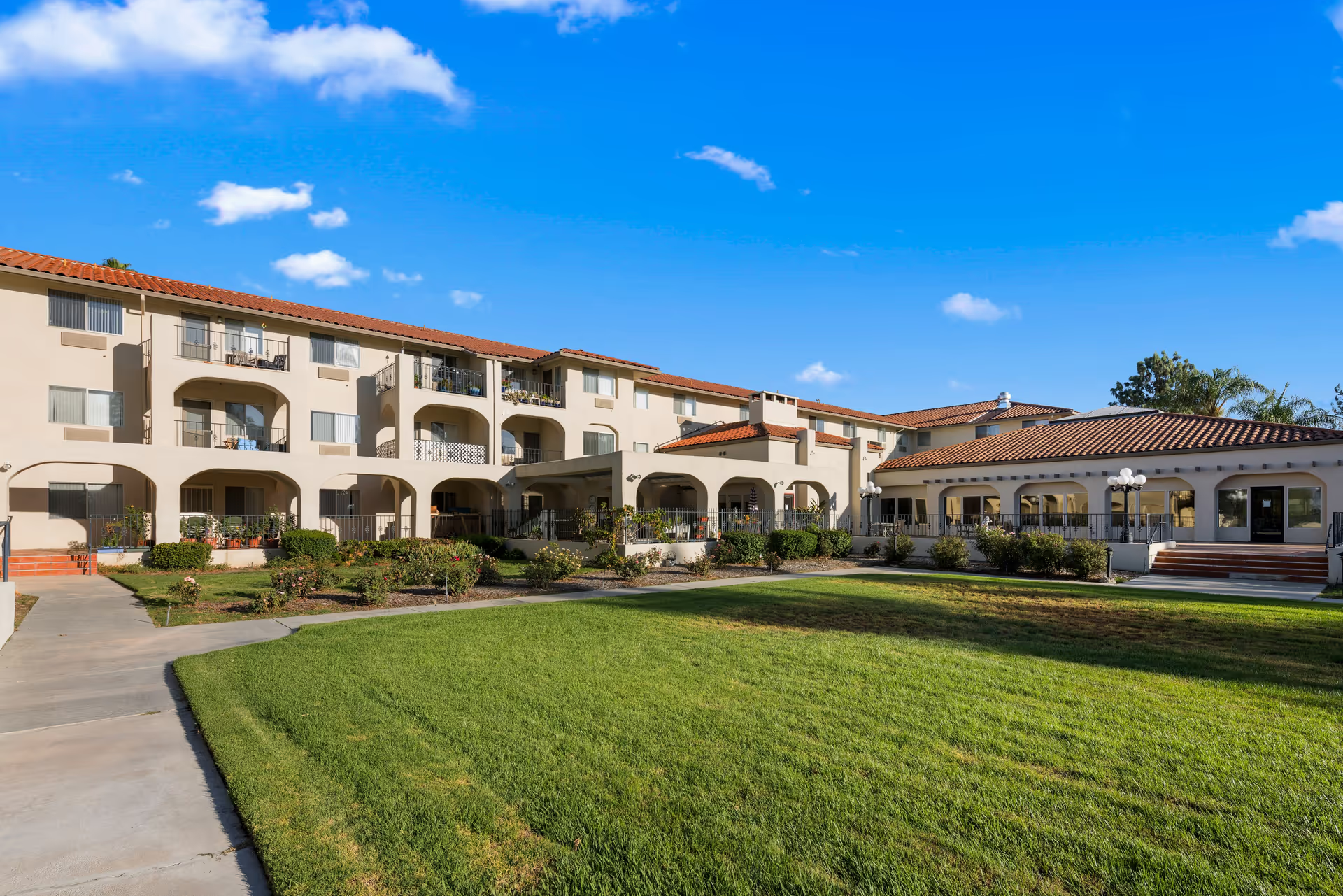
Del Rosa Villa elicits strongly polarized impressions. A substantial portion of reviewers describe attentive, compassionate caregivers—particularly CNAs and physical-therapy staff—alongside a well-run activities program, supportive admissions/discharge coordination, and improved physical spaces (remodeled therapy areas and pleasant grounds). Many families praised housekeeping, maintenance, and dietary staff for clean rooms, reasonable meal accommodation, and generally helpful front-desk interactions. These positive accounts emphasize rehabilitation progress, timely response from particular staff members, and an overall welcoming environment in parts of the facility.
Counterbalancing those positives, a frequent and consistent pattern across reviews relates to operational reliability. Reviewers describe inconsistent call-light response times and delays in bedside attention; several accounts indicate that these delays affect timely pain management, wound care, and assistance with basic needs. Relatedly, communication with families is uneven—some relatives report clear, helpful updates while others describe long hold times, delayed callbacks, and a lack of proactive notification when a resident’s condition changes.
Clinical-safety themes also appear repeatedly. There are descriptions pointing to gaps in medication-administration controls and inconsistencies in wound and clinical escalation practices. In several accounts these issues coincided with transfers to higher levels of care; a few reviews raised serious individual claims involving hospitalizations and concerns following a resident’s death. While such cases appear as individual incidents in the narrative set, they highlight the facility-level need for stronger clinical-incident response protocols and more reliable family notification procedures.
Environmental and operational concerns are mixed. Many reviewers note clean, odor-free rooms and improved facility condition under newer management; others cite sanitation issues in some areas, incontinence-care lapses, and pest-control concerns near food or communal zones. Meal service quality is similarly variable: some praise kitchen staff and dietary responsiveness, while others report missed meals, trays placed out of reach, or cold food deliveries—indicating uneven meal-service continuity.
Staffing and management emerge as key drivers of variability. Positive experiences often reference particular staff members by name and describe quick problem resolution; negative accounts attribute problems to staffing shortages, high turnover, or administrative bottlenecks (slow approvals, unreturned complaints, or an unresponsive administrator). Several reviews identify inconsistent enforcement of security and visitor-access controls and instances of missing personal belongings, suggesting opportunities for improved loss-prevention and site security protocols.
For prospective residents and families, the most notable pattern is variability: Del Rosa Villa demonstrates clear strengths in rehabilitation, activities, and hands-on caregiving when staffed and managed effectively, but operational inconsistencies—especially in responsiveness, clinical escalation, communication, and sanitation—warrant careful attention. Recommended steps when evaluating the facility include asking for current staffing ratios and turnover data, reviewing call-light response metrics or protocols, clarifying clinical escalation and family-notification procedures, confirming medication-security practices, and touring both resident rooms and communal dining/service areas to assess cleanliness and meal-service flow. These checks can help determine whether current practices align with a prospective resident’s care needs and expectations.