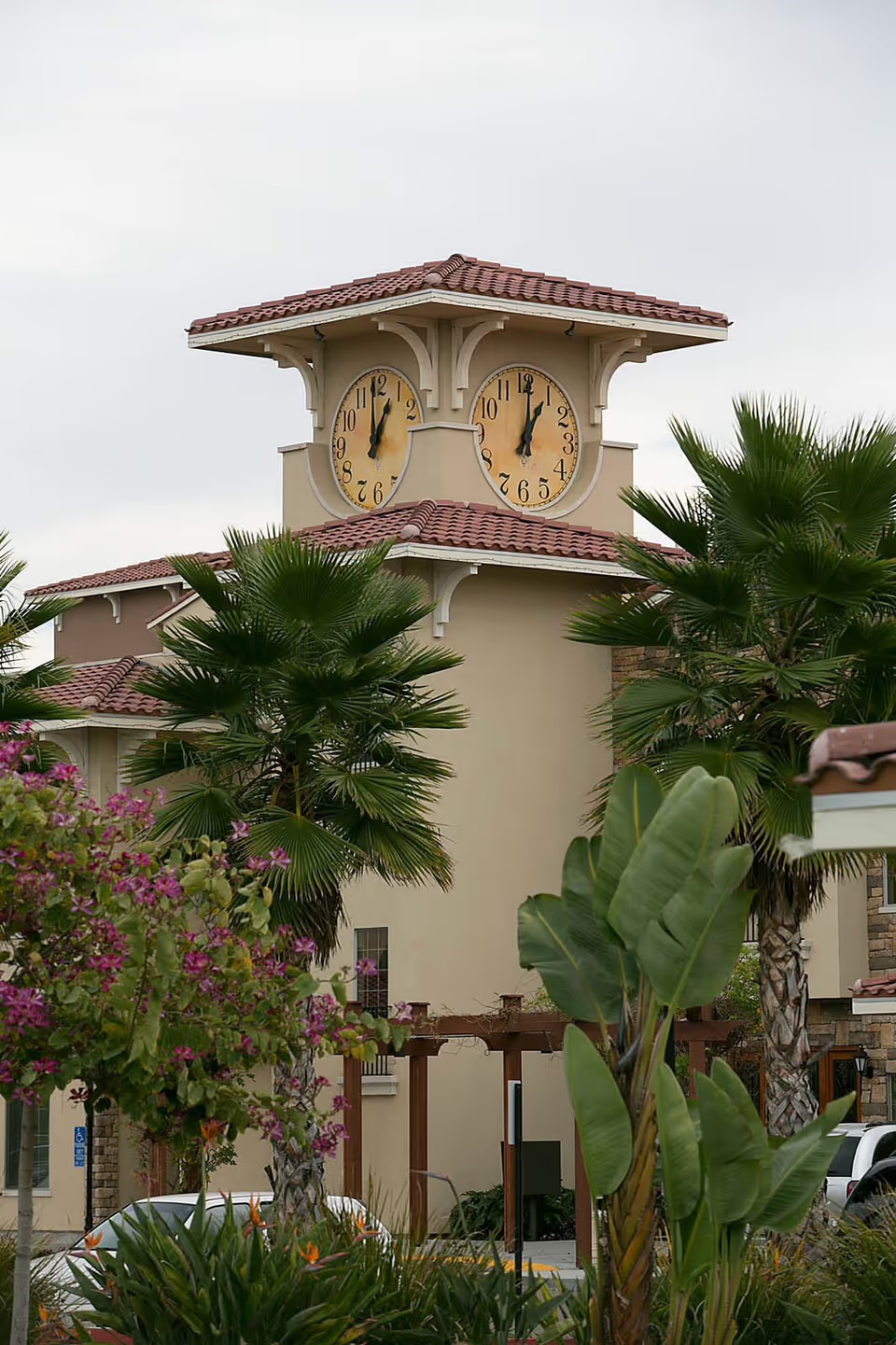
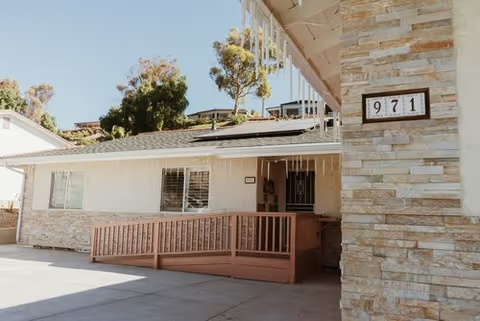
Reo Vista Healthcare Center elicits strongly mixed but coherent themes across the reviews. Many families and residents describe high-quality rehabilitation and a caring front line: the facility's physical and occupational therapy programs receive consistent praise for intensity and measurable mobility gains, and CNAs and many nurses are repeatedly characterized as compassionate, respectful, and attentive. Social services staff are frequently singled out as helpful with placement, discharge planning, and family communication; some administrators provide direct after‑hours contact and FaceTime access. Recreational programming is active and varied (bingo, music, celebrations, birthday events), and the site’s outdoor patio, garden views, and remodeled common areas are appreciated as pleasant, home‑like spaces.
At the same time, recurring operational weaknesses emerge. Staffing and workload distribution are inconsistent; reviewers describe delays in call‑light responses and assistance, especially on certain shifts, which appears to affect basic care tasks and timeliness of interventions. Accounts also point to variability in nursing supervision and staff training, with some families noting strong clinicians and others describing conduct or responsiveness concerns. Medication timing and administration have been called out in multiple comments as inconsistent, and a number of reviews cite problems with discharge paperwork, lost belongings, or delays coordinating room transfers.
Dining and housekeeping receive mixed assessments. Many families find meals tasty, appreciate table service and regular linen replacement, and value accommodations for dietary needs. Conversely, other accounts describe inconsistent meal quality and timing, and select rooms or bathrooms have been associated with cleanliness and odor concerns that required maintenance or room changes. Facility condition is overall described as improving — with remodeling and responsive maintenance noted — yet reviewers also report isolated issues such as nonfunctioning AC, door repairs, and concerns about bed alarms or other safety equipment.
Management and communication are another area of divergence. Several reviewers commend individual administrators and social workers for going above and beyond, providing proactive updates, and coordinating care outside the facility. Others cite gaps in phone-system responsiveness, curt administrative interactions, and uneven communication during clinical incidents or infection-control situations. High staff turnover and variable performance across shifts contribute to an overall pattern of unevenness in the resident experience.
In summary, prospective residents and families can expect a strong rehabilitation focus, many compassionate direct‑care staff, active programming, and improving facilities; these strengths have led to meaningful recovery for many. However, consider evaluating operational consistency during a tour: inquire specifically about staffing ratios by shift, call‑light response times, medication administration protocols, privacy/rooming options, discharge coordination processes, and recent measures taken to address cleanliness and maintenance issues. Asking for recent survey results or speaking directly with social services about anticipated timelines and communication pathways will help assess whether the facility’s operational reliability matches its clinical and therapy strengths.