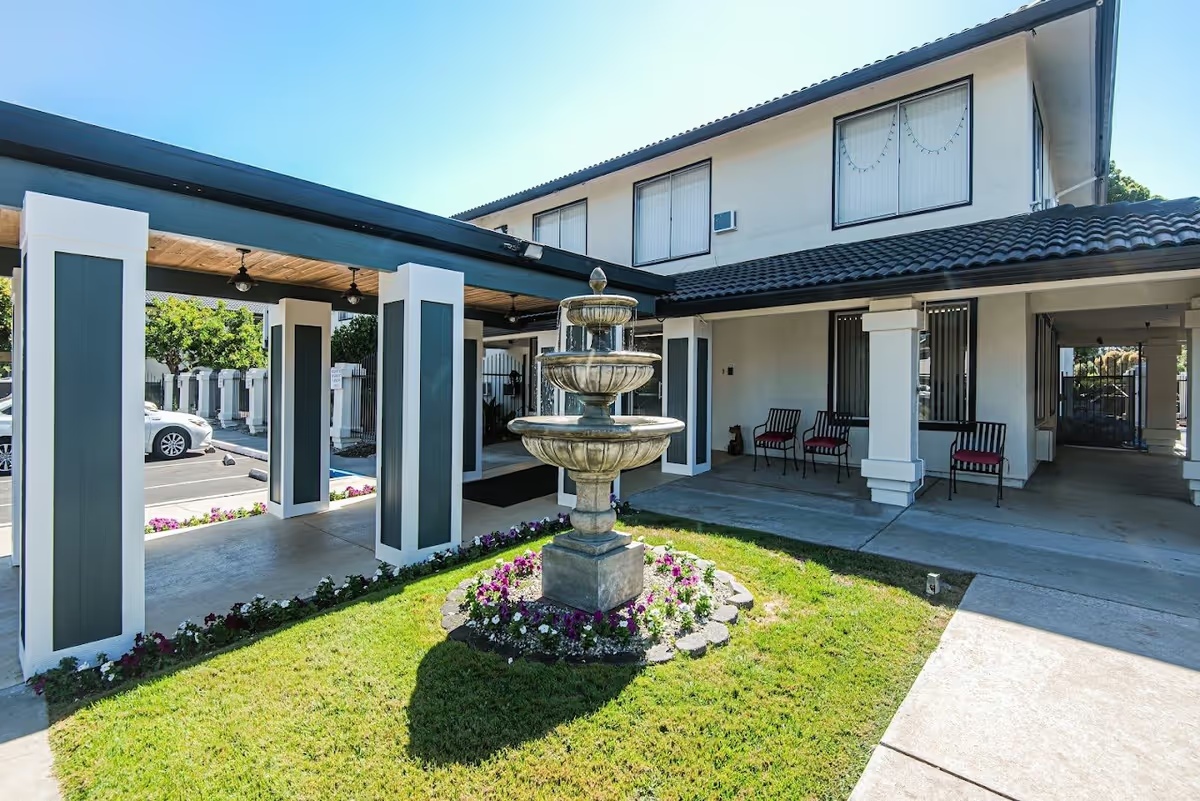
Courtyard Care Center is described primarily as a small, well-kept skilled-nursing community with a strong emphasis on rehabilitation and interpersonal care. Many accounts emphasize clean common areas and rooms, a home-like atmosphere, visible staff presence, and an organized therapy program (physical and occupational therapy) that supports measurable progress toward independence. Families and residents frequently compliment the bedside manner of nursing and therapy staff, citing kindness, respect, and teamwork as defining characteristics.
Clinical and day-to-day care are often characterized as attentive and coordinated. Reviewers highlight effective collaboration between nursing and rehabilitation teams, quick response times on the floor, and personalized therapy that helped residents regain function. Several comments single out particular leadership and staff members for their dedication; daily housekeeping and maintenance are also repeatedly noted as strengths. The combination of staff visibility, teamwork, and on-the-ground leadership contributes to a sense of trust and peace for many families.
Dining is generally viewed positively: hot, flavorful, and balanced meals are praised, and the kitchen is noted for accommodating digestive and dietary preferences. At the same time, there is a discernible desire for fewer processed-meat options and more whole-food choices. Prospective residents who prioritize minimally processed menus may want to review current meal plans during a visit.
Operational and administrative patterns present a mixed picture. While clinical leaders and frontline staff receive strong commendations, reviewers also describe important facility-level weaknesses. There are accounts of a medication-administration error that resulted in a fall and hospitalization, and at least one allegation of theft from a resident room—both indicating gaps in medication safety protocols and personal-property security controls. Families also described occasions of inconsistent responsiveness from administration and nursing leaders when incidents occurred. Separately, payroll and HR problems (delayed or incorrect paychecks, administrative runaround) were cited as an internal operational concern that could affect staff stability over time.
Facility and logistics concerns include limited parking and relatively small resident rooms; these constraints may matter to families who expect larger private accommodations or frequent visitor traffic. Overall, the dominant pattern is of strong, compassionate bedside care and effective rehabilitation delivered within a clean, well-maintained setting, tempered by intermittent but significant administrative and safety-related weaknesses.
For prospective residents and families: conduct an on-site visit, observe a therapy session and a mealtime, ask specifically about medication-safety protocols and incident-response procedures, and inquire how the facility secures resident belongings and addresses payroll/HR stability for staff. These focused questions will help clarify whether the facility’s operational safeguards align with the generally positive clinical and interpersonal experiences many families report.