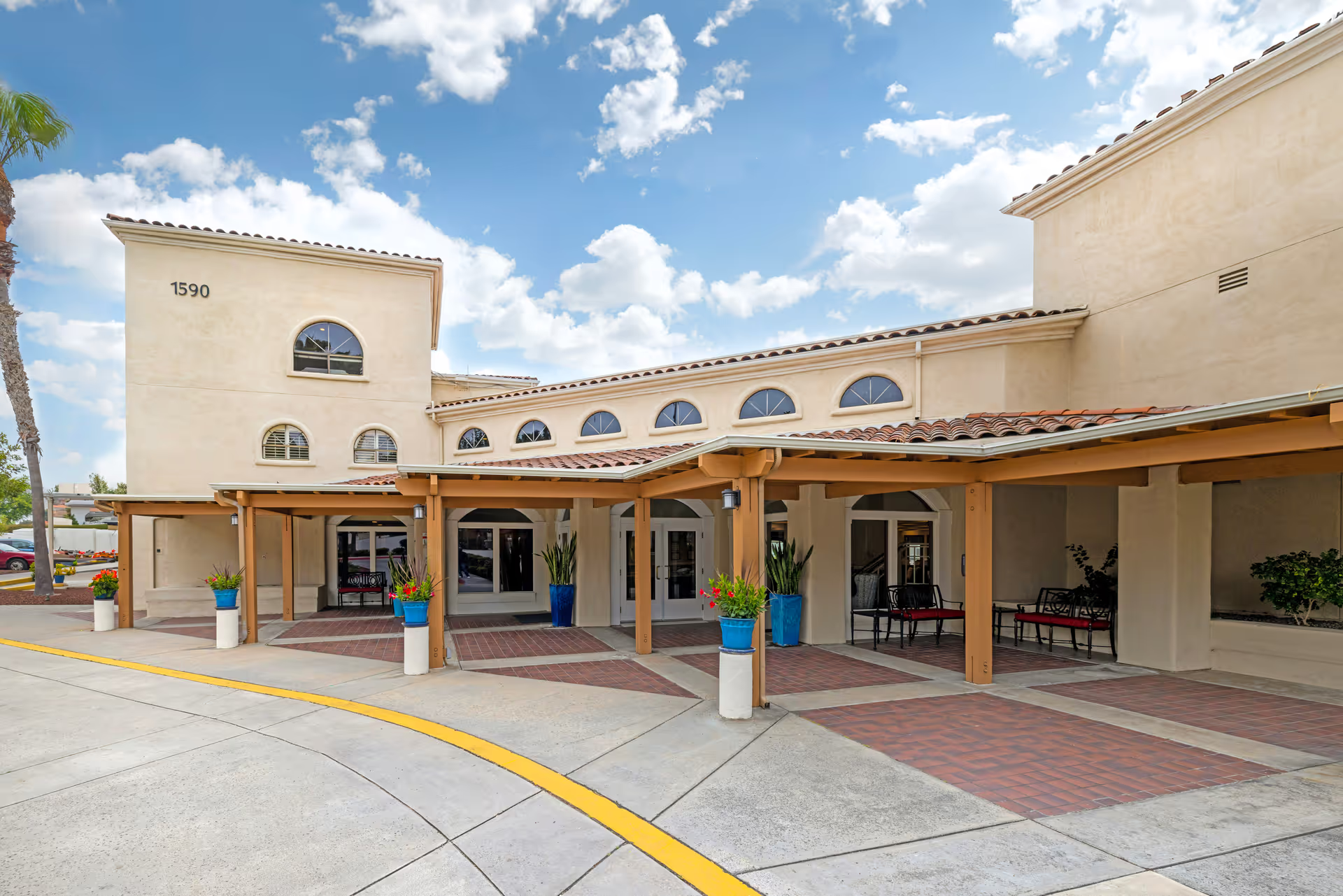
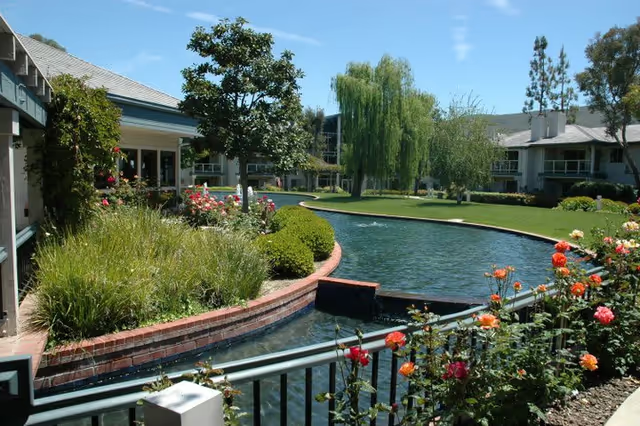
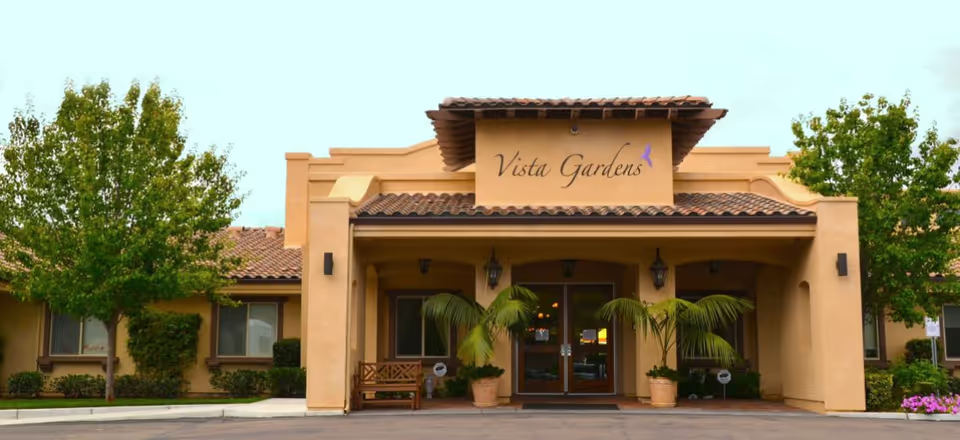
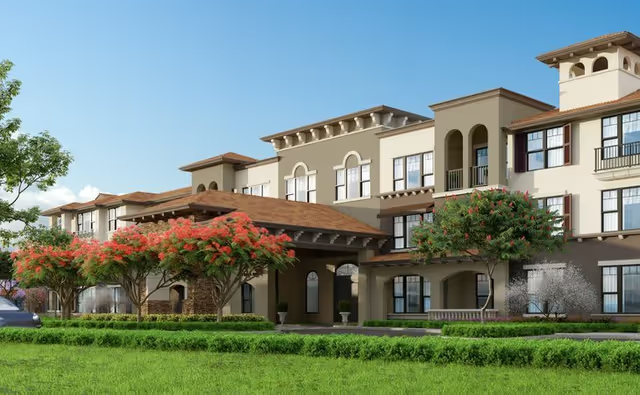
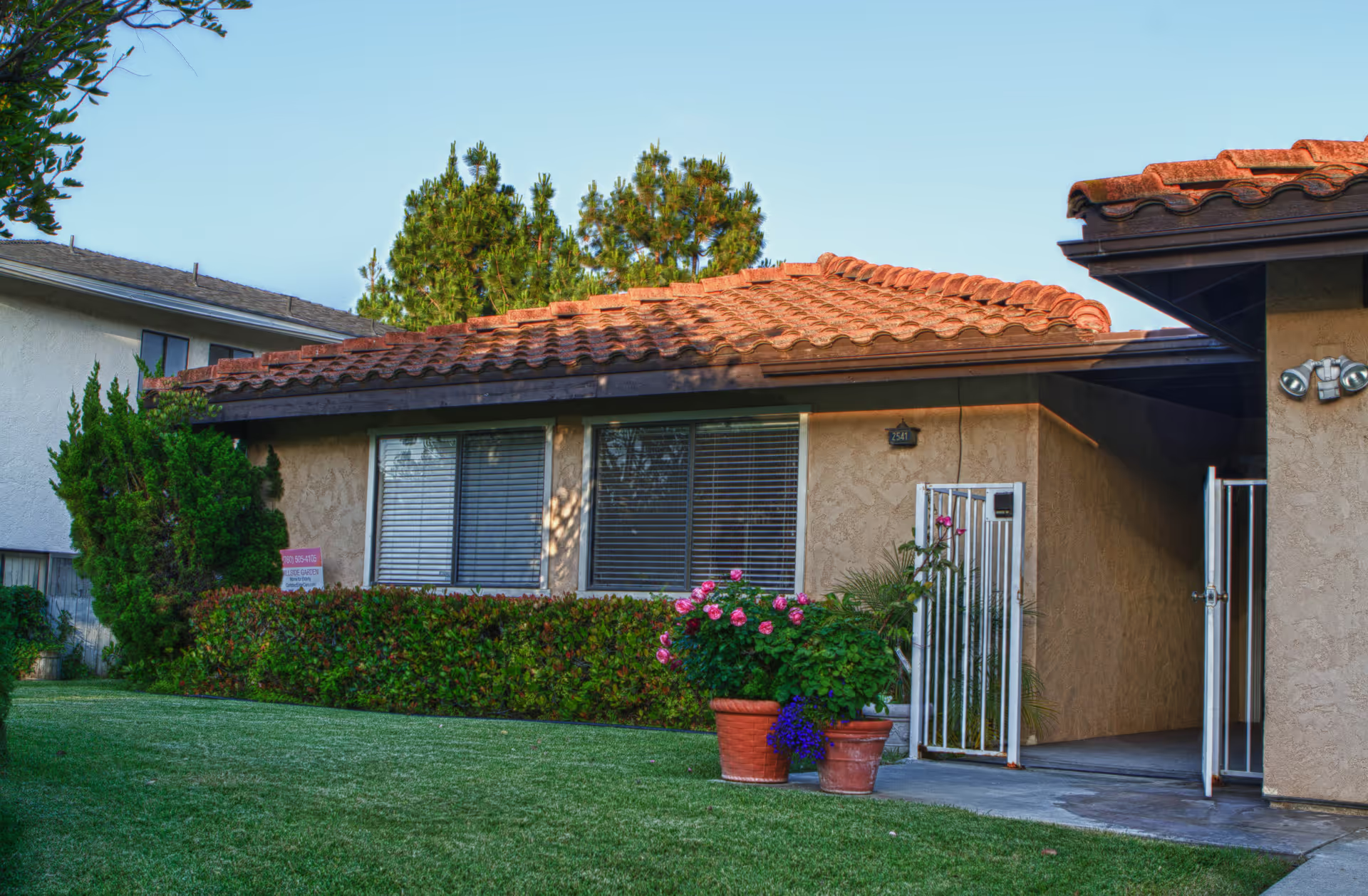
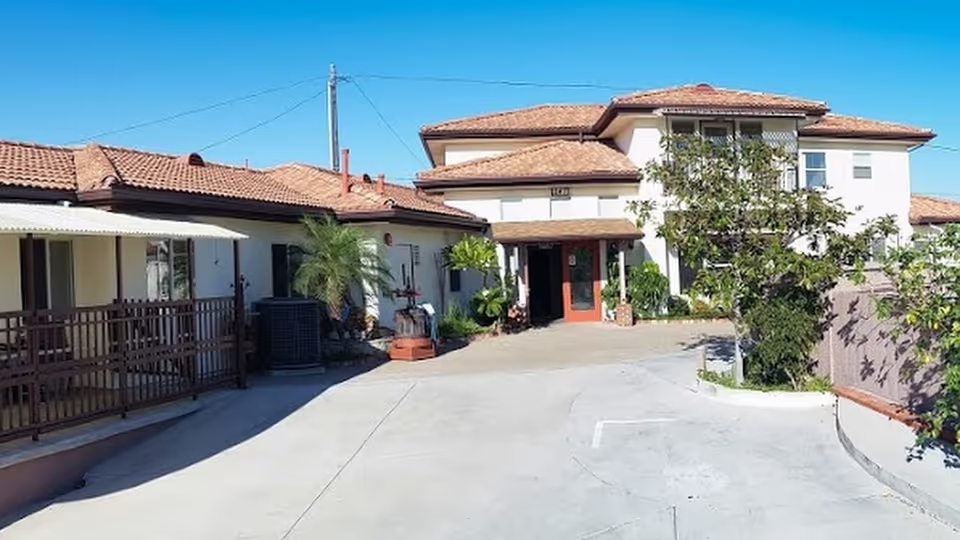
Silvergate San Marcos presents as a well-appointed, dementia-capable community with design features intended to support residents with cognitive impairment. The facility emphasizes a circular, small-neighborhood (pod) layout that groups residents into manageable households, often with four double rooms and a couple of private rooms per neighborhood, and maintains a separate building for memory care. Physical amenities commonly cited include safe, accessible first-floor walkways, outdoor walking trails, a gazebo, attractive gardens, comfortable common rooms and dining areas, and recent interior renovations that contribute to a hotel-like apartment experience for many residents.
Care quality is characterized by many families as compassionate and attentive. Reviewers frequently note long-tenured caregiving staff, a low caregiver-to-resident ratio in practice, proactive medication management, and an on-site medical/concierge presence that supports continuity of care. Staff are often described as personable, steady, and familiar with residents’ names and preferences. That said, reviewers also describe variability in staff coverage and responsiveness; periodic understaffing, weekend staffing gaps, and episodic delays in attending to residents were raised as operational concerns. These staffing inconsistencies can affect perceived safety and timeliness of care.
Dining and nutrition are a mixed but important theme. The community offers three meals daily, buffet-style and restaurant-like dining rooms that many residents and families praise for variety and presentation. A strong culinary program and special holiday buffets receive positive remarks. At the same time, there are recurring complaints about inconsistent meal-service continuity—particularly meals delivered to rooms arriving cold or with variable temperature control—and occasional differences in food quality between dining-room service and in-room service. Families should confirm meal-delivery protocols and any charges associated with in-room meals or medication/showering services.
Activities and social engagement are a consistent strength. The program includes music (live performances and guitar setups), art, exercise classes, chair exercises, outings and field trips, happy hours, and cultural entertainment. Reviewers note an active calendar with both group and quiet options, enabling residents with differing needs and energy levels to participate. Memory-care programming is described as tailored to ability level, with clustered layouts to reduce wandering and structured activities; however, higher-functioning memory-care residents may seek additional variation in activity types.
Facilities and operations demonstrate both positive investments and some operational weaknesses. The campus and apartments are frequently described as clean, well-maintained, and recently refreshed, with hotel-like common spaces and concierge-style services. Conversely, several reviews raise facility-level reliability issues—malfunctioning elevators, intermittent water outages, and HVAC failures—that point to occasional gaps in maintenance or capital upkeep. Parking availability and limited outdoor acreage near a nearby school were noted as practical constraints for some families.
Management and administration receive mixed but actionable feedback. Many reviewers praise hands-on ownership, an engaged executive director, responsive managers, and staff who go above and beyond during transitions or quarantine periods. Others describe variability in administrative tone and communication, occasional insensitivity from specific administrators, and concerns about opaque billing or rate increases. There are also serious, isolated mentions of eviction threats and financial irregularities; these have been summarized above as allegations and families should request transparent billing practices, contract details, and management references during a tour.
Notable patterns from the body of feedback: consistent strengths include compassionate direct-care staff, cleanliness, robust activities, an intentional dementia-supportive layout, and a strong culinary program when dining occurs in the dining room. Recurring operational risks to evaluate during a visit include staffing consistency (especially weekends), meal-delivery quality for in-room service, infrastructure reliability (elevators/water/AC), and clarity of billing and extra charges. Prospective families should tour multiple unit types (including memory-care rooms to confirm privacy options), review staffing schedules, ask about contingency plans for outages or staffing shortages, and obtain clear, written billing and service-inclusion information.
Overall, Silvergate San Marcos appears to offer a high-touch, socially active environment with design elements suited to memory-care residents and many families report peace of mind and satisfaction. At the same time, prospective residents and decision-makers should confirm operational details around staffing, maintenance, meal-delivery, and financial transparency to ensure the community’s strengths align with specific care expectations and risk tolerances.