Aldersly presents as a community with many strengths in day-to-day resident life: reviewers consistently emphasize a warm, service-oriented culture, staff who are described as friendly and attentive, and a range of clinical services that include memory-care expertise and a full continuum of care. Several families highlighted individualized attention from caregivers and specific memory-care coordination that supported transitions from higher-acuity to regular residential status. Pandemic-era safety measures were noted by some as a positive operational focus, although an infection-control event and related quarantines were also mentioned as an operational stressor.
Dining and social programming are prominent positives. The facility offers restaurant-style dining, multiple dining rooms, and extended meal hours with advance menus; many residents praised the quality and variety of meals and named particular dining staff positively. At the same time, there is variability in the dining experience: reviewers cited occasions of lower presentation (steam-tray service, smaller dining-room settings) and described uneven meal quality. The activities program is robust and varied — bocce, card games, movie nights, parades, outdoor cookouts, and a designated Happiness/dementia-focused program — and is frequently credited with supporting an engaged social community.
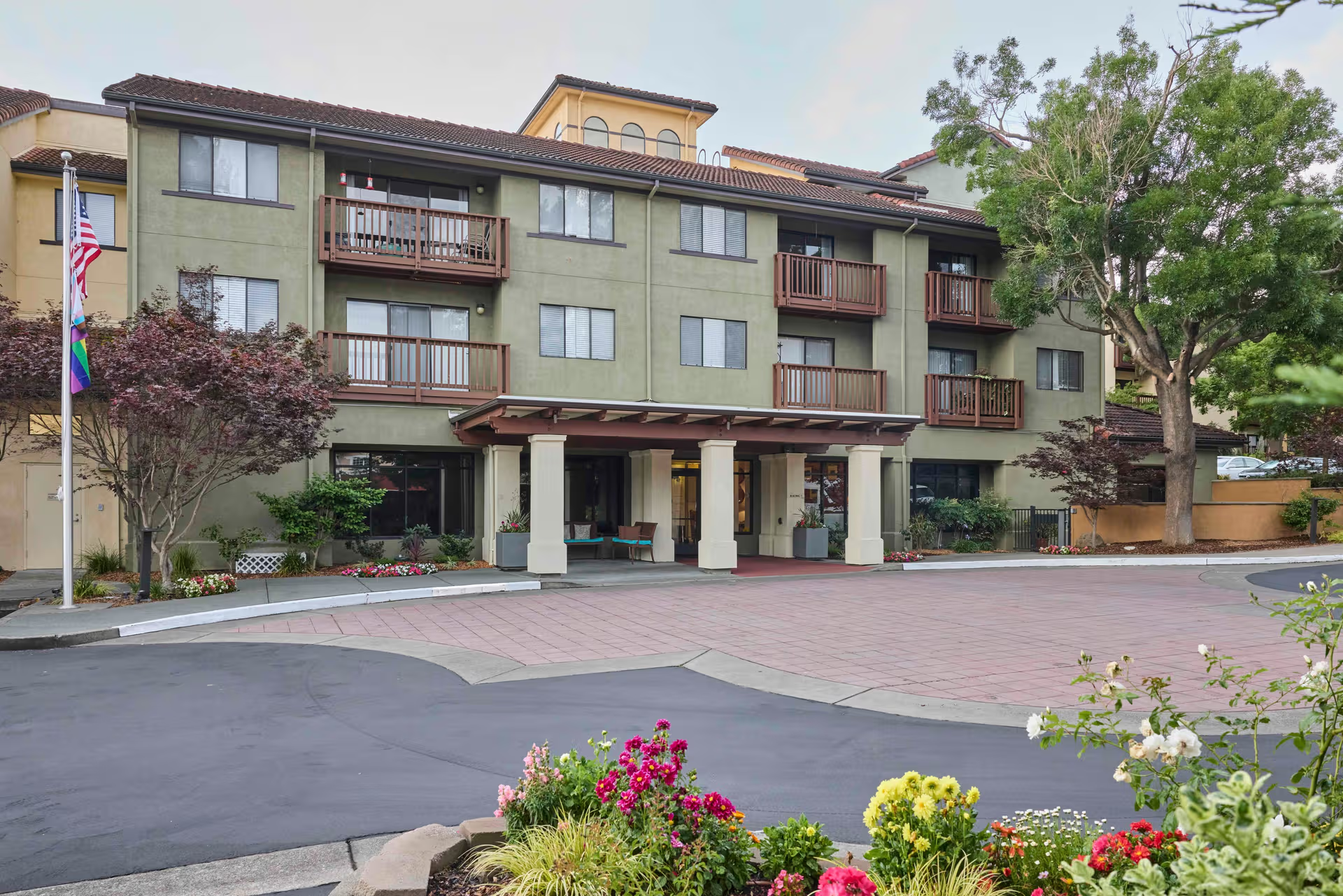
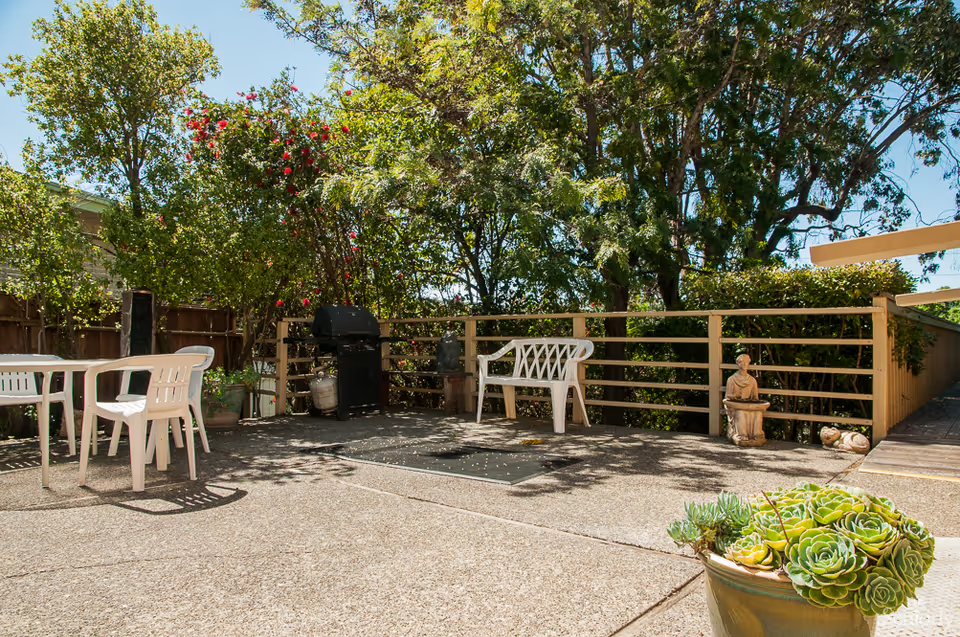
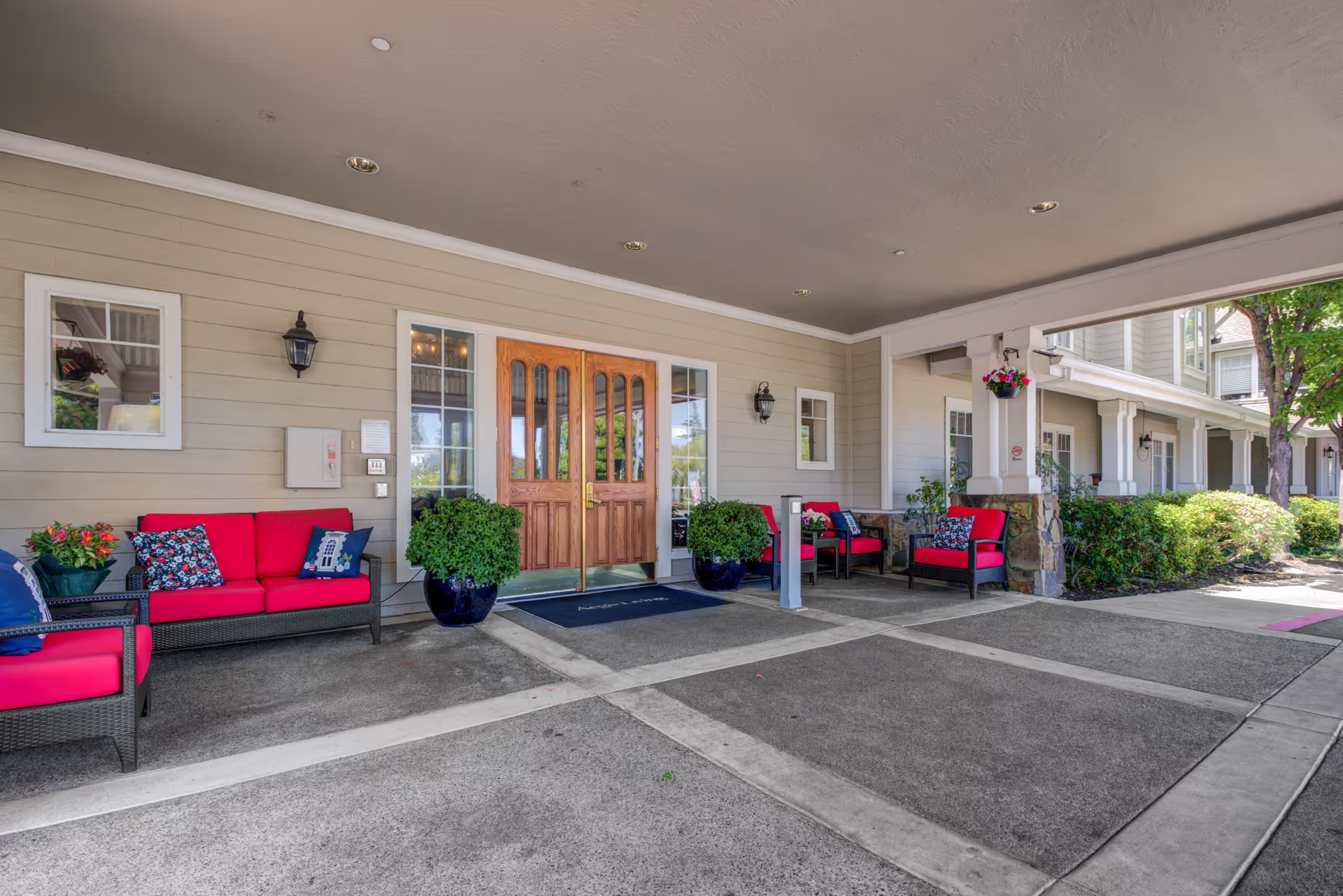
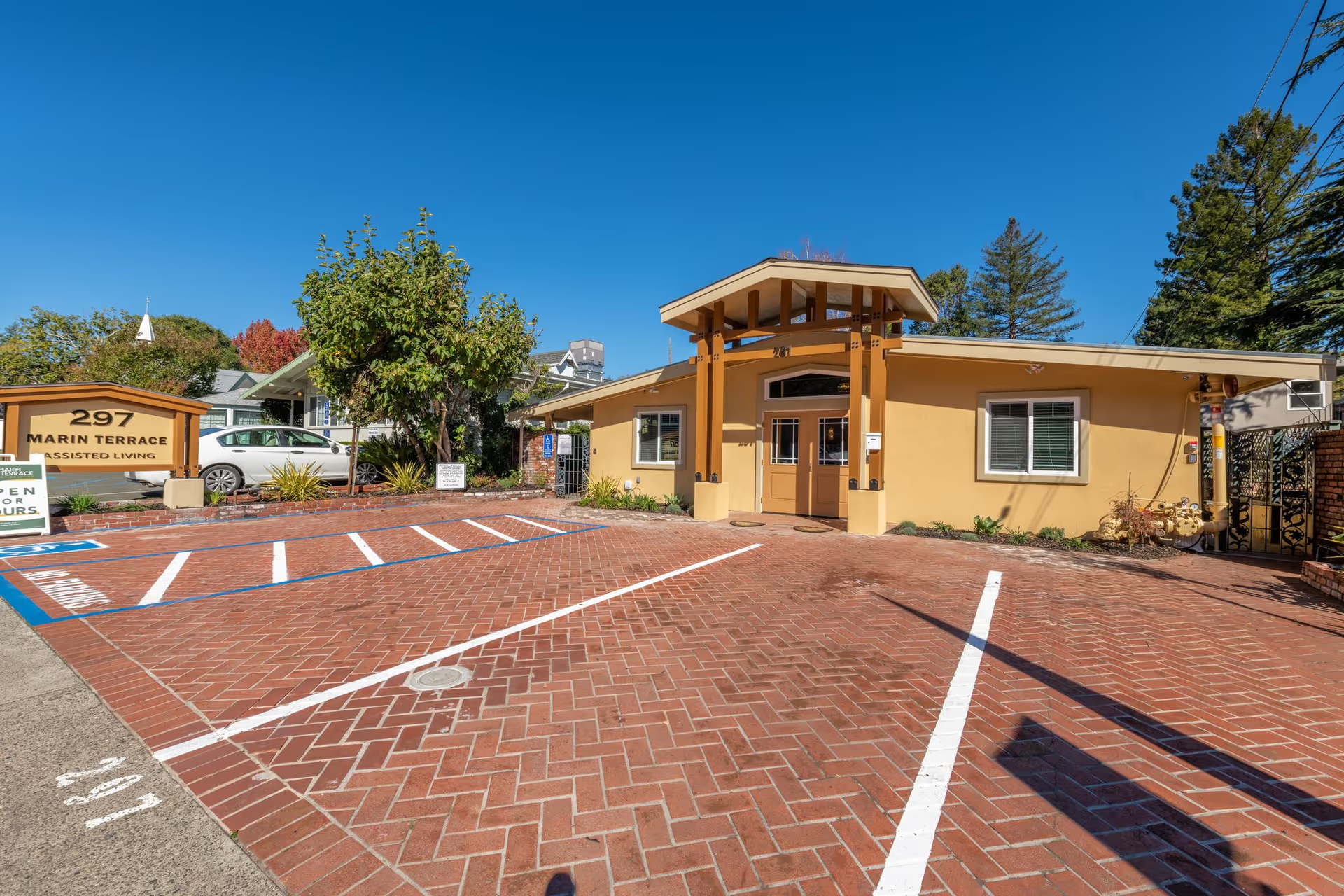
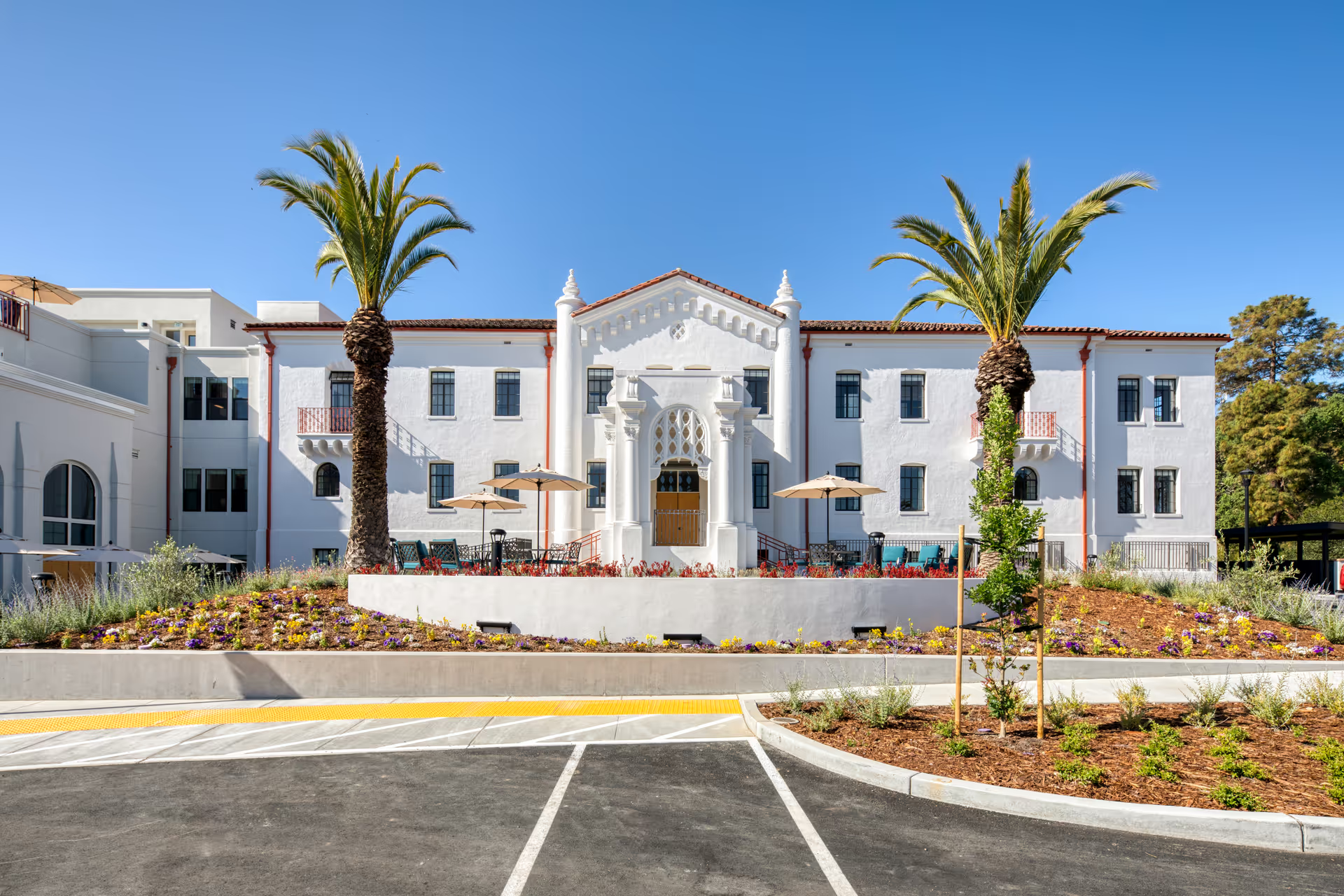
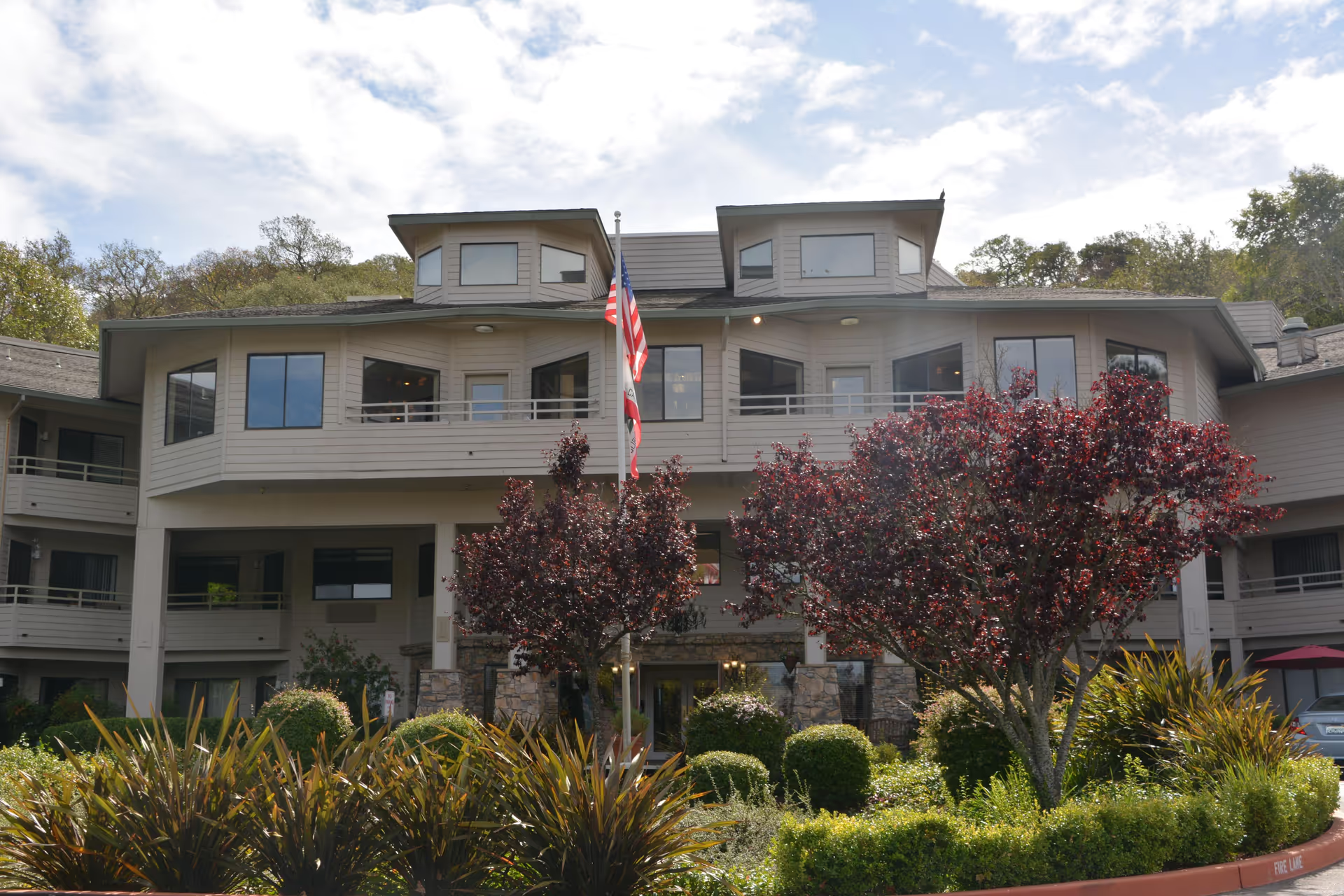
Facilities and amenities are generally described as attractive and well cared for. The campus landscaping, gardens, views, and common spaces (including a large library and fitness offerings) receive consistent praise. However, the physical plant shows mixed characteristics: some apartments and common areas are light, airy, and modern, while others are older and undergoing construction. Accessibility concerns were raised related to stair-heavy layouts and limited elevator capacity. Limited on-site parking was also noted as a recurring operational constraint for families and visitors.
Operational and management patterns deserve balanced consideration. Positive comments reference helpful admissions and move-in assistance, effective transportation and IT support, and visible engagement from leadership and dining staff. Conversely, persistent operational weaknesses include inconsistent staffing levels (with weekend shortfalls), intermittent supply shortages for care items, and communication challenges tied to language barriers and staff conduct in shared spaces. Cost is another recurring theme: the community has a substantial entry buy-in and reviewers noted fee increases that affected perceptions of value.
Overall, Aldersly appears to offer a strong social environment, a broad slate of programs, and competent clinical capabilities, particularly in memory care. Prospective residents and families should weigh those strengths against operational factors — staffing consistency, supply reliability, apartment condition variability, accessibility, parking, and cost — and consider scheduling a tour focused on current staffing patterns, sample meals, and the specific apartment unit to assess fit for their priorities.