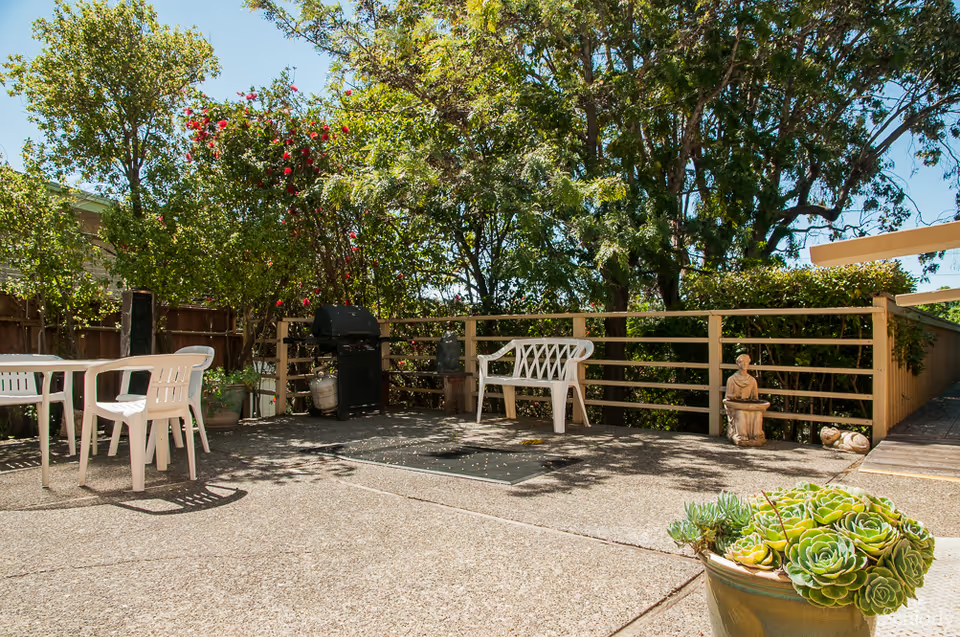
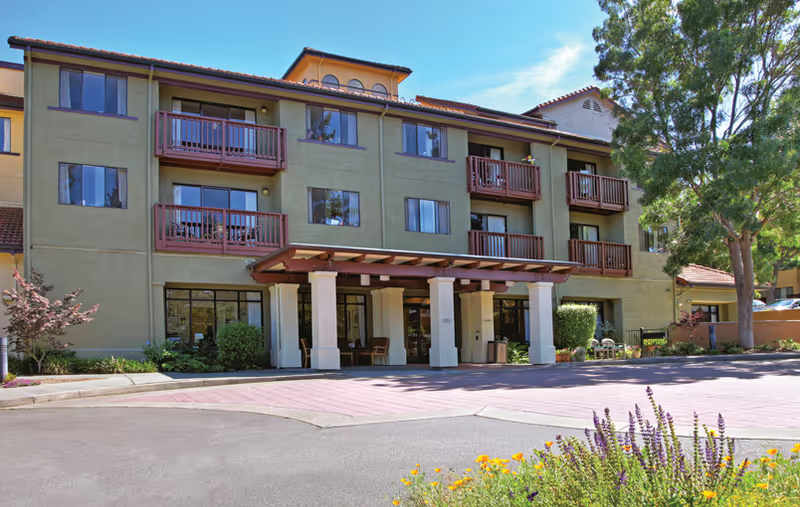
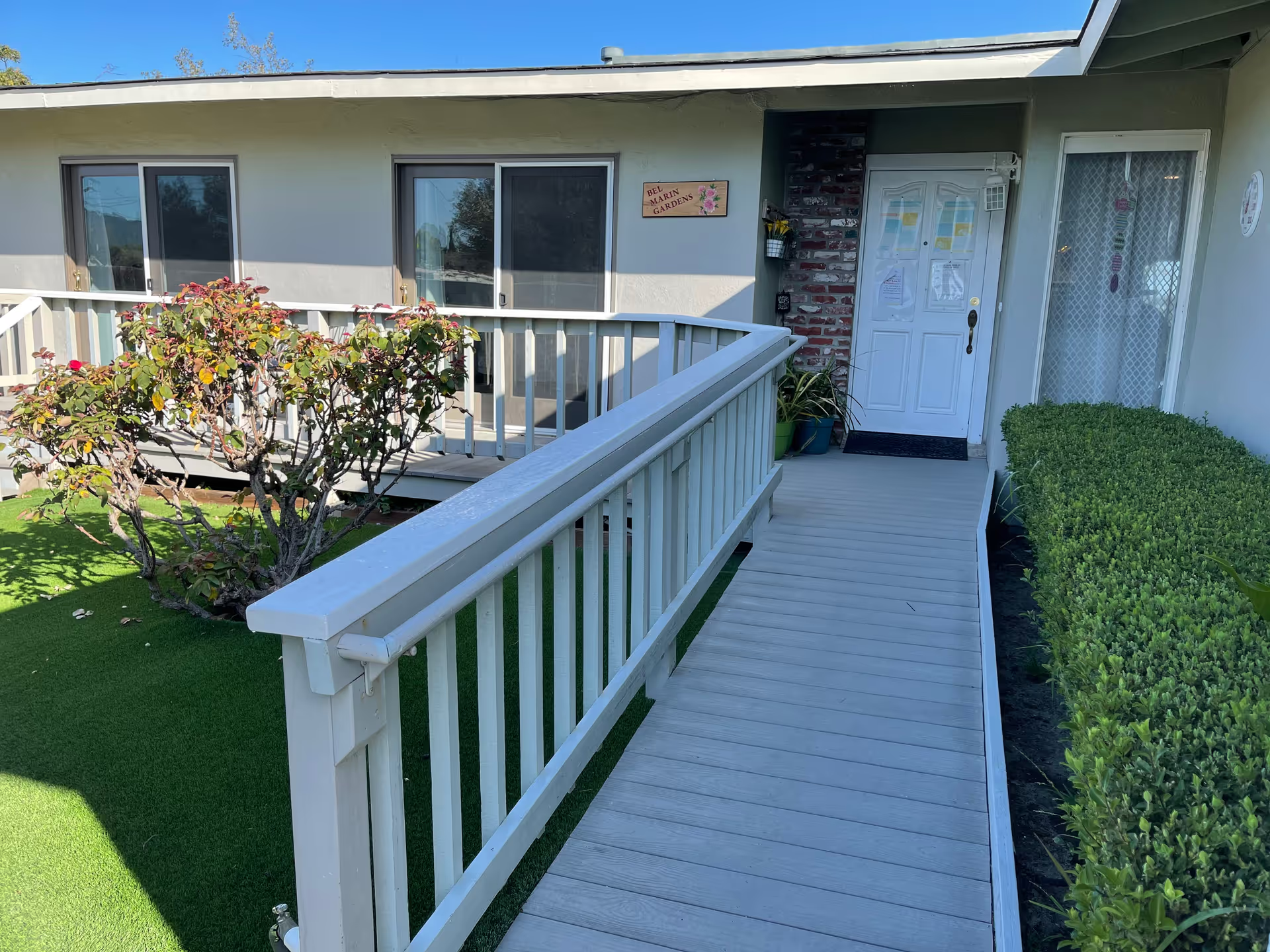
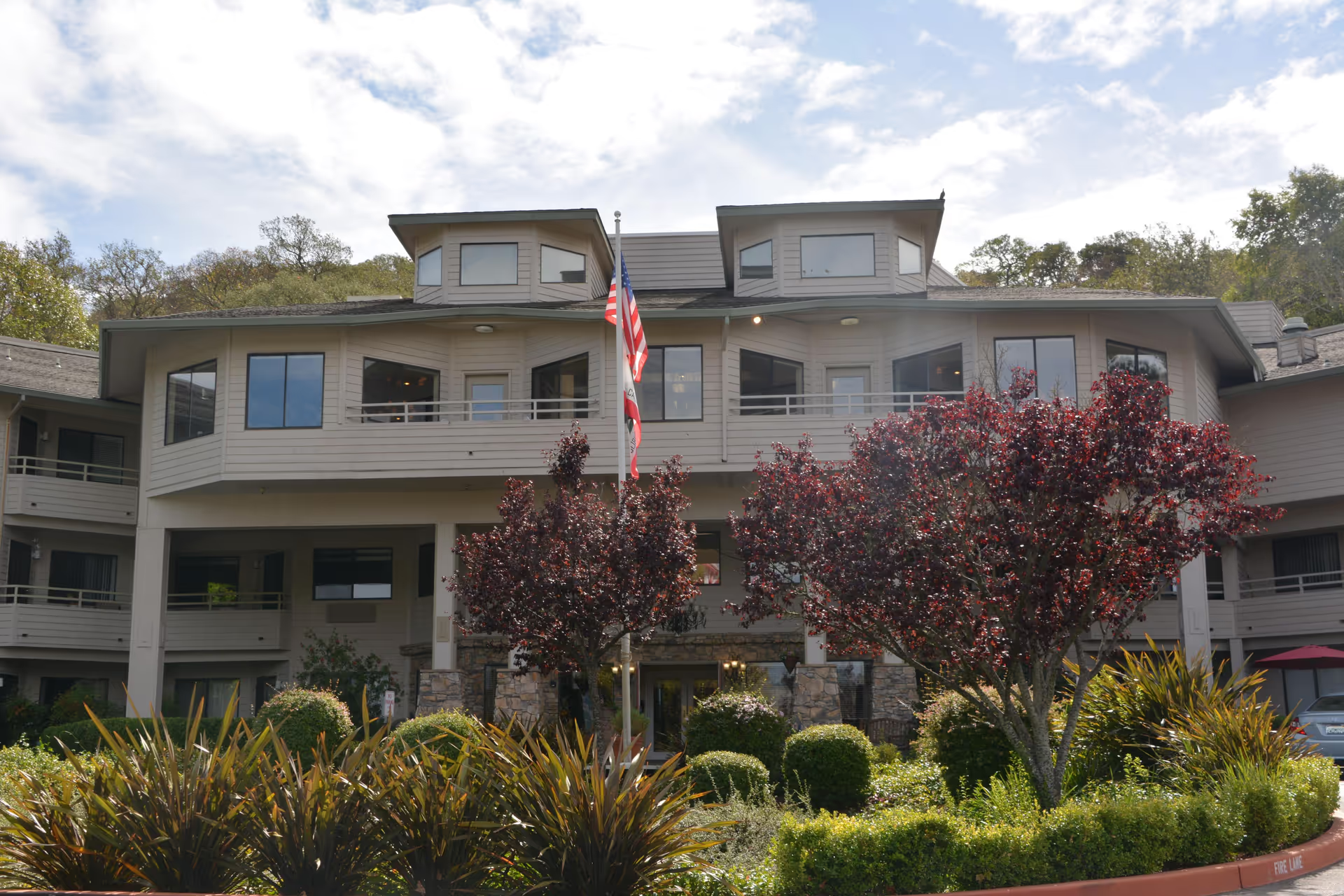
The collected reviews present a mixed but thematically consistent picture of Smith Ranch Skilled Nursing & Rehabilitation Center. Positive feedback centers on the facility’s rehabilitation capabilities and many staff members: physical and occupational therapy programs receive frequent praise for effectiveness and individualized attention, and numerous families describe caregivers, aides, and therapists as compassionate and professional. The building and grounds are commonly noted as clean, modern, and well maintained, with pleasant dining areas, an outdoor patio, and secure entry systems. Administrative touchpoints such as social work, transportation coordination, and admission/check-in are often described as organized and helpful.
At the same time, a recurrent set of operational concerns appears across reviews. Staffing levels and shift coverage are a dominant theme: understaffing is linked to longer response times, variability in nursing quality, and reported safety-related incidents. Night-shift supervision and conduct are described as inconsistent, which some families say affects their sense of safety and continuity. Reviewers also describe gaps in medication supply and administration processes, shortages of basic care items, and a maintenance approach that prioritizes emergencies over routine responsiveness. Several families highlighted delays in therapy start times and limited weekend therapy availability, which can affect post-operative and short-term rehabilitation trajectories.
Dining, activities, and communal life receive mixed assessments. Many reviewers praise the dining room, meal presentation, and social dining atmosphere, while others find the menu insufficiently tailored for residents with diabetes or specific dietary needs. Activity programming and the availability of dedicated common spaces are described as limited by some visitors and residents; walkers and wheelchair users in particular can experience fewer structured opportunities for engagement, and there is commentary about large dining-room scale contributing to feelings of isolation for some residents.
Communication and management patterns are another area of divergence. While some families report smooth transitions and supportive administration, others report weak interdepartmental coordination, passing of responsibility between units, and perceived effects of ownership or managerial changes on continuity of care. Safety-related operational issues mentioned include equipment readiness and safety checks (for example, mobility and toileting equipment) and concerns about placement of residents with significant behavioral or mental-health needs alongside those admitted primarily for physical rehabilitation.
For prospective residents and families, the facility’s strengths in rehabilitation, supportive therapy staff, and a clean, modern environment are important positives to weigh. At the same time, it is reasonable to ask targeted questions before placement about staffing levels (especially night coverage), medication-supply controls, weekend therapy availability, diabetic meal options, equipment-safety protocols, and how the facility handles residents with behavioral-health needs. Those issues appear to be the principal drivers of variability in experience at this facility.