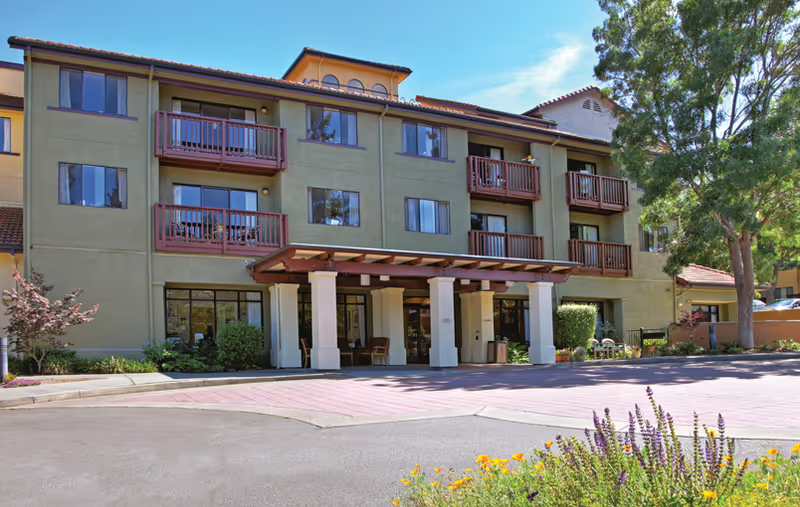
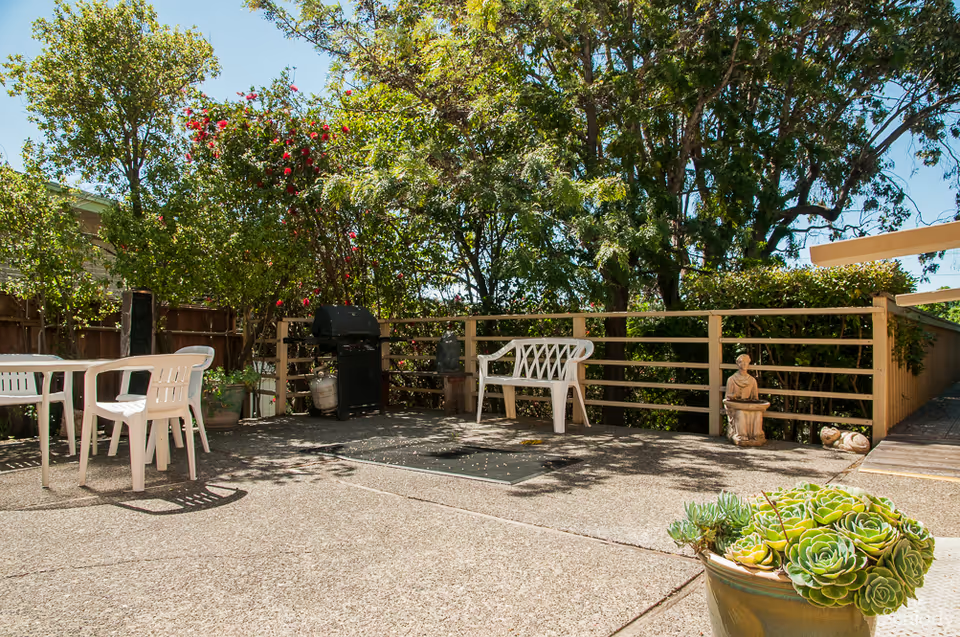
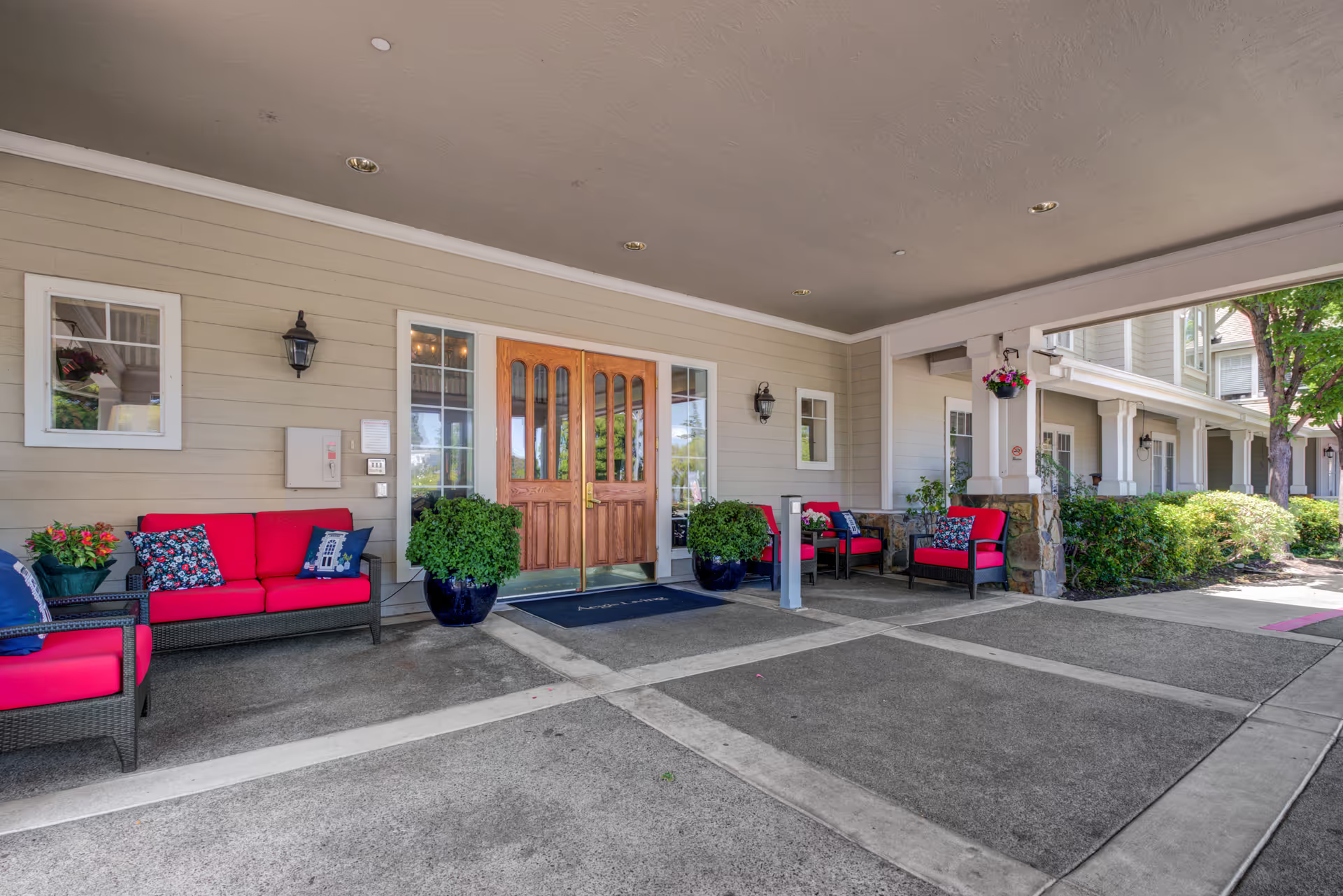
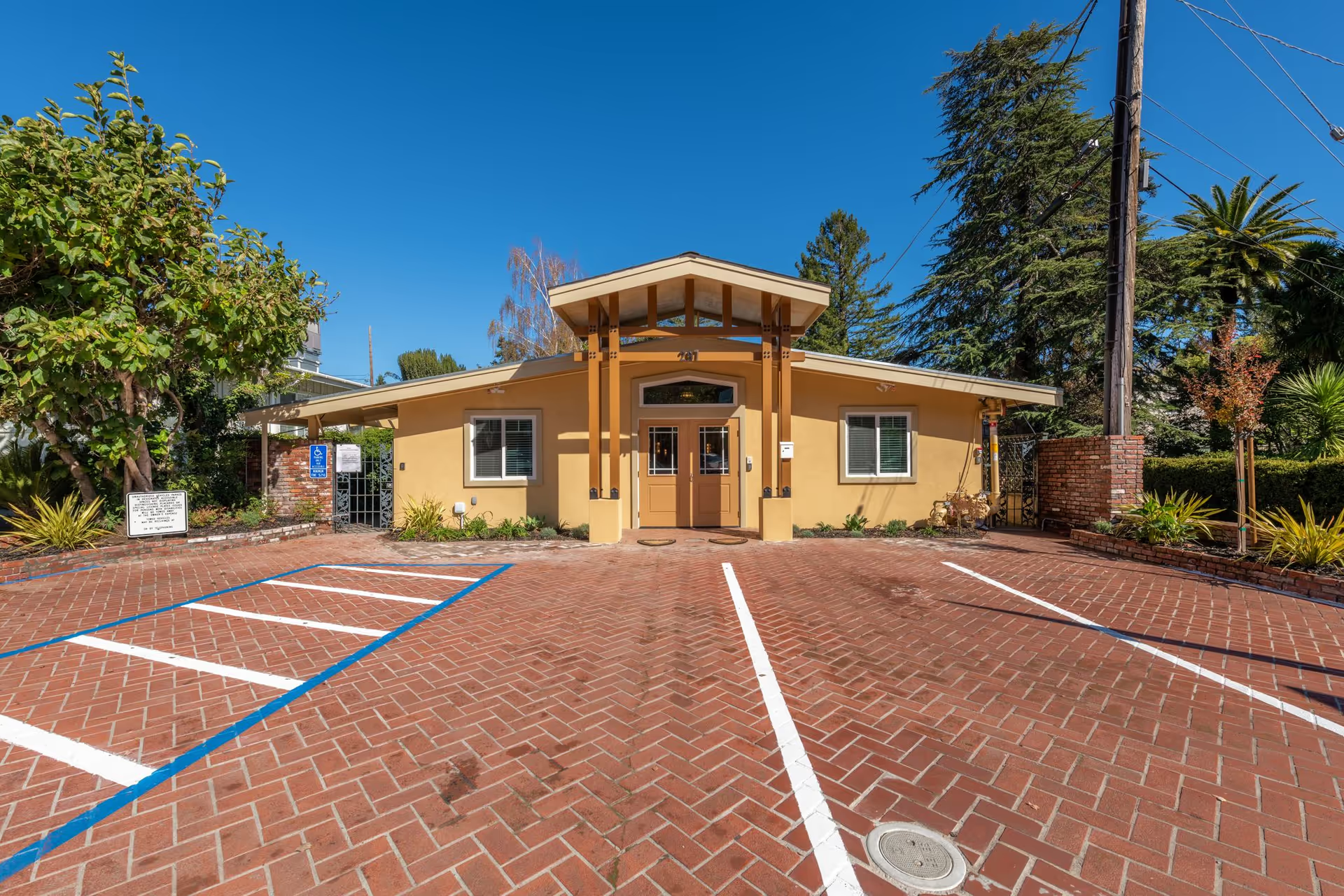
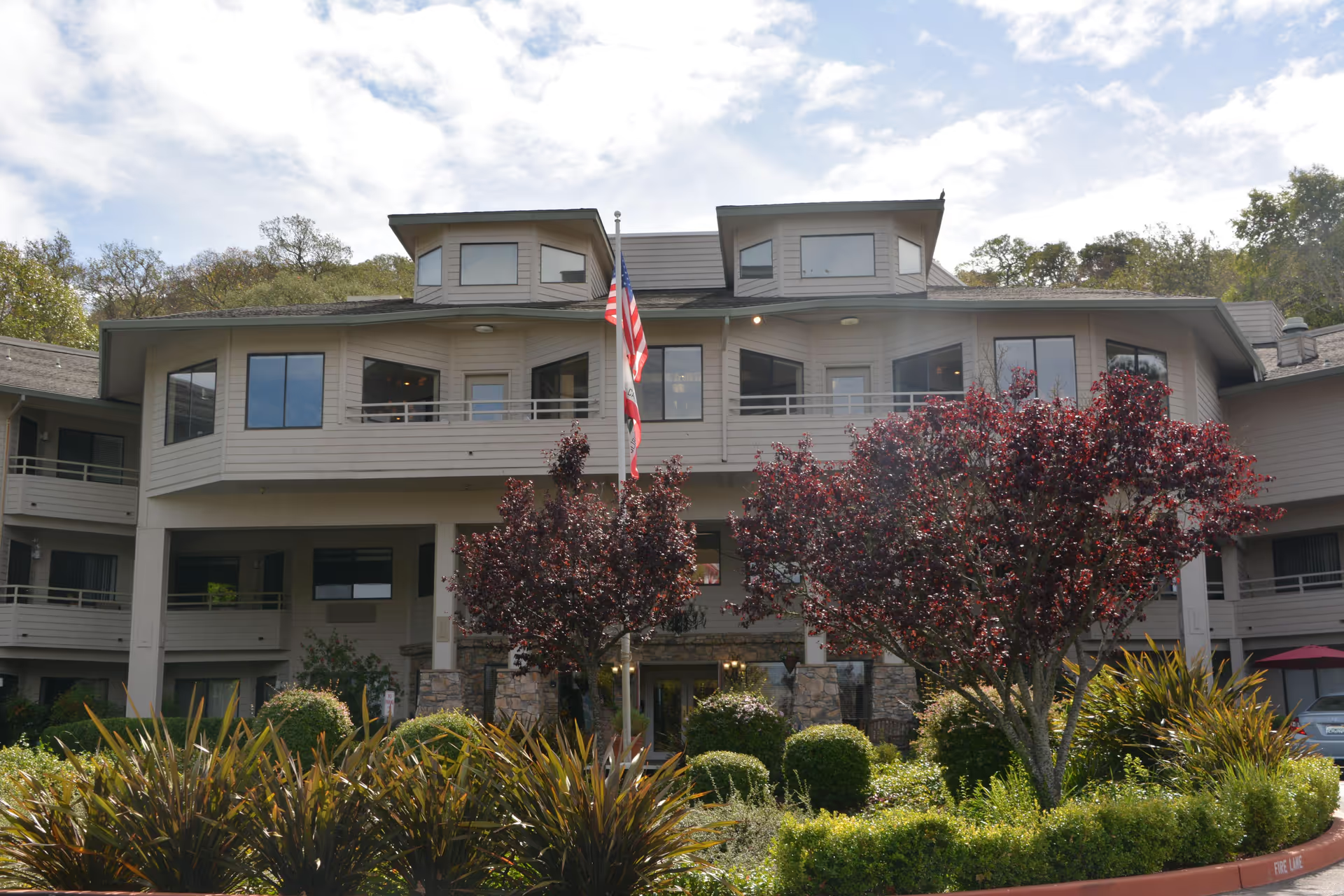
The Vincent is consistently described as a newly built, high-quality physical environment with many design features aimed at seniors: modern construction, well-appointed apartments with wheelchair-friendly bathrooms, multiple social spaces, and a range of on-site amenities (gym, salon, library, movie theater, courtyard). Many families praise the facility’s cleanliness, the non-institutional atmosphere, and the restaurant-style dining overseen by a chef offering varied, flavorful menus and multiple meal options. Admissions and tour experiences are frequently characterized as professional and thorough, and some residents report meaningful social connections, active programming, and an overall sense of belonging.
Care quality and staff performance are described in mixed terms. Numerous comments highlight compassionate, attentive caregivers and a strong memory-care team who provide personalized attention and regular family updates. At the same time, there are repeated operational concerns: high turnover in senior leadership and frontline staff, uneven caregiver experience, and reports of med-techs with varying levels of training. These patterns have been linked to medication-management lapses and missed doses in certain family accounts, creating a need for increased family oversight in some cases. Prospective families should verify medication-administration protocols, staffing ratios, and training curricula, particularly for residents with complex clinical needs.
Programming and daily life also show a split pattern. Several reviewers describe robust activities, live entertainment, walking groups, and thoughtful social programming that contribute to a vibrant lifestyle. Conversely, other accounts indicate gaps between advertised programs and what is actually offered—empty activity rooms, periods without an activity coordinator, and a reliance on television-based or limited offerings. This inconsistency suggests that activity availability may depend on current staffing and scheduling and that prospective residents should review the up-to-date activity calendar and the facility’s plan for sustaining programming.
Management, communication, and regulatory matters are recurring themes. Families note early operational glitches typical of a new community as well as ongoing concerns about executive turnover, responsiveness to resident issues, and transparency around billing and care charges. There are also statements pointing to hiring and background-check shortfalls and references to regulatory citations; one review references an alleged staff-conduct incident. These items indicate areas where stronger administrative systems and clearer family communication would improve confidence. When evaluating the community, ask for copies of recent inspection reports, written policies for hiring and background checks, a sample bill with fee explanations, and documentation of staff training and turnover rates.
In summary, The Vincent offers many physical and programmatic strengths—modern facilities, attractive dining, and clearly positive caregiver interactions in many cases—that appeal to families seeking a high-end, non-institutional assisted-living or memory-care setting. However, reviewers also identify operational vulnerabilities around staffing stability, medication management, activity consistency, and administrative transparency. Prospective residents and families should conduct targeted due diligence: tour multiple unit types (consider ground-floor options for mobility concerns), review activity schedules, confirm clinical and medication protocols, request recent compliance records, and clarify billing practices before making a placement decision.