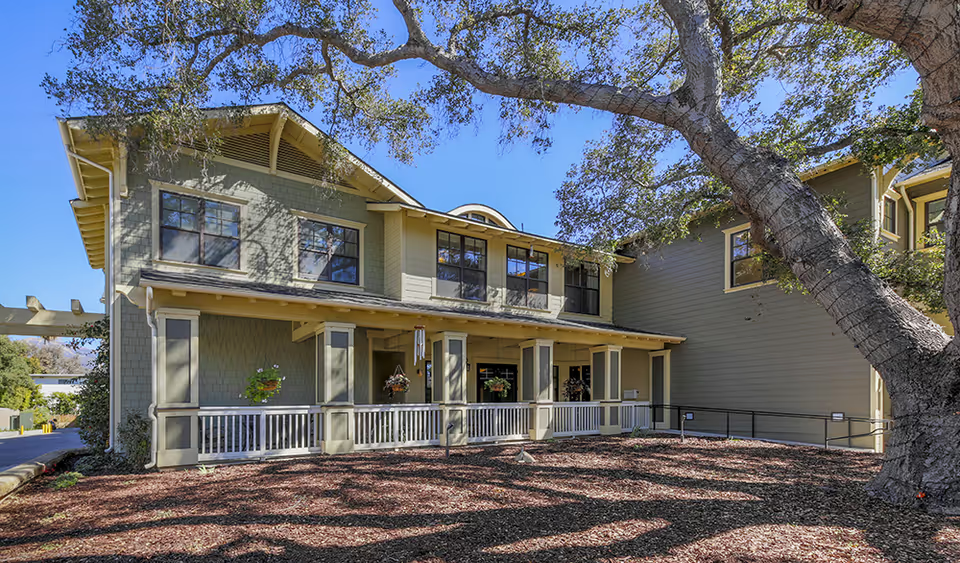
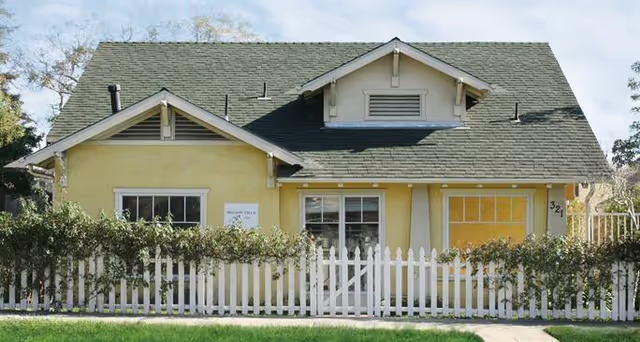
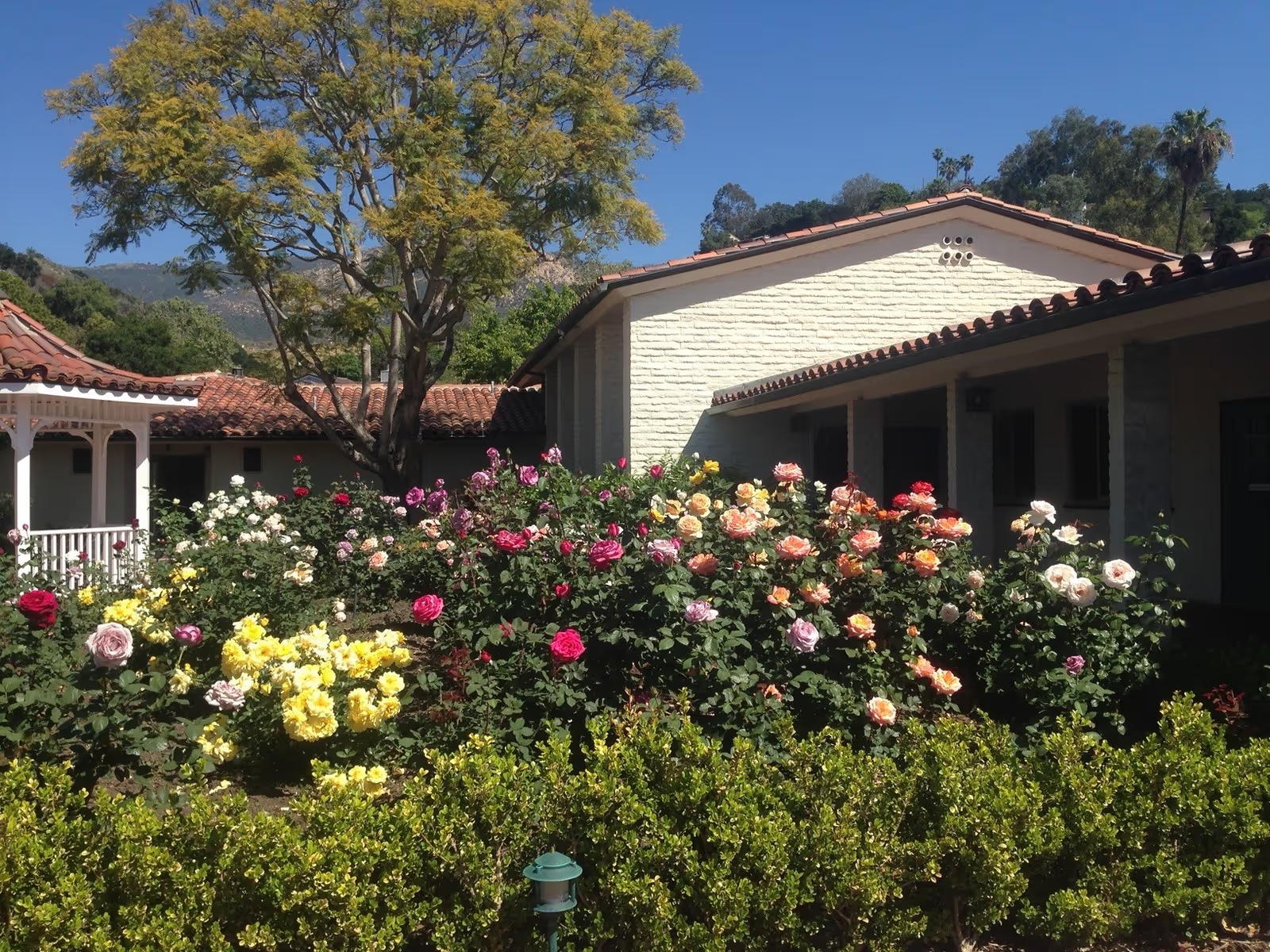
Alexander Gardens presents a mixed but clearly defined profile. Physically the property is repeatedly described as attractive: historic charm, well tended gardens, multiple patios and terraces, sunny rooms and hardwood floors. The facility’s small size creates a home-like, bed-and-breakfast feel that many families value; reviewers praise private patios, outdoor seating, and safe walkways with ramps and railings. At the same time, the building shows signs of aging in some units (older wall heaters, limited air conditioning, occasional musty rooms) that can affect comfort, particularly for residents with mobility- or temperature-sensitivity issues.
Care quality and direct caregiving receive consistent positive comment. Reviewers emphasize compassionate, hands-on staff, long staff tenure, low turnover, and trusting relationships formed between caregivers and residents. One-on-one attention and a personal approach to daily care and engagement are strengths; families frequently describe staff going above and beyond. However, there is a consistent counterpoint: staff are described as overworked and stretched, and that operational pressure appears to contribute to lapses such as inconsistent mobility-assistance practices and occasional issues with laundry or personal-item handling. These operational gaps suggest capacity constraints rather than uniformly poor caregiving.
Dining and activities are a mixed picture. The cuisine is often characterized as nutritious and home-style with several reviewers praising meals, coffee, and a pleasant dining room atmosphere. Others find meal quality variable and the menu limited at times. Activities programming leans toward music, entertainment, and arts, with frequent mention of musical events and smaller-group engagement. The facility’s small population supports personalized activities and preferences-driven engagement, but it can also limit social variety and result in fewer group outings or day trips than larger communities provide.
Management and operational issues emerge as a noteworthy pattern. Families report inconsistent administrative responsiveness, unreturned calls, and communications they describe as unprofessional in tone. There are also concerns about transparency around fees and fee increases that appear inconsistent with initial admission agreements. Some reviewers raised allegations about resident placement and retention relative to care needs, indicating that prospective residents with increasing needs may not always find an optimal fit as those needs change. Additionally, reviewers cite unreliable call-response systems and occasional maintenance gaps that affect resident comfort and perceived safety.
Overall, Alexander Gardens will appeal to families who prioritize a small, garden-like, home-oriented setting with long-tenured, compassionate caregiving staff and personalized attention. Prospective residents and families should balance those strengths against operational limitations: aging infrastructure and limited climate control, small-scale social programming that may not meet every preference, and administrative practices that appear uneven. Recommended pre-admission steps include: touring during activity and mealtime, inspecting the specific room for heating/ventilation, asking about recent staffing levels and call-response measures, reviewing the written fee/contract history and policies on care-level transitions, and clarifying laundry and mobility-assistance protocols to ensure the community’s operations match the resident’s needs.